Barclays Expands Financial Literacy Footprint with Acquisition of GoHenry U.K.
By Dan Ennis | Banking Dive | June 17, 2026
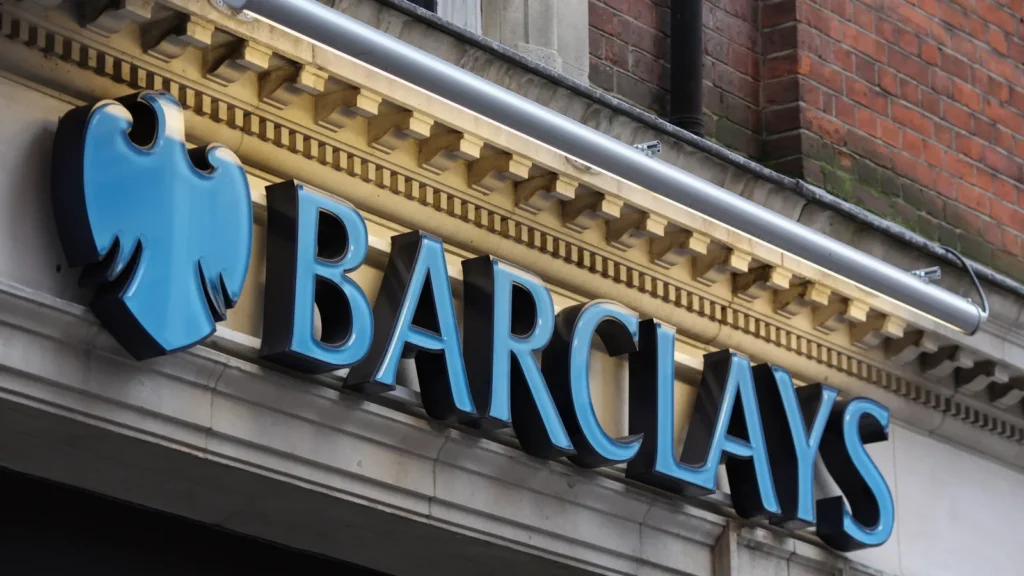
In a strategic move designed to capture the next generation of banking customers, British banking giant Barclays has announced its formal agreement to acquire the U.K. operations of GoHenry, the pioneering financial literacy app and money management platform tailored for children. The acquisition, confirmed by the bank last week, marks a significant consolidation in the European fintech landscape and underscores the growing importance of "cradle-to-grave" banking strategies among major financial institutions.
The transaction, the financial terms of which remain undisclosed, is expected to close in the fourth quarter of 2026. While Barclays will assume ownership of the U.K. entity, the deal includes a unique carve-out: U.S.-based fintech Acorns—which acquired GoHenry in 2023—will retain full ownership and operation of the platform’s United States business.
The Core Transaction and Strategic Rationale
Barclays’ acquisition of GoHenry is not merely a purchase of technology; it is an acquisition of a demographic. GoHenry has spent the better part of the last decade establishing a reputation as a leader in youth-centric financial education. By integrating this platform, Barclays is effectively positioning itself to build brand loyalty with children as young as six, nurturing them through their formative years and into adulthood.
For the bank, the deal serves a dual purpose. First, it brings more than 500,000 active young users in the U.K. into the Barclays ecosystem. Second, it provides the bank with a sophisticated, ready-made digital toolset for "mass affluent households." As Vim Maru, CEO of Barclays U.K., noted in a press statement, the acquisition is designed to "turbocharge" the bank’s offerings for families.
"GoHenry supports our vision to offer a deep and seamless banking experience to customers through all of life’s big moments," Maru stated. "Whether it is opening a very first account, saving for retirement, or everything in between, we want to be the partner for the entire family unit."
A Brief Chronology: From Startup to Global Acquisition
To understand the weight of this transaction, one must look at the trajectory of GoHenry since its inception.
- 2012: GoHenry is founded in the U.K., driven by the mission to make "every kid smart with money." The platform introduces a novel concept: a prepaid debit card for children managed by parents through an app.
- 2020–2022: Amid the digital banking boom, GoHenry scales aggressively, expanding its educational content, which includes gamified money lessons and automated chores-for-allowance features.
- 2023: In a major industry shift, U.S.-based micro-investing fintech Acorns acquires GoHenry. The move signals a broader trend of consolidation, where specialized fintechs are absorbed by larger, well-capitalized platforms.
- June 2026: Barclays enters the fold. Recognizing the potential of the U.K. business to bolster its retail banking division, the bank negotiates the purchase of the U.K. arm, while Acorns strategically decides to pivot its focus toward the American market.
Supporting Data and Financial Implications
While the headline price of the acquisition has been kept confidential, the fiscal impact on Barclays’ balance sheet is clear. The bank has disclosed that the transaction is expected to reduce its common equity tier 1 (CET1) ratio—a key measure of a bank’s financial strength—by approximately five basis points.
Despite this slight dip, the bank maintains that the acquisition will have no material impact on its stated financial targets for either 2026 or 2028. This suggests that Barclays anticipates the operational synergies and the long-term customer acquisition value of GoHenry to outweigh the immediate capital cost.
The platform itself brings a robust infrastructure. GoHenry’s value proposition relies on:
- Prepaid Debit Integration: Providing kids with real-world spending experience within a controlled environment.
- Parental Controls: Allowing parents to set spending limits, block specific merchants, and automate allowance payments.
- Educational Modules: A library of financial literacy lessons that reward children for completing tasks and learning about saving, budgeting, and compound interest.
- Junior ISAs: Integration with tax-advantaged savings vehicles, allowing families to plan for their children’s long-term financial future.
Official Responses and Corporate Synergy
The leadership teams at both Barclays and GoHenry have been quick to frame the deal as a natural evolution for the brand. Louise Hill, the founder of GoHenry, sought to reassure existing users that the service would maintain its unique identity.
"Our mission has always been to make every kid smart with money," Hill said. "Joining forces with Barclays gives GoHenry a platform to accelerate that mission in the U.K. GoHenry isn’t going anywhere. What changes is our ability to do more."

On the other side of the Atlantic, Noah Kerner, CEO of Acorns, framed the divestment as a strategic sharpening of his company’s focus. "Selling the GoHenry U.K. business to Barclays allows GoHenry to serve many more U.K. kids and further its important mission," Kerner noted. He emphasized that Acorns would now "double down" on its own domestic market, focusing on its role as the leading financial wellness app for American families.
Interestingly, the relationship between the two entities does not end with the sale. Barclays and Acorns have indicated they are currently "exploring other ways to collaborate" to better serve their respective customer bases, suggesting a potential future partnership or cross-border integration.
Implications for the Banking Industry
The acquisition of a youth-focused platform by a Tier-1 legacy bank highlights several broader trends currently shaping the financial services sector.
1. The War for Gen Alpha
Traditional banks have historically struggled to connect with younger demographics. By acquiring established fintechs like GoHenry, legacy banks like Barclays can bypass the long, expensive process of developing and marketing a youth-oriented product from scratch. It is a "buy-vs-build" strategy that provides immediate market share.
2. The "Family Banking" Ecosystem
Banks are increasingly moving toward a "household" view of the customer. By managing the finances of both the parents and the children, a bank can create high switching costs. If a family’s primary savings, children’s allowances, and investment accounts are all under the Barclays umbrella, the likelihood of that family leaving for a competitor decreases significantly.
3. Regulatory and Competitive Pressures
The U.K. market for digital banking is notoriously competitive, with challengers like Monzo and Revolut constantly pushing the boundaries of user experience. Barclays’ move to integrate GoHenry is a defensive and offensive maneuver; it keeps them at the forefront of digital innovation while shielding them from the potential loss of younger generations who prefer the sleek interfaces of fintech startups.

4. Financial Literacy as a Value-Add
As financial literacy becomes a priority for policymakers and parents alike, banks that provide educational content—not just transactions—position themselves as responsible stewards. This shift from transactional banking to advisory, educational banking is likely to define the next decade of retail financial services.
Conclusion: Looking Ahead
As the deal heads toward its fourth-quarter closing, the financial services sector will be watching closely to see how Barclays integrates the GoHenry brand. Will the app remain entirely independent, or will we see deeper integration into the core Barclays mobile banking experience?
For now, the message from the bank is clear: Barclays intends to be the bank for all of life’s "big moments." By acquiring GoHenry, they have secured the rights to be present for the very first of those moments, potentially securing a lifetime of loyalty in the process. As the fintech and traditional banking worlds continue to blur, the success of this acquisition will serve as a bellwether for how legacy institutions can successfully pivot to remain relevant in an increasingly digital, youth-driven economy.