The Myth of the Self-Sufficient Homestead: Lessons from Seven Years in the Woods
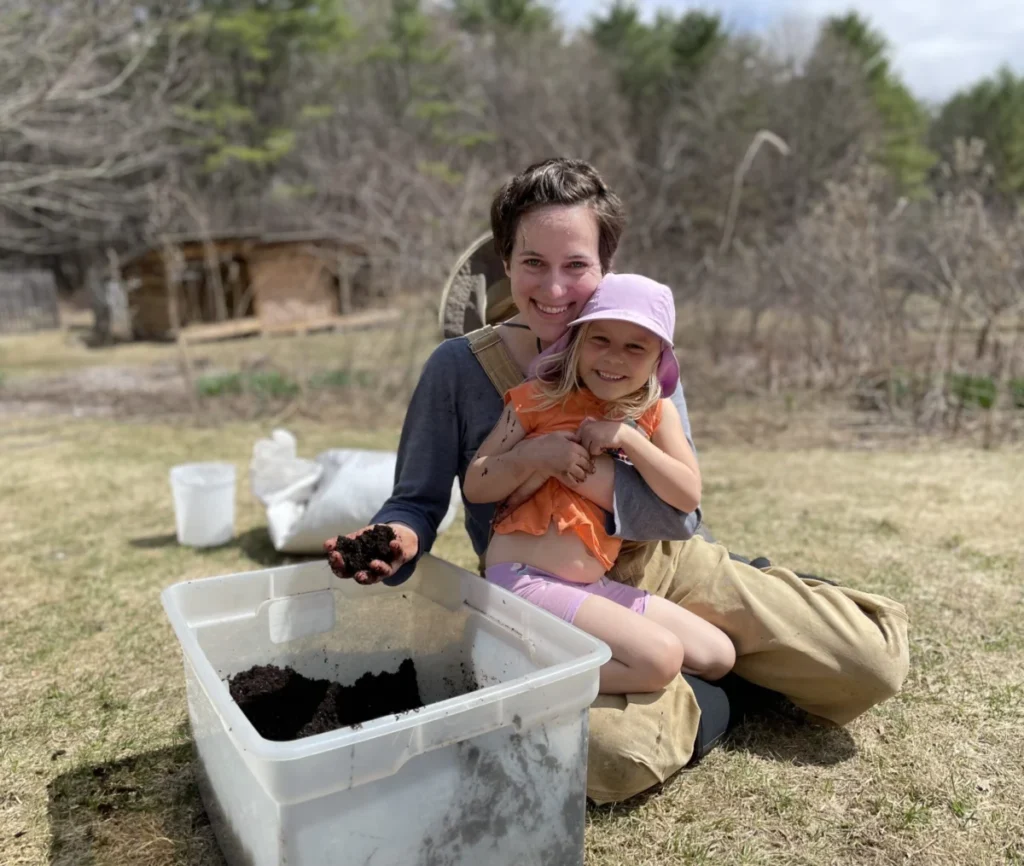
When the founders of the Frugalwoods lifestyle project packed their bags in 2016 to trade urban convenience for a 66-acre homestead in the remote woods of Vermont, they carried with them a dream as old as pastoral literature itself: the dream of absolute self-sufficiency. Like many modern homesteaders, they imagined a life where they would raise their own livestock, harvest every vegetable from their own soil, and preserve the bounty to sustain them through harsh, isolated winters.
Seven years later, the reality has proven to be a complex, rewarding, and often humbling departure from that original vision. As the Frugalwoods celebrate the ninth anniversary of their brand and the seventh anniversary of their rural transition, a retrospective look at their journey offers a masterclass in the difference between romanticized rural fantasies and the granular, exhausting reality of agrarian life.
The Romanticized Vision vs. The Reality of Labor
In the early days of their move, the Frugalwoods operated under what they now call a "gargantuan assumption"—the belief that they could, and should, grow all of their own food. This vision was heavily influenced by the cultural archetype of the self-reliant pioneer, reminiscent of Little House on the Prairie but updated for the modern era.

The vision was clear: summers spent singing to rows of vegetables, children gracefully assisting in the harvest, and winters spent consuming a meticulously preserved bounty by the glow of a woodstove. There were even plans for dairy cows, backyard pigs, and meat chickens. However, the transition to rural living quickly revealed a fundamental truth: while such a lifestyle is technically possible, it is an all-consuming, full-time profession.

For the Frugalwoods, the realization was stark: they did not move to the woods to replace one high-pressure office job with another, more physically demanding, unpaid one. They moved for freedom, time, and space. They eventually came to understand that "chaining oneself to a vegetable garden" is functionally indistinguishable from "chaining oneself to a desk."

Chronology of a Homestead Evolution
The journey from hopeful novice to seasoned, realistic homesteader followed a distinct path over the last seven years:

- 2016: The move to the 66-acre Vermont property. Initial enthusiasm is high, with grand visions of total self-sufficiency.
- 2017–2018: The "experimental" phase. The couple begins building the "big" vegetable garden, learning through trial and error.
- 2018 (The Turning Point): The "Kale & Chard Apocalypse." After planting 80 plants of kale and chard, the couple is overwhelmed by the sheer volume of processing required. The realization hits: the labor required to preserve the harvest is stripping the joy from their lives.
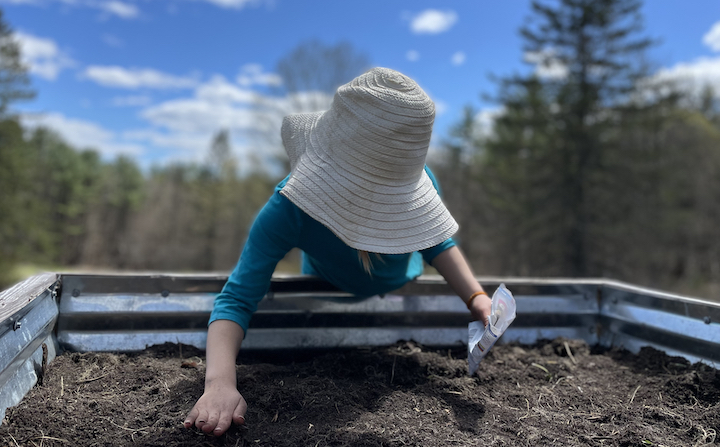
- 2020: Shift in strategy. Nate constructs raised beds closer to the house, prioritizing convenience and small-scale enjoyment over mass production.
- 2023 (Present Day): A philosophy of balance. The garden is maintained not for total sustenance, but for the pleasure of fresh produce and the educational value for their children.
The "Kale & Chard Apocalypse": A Case Study in Over-Commitment
The most significant event in this evolution occurred in 2018. In an attempt to see if they could truly provide for their own sustenance, they planted 80 kale and chard plants. The plants thrived—perhaps too well. The resulting harvest was so massive that the Frugalwoods had to use a child’s inflatable swimming pool and giant plastic tubs just to wash the greens.

The processing phase took several days of grueling, back-breaking work. It required hours of harvesting, washing, drying, blanching, and bagging. The couple eventually realized that they had created a logistical nightmare. The most demoralizing aspect of this effort was that they were unable to consume all of the preserved greens before they began to spoil. Dumping the hard-won food into the compost pile served as a definitive moment of clarity: they were not subsistence farmers, and they did not need to act like them.

Supporting Data: The Logistics of the Modern Garden
The current gardening setup at the Frugalwoods homestead is a testament to the "less is more" approach. It is divided into three distinct zones, each serving a specific purpose:

1. The Raised Beds (Proximity and Ease)
Located right next to the back porch, these four beds focus on high-yield, high-frequency items.
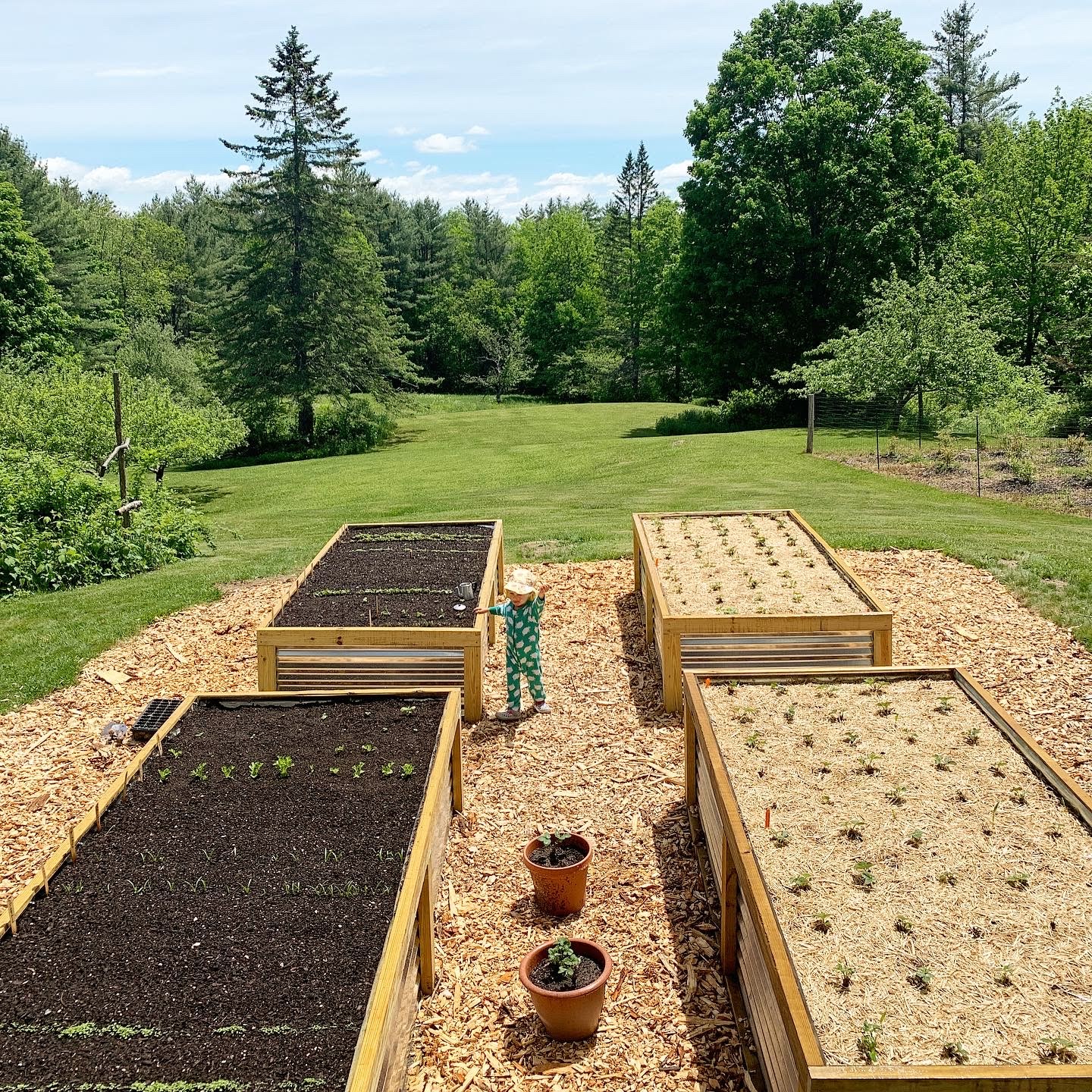
- Strawberries: Positioned for quick snacking.
- Herbs and Greens: Designed for easy access while cooking dinner.
- Mint: Kept in pots to prevent the invasive plant from taking over the garden.
2. The "Big" Vegetable Garden
This fenced-in area uses cattle panels for trellising, a solution the founders highly recommend. It focuses on annual crops:

- Tomatoes, beans, squash, and snap peas.
- Pumpkins and gourds: Used for fall decor and subsequently fed to the chickens.
- Educational Rows: Each child is given a row to plant, tend, and harvest, serving as a primary tool for teaching responsibility.
3. The Perennial Food Forest
Mr. FW has spent years cultivating fruit trees, including apples, blueberries, and cherries. However, the data on these crops reveals the inherent difficulties of small-scale fruit production:

- Time-to-yield: Apple trees take roughly six years to bear fruit.
- The "Clever Varmint Patrol" (CVP): Wildlife—from birds to squirrels—often target the harvest the exact moment it ripens.
- All-at-once Ripening: Perennial fruit often ripens simultaneously, creating a "feast or famine" cycle that necessitates intense, immediate labor.
The Role of External Neighbors
A significant shift in the Frugalwoods’ philosophy is their view of local farmers. Rather than viewing themselves as competitors in the race to total self-sufficiency, they have embraced the local agricultural economy.

They now view buying food from professional, full-time local farmers not as a failure, but as a community-building act. They recognize that their neighbors possess the professional expertise, infrastructure, and dedication to produce food at a scale and quality they cannot match. By purchasing local produce, they support the local economy while freeing themselves to enjoy their land without the burden of industrial-scale food production.

Implications for the Modern Homesteader
The journey of the Frugalwoods carries several profound implications for anyone considering a move to the country or a shift toward a more sustainable lifestyle:

- The Danger of "Performance" Gardening: Social media and the internet have created a pressure to perform "homesteading" for an audience. It is essential to distinguish between what is genuinely useful and what is merely a performance of a rural ideal.
- The Value of Time: When the labor cost of growing a crop—measured in hours of weeding, watering, and processing—exceeds the cost of purchasing that crop from a farmer, one must ask: is the goal to save money, or to enjoy the process? If the process is not enjoyable, the "savings" are an illusion.
- Acceptance is the Final Stage: The most successful gardeners are those who accept their limitations. The Frugalwoods have moved past the guilt of not being "perfect." Whether they can a hundred jars of applesauce or none at all, they remain grateful for the privilege of living on their land.
The ultimate takeaway is that the "homesteading life" is not a monolith. It is a spectrum. For some, it involves total self-sufficiency; for the Frugalwoods, it involves a balanced existence where the garden is a source of joy and education, rather than a source of stress and anxiety. By shedding the self-imposed expectations of the "perfect homesteader," they have found a much more sustainable way to live in the woods: one that prioritizes their own well-being and the freedom they fought so hard to obtain.