The Digital Wealth Revolution: A Comprehensive Evaluation of the Market’s Leading Investment Tracking Applications
Managing a modern investment portfolio is no longer as simple as reviewing a monthly paper statement from a single brokerage. Today’s retail investors often hold assets across multiple platforms—ranging from traditional employer-sponsored 401(k)s and Individual Retirement Accounts (IRAs) to self-directed taxable brokerages, cryptocurrency wallets, real estate, and alternative assets.
As portfolios grow in complexity, the demand for sophisticated investment tracking software has surged. The ideal tracking application does not merely display account balances; it aggregates multi-institution data, uncovers hidden fees, analyzes asset allocation, tracks dividend cash flows, and projects future wealth trajectory.
This comprehensive report evaluates the leading investment tracking applications on the market today. Based on years of hands-on testing, technical analysis, and industry benchmarking, this guide provides an in-depth look at how these tools perform across various investor profiles.
![8 Best Investment Tracking Apps [2026 Guide] – ROB BERGER](https://robberger.com/wp-content/uploads/2024/02/Empower-Logo.jpeg)
1. Main Facts: The Modern Portfolio Tracking Landscape
To help investors navigate the crowded wealth-tech marketplace, we have categorized the leading platforms by their primary utility, pricing models, and target demographics. The table below outlines the core specifications of the top eight investment tracking applications.
Summary of the Market’s Best Investment Tracking Applications
| Investment Tracking App | Best For | Pricing | Core Strengths |
|---|---|---|---|
| Empower | Best Free Tracker | Free | Automated syncing, Fee Analyzer, Retirement Planner |
| Kubera | Best for High-Net-Worth Individuals | $249/year (14-day free trial) | Alternative asset tracking, global currencies, estate planning |
| Monarch Money | Best All-in-One App | $99/year (7-day free trial; 50% off first year with code ROB50) |
Unified budgeting and investment tracking, clean UI |
| Stock Rover | Best for Stock Research | Free tier; paid plans $79.99–$279.99/year | Institutional-grade equity screeners, research reports |
| Snowball Analytics | Best for Rebalancing & Dividends | Free tier; paid plans $6.00–$18.80/month | Rebalancing tool, dividend calendar, cash flow projections |
| Simply Wall St. | Best for Visual Stock Investors | Free tier; premium plans from $10.95/month | Infographic-based portfolio analysis, global stock coverage |
| Morningstar Investor | Best for Fund Analysis | $249/year (7-day free trial; $50 off first year) | Industry-standard Portfolio X-Ray, mutual fund/ETF research |
| Quicken Premier | Best Desktop Software | Variable pricing (approx. $75/year) | Tax schedule preparation, offline capabilities, legacy stability |
2. Chronology: The Evolution of Portfolio Management
The tools available to retail investors today are the product of decades of technological disruption. Understanding this trajectory highlights why modern SaaS (Software as a Service) platforms have become indispensable for wealth management.
[Pre-1980s] Paper Ledgers & Manual Bookkeeping
       │
[1980s-1990s] Desktop Databases & Spreadsheets (Lotus 1-2-3, Microsoft Excel, Early Quicken)
       │
[2000s-2010s] The Cloud & API Aggregation (Personal Capital/Empower, Plaid Integration)
       │
[2020s-Present] Specialized SaaS, Multi-Asset Syncing, and AI-Driven Wealth Analytics- The Paper and Ledger Era (Pre-1980s): Portfolio tracking was a manual, labor-intensive process. Investors recorded transactions in physical ledgers, calculated capital gains by hand, and relied on daily newspapers or quarterly brokerage statements for asset valuations.
- The Desktop Database and Spreadsheet Era (1980s–2000s): The launch of Lotus 1-2-3 and Microsoft Excel revolutionized portfolio tracking. For the first time, investors could build custom digital sheets to calculate returns. Concurrently, Quicken emerged in 1983 as the pioneer of desktop personal finance software, allowing users to download transactions manually or via dial-up connections.
- The Cloud and API Aggregation Era (2010s): The founding of Personal Capital (now Empower) in 2009 marked a paradigm shift. By leveraging secure data aggregators like Yodlee and Plaid, these platforms enabled automated, daily synchronization across multiple financial institutions. Portfolio tracking moved from static, manual entry to dynamic, real-time dashboards.
- The Multi-Asset and AI Era (2020s–Present): The explosion of alternative assets—such as cryptocurrency, fractional real estate, and private equity—exposed the limitations of traditional tracking tools. Modern platforms like Kubera have introduced multi-currency and multi-asset capabilities, while newer entries leverage artificial intelligence to scan document PDFs, automate rebalancing, and predict future dividend cash flows.
3. Supporting Data: In-Depth Software Analysis
Choosing the correct application requires evaluating how each tool handles data aggregation, security, fee structures, and specialized asset classes. Below is a detailed technical analysis of the eight leading platforms.
![8 Best Investment Tracking Apps [2026 Guide] – ROB BERGER](https://robberger.com/wp-content/uploads/2025/11/monarch-money-logo.png)
1. Empower (Formerly Personal Capital)
The Verdict: The absolute gold standard for free, automated portfolio tracking and long-term retirement planning.
┌────────────────────────────────────────────────────────┐
│                      EMPOWER                           │
├────────────────────────────────────────────────────────┤
│  [Free Tier]  =======>  Automated Bank & Broker Sync   │
│                             │                          │
│                             ├──> Retirement Fee Analyzer│
│                             ├──> Asset Allocation Chart│
│                             └──> Retirement Simulator  │
└────────────────────────────────────────────────────────┘
Empower is the most widely used investment tracking app on the market, and for good reason. Once connected to your retirement and taxable brokerage accounts, the platform automatically downloads historical transactions, balances, and underlying holdings to compile a comprehensive net worth statement.
What We Like
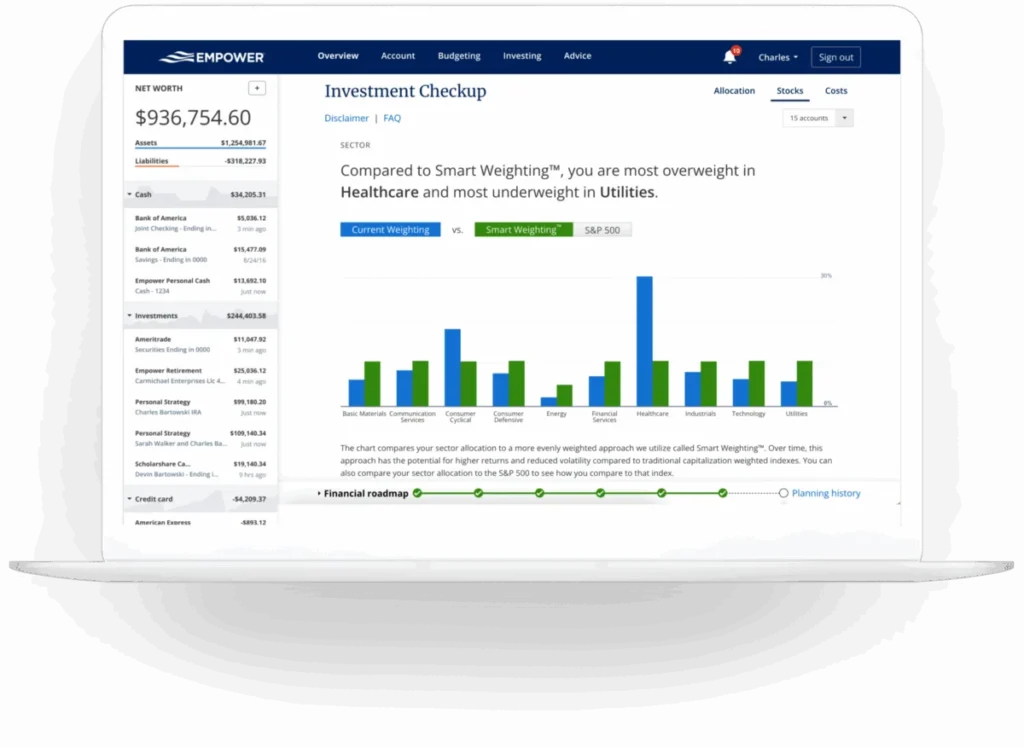
- The Retirement Fee Analyzer: This proprietary tool scans mutual funds and ETFs within your portfolios, identifies their internal expense ratios, and projects the cumulative dollar impact of those fees over your investing horizon.
- Asset Allocation Visualizer: Empower looks through your mutual funds and ETFs to show your true asset allocation across domestic equities, international equities, fixed income, cash, and alternative assets.
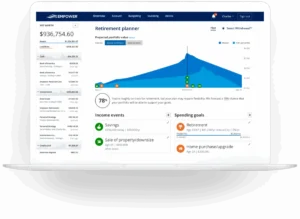
- Robust Retirement Planner: A Monte Carlo simulation engine that models your probability of retirement success based on your current savings rate, asset allocation, and projected spending.
- Complete Financial Integration: Supports linking bank accounts, credit cards, mortgages, and home valuations via Zillow.
Areas for Improvement
- Upselling Friction: Because the platform is free, users with portfolios exceeding $100,000 will receive occasional solicitations from Empower’s human wealth management advisors.
- Basic Stock Research: It does not offer institutional-grade research tools for individual equities or advanced stock screening.
2. Kubera
The Verdict: The premier tracking tool for high-net-worth individuals (HNWIs) holding complex, global, or alternative assets.
![8 Best Investment Tracking Apps [2026 Guide] – ROB BERGER](https://robberger.com/wp-content/uploads/2024/01/Kubera-Logo.jpeg)
┌────────────────────────────────────────────────────────┐
│                       KUBERA                           │
├────────────────────────────────────────────────────────┤
│  [$249/Year]  =======>  Multi-Aggregator Sync Engine   │
│                             │                          │
│                             ├──> Real Estate & VIN Sync│
│                             ├──> Crypto & Web3 Wallets │
│                             └──> Document Safe Deposit │
└────────────────────────────────────────────────────────┘
For investors whose net worth is distributed across real estate, private equity, foreign bank accounts, domain names, and cryptocurrencies, standard trackers fall short. Kubera addresses this market by utilizing multiple industry-standard aggregators (including Plaid, Yodlee, and Salt Edge) to connect accounts globally.
What We Like
- Unrivaled Asset Support: Automatically tracks real estate valuations, vehicle values using Vehicle Identification Numbers (VINs), domain portfolios, and physical assets like gold or silver.
- Global Architecture: Supports multi-currency tracking across dozens of fiat currencies, automatically converting balances into your home currency.
- Cryptocurrency Integration: Connects directly to hardware wallets, software wallets, and major cryptocurrency exchanges to track decentralized assets in real time.
- Estate Planning Safeguards: Features a virtual "Safe Deposit Box" for critical documents and a beneficiary "dead man’s switch" that securely sends financial data to heirs if the account owner becomes inactive.
- AI Document Reader: Allows users to upload a PDF or screenshot of a financial statement, which Kubera’s AI parses to update asset values automatically.
Areas for Improvement
- No Budgeting Tools: Kubera is strictly designed for net worth and asset tracking; it does not feature cash flow budgeting or bill management.
- Cost Barrier: At $249 per year with no permanent free tier, it represents a significant ongoing expense.
3. Monarch Money
The Verdict: The best all-in-one personal finance hub, combining modern budgeting tools with reliable investment tracking.
Monarch Money has emerged as the premier choice for individuals and households seeking a single platform to manage their entire financial lives. It was designed from the ground up to address the limitations of older budgeting software, offering a highly customizable dashboard that treats investments as an integral part of your overall net worth.
![8 Best Investment Tracking Apps [2026 Guide] – ROB BERGER](https://robberger.com/wp-content/uploads/2025/08/Snowball-Analytics-logo.png.webp)
What We Like
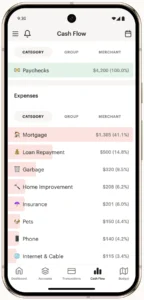
- Dual-Purpose Utility: Seamlessly merges granular transaction budgeting and cash flow analysis with portfolio tracking.
- Collaborative Access: Allows couples to share a single subscription, invite partners to the account, and manage household finances jointly without sharing login credentials.
- UI Customization: Features a modern, ad-free interface with drag-and-drop widgets and custom transaction-tagging rules.
- Reliable Data Connections: Employs multiple sync engines (Plaid, Finicity, and MX), giving users fallback options if a specific bank connection fails.
Areas for Improvement
- Basic Investment Metrics: While it tracks portfolio balances, holdings, and historical returns, its asset allocation breakdown and fund-fee analysis are limited.
- Subscription Model: Lacks a free tier, costing $99 per year after a 7-day trial.
4. Stock Rover
The Verdict: An unmatched research and tracking powerhouse built specifically for active stock and ETF investors.
┌────────────────────────────────────────────────────────┐
│                    STOCK ROVER                         │
├────────────────────────────────────────────────────────┤
│  [Free/Paid]  =======>  Institutional Equity Engine    │
│                             │                          │
│                             ├──> Custom Stock Screeners│
│                             ├──> Fair Value Analysis   │
│                             └──> Portfolio Rebalancing │
└────────────────────────────────────────────────────────┘
Stock Rover is not a casual net worth tracker; it is an institutional-grade investment analysis platform. It caters to investors who pick individual stocks and ETFs, providing deep quantitative metrics, historical financial statements, and advanced portfolio screening tools.
What We Like
- Deep Quantitative Data: Accesses over a decade of financial statements, valuation metrics, and efficiency ratios for thousands of equities.
- Advanced Screeners: Allows users to build complex, multi-factor screening criteria (e.g., finding companies with consistent dividend growth, low debt-to-equity, and high return on invested capital).
- Portfolio Rebalancing Engine: Compares your current portfolio holdings to a target asset allocation and generates specific trade recommendations to bring the portfolio back into alignment.
- Research Reports: Generates comprehensive PDF reports summarizing a company’s financial health, fair value, and competitive advantages.
Areas for Improvement
- Steep Learning Curve: The sheer volume of data and advanced settings can be overwhelming for novice investors.
- Outdated Interface: The desktop-oriented user interface prioritizes utility over modern design aesthetics.
5. Snowball Analytics
The Verdict: The premier platform for dividend-focused investors seeking cash flow visualization and rebalancing tools.
![8 Best Investment Tracking Apps [2026 Guide] – ROB BERGER](https://robberger.com/wp-content/uploads/2023/02/desktop-invst-chek-stock-EMP-1024x748.png)
Snowball Analytics has quickly gained traction among retail investors who prioritize passive income generation. The platform specializes in tracking dividend payments, estimating future cash flows, and managing target asset allocations.
What We Like
- Dividend Income Projections: Offers an intuitive dividend calendar that maps out upcoming ex-dividend and payment dates, projecting monthly and annual cash flows.
- Visual Rebalancing Engine: Helps investors maintain their desired portfolio weights by calculating exactly how much capital needs to be allocated to specific holdings to restore balance.
- Intuitive Dashboard: Displays clean, modern charts showing dividend yields, total return, and asset class distributions.
- Manual and Automatic Options: Supports both automated brokerage sync and manual portfolio uploads via CSV files.
Areas for Improvement
- Cost Scales with Portfolios: The free tier is restricted to tracking one portfolio with a limited number of holdings. Advanced dividend tools require paid tiers ranging from $6.00 to $18.80 per month.
- No General Budgeting: Lacks tools for tracking daily expenses or general cash flow.
6. Simply Wall St.
The Verdict: A highly visual, infographic-driven portfolio analyzer optimized for stock and ETF investors.
Simply Wall St. turns complex financial statements into visual graphics. Using their signature "Snowflake" analysis, the platform evaluates companies across five key metrics: value, future growth, past performance, financial health, and dividend safety.
![8 Best Investment Tracking Apps [2026 Guide] – ROB BERGER](https://robberger.com/wp-content/uploads/2024/01/Kubera-Investment-Dashboard-983x1024.png)
What We Like
- The Snowflake Infographic: Provides a unique, visually intuitive radar chart that instantly reveals a stock’s strengths and weaknesses.
- Global Market Reach: Supports tracking and analysis across more than 2,000 brokerages worldwide, making it highly effective for international investors.
- Automated Portfolio Diagnostics: Analyzes your uploaded or synced holdings to warn you of high portfolio concentration, unprofitable companies, or dividend risks.
- Clean Mobile Experience: Excellent iOS and Android applications optimized for visual reading on the go.
Areas for Improvement
- No Mutual Fund Support: The platform is strictly built for individual equities and ETFs.
- Oversimplification Risk: The highly visual nature of the "Snowflake" model can lead investors to make decisions without reviewing the underlying financial statements.
7. Morningstar Investor
The Verdict: The industry standard for fund analysis, portfolio X-ray diagnostics, and benchmark comparisons.
┌────────────────────────────────────────────────────────┐
│                MORNINGSTAR INVESTOR                    │
├────────────────────────────────────────────────────────┤
│  [$249/Year]  =======>  Proprietary X-Ray Engine       │
│                             │                          │
│                             ├──> Mutual Fund Ratings   │
│                             ├──> Stock & ETF Overlaps  │
│                             └──> Institutional Research│
└────────────────────────────────────────────────────────┘
Morningstar has been a cornerstone of the investment research community for decades. Its modern web platform, Morningstar Investor, brings their proprietary mutual fund rating systems, analyst reports, and legendary "Portfolio X-Ray" tool directly to retail investors.
What We Like
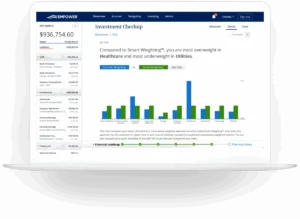
- The Portfolio X-Ray: This tool uncovers asset overlap. If you own multiple mutual funds or ETFs that hold the same underlying stock (such as Apple or Microsoft), the X-Ray calculates your true exposure to that single security.
- Analyst Ratings and Commentary: Access to Morningstar’s independent star ratings and qualitative research reports written by professional analysts.
- Benchmark Performance Tracking: Allows you to compare your actual portfolio returns against custom benchmarks, such as the S&P 500 or global allocation indexes.
Areas for Improvement
- Performance Tracking Requires Manual Entry: While you can link accounts to analyze holdings, tracking historical performance over time often requires manual portfolio setup.
- Premium Pricing: Priced at $249 per year (frequently discounted to $199 for the first year), making it one of the more expensive tools on the market.
8. Quicken Premier
The Verdict: The definitive desktop application for legacy users prioritizing offline data security and tax preparation.
![8 Best Investment Tracking Apps [2026 Guide] – ROB BERGER](https://robberger.com/wp-content/uploads/2025/08/Screenshot-2025-08-03-at-1.10.26-PM-1024x455.png.webp)
Quicken Premier remains a powerhouse in the wealth-tech space. Unlike modern cloud-first SaaS platforms, Quicken offers a robust desktop-native environment that appeals to users who want absolute control over their local financial database.
What We Like
- Tax Schedule Generation: Automatically categorizes investment transactions to prepare Schedule D capital gains tax forms and integrates directly with TurboTax.
- True Offline Capabilities: Allows users to store their financial files locally on their hard drives, minimizing exposure to cloud-based data breaches.
- Decades of Refinement: Handles complex financial scenarios, such as tracking stock options (RSUs, ESPPs), cost basis adjustments, and realized/unrealized gains.
Areas for Improvement
- Dated User Interface: The software can feel heavy, cluttered, and less intuitive than modern web-based alternatives.
- Annual Subscription Fee: Unlike legacy versions of Quicken that could be purchased once, the modern software requires an annual fee of approximately $75 to maintain automatic institution syncing.
4. Official Responses and Technical Infrastructure
To evaluate the security, reliability, and monetization models of these platforms, we examined their technical architecture and the industry standards governing third-party financial applications.
Security and Data Privacy Protocols
Every app evaluated in this report operates under strict, read-only parameters. This means that even if a platform’s servers were compromised, an unauthorized actor could not execute trades, withdraw funds, or transfer assets out of your accounts.
![8 Best Investment Tracking Apps [2026 Guide] – ROB BERGER](https://robberger.com/wp-content/uploads/2024/07/2024-07-16_07-42-34-1024x743.png.webp)
- API Integration Standards: Modern platforms connect to financial institutions via secure APIs managed by third-party aggregators such as Plaid, Yodlee, MX, and Salt Edge. These aggregators use bank-grade 256-bit AES encryption to transmit data.
- OAuth (Open Authorization): Increasingly, platforms utilize OAuth connections. Instead of entering your bank credentials into the tracking app, you are redirected to your bank’s portal to authorize read-only access. The tracking app never sees or stores your password.
- SOC 2 Compliance: Leading paid platforms, such as Monarch Money and Kubera, maintain SOC 2 Type II certifications, confirming that their security practices are audited by independent third-party firms.
The Monetization Debate: Subscriptions vs. Wealth Upselling
A critical distinction among these applications is how they fund their development and maintain infrastructure:
                  MONETIZATION MODELS
                           │
         ┌─────────────────┴─────────────────┐
         ▼                                   ▼
  [Subscription Model]               [Upsell/Ad Model]
  - Paid annual/monthly fees          - Free platform access
  - No data sales or ads             - Upsells human advisory services
  - User is the customer             - User is a lead for advisory
- (Kubera, Monarch, Morningstar) - (Empower)- The Subscription Model (e.g., Kubera, Monarch Money, Morningstar): These platforms charge flat monthly or annual fees. In return, they commit to zero advertising, no third-party data monetization, and no upselling of financial products. This aligns the software’s incentives directly with the user’s utility.
- The Upsell Model (e.g., Empower): Empower offers its entire suite of tools free of charge. Their business model relies on converting software users into wealth management clients. If an investor links a portfolio exceeding $100,000, Empower’s registered investment advisors may reach out to offer paid wealth management services (typically charging ~0.89% of assets under management for portfolios under $1 million).
5. Implications: The Future of Wealth Tech and DIY Investing
The rapid adoption of sophisticated portfolio tracking applications has profound implications for both individual investors and the broader wealth management industry.
The Demise of the 1% AUM Advisor Fee
Historically, retail investors paid financial advisors an annual fee of 1% or more of their Assets Under Management (AUM) simply to aggregate accounts, calculate asset allocation, and rebalance portfolios.
![8 Best Investment Tracking Apps [2026 Guide] – ROB BERGER](https://robberger.com/wp-content/uploads/2026/01/Screenshot-2026-01-13-at-7.32.22-AM-1024x607.png.webp)
With tools like Empower, Snowball Analytics, and Morningstar Investor, disciplined DIY investors can automate these analytical processes for a fraction of the cost. This shift has driven the growth of "flat-fee" and "hourly" financial planning, as clients increasingly manage their daily portfolio tracking independently.
The Rise of Multi-Asset Portfolios
Modern retail portfolios are no longer limited to domestic mutual funds. The accessibility of alternative asset classes—from cryptocurrencies and fractional real estate to private equity—demands platforms that can aggregate unconventional investments. Applications that fail to adapt to this multi-asset reality risk losing market share to platforms like Kubera.
The Integration of Artificial Intelligence
The future of investment tracking lies in predictive analytics. Instead of simply showing historical performance, next-generation tracking tools will use AI to:
![8 Best Investment Tracking Apps [2026 Guide] – ROB BERGER](https://robberger.com/wp-content/uploads/2026/01/Screenshot-2026-01-14-at-6.08.09-AM-1024x591.png)
- Identify tax-loss harvesting opportunities across distinct brokerage platforms.
- Predict cash flow constraints by analyzing budgeting trends alongside dividend payment schedules.
- Provide conversational interfaces, allowing users to ask natural language questions such as, "What is my aggregate exposure to semiconductor stocks across all my retirement and taxable accounts?"
By leveraging these advanced tracking tools, retail investors can make informed, data-driven decisions to secure their financial futures.