Upper East Side Legionnaires’ Outbreak: City Officials Declare Source Eliminated After Five Deaths
NEW YORK — A public health crisis that gripped the Upper East Side for the better part of July appears to have reached a turning point. New York City health officials announced this week that the recent outbreak of Legionnaires’ disease, which resulted in five fatalities and left seven individuals hospitalized, has been contained. With no new cases reported for over a week, the city is shifting its focus from emergency mitigation to long-term investigation and policy refinement.
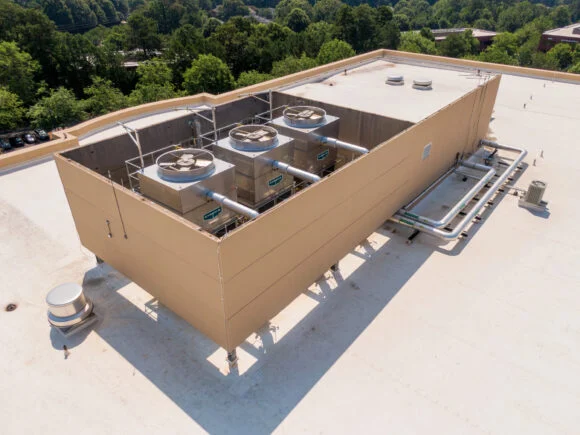
The outbreak, which centered on the Carnegie Hill and Yorkville neighborhoods, prompted a massive, city-led effort to test and sanitize cooling towers—the mechanical systems often implicated in the spread of Legionella bacteria. While the immediate threat is considered neutralized, the incident has reignited debates regarding the efficacy of existing building regulations and the city’s ability to manage recurring public health risks.
The Scope of the Crisis: Key Facts and Figures
Since the first cases were identified on July 2, the Upper East Side has been the site of a significant health emergency. According to the New York City Department of Health and Mental Hygiene (DOHMH), there have been 84 confirmed cases of Legionnaires’ disease tied to this specific cluster.
The affected geographic area—encompassing ZIP codes 10028, 10128, and 10075—is densely populated and home to a high concentration of aging infrastructure. The outbreak has hit particularly hard among vulnerable populations, including older adults and those with compromised immune systems.
The Remediation Process
The city’s response involved an unprecedented logistical operation. Health officials tested the cooling towers of 183 buildings within the target area. The remediation strategy was two-pronged:
- PCR Screening: An initial, rapid test used to identify the presence of Legionella DNA, regardless of whether the bacteria were alive or dead.
- Culture Testing: A more precise, multi-day laboratory analysis used to confirm the presence of live bacteria capable of reproducing and causing infection.
Ultimately, 51 cooling towers across 50 buildings returned positive results for live Legionella bacteria. City officials confirm that every one of these towers has since been fully drained, cleaned, and disinfected.
A Chronology of the Outbreak
The progression of the outbreak was rapid, requiring an aggressive response from the city’s health infrastructure.
- July 2: The first cases of Legionnaires’ disease were reported to the DOHMH, triggering an epidemiological investigation into a potential cluster on the Upper East Side.
- Early-to-Mid July: As cases climbed toward the 84-person threshold, the city expanded its search area, eventually testing 183 cooling towers.
- July 15: The final day a new case was reported. Public health officials observed a slowing of transmission rates, which they attributed to the rapid disinfection of high-risk buildings.
- Late July: Officials confirmed that all positive cooling towers had been remediated.
- Tuesday: NYC Health Commissioner Dr. Alister F. Martin issued a formal statement declaring the source of exposure eliminated.
Supporting Data: Why Cooling Towers Are the Focus
Legionnaires’ disease is a severe form of pneumonia caused by the Legionella bacterium. The disease is not spread person-to-person; rather, it is contracted by inhaling aerosolized water droplets contaminated with the bacteria. Cooling towers, which are used to dissipate heat from large building air conditioning systems, provide an ideal environment for Legionella to thrive if not properly maintained—warm water, high oxygen levels, and the presence of organic matter or sediment.
The Significance of Culture Testing
A critical nuance in the city’s reporting involves the difference between PCR and culture tests. While PCR screening is an excellent tool for rapid response, it can trigger "false alarms" by detecting dead bacterial DNA. The culture test, while slower, is the gold standard for public health because it confirms the bacteria are alive and poses an active threat to the public.
Of the towers tested, 19 returned culture-negative results, while others remain under analysis. The fact that 51 towers were found to contain live, reproducing bacteria suggests that there were multiple potential points of origin, making the containment effort particularly complex.
Official Responses and Accountability
The response to the Upper East Side outbreak has been characterized by a "test-and-remediate" philosophy. Dr. Alister F. Martin, the NYC Health Commissioner, has been at the forefront of the city’s communication strategy.
“We believe that through our aggressive strategy of testing and remediation we have eliminated the source of exposure,” Dr. Martin said in a statement on Tuesday. “We will learn more as our investigation unfolds and look forward to updating our existing policies and procedures to prevent future clusters. Right now, we are focused on identifying the source of exposure through laboratory analyses and holding accountable anyone found out of compliance with local laws.”
The city is currently reviewing the maintenance logs of the buildings where live bacteria were found. Owners found to be in violation of NYC’s strict cooling tower maintenance codes could face fines or legal repercussions. This focus on accountability is intended to serve as a deterrent, ensuring that building managers prioritize the water-quality protocols established after previous outbreaks.
Broader Implications: A Recurring City Challenge
This is not the first time New York City has faced a major Legionella outbreak. Last summer, the Central Harlem neighborhood was the site of an outbreak that resulted in six deaths and over 100 diagnosed cases. In that instance, 12 cooling towers across 10 buildings were identified as the source.
Comparing Outbreaks
The Upper East Side incident was significantly larger in scope than the Harlem outbreak, with more than three times the number of cooling towers being tested. The increased scale suggests that as the city’s climate warms and building density increases, the strain on HVAC infrastructure is growing.
Public health experts point to several systemic challenges:
- Aging Infrastructure: Many older buildings in New York were not designed with modern, automated water-treatment systems for their cooling towers.
- Regulatory Compliance: While NYC has some of the most stringent laws in the country regarding cooling tower registration and inspection, the sheer volume of units makes oversight difficult.
- Climate Change: Rising average temperatures lead to more frequent and intense use of air conditioning, which keeps cooling towers operating at high capacity for longer durations, potentially increasing the risk of bacterial growth.
Looking Toward the Future
As the city pivots from crisis management to long-term prevention, the DOHMH is expected to release a comprehensive report on the Upper East Side outbreak. This report will likely include recommendations for legislative changes, such as more frequent mandatory testing or stricter mandates for chemical treatment of cooling water.
For residents, the message from the Health Department remains one of cautious vigilance. While the immediate threat has been mitigated, the city encourages anyone living in the affected areas to monitor their health. Symptoms of Legionnaires’ disease—which typically appear 2 to 10 days after exposure—include fever, chills, cough, shortness of breath, muscle aches, and headache.
“Our residents deserve a city where they can breathe safely,” said a spokesperson for a local community board. “This outbreak was a wakeup call. We need to move beyond reacting to deaths and move toward a system where our building infrastructure is proactively audited and maintained to the highest standards of safety.”
For now, the silence of new cases serves as a reprieve. As the laboratory analysis concludes and the city processes the data from the 183 tested towers, the Upper East Side will be watching closely to ensure that the "elimination" of the source is not merely a temporary lull, but a permanent restoration of public safety.