The Silicon Dividend: OpenAI’s Bid to Trade Equity for Regulatory Harmony
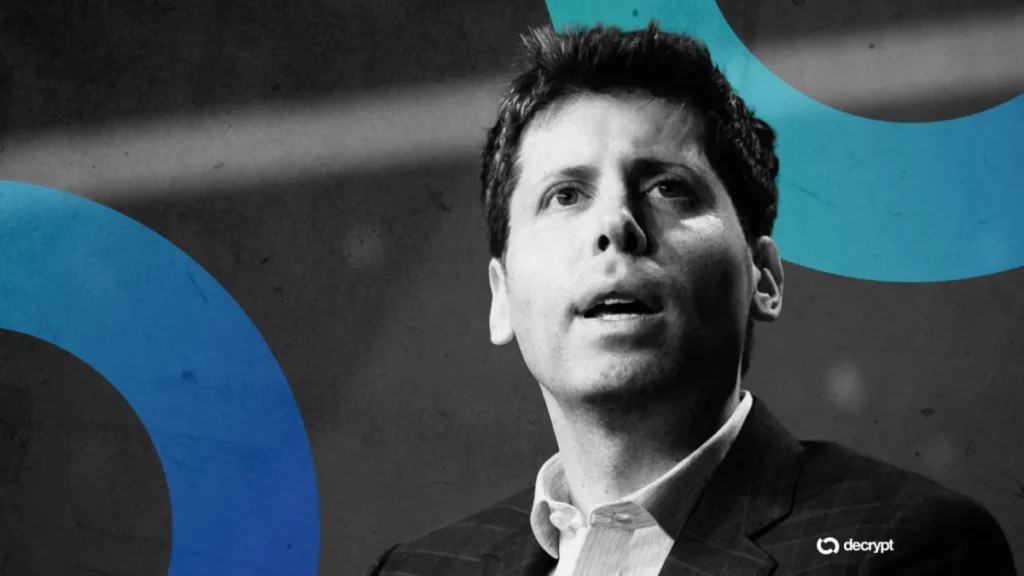
In a move that could fundamentally redefine the relationship between private capital and the American state, OpenAI is reportedly engaged in high-level negotiations with the Donald Trump administration to hand over a 5% equity stake in the company to the U.S. government. The proposal, which would value the government’s slice at approximately $42.6 billion based on OpenAI’s $852 billion valuation from its March funding round, represents a radical shift in corporate diplomacy.
By positioning the move as a mechanism to “democratize” the economic windfall of artificial intelligence, OpenAI CEO Sam Altman is attempting to align the interests of the world’s most influential AI developer with those of the U.S. Treasury. However, the move is widely viewed by analysts as a strategic hedge against mounting regulatory scrutiny and a way to secure a "seat at the table" in an era of aggressive industrial policy.
The Chronology of an Unprecedented Pivot
The proposal emerged from a series of direct dialogues between Sam Altman and the highest levels of the Trump administration, including President Trump himself, Commerce Secretary Howard Lutnick, and Treasury Secretary Scott Bessent.
The timeline of these discussions coincides with a period of intense friction between the AI industry and Washington. In late June, the White House Office of the National Cyber Director intervened in the release of OpenAI’s GPT-5.6, requesting a restricted, phased rollout while federal officials scrambled to finalize a comprehensive testing framework for “frontier” AI models. This followed a turbulent June for Anthropic, which saw its "Mythos 5" and "Fable 5" models placed under emergency export controls after being flagged by the Department of Defense as a "supply chain risk."
While Anthropic navigated the lockdown, OpenAI opted for a path of cooperation, signing federal partnership agreements that many of its peers—including Anthropic—had previously resisted. This willingness to integrate government oversight into its business model suggests that OpenAI views state alignment not as a burden, but as a competitive advantage.
A Sovereign Wealth Model for the AI Age
The structure proposed by Altman draws inspiration from the Alaska Permanent Fund. Established in 1976 to manage the state’s surplus oil revenues, the Alaska model distributes annual dividends to residents, effectively ensuring that the citizenry shares in the wealth generated by natural resources.
Altman’s vision is to apply this logic to the "digital oil" of the 21st century: compute and intelligence. Under the plan, the U.S. government would hold a 5% stake in OpenAI, with the potential for that model to be replicated across the sector. Altman has reportedly lobbied for a coalition of major players—including Anthropic, Google, and Meta—to cede similar equity percentages to a national sovereign wealth vehicle.
As of now, the broader tech sector remains skeptical. None of the other major AI developers have publicly signaled an interest in surrendering significant portions of their equity to federal control, fearing that such a precedent would compromise corporate autonomy and dilute shareholder value.
Supporting Data: The Rise of Government Equity
The Trump administration has increasingly utilized equity stakes as a primary lever for managing the technology sector, signaling a departure from traditional grant-based industrial policy.
Last August, the government executed a landmark deal with Intel, acquiring a 9.9% stake for $8.9 billion by converting CHIPS Act grants into shares at $20.47 per share. Today, that position is valued at well over $50 billion, a return on investment that has clearly emboldened the White House. President Trump has since lamented that the government failed to negotiate an even larger stake, suggesting that future subsidies will come with steeper strings attached.
Furthermore, the administration has successfully compelled companies like AMD and Nvidia to hand over 15% of their China-related chip revenues in exchange for lucrative export licenses. This "revenue-sharing" model, combined with the Intel equity deal, establishes a clear trajectory: if a company wants to operate at the frontier of U.S. policy and profit from federal incentives, it must expect the government to become a permanent minority partner.
Implications for Corporate Governance and IPOs
The implications for OpenAI’s long-term structure are profound. With the company currently navigating a confidential IPO filing and facing a high-stakes probe from a coalition of 42 state attorneys general, the offer of a government stake serves multiple functions:
- Regulatory Immunity: By inviting the government to become a shareholder, OpenAI creates a strong incentive for the state to support the company’s success, effectively shielding it from some of the more aggressive antitrust or safety-focused litigation currently brewing.
- Dilution Management: With both OpenAI and Anthropic reportedly moving toward public offerings, the issuance of a 5% stake to the government would technically precede the public float. While this dilutes current shareholders, it may be a price the company is willing to pay to avoid the "regulatory tax" of hostile federal oversight.
- Political Insulation: Senator Bernie Sanders has recently introduced legislation that would go much further, requiring the largest AI companies to surrender 50% of their equity to a public fund. By preemptively offering 5%, OpenAI is positioning itself as a moderate, cooperative actor, potentially neutralizing more radical legislative threats from the left.
The Challenges Ahead: Congressional Approval and Beyond
While the discussions are currently described as "conceptual and early-stage," they face significant hurdles. Any arrangement involving a government-held stake in a private, high-growth AI firm would likely require Congressional approval. Lawmakers remain deeply divided over the role of government in private markets.
Critics argue that state ownership of AI assets could lead to "crony capitalism," where government regulators have a conflict of interest in overseeing the safety and ethical standards of companies they hold shares in. If the government is a 5% owner of OpenAI, can it objectively regulate OpenAI’s safety protocols?
Moreover, the complexity of valuing an AI company that is not yet public is fraught with risk. OpenAI’s $852 billion valuation is predicated on future growth that is highly dependent on access to energy, hardware, and, most importantly, government-sanctioned licenses. Should the government become a shareholder, it effectively becomes the referee and the player simultaneously.
Conclusion: A New Era of State-Capitalism
If the proposal materializes, it would mark a historic milestone: the first time the U.S. government has held equity in a private AI company of this magnitude. For OpenAI, the trade-off is clear: by giving up a piece of the pie, the company gains a powerful ally in Washington, secures its position against rivals, and potentially sets the standard for how the rest of the industry will interact with the state.
However, the move also signals the end of the "move fast and break things" era of Silicon Valley. We are entering an era of "Silicon State-Capitalism," where the most successful tech firms are no longer independent entities, but rather arms of national industrial policy. Whether this transition will lead to the promised democratization of AI wealth or simply entrench the power of the federal government within the private sector remains the defining question of the decade.
As Congress debates the merits of the proposal and the tech industry watches with bated breath, one thing is certain: the boundary between the boardroom and the Situation Room has never been thinner.