The Silent Monopoly: How Corporate Consolidation is Rewiring the Real Estate Industry
The American housing market, once a bastion of fragmented, local entrepreneurship, is undergoing a profound structural transformation. While headlines remain fixated on high interest rates and institutional home-buying—a phenomenon that actually accounts for only a small fraction of total housing stock—a more insidious, far-reaching force is quietly reshaping the economics of real estate: corporate consolidation.
For the independent real estate investor, this shift is not abstract; it is felt in every invoice, every listing search, and every renovation project. From the plumbing and electrical trades to the supply chains for building materials and the brokerage firms managing property transactions, market power is being concentrated into the hands of a few dominant conglomerates. This article explores the mechanics of this consolidation, the historical policy decisions that enabled it, and the strategies investors must adopt to survive in an increasingly anti-competitive landscape.
The Mechanics of Market Concentration
At its core, corporate consolidation is the process by which a once-diverse industry is absorbed into a handful of massive entities through aggressive mergers, acquisitions, and buyouts. This trend is not new; it has been accelerating across the American economy—from healthcare and banking to grocery retail—for over 40 years. Today, there are an estimated 225 distinct industries in the United States where four or fewer companies control more than 50% of the total market.
In the real estate ecosystem, this consolidation manifests in three primary "buckets":
- The Trades: Private equity firms are "rolling up" fragmented local service providers (HVAC, plumbing, pest control) into national conglomerates.
- Building Materials: A handful of manufacturers now dictate pricing for essential construction supplies, from drywall and lumber to paint.
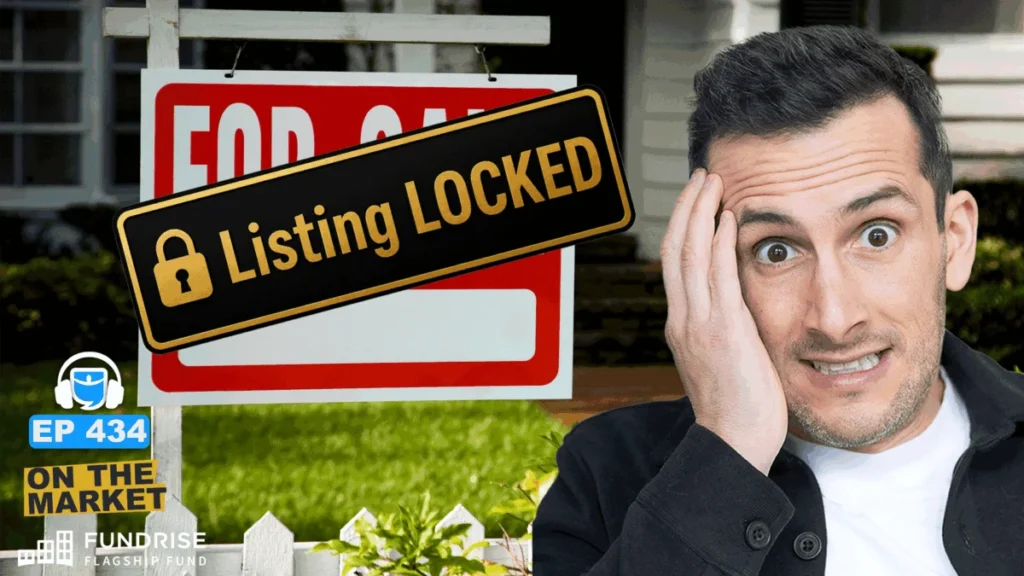
- Real Estate Brokerages: Major national firms are rapidly acquiring smaller brokerages, moving toward a model that threatens the universal access traditionally provided by the Multiple Listing Service (MLS).
A Historical Pivot: The 1982 Antitrust Shift
To understand why this is happening, one must look back to 1982, when the U.S. government fundamentally altered its enforcement of antitrust laws. Prior to this, antitrust regulation was robustly used to protect small businesses and ensure competition. However, a policy shift effectively narrowed the government’s focus, making it much easier for companies to merge without facing federal intervention.
For over four decades, this "hands-off" regulatory environment has incentivized large corporations and private equity firms to pursue market dominance. When competition is stripped away, pricing power replaces market-driven pricing. For the consumer and the investor, this means there is nowhere else to go. You are forced to pay the premiums dictated by these centralized entities, as the local competitors who once kept prices in check are either absorbed or forced out of business.
The Three Pillars of Impact
1. The Erosion of the Local Trades
For generations, the "trades"—the backbone of real estate maintenance—were composed of tens of thousands of family-owned businesses. Today, private equity firms are systematically acquiring these companies. The playbook is consistent: buy the local operator, centralize the back-office operations, standardize pricing, and optimize for profit.
Critically, these conglomerates often keep the original local branding. An investor may think they are calling a trusted, neighborhood-based contractor, but they are actually being routed to a national call center utilizing dynamic pricing software. While these larger firms may offer better scheduling tools, the trade-off is the loss of "loyalty pricing" and the personal touch that often kept costs reasonable for long-term clients. Data suggests that as these roll-ups occur, prices for services inevitably rise, with nearly 84% of HVAC businesses acquired by private equity raising their prices post-acquisition.
2. The Material Cost Squeeze
Building material costs have surged, far outpacing general inflation. While supply chain disruptions during the COVID-19 pandemic were a catalyst, the underlying market structure was already heavily concentrated.
The paint industry serves as a stark example: just three companies control over 70% of the market. When five or fewer companies control the supply of drywall or lumber, the competitive incentive to lower prices is eliminated. These companies are not necessarily acting as an illegal cartel, but they share a common incentive to keep margins high. As a result, the investor is hit with a "double whammy": they are paying higher labor costs to a consolidated contractor, who in turn is charging more for the consolidated materials they must purchase.
3. Brokerage Consolidation and the MLS Threat
The real estate brokerage sector is currently seeing rapid consolidation. Giants like Compass, Anywhere Advisors, and EXP now command a significant portion of national transaction volume. While some consolidation is natural in a competitive market, the trend poses a threat to the MLS—the "great equalizer" that provides transparency to all agents and investors.
There is a growing trend of large brokerages attempting to keep listings "in-house," creating private listing networks that exclude outside agents. If this practice becomes the industry standard, sophisticated investors who rely on the broad, equal access provided by the MLS will lose their competitive edge. The ability to find off-market deals is being jeopardized by a shift toward proprietary, gated listing systems.
Strategic Implications for Investors
The consolidation of these industries is a structural shift, not a cyclical one. Investors waiting for "the market" to return to 2019 norms are likely to be disappointed. To maintain profitability, investors must change their tactics.
Building Relationship-Based Defenses
If the economy is becoming more automated and corporate-driven, the most valuable assets an investor can possess are genuine human relationships.
- Protect Contractor Relationships: In an era of national conglomerates, the independent plumber or electrician who values a long-term partnership is worth their weight in gold. Treat these professionals as partners, pay them promptly, and provide them with referrals to ensure they remain viable alternatives to the corporate giants.
- Cultivate Off-Market Networks: Given the threat to MLS transparency, investors should lean harder into personal networking. Directly connecting with local listing agents, wholesalers, and other investors can help you circumvent the friction of consolidated brokerage networks.
Collective Action
Small-to-medium-sized investors lack the individual leverage to compete with hedge funds, but they can replicate some of those advantages through collective action. By participating in local meetups, sharing resources on industry forums, and joining professional organizations, investors can pool their purchasing power. Organizations like BiggerPockets are currently leading this charge by offering "Pro Perks," which allow independent investors to access institutional-level discounts on insurance and financing.
Conclusion
The rise of corporate consolidation in real estate is a structural reality of the modern American economy. It has been decades in the making and is unlikely to be reversed by current legislative trends. While the consolidation of services, materials, and brokerages may make it harder for the "small guy" to compete, it does not make success impossible.
The investors who will thrive in the coming decade are those who stop blaming external market forces and start adapting their strategies. By prioritizing high-touch human relationships, fostering local networks, and utilizing collective bargaining power, independent investors can navigate this new landscape. Real estate remains a relationship business—and that is the one thing corporate consolidation cannot fully replace.