The Roof Over Your ROI: How New Federal Insurance Rules Are Reshaping Real Estate Risk
For real estate investors, the margin between a profitable rental and a financial liability is often razor-thin. In recent years, that margin has been squeezed by rising interest rates, inflationary maintenance costs, and a cooling housing market. Now, a quiet but seismic shift in federal policy has introduced a new variable that could turn a routine weather event into a catastrophic financial loss for property owners.
The Federal Housing Finance Agency (FHFA) has officially authorized Fannie Mae and Freddie Mac to accept homeowner insurance policies based on "Actual Cash Value" (ACV) for roofs, a departure from the long-standing industry standard of "Replacement Cost Value" (RCV). While framed by regulators as a strategy to lower monthly mortgage payments for homebuyers, the move essentially offloads the massive financial burden of roof restoration from insurers onto the shoulders of property owners. For investors, this represents a fundamental shift in risk management that could threaten long-term cash flow.
The Mechanics of the Policy Shift
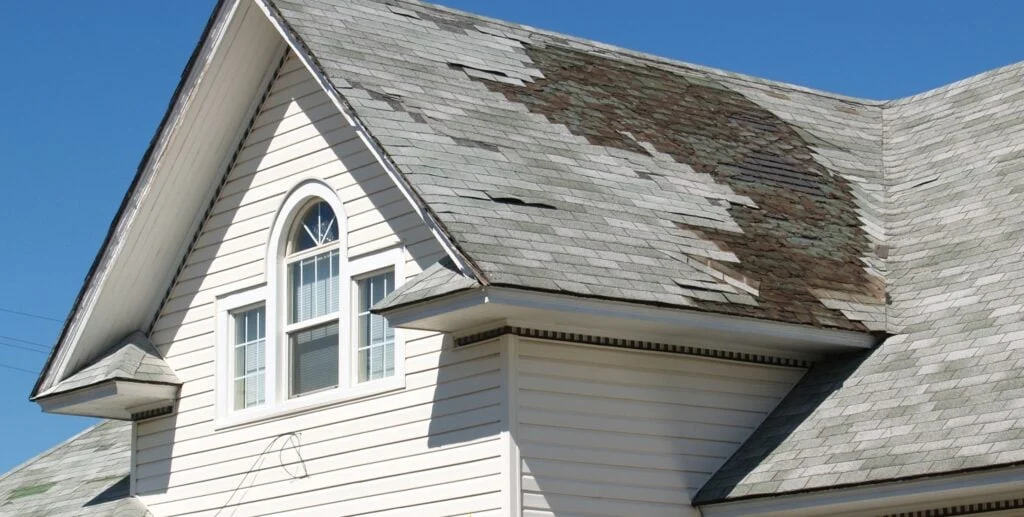
To understand the gravity of this change, one must distinguish between the two primary methods of property valuation in insurance. Under a traditional Replacement Cost policy, if a storm destroys your roof, the insurance company pays to replace it with a new one of like kind and quality, regardless of the age of the original materials.
Under the new ACV standard, the insurer only covers the depreciated value of the roof. If you have a 15-year-old roof with an expected 20-year lifespan, the insurer will subtract 75% of the replacement cost due to depreciation. In an era where a full roof replacement can easily range between $15,000 and $30,000, an ACV payout might cover only a fraction of the bill.
The FHFA’s decision allows lenders backing mortgages through Fannie Mae and Freddie Mac to accept these lower-tier insurance policies as compliant with loan requirements. While not mandatory for homeowners to choose, it creates an environment where budget-conscious investors may opt for cheaper monthly premiums, unknowingly leaving their capital assets—and their underlying investment strategy—dangerously exposed.
Chronology of a Regulatory Pivot
The shift did not happen in a vacuum. It follows years of mounting pressure on the insurance industry, which has been battered by a decade of "unprecedented" extreme weather events.
- 2014–2023: The insurance industry records a decade of record-breaking climate-related losses. Data from the Wall Street Journal indicates that the five largest U.S. home insurers failed to pay out on nearly 44% of claims resolved in the previous year, a significant jump from 36% just a decade prior.
- March 2026: The FHFA announces that Fannie Mae and Freddie Mac will broaden their insurance requirements. The policy is designed to combat rising premiums by allowing homeowners to opt for cheaper, lower-coverage ACV policies.
- Summer 2026: As the country enters peak hurricane and hail season, insurance brokers begin notifying landlords that their existing policies may need to be restructured to remain competitive, pushing many toward ACV options to keep debt service coverage ratios intact.
- Present Day: Investors are now navigating a landscape where the "American Dream" of homeownership is being subsidized by the erosion of comprehensive property protection, leaving landlords to wonder who holds the bag when the next major storm hits.
Supporting Data: The Cost of "Saving" Money
The allure of ACV insurance lies in the immediate cash flow benefit. Premiums for ACV policies are typically 10% to 20% lower than those for replacement cost coverage. For an investor managing a portfolio of 10 or 20 properties, this could translate into thousands of dollars in annual savings.
However, industry experts warn that this is a classic "penny-wise, pound-foolish" scenario. Lindsay Frangie, a Georgia-based branch partner at the lending firm Alcova Mortgage, described the strategy as "a Band-Aid on a bullet wound."
The math is stark: If a $20,000 roof is damaged, and the insurer dictates that the roof has already lost 60% of its value due to age, the landlord receives an $8,000 check. The landlord must then produce $12,000 out-of-pocket to complete the repair. For many investors, a sudden $12,000 expense is enough to eliminate the entire year’s cash flow from that property, potentially leading to a default if the landlord lacks liquid reserves.
Official Responses and Political Rhetoric
The government’s rationale for this shift is rooted in the current political climate, which prioritizes immediate housing affordability over long-term risk mitigation. FHFA director William J. Pulte championed the move in a recent press release, characterizing it as a correction of past mandates.
"Thanks to President Trump’s landslide victory, we are replacing a disruptive and expensive Biden insurance mandate with common-sense policies for today’s market," Pulte stated. "Lower insurance costs and mortgage rates shrink the monthly payment of a new mortgage, giving new homebuyers confidence that they can afford the American dream."
Critics, however, argue that this "common-sense" approach ignores the realities of climate change and the growing frequency of catastrophic weather. By removing the mandate for full replacement coverage, the federal government is effectively inviting a systemic vulnerability into the housing market, one that could lead to widespread deferred maintenance and blighted properties in storm-prone regions.
Implications for Investors: The "Secret Playbook"
The risks are compounded by the increasingly litigious and complex nature of the insurance industry. As noted by legal experts, some insurance carriers have been accused of using "secret playbooks" to deny claims through obscure policy language.
Lawsuits, such as those filed against State Farm by hundreds of Oklahoma residents, allege that insurance providers use vague definitions to avoid paying for roof replacements. If an investor is operating under an ACV policy, the "gap" between the payout and the actual cost of repair gives insurers even more leverage to minimize their liability.
Furthermore, the rise of drone-based monitoring has changed the game for property maintenance. Insurance companies are now actively monitoring roof conditions from the air. Any sign of a temporary repair, such as a tarp, can trigger an immediate policy cancellation or a massive hike in premiums. As Al Brooks of J.P. Morgan noted, "If they drone your property and see the tarps, you’re probably getting dropped."
Strategic Recommendations for Real Estate Portfolios
For the sophisticated investor, the current environment demands a move away from "one-size-fits-all" insurance strategies. Instead, consider the following steps:
- Audit Your Declarations Page: Do not rely on your agent’s summary. Review the actual declarations page of your policy to determine exactly how your roof is covered. If you have an ACV policy, inquire about "Guaranteed Replacement Cost" endorsements.
- Portfolio-Level Structuring: Investors with multiple properties should avoid individual, fragmented policies. Consult with a commercial broker to structure a portfolio-level policy that provides consistent coverage terms and better leverage during negotiations with carriers.
- Prioritize Capital Expenditures (CapEx): If you are in a high-risk weather zone, treat roof maintenance as a non-negotiable line item. Replacing an aging roof before it fails is often cheaper than fighting an insurance company over an ACV payout after a storm.
- Shift the Mindset: As Mark Cuban noted, insurance is becoming the primary driver of housing affordability, eclipsing interest rates in many markets. View insurance not as a sunk cost to be minimized, but as a critical component of your operational risk management.
Conclusion: Protecting the Asset
The shift toward ACV insurance is a symptom of a larger, systemic problem in the housing market: the collision of extreme climate risks with the urgent need for affordability. While the federal government has opened the door for investors to save on premiums, doing so is an act of high-stakes gambling.
Investors must remain vigilant, prioritize the structural integrity of their assets, and resist the temptation to sacrifice long-term solvency for short-term cash flow gains. In an era where "unprecedented" has become the new normal for weather, the only true insurance against disaster is a robust, well-funded, and properly structured portfolio that can weather the storm—literally and figuratively.