The Reclaiming of He Sapa: A Decolonial Movement for the Black Hills
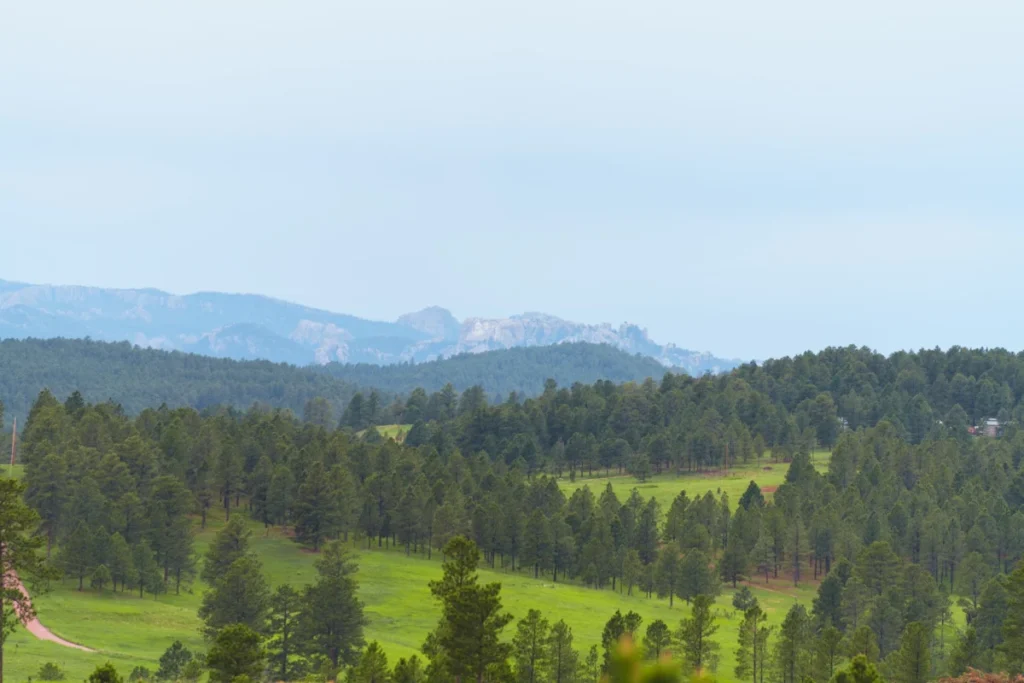
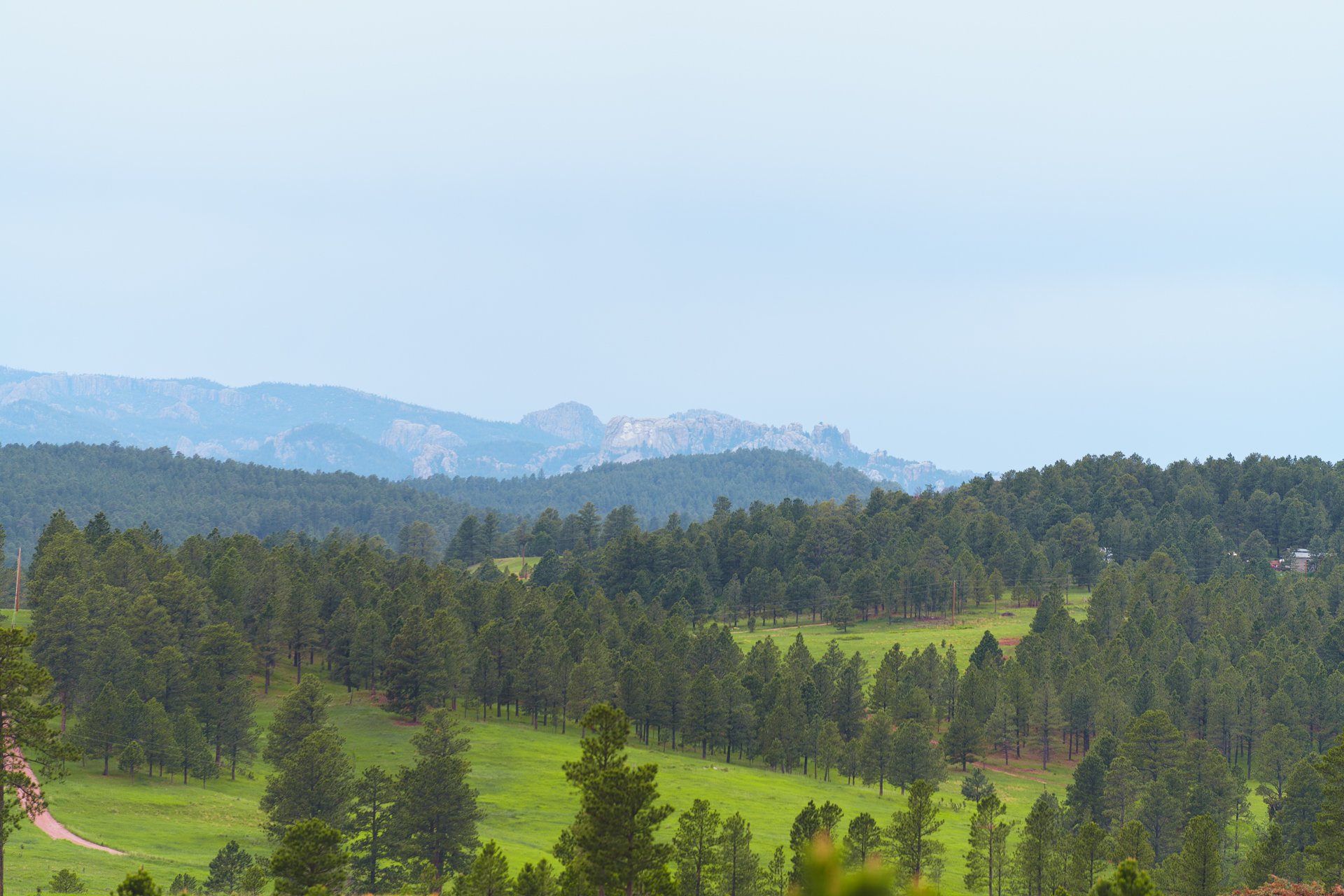
The struggle for the Black Hills—known to the Lakota people as He Sapa—has reached a historic inflection point. For over a century, these mountains have been the center of a profound legal and moral dispute between the United States government and the Oceti Sakowin (Great Sioux Nation). Today, a coalition of tribal leaders, grassroots activists, and indigenous organizations, spearheaded by the NDN Collective, is shifting the narrative from litigation to restoration. Through the proposed "Sacred He Sapa Restoration Act," the Lakota people are seeking the federal return of approximately 80 percent of public lands within the Black Hills, asserting that the fight for land is not merely a political dispute, but a fundamental act of survival and cultural preservation.
The Core of the Movement: The Sacred He Sapa Restoration Act
At the heart of this contemporary movement is the drafting of the Sacred He Sapa Restoration Act. This legislative effort represents a departure from traditional, protracted court battles. Instead, it invites Congress to exercise its plenary power to return federal public lands to their original stewards.
The rationale behind the act is rooted in the 1868 Fort Laramie Treaty, a document that guaranteed the Black Hills to the Great Sioux Nation. The subsequent seizure of the land by the U.S. government—driven by the discovery of gold—has been characterized by the Supreme Court as one of the most egregious violations of treaty law in American history. By advocating for the transfer of 80 percent of the federal land back to the Lakota, the movement aims to move beyond monetary compensation—which the tribes have famously rejected for decades—and toward actual land stewardship.
A Chronology of a Centuries-Long Struggle
The fight for He Sapa is not a recent phenomenon; it is an intergenerational commitment to the land.
- 1868: The Fort Laramie Treaty is signed, establishing the Great Sioux Reservation and guaranteeing the Black Hills to the Lakota people "in perpetuity."
- 1877: Following the discovery of gold, the U.S. government unilaterally seizes the Black Hills, violating the 1868 treaty.
- 1980: In United States v. Sioux Nation of Indians, the Supreme Court rules that the seizure was illegal and orders compensation. The Sioux Nation refuses the payout, declaring, "The Black Hills are not for sale."
- 2020: Indigenous organizations, led by the NDN Collective, begin an intensive, modernized campaign to draft federal legislation to return the land, rather than seeking financial restitution.
- December 2025: The LANDBACK For The People podcast highlights the deep spiritual and cultural significance of the region, featuring elders like Robert Two Crow and Richard Moves Camp, who frame the movement as a sacred duty.
- June 9, 2026: A landmark moment occurs when all nine South Dakota tribes pass formal resolutions supporting the development of legislation to return federal lands to the Oceti Sakowin.
Supporting Data: Mining Claims and Environmental Stewardship
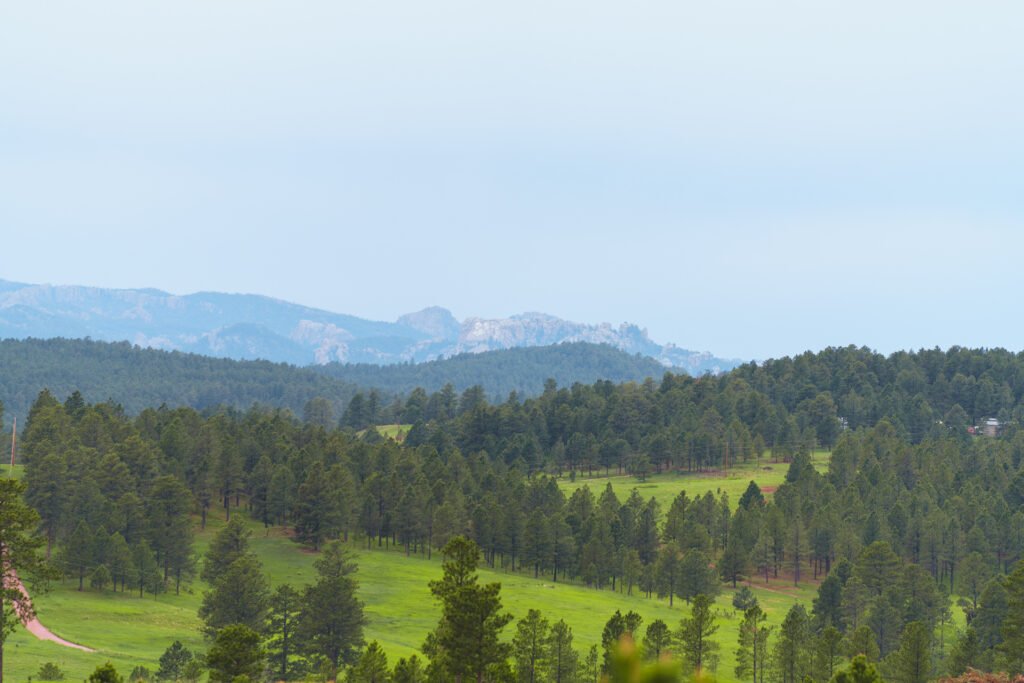
The urgency of the LANDBACK movement is underscored by the environmental degradation currently threatening the region. For years, the Black Hills have been subjected to industrial mining, which poses a significant risk to the water tables and the ecological integrity of the sacred landscape.
According to data from the Black Hills Clean Water Alliance, there has been a notable shift in the land use landscape. Between September 2025 and July 2026, active mining claims in the Black Hills decreased by 20 percent. While this is a significant victory for local organizers and environmental advocates, approximately 17 percent of the Black Hills remains under active mining claims.
The reduction in claims is attributed largely to sustained community pressure, the filing of public comments, and constant monitoring of drilling projects. The NDN Collective and their allies argue that the restoration of tribal management is the most effective way to ensure the long-term protection of the region’s drinking water and the preservation of sacred sites that are currently being compromised by extraction industries.
Official Responses and the Power of Unified Leadership
The unity displayed by the nine South Dakota tribes in June 2026 marked a pivotal shift in the political landscape. By aligning behind a single legislative goal, the tribes have effectively countered the divide-and-conquer strategies often employed by state and federal interests.
Joseph Brings Plenty Sr., District 5 Council Representative for the Cheyenne River Sioux Tribe, framed this unity as a necessary evolution of indigenous resistance. "Crazy Horse set the bar on how to move as Indigenous people, and how important it is to defend the Black Hills," he stated. "Together, we are strong—we need to be stronger than ever because we are fighting for our existence on our very own land."
This sentiment is echoed by cultural leaders such as Richard Moves Camp, who has emphasized that the movement must be rooted in prayer and traditional values. Moves Camp notes that while the modern world views gold as a commodity to be exploited, the Lakota have always understood it as a tool for repair—never a "God" to be worshipped through destruction.
The Philosophical and Cultural Implications
The LANDBACK movement is fundamentally a project of decolonization. As Anissa Martin, an advocate and participant in the movement, notes, "LANDBACK is a responsibility. A responsibility for not only to fight for the land, not only to carry on the fight for our ancestors and our elders, but a responsibility to the land and to the water as a relative and as the original caretakers of the land."
This perspective shifts the conversation from property rights to kinship. For many young Lakota, the LANDBACK movement is a means of reclaiming identity in the face of modern capitalism. Robert Two Crow, a respected educator and language champion, has frequently addressed the younger generation, reminding them that the loss of language and the imposition of capitalist structures were not their fault. Instead, he encourages a focus on rebuilding a sovereign nation that can operate on its own terms—a nation that, as he reminds his listeners, once stood as a powerful entity capable of defeating the world’s largest military power of the 19th century.
How the Public Can Participate
The movement to return the Black Hills is increasingly calling for broader public engagement. Whether or not one is an indigenous resident of the region, the strategies for support are clear:
- Public Advocacy: Monitoring and participating in public comment periods for mining and drilling projects is essential. Every comment submitted against destructive projects adds to the administrative burden for corporations and forces regulators to account for environmental impacts.
- Political Pressure: With elections approaching, the movement encourages citizens to directly question candidates at town halls and forums. Asking, "Do you support the historic, unified tribal strategy to return federal lands in the Black Hills?" forces politicians to take a public stance on an issue that has long been sidelined in mainstream discourse.
- Educational Outreach: Understanding the history of the 1868 Fort Laramie Treaty and the contemporary legislative efforts is the first step in dismantling the myths surrounding the "public" nature of these lands.
Conclusion
The movement for the Black Hills is no longer a distant, legalistic abstract. It is a vibrant, organized, and politically unified campaign that seeks to restore the relationship between the Oceti Sakowin and their ancestral home. By combining the wisdom of elders with the tactical energy of modern community organizing, the advocates of the Sacred He Sapa Restoration Act are challenging the nation to live up to its promises. As the movement continues to gain momentum, the question is not whether the land will be returned, but how the American political system will respond to the inevitable demand for justice, sovereignty, and the return of the sacred.