The Prodigal Disruptor: Sean Parker’s Calculated Pivot to AI-Powered Music
By Tech Insights Bureau
October 2, 2026
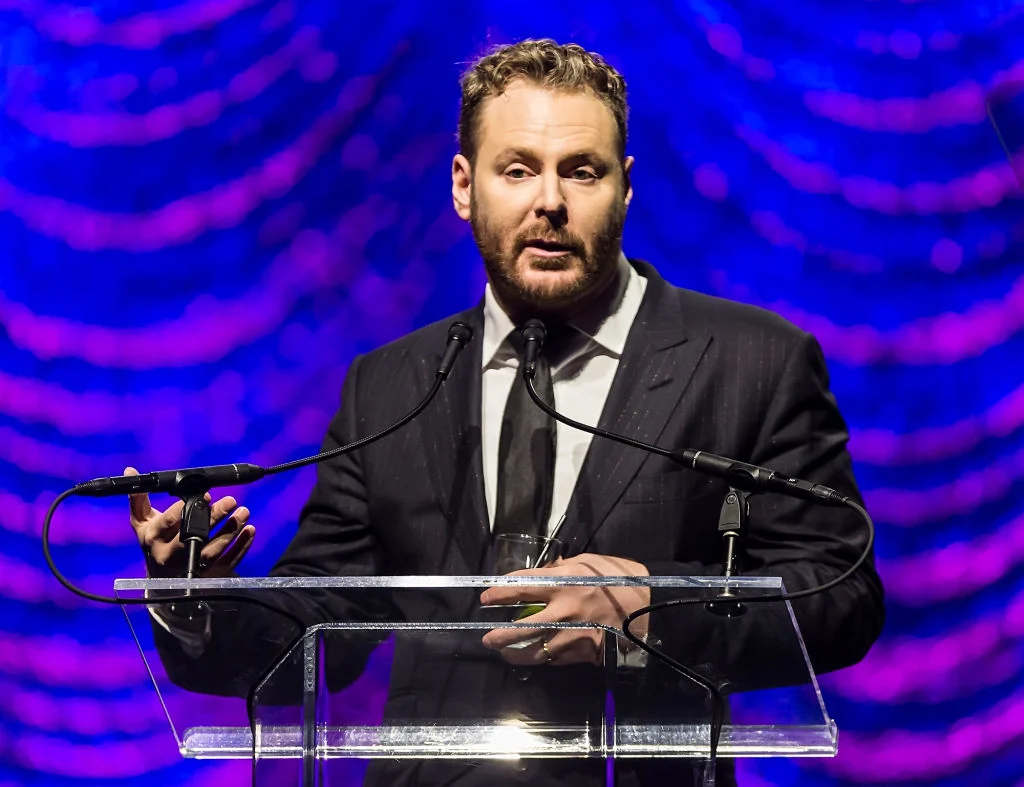
Two decades after he famously shook the foundations of the global music industry with the peer-to-peer file-sharing service Napster, Sean Parker is returning to the studio. However, this time, the narrative arc is defined not by scorched-earth disruption, but by a strategic embrace of the very systems he once sought to circumvent.
In a candid interview with The Information, Parker, the former president of Facebook and early architect of the digital music revolution, confirmed that he is spearheading a massive shift at Stability AI. His goal: to position the company as the premier toolmaker for the modern music industry. But perhaps most significantly, Parker is doing it by “playing by the rules”—a sharp departure from the “ask for forgiveness, not permission” ethos that defined his early career and ultimately led to Napster’s legal demise in the early 2000s.
The Evolution of an Industry Agitator
To understand the weight of Parker’s current venture, one must first revisit the cultural tectonic shift he triggered in 1999. Napster was a paradigm-shifting phenomenon that effectively signaled the end of the physical media era. While it democratized access to music, it did so at the expense of established labels, leading to a protracted and fatal legal battle that left an indelible mark on Parker’s reputation.
Today, as the music industry grapples with the existential implications of generative AI, Parker finds himself on the opposite side of the fence. He acknowledges that his previous approach was unsustainable. “Asking for forgiveness rather than permission didn’t work out so well,” Parker admitted. His current strategy reflects a maturation—a synthesis of his technological foresight and a newfound respect for the intellectual property frameworks that sustain the creative economy.
Chronology: From Stability’s Brink to a New Harmony
The road to this pivot began during a period of significant volatility for Stability AI.
- 2023–2024 (The Turmoil): Stability AI, once a poster child for the generative image boom, faced a series of catastrophic headwinds. Following internal conflicts, financial instability, and the eventual ouster of founder Emad Mostaque, the company teetered on the brink of collapse.
- June 2024 (The Rescue): In a pivotal move, Sean Parker joined an $80 million capital injection to rescue the company. This move brought in fresh leadership, including his longtime associate Prem Akkaraju as CEO.
- August 2026 (The Strategic Pivot): Stability AI successfully closed a $76 million funding round. Notably, this round included heavy hitters from the music industry—Sony, Warner, and Universal Music Group. This wasn’t just a capital investment; it included licensing agreements, allowing the labels to authorize the use of their vast catalogs to train Stability’s proprietary audio models.
- October 2026 (The Launch): Stability AI officially unveiled its suite of audio-generative tools and AI-assisted music editing software, signaling a new era of creator-focused AI development.
The Technological Architecture: What Stability AI is Building
Stability AI’s new product suite is designed to cater to a spectrum of users, ranging from hobbyists looking to experiment with soundscapes to professional producers seeking to streamline their workflows.
The Audio Model Suite
The company has released three core audio models capable of generating high-fidelity instrumental tracks, sound effects, and musical snippets based on natural language prompts. Unlike early AI tools that produced discordant, low-quality audio, Stability’s latest iteration focuses on professional-grade output that can be integrated into digital audio workstations (DAWs).
Human-in-the-Loop Innovation
Perhaps the most ambitious feature on the horizon is the upcoming interface for intuitive creation. Parker revealed that future updates will allow users to “hum a melody or beatbox a drum pattern” to steer the AI. This effectively removes the friction between a musician’s spontaneous creative impulse and the digital execution of that idea. By allowing the AI to act as a reactive, intelligent collaborator, Parker hopes to move beyond text-to-audio and into the realm of “gesture-to-music.”
Supporting Data: Why the Majors Signed On
The inclusion of Universal, Sony, and Warner in Stability’s latest funding round is arguably the most significant development in the company’s recent history. For decades, these labels have been the primary gatekeepers of copyright and distribution. Their willingness to partner with a generative AI company suggests a shift in strategy: if you cannot stop the advancement of AI, you must control the data upon which it is trained.

By licensing their catalogs for training, the labels are creating a “safe” ecosystem. They ensure that their artists’ work is used under a structured legal framework, effectively insulating themselves from the kind of copyright litigation that has plagued other AI companies like OpenAI or Midjourney. For Parker, this is the ultimate act of “playing by the rules.” He is providing the labels with a toolset that potentially adds value to their catalogs rather than cannibalizing them.
Official Responses and Industry Sentiment
While the partnership between Stability AI and the major labels is being hailed as a milestone, the broader music community remains cautious.
In a statement following the funding announcement, representatives from the participating labels highlighted the importance of "responsible AI." The goal, they noted, is to ensure that the human element of music remains protected while embracing technological efficiencies.
Parker himself has been vocal about the necessity of this approach. In his interview with The Information, he emphasized that the current era of generative AI represents a "second chance" to get the music industry’s digital transformation right. He believes that by integrating AI into the professional production workflow rather than bypassing the label structure, he can avoid the legal pitfalls of his youth while still delivering transformative technology.
Implications: The Future of the Creative Economy
The shift toward AI-powered music production has profound implications for the industry at large.
1. The Democratization of Professionalism
With tools that allow users to generate complex arrangements via beatboxing or humming, the barrier to entry for music production is dropping significantly. However, this also raises questions about the future value of session musicians and producers. If a producer can generate a studio-quality saxophone solo in seconds, the role of the human instrumentalist may evolve toward a more editorial or directorial function.
2. The New Copyright Frontier
By training models on licensed catalogs, Stability AI is setting a precedent for "ethical AI." Yet, this also creates a potential stratification of the industry. Only companies with the capital to pay for massive, high-quality licensed datasets will be able to compete with the likes of Stability AI, potentially leading to an oligopoly in the generative music space.
3. Parker’s Legacy
Sean Parker’s career is a testament to the idea that technology is not inherently good or evil; its impact depends on the context of its deployment. By moving from an anti-establishment insurgent to an industry-partnered innovator, Parker is signaling that the era of "move fast and break things" in the music industry has given way to an era of "move fast and build systems."
Conclusion
As we look toward the remainder of 2026 and into 2027, the impact of Stability AI’s new tools will be closely watched. The music industry has long feared the "black box" of AI, worrying that it would lead to a flood of low-quality, derivative, and unlicensed content.
Sean Parker’s current trajectory suggests he has learned the hard lessons of the early digital music era. By aligning himself with the very entities he once fought, he is attempting to construct a framework where innovation and regulation can coexist. Whether this synthesis will successfully stave off the chaos of the early Napster days or simply create a new set of centralized challenges remains to be seen. One thing is certain: the music industry is no longer in the business of fighting the machine—it is now in the business of teaching the machine how to sing.