The Post-Mint Era: Navigating the Top 7 Alternatives for Financial Management
When Mint launched in 2007, it revolutionized personal finance by democratizing access to automated budgeting tools. For over a decade, it served as the digital ledger for millions, providing a bird’s-eye view of net worth, spending habits, and investment performance. However, the landscape of personal finance software has shifted dramatically following Intuit’s decision to shut down Mint.com. For the millions of users displaced by this closure, the search for a robust, reliable, and user-friendly successor has become a top priority.
After extensive, long-term testing of the current market offerings, I have curated a list of the seven most viable alternatives. Whether you are a casual budgeter or a power user who tracks complex investment portfolios, the following platforms offer the functionality needed to fill the void left by Mint.
The Chronology of a Digital Shift
The closure of Mint was not a sudden event, but rather the culmination of a strategic pivot by its parent company, Intuit. Having acquired Mint in 2009 for approximately $170 million, Intuit integrated the platform into its broader ecosystem for years. However, in late 2023, the company announced its intention to sunset the standalone Mint app, effectively migrating its focus toward "Credit Karma," a platform more heavily geared toward credit monitoring and financial product recommendations rather than comprehensive budgeting.
This transition forced a mass migration of users. While some found the transition to Credit Karma sufficient, many others—who relied on Mint’s granular transaction categorization, custom budget rules, and investment tracking—found the new experience lacking. This vacuum triggered a competitive scramble among independent fintech startups and established financial software providers to capture the millions of "orphaned" Mint users.
1. Monarch Money: The Gold Standard for Modern Budgeting
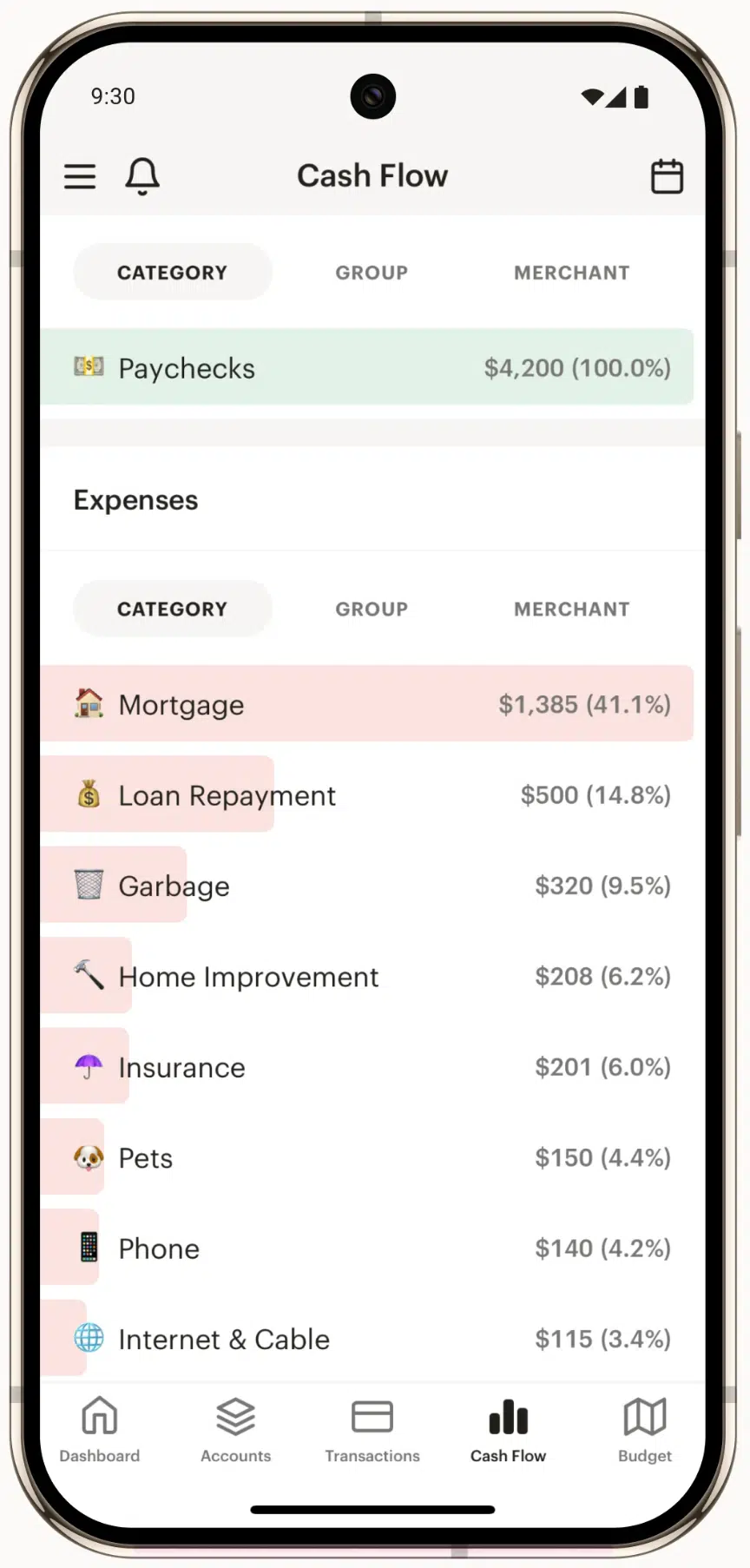
Having utilized Monarch Money for over two years, I consider it the premier replacement for the Mint experience. Founded by Val Agostino—who, notably, was the first product manager on the original Mint.com team—Monarch understands the precise needs of former Mint users.
Why It Stands Out
Monarch offers a polished, intuitive interface that excels across both browser and mobile applications. It seamlessly handles the core necessities: tracking recurring subscriptions, establishing custom budget categories, and monitoring net worth. Its recent introduction of "Flex Budgeting" is a game-changer, allowing users to account for expenses that fluctuate from month to month, providing a more accurate reflection of real-world spending.
Key Features
- Comprehensive Financial Snapshot: The dashboard provides immediate visibility into recent transactions, monthly income-versus-expense ratios, and net worth progress.
- Investment Tracking: Users can link brokerage accounts to monitor performance, balances, and asset allocation without needing a separate app.
- Credit Score Integration: Monarch provides free access to your VantageScore 3.0, eliminating the need for additional subscriptions.
2. Quicken Simplifi: Best for Smartphone-Centric Users
Quicken Simplifi is not merely a mobile version of the legacy Quicken desktop software; it is a completely re-engineered, cloud-native application built from the ground up for the mobile-first generation.
The Automated Advantage
Simplifi leverages sophisticated automation to reduce the manual labor of budgeting. By analyzing your historical income and spending patterns, the app proactively constructs a "Spending Plan." This takes the guesswork out of daily finances, helping users see exactly what is left for discretionary spending after bills and savings goals are accounted for. The built-in calendar view is particularly effective for visualizing upcoming recurring expenses, preventing the dreaded "end-of-month surprise."
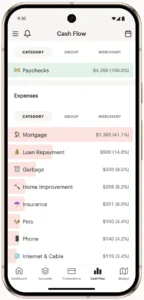
3. Rocket Money: The Budget-First Solution
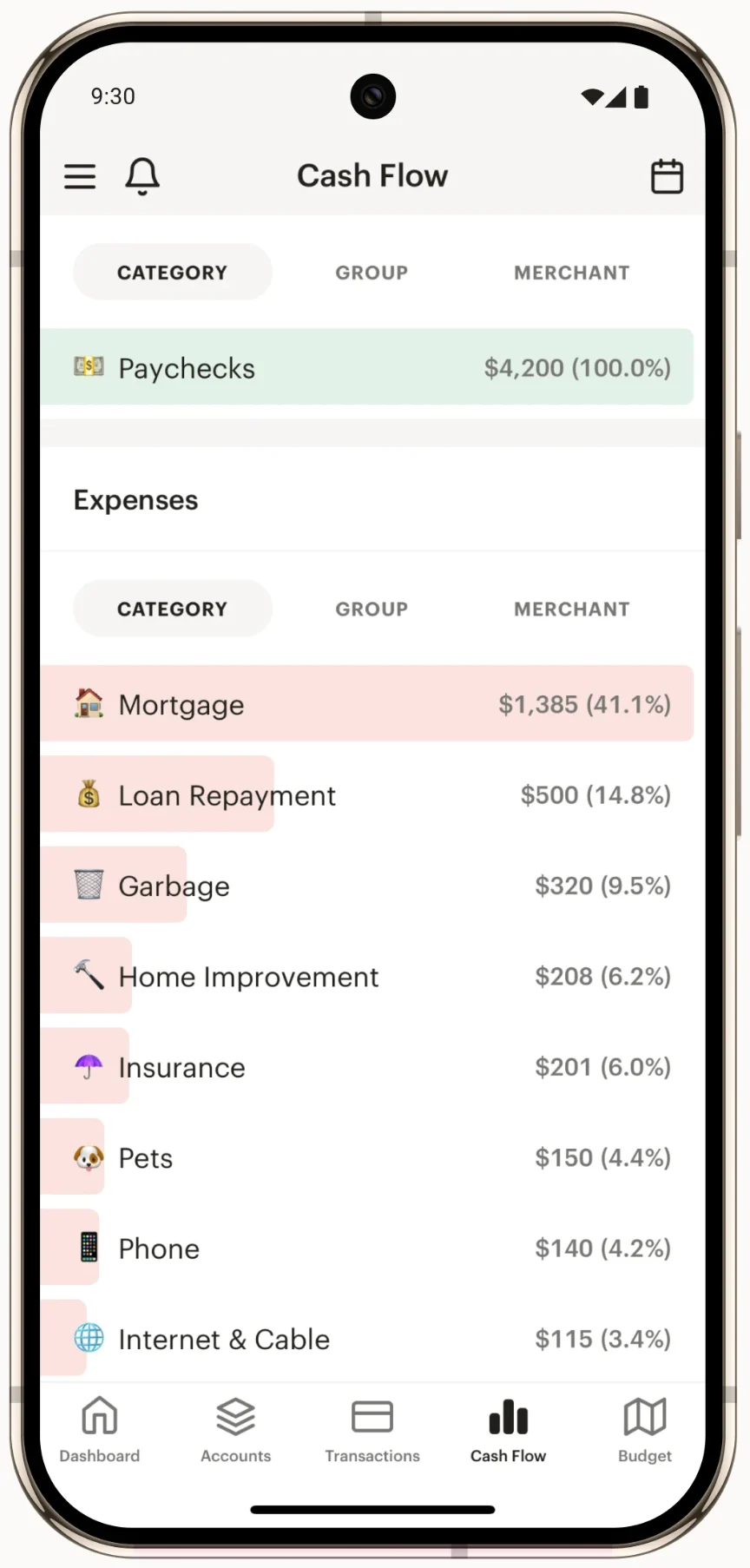
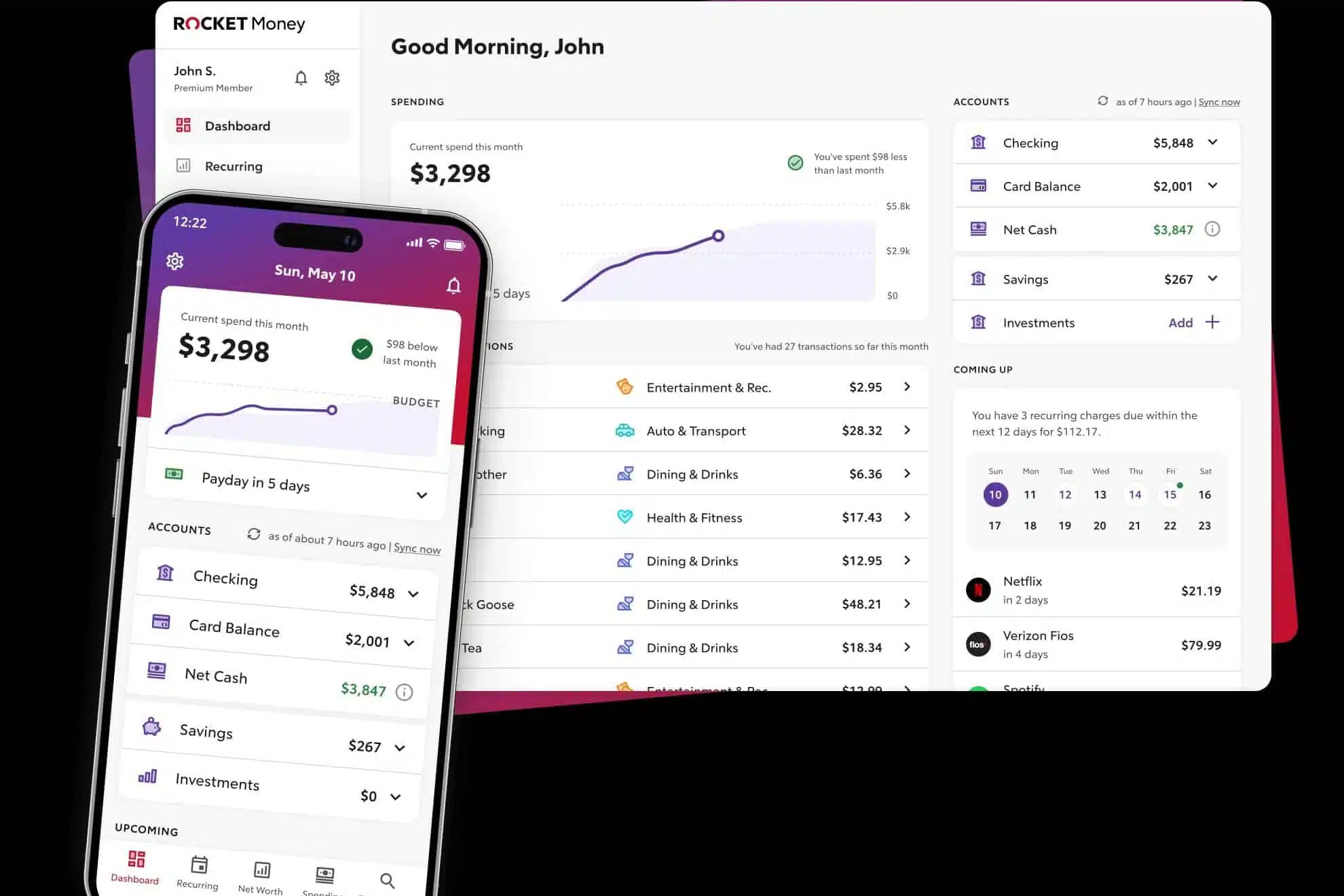
If your primary motivation for using a finance app is simple, effective budgeting, Rocket Money is a formidable contender. It remains one of the most aesthetically pleasing and user-friendly options on the market.

Core Functionality
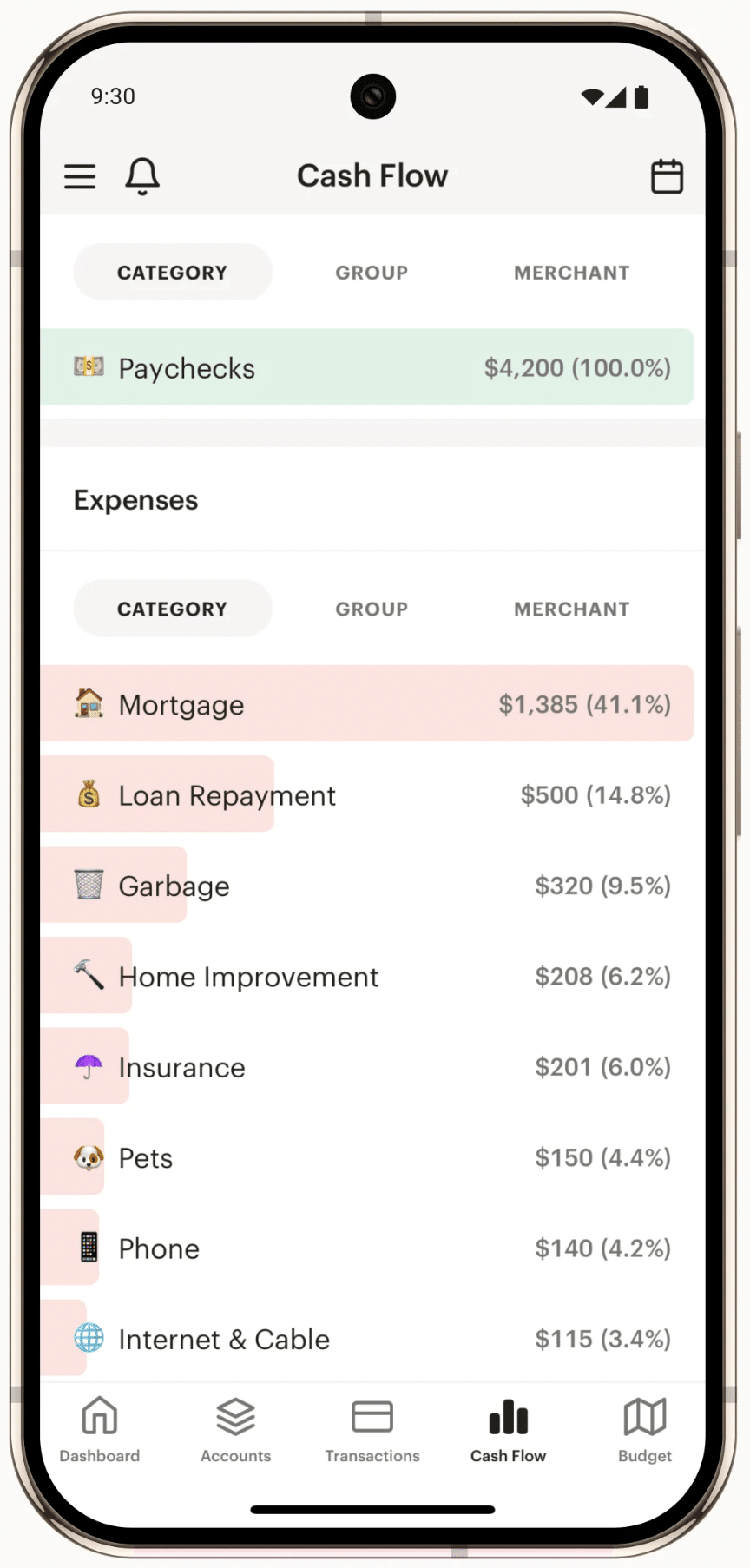
Rocket Money excels at the "basics." It tracks your cash flow, categorizes transactions automatically, and helps identify subscriptions you may have forgotten about. While the free version is robust enough for most, the premium tier—offered on a "pay-what-you-want" model—unlocks advanced features like in-app subscription cancellation and comprehensive credit monitoring. It is the closest stylistic successor to the original Mint experience.
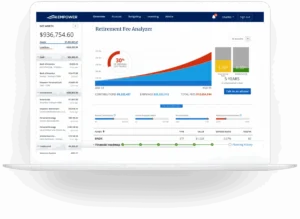
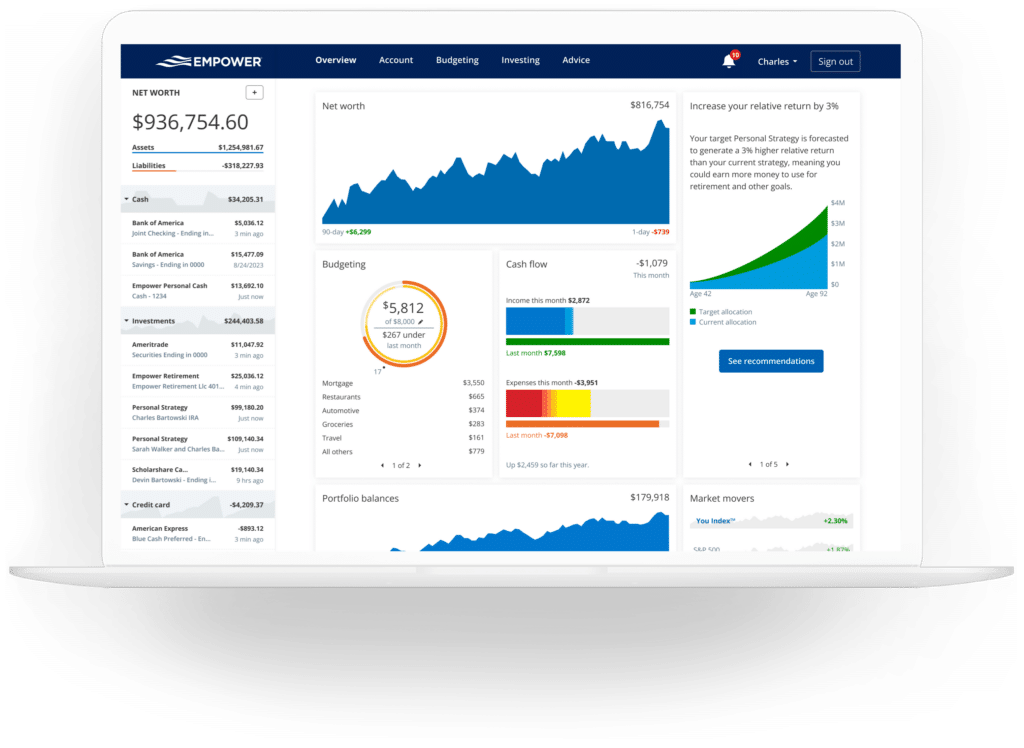
4. Empower: The Power User’s Choice
Formerly known as Personal Capital, Empower has been a staple in my personal finance toolkit for over a decade. It is arguably the most powerful free tool available for those whose primary focus is wealth management and investment analysis.
Investment Deep-Dives
While other apps focus heavily on the "budgeting" aspect, Empower shines in its ability to analyze your total financial health. By linking your retirement and brokerage accounts, you gain access to:
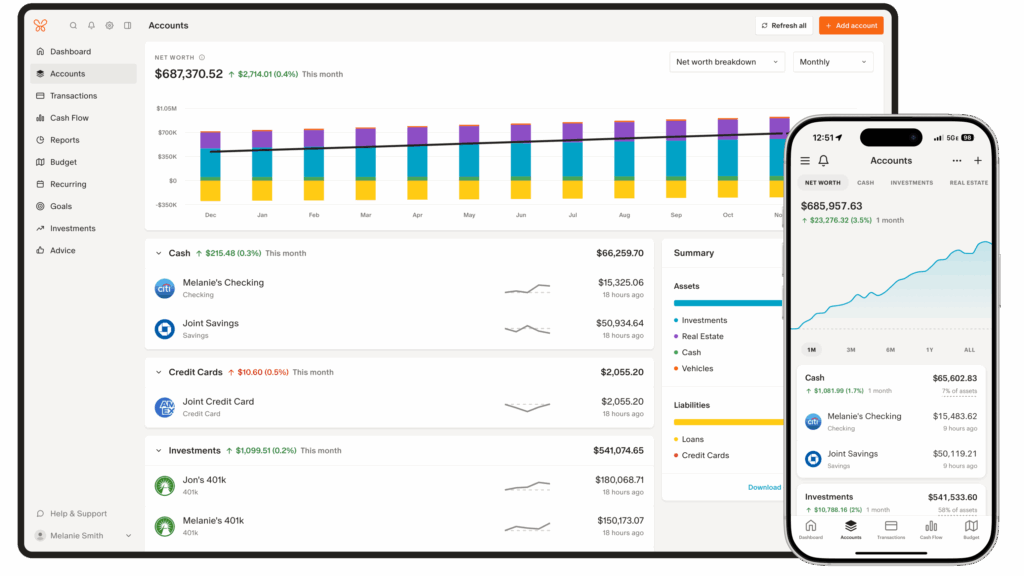
- Portfolio Fee Analyzers: Identify hidden costs in your 401(k) or IRA.
- Asset Allocation Tools: See if your investments are properly diversified.
- Retirement Planning Calculators: Project your future financial stability based on current savings rates.
5. Origin: The AI-Driven Financial Planner
Origin represents the next generation of financial management, blending traditional budgeting with personalized financial planning and AI integration. It is perhaps the most comprehensive app on this list.
Beyond the Budget
Origin doesn’t just show you what you spent; it helps you decide how to allocate your future income. It includes tax planning software and provides access to Certified Financial Planners (CFPs). Its most innovative feature is its AI-powered assistant, which can answer complex questions about your financial strategy—such as how to optimize an emergency fund or prioritize debt repayment. It is a premium, feature-rich ecosystem for those who want a holistic approach to wealth.
6. Tiller Money: The Spreadsheet Enthusiast’s Dream
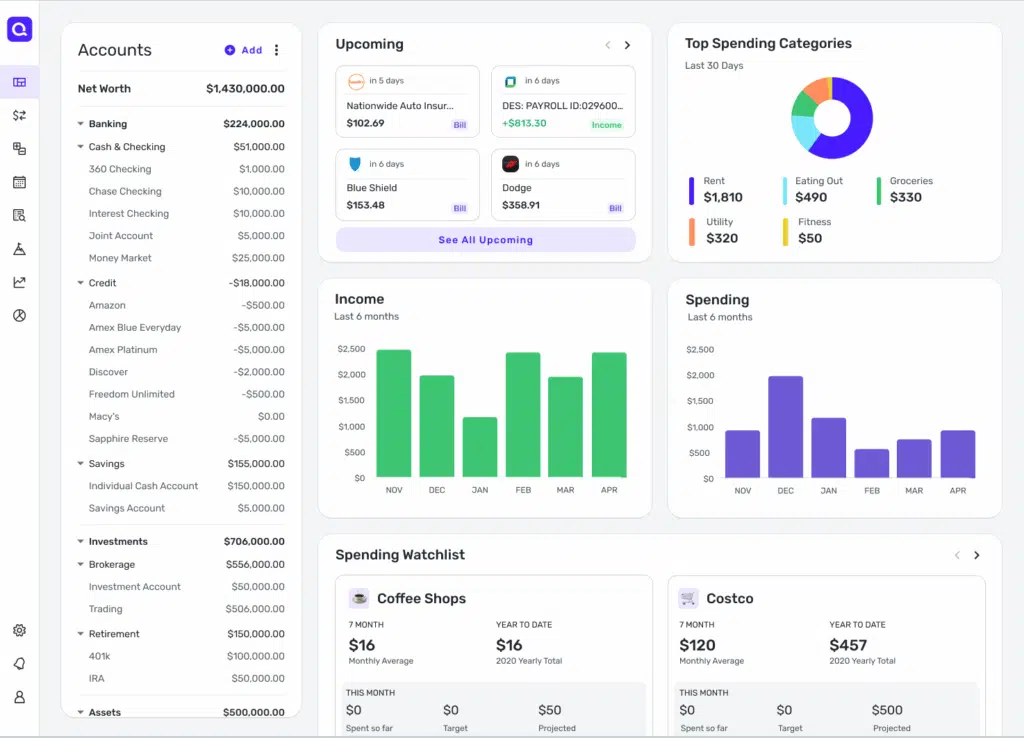
For the data-driven user who finds pre-set dashboards too restrictive, Tiller Money offers a unique proposition: it feeds your financial data directly into a Google Sheet or Excel workbook.
Total Customization
Tiller is not a "black box" app; it is a data pipeline. You retain complete control over how your data is displayed and analyzed. Once the data flows into your spreadsheet, you can use templates provided by Tiller or build your own custom pivot tables and charts. While it carries a learning curve, the level of insight provided is unparalleled for those who enjoy the flexibility of spreadsheets.
7. YNAB (You Need a Budget): The Zero-Based Budgeting Expert
YNAB is the quintessential tool for "zero-based budgeting"—the practice of assigning every single dollar a "job" before the month begins. It is an excellent tool for those who want to move away from reactive spending.
The Philosophy of YNAB
YNAB forces users to be intentional with their money. Because it is purely focused on budgeting, it lacks the investment tracking capabilities of Empower or the holistic planning of Origin. However, for those looking to break the paycheck-to-paycheck cycle, its rigid, disciplined structure is highly effective. Note that its price point is higher than competitors, reflecting its specialized, intensive approach to money management.
Implications of the Transition
The closure of Mint has forced users to confront a new reality in the fintech sector: the shift toward paid, subscription-based models. While the "free" era of Mint was subsidized by advertising and financial product cross-selling, the current generation of apps (Monarch, Simplifi, Tiller) relies on transparent subscription fees.
What this means for the user:
- Data Privacy: Apps charging a subscription fee generally have a stronger incentive to protect user data rather than selling it to third-party advertisers.
- Product Stability: Paying for a service usually ensures ongoing support and faster feature development.
- Migration Hurdles: Transitioning to a new app is not instantaneous. Most users will need to export their data from Mint via CSV files. While platforms like Monarch and Simplifi have simplified the import process, some manual re-categorization of past transactions is almost always required.
Conclusion
Choosing a Mint alternative is ultimately a personal decision based on your specific financial goals. If you want the most "Mint-like" experience, Monarch Money is the clear winner. If you are an investment-focused user, Empower remains the best free option. If you prefer total control, Tiller Money is unmatched.
Regardless of which tool you select, the most important step is consistency. The best budgeting app is not necessarily the one with the most features—it is the one you will actually open and use every single day.