The Myth of the Modern Homestead: Lessons in Realistic Sustainability
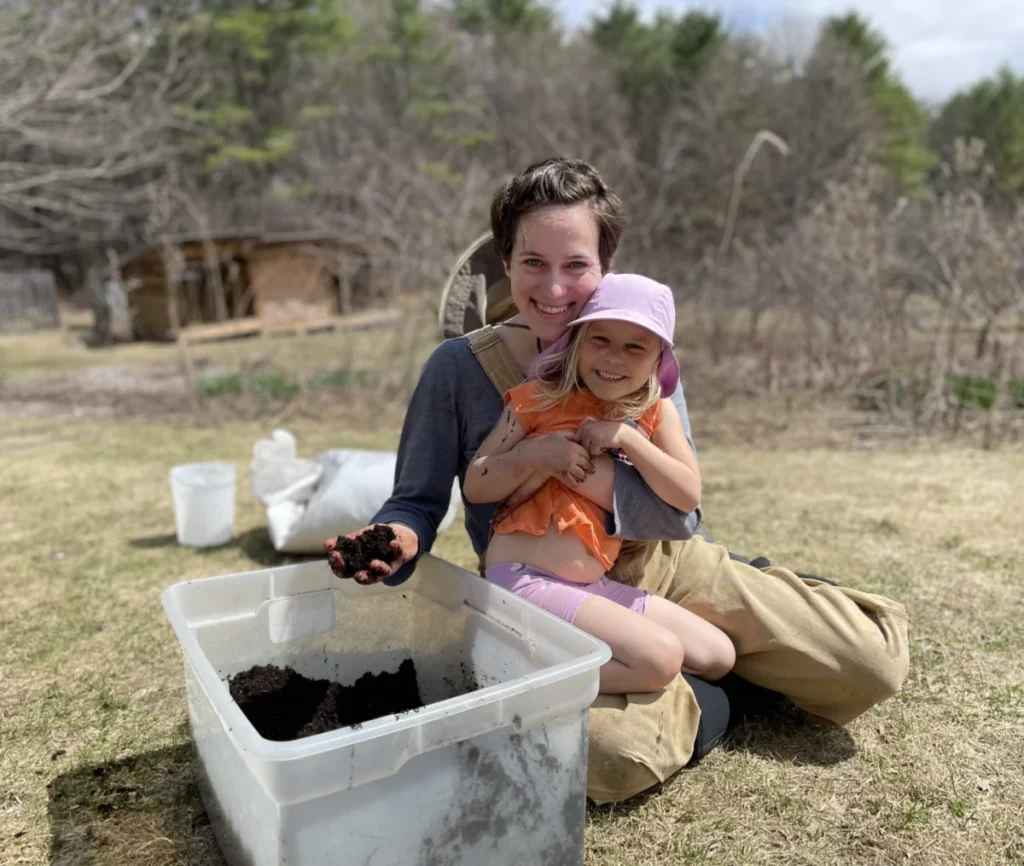
When the creators of the popular lifestyle platform Frugalwoods traded their urban lives for a 66-acre homestead in rural Vermont in May 2016, they carried with them a vision—a romanticized, pastoral dream that many Americans share. It was a vision of self-sufficiency: growing, harvesting, and preserving their own food to survive the long, snow-covered winters, all while raising children in a modern-day, idyllic wilderness.
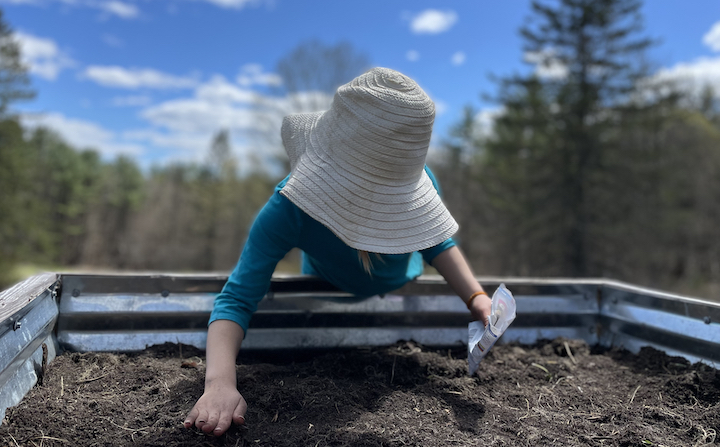
However, nine years after the inception of their blog and seven years into their rural residency, the reality of homesteading has proven to be a stark departure from the initial fantasy. In a candid retrospective, the founders have debunked the "gargantuan assumption" that they would become entirely self-sufficient, revealing that the true value of their lifestyle change lies not in total food independence, but in the freedom to choose a balanced, sustainable pace of life.
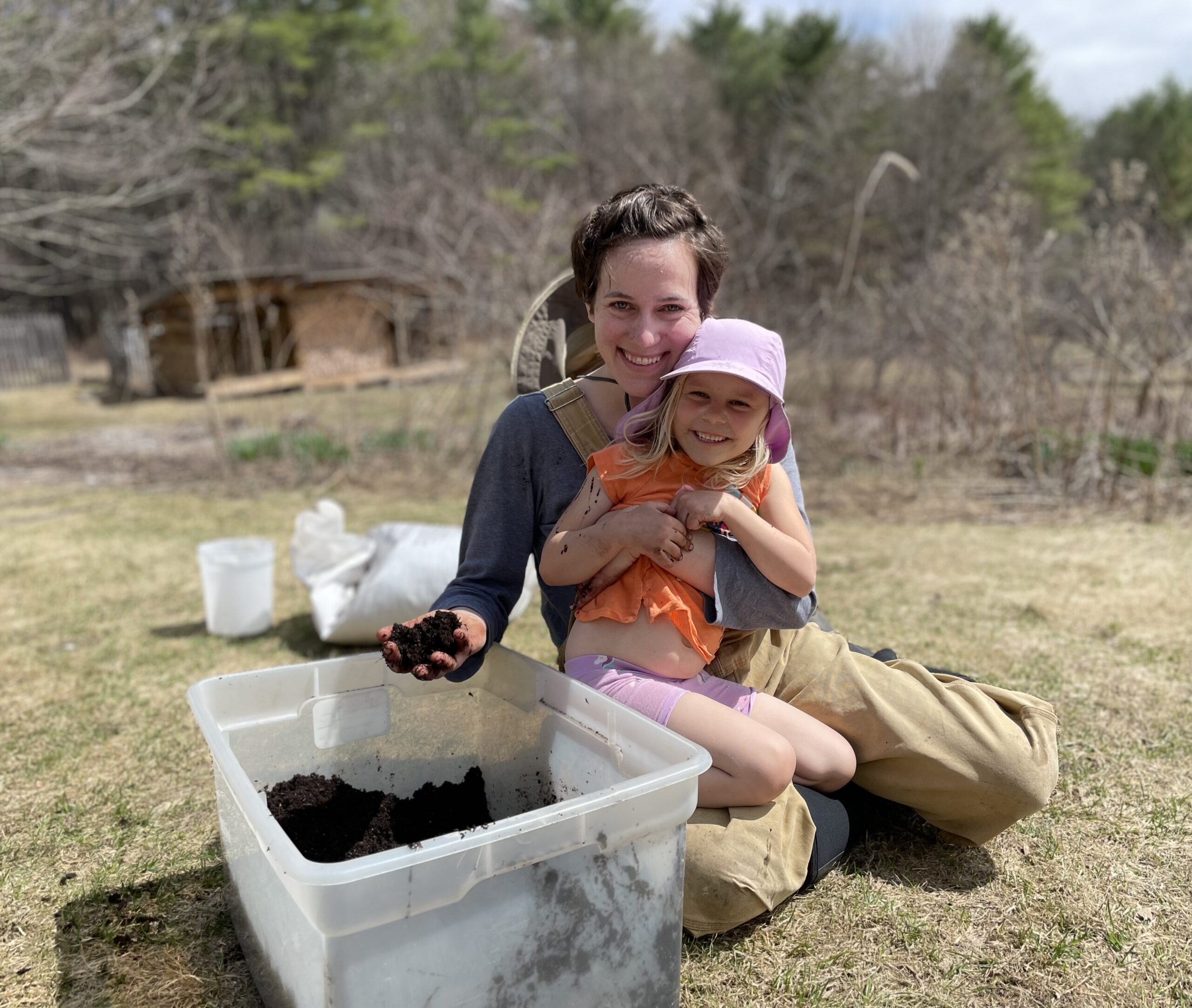
Main Facts: The Reality of Modern Homesteading
The core realization for the Frugalwoods family is that while subsistence farming is technically possible, it is not a requirement for a successful rural lifestyle. For those who are not subsistence farmers by trade, attempting to grow and preserve every calorie for winter consumption is a full-time, all-consuming, and often soul-crushing endeavor.

The primary takeaway is that the "homesteading ideal"—often perpetuated by social media, blogs, and historical narratives—frequently neglects the immense labor, time, and stress required to maintain such an operation. For the Frugalwoods team, the move to the woods was originally intended to escape the "rat race" and the pressures of corporate, desk-bound life. They discovered, however, that an unyielding commitment to a massive, self-sustaining garden simply transplanted those same stressors into a different environment.

The lesson is clear: A garden, like a corporate job, has its own set of demands that do not always align with the personal needs of the individual.

Chronology: From Idealism to Measured Pragmatism
The journey of the Frugalwoods homestead can be categorized into three distinct phases of evolution.

Phase 1: The Romantic Vision (2016)
Upon arrival in Vermont, the family arrived with high expectations. They envisioned a life similar to Little House on the Prairie, minus the historical hardships. They imagined raising chickens, pigs, and goats, while maintaining a dairy cow for homemade butter and cheese. They saw themselves as stewards of a self-sustaining, organic paradise.

Phase 2: The "Kale and Chard Apocalypse" (2018)
The pivotal moment in their journey occurred in 2018, often referred to as the "Kale and Chard Apocalypse." In an effort to prove their self-sufficiency, they planted 80 kale and chard plants—an excessive amount for a family of four. The success of the crop became their greatest burden. The labor of harvesting, washing, and processing these greens took days of exhaustive, repetitive work. It was the moment they realized they were no longer enjoying the land; they were being enslaved by it.

Phase 3: The Era of Balance (2023–Present)
Seven years in, the family has reached a state of "realistic sustainability." They continue to garden, but with a philosophy of moderation. They now prioritize experiences—hiking, local community events, and time with their children—over the relentless pursuit of total self-sufficiency.

Supporting Data and Operational Infrastructure
The Frugalwoods homestead operates on a tiered system of food production that prioritizes convenience and manageable labor.
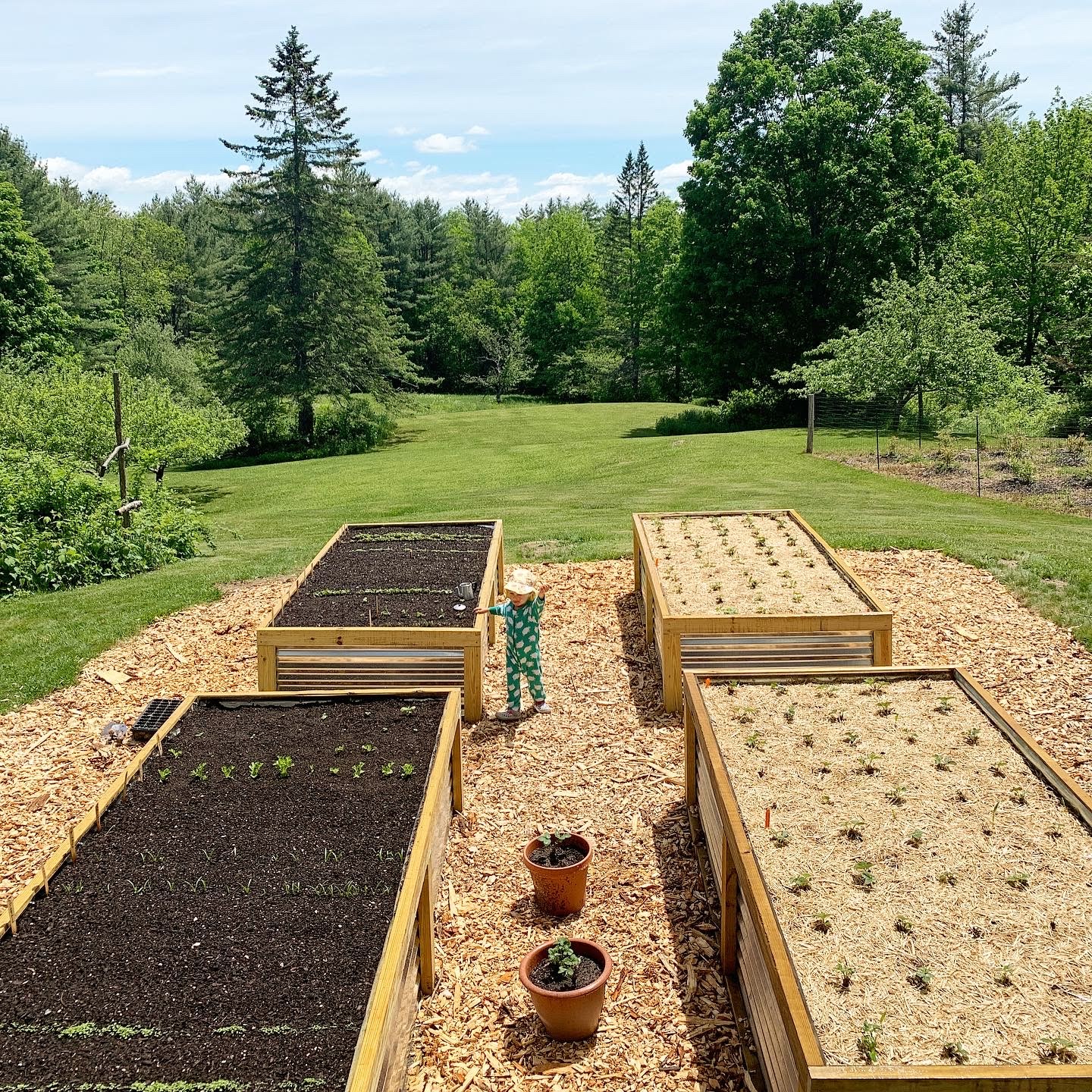
- Raised Beds: Four beds situated directly outside their back porch are dedicated to high-frequency items like herbs, greens, and strawberries. This proximity makes harvesting quick and easy, encouraging them to actually use what they grow.
- The "Big" Vegetable Garden: A fenced-in area utilizing cattle panels for vining crops like tomatoes, snap peas, and cucumbers. This area serves as an educational space where the children manage their own rows, fostering a connection to the food source without the pressure of full-scale production.
- Perennial Food Plots: Mr. Frugalwoods manages a variety of fruit-bearing trees and bushes, including apples, blueberries, and plums. While these are a long-term investment, the family acknowledges that the "Clever Varmint Patrol" (local wildlife) and unpredictable weather patterns often limit the final yield, making these crops a supplementary bonus rather than a staple.
Official Perspectives: The "Clever Varmint Patrol" and Climate Constraints
A major hurdle in their journey has been the "Clever Varmint Patrol" (CVP)—the local wildlife that consistently outsmarts their attempts to protect their harvest. Whether it is birds trapping themselves in fenced blueberry patches or local fauna timing their raids to the exact moment of fruit ripeness, the unpredictable nature of nature is a constant variable.

Furthermore, the family notes that climate is a volatile factor. Late frosts, early frosts, excessive rain, or drought can destroy a season’s work in days. These external forces have forced them to reconsider the "industrial-level" preservation methods they once employed. They now recognize that while they have the privilege of living in the woods, they are not obligated to be at the mercy of the elements.

Implications: The Shift Toward True Freedom
The implications of the Frugalwoods experience are profound for anyone considering a radical lifestyle shift. The move to the country is frequently framed as a quest for "perfection," yet true success often looks like "acceptance."

Redefining Success
Success is no longer measured by how many jars of pickles line the pantry shelves, but by the ability to maintain a healthy relationship with one’s environment. The family has discovered that supporting neighboring farmers—who possess the specialized skills and equipment for large-scale production—is a far more sustainable and community-minded approach than trying to replicate that production on their own.

The Danger of Self-Imposed Pressure
The most critical takeaway is the observation that humans are exceptionally good at finding ways to stress themselves out. By applying the "hustle culture" of the city to the soil of the countryside, the family nearly destroyed the very peace they moved to the woods to find.

A New Philosophy
As of 2023, the Frugalwoods family has successfully separated the concept of "homesteading" from the concept of "suffering." They continue to plant, weed, and harvest, but they do so with a light touch. If a harvest is abundant, they preserve some; if it is small, they buy from neighbors.

The ultimate goal of their move was always to reclaim time and autonomy. By letting go of the guilt associated with not being "perfect" homesteaders, they have reclaimed their ability to enjoy the beauty of their 66 acres. Their story serves as a poignant reminder that in the search for a simpler life, the most important thing to simplify is often our own expectations.