The Invisible Battlefield: Why Digital Public Infrastructure Has Become the New Frontier of Geopolitical Risk
By Tariq Malik | July 9, 2026
In the twenty-first century, the topography of warfare has shifted. Where history was once defined by the capture of physical ports, the destruction of power grids, and the blockade of railways, modern conflict has migrated into the ethereal realm of code and connectivity. At the center of this transformation is Digital Public Infrastructure (DPI)—the foundational layers of identity platforms, instant payment systems, and secure data exchanges that now underpin the functionality of modern states.
While these systems promise unprecedented efficiency, financial inclusion, and responsive governance, they have also birthed a new category of strategic vulnerability. In an era of intensifying geopolitical rivalry and the concentration of digital power, DPI has evolved from a tool of public convenience into a high-stakes arena of national security. For governments worldwide, the challenge is no longer just about building the infrastructure of the future, but about ensuring that this infrastructure does not become an Achilles’ heel.
The New Strategic Reality: What is DPI?
Digital Public Infrastructure refers to the "shared pipes" of the digital economy. Just as roads and bridges allowed for the physical movement of goods in the 20th century, DPI facilitates the digital movement of value, identity, and information.
Key components include:
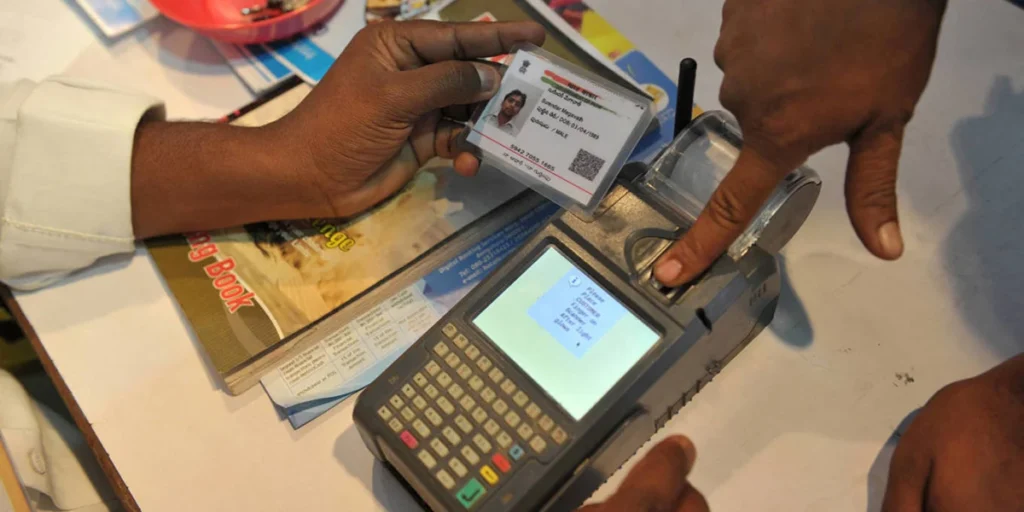
- Digital Identity Systems: Unified frameworks that allow citizens to prove who they are online, enabling access to banking, healthcare, and voting.
- Instant Payment Rails: Real-time, low-cost transaction systems that bypass traditional banking delays and high fees.
- Data Exchange Layers: Interoperable protocols that allow different government departments and private entities to share information securely.
Proponents argue that DPI is the ultimate equalizer. By lowering the cost of transaction, it brings the unbanked into the global economy and streamlines bureaucratic processes that have historically hampered development. However, these benefits come with a centralized risk: if a nation’s entire identity and payment architecture relies on a singular, interconnected platform, that platform becomes the ultimate target for adversaries.
Chronology: The Evolution of Digital Vulnerability
The transition of DPI from a public utility to a strategic asset has occurred in distinct phases:
- 2015–2019: The Era of Optimism. Nations began rolling out massive digital identity programs. Projects like India’s Aadhaar were lauded as the "gold standard" for development, sparking a global rush to digitize public services.
- 2020–2022: The Pandemic Catalyst. COVID-19 forced the rapid acceleration of digital services. Governments that lacked robust DPI struggled to distribute aid, while those with established systems thrived. This period solidified DPI as a core pillar of state resilience.
- 2023–2024: The Rise of Weaponized Connectivity. Geopolitical tensions—specifically the decoupling of major global powers—revealed the dark side of reliance on foreign-made digital infrastructure. Sanctions that restricted access to global financial messaging systems (like SWIFT) prompted nations to view their own payment rails as matters of sovereign survival.
- 2025–2026: The Security Paradigm. We are currently in an era where DPI is treated with the same scrutiny as military equipment. Cybersecurity agencies are now conducting "DPI stress tests" to determine how states would function if their identity or payment systems were compromised by state-sponsored actors.
Supporting Data: The Scale of Exposure
The reliance on DPI is staggering. According to recent global economic surveys:
- Systemic Concentration: Over 60 countries have adopted some form of state-backed digital payment rail, with transaction volumes increasing by 40% year-over-year globally.
- The Cost of Failure: Independent cybersecurity audits suggest that a 24-hour outage of a national digital identity platform could result in a 0.5% contraction in a nation’s daily GDP, given the reliance on identity verification for all commercial and governmental activity.
- Foreign Dependency: Roughly 45% of emerging economies rely on foreign-sourced technology stacks to power their DPI, creating a significant "vendor lock-in" risk where software updates or hardware blackouts can be controlled by a foreign entity.
Official Responses and Policy Shifts
The international community is currently grappling with how to regulate this new domain.
The "Sovereign Stack" Movement
Several nations, led by a coalition of middle powers, are advocating for "Sovereign Stacks"—open-source digital infrastructure that allows countries to own their code entirely, reducing reliance on proprietary technology controlled by Silicon Valley or foreign state-backed conglomerates.
Regulatory Oversight
In Washington, the conversation has moved toward treating DPI providers as "Systemically Important Financial Institutions" (SIFIs). The proposed Digital Resilience Act would mandate that any platform serving more than 10% of the population must adhere to rigorous, government-audited security standards and maintain offline backup capabilities.
International Cooperation
The G20 has recently formed the "Digital Infrastructure Resilience Working Group," tasked with establishing international norms for "non-interference in digital public systems." However, as one senior diplomat noted, "Norms are rarely honored when a nation’s sovereignty is at stake. The reality is that if you can shut down an adversary’s payment rail, you have a deterrent that is more effective than a fleet of jets."
Implications: The High Cost of Interconnectivity
The weaponization of DPI creates profound dilemmas for policymakers and citizens alike.
1. The Paradox of Inclusivity
The more inclusive a system is, the more critical it becomes. If 100% of the population relies on a digital ID to receive social benefits, a cyberattack on that system is not merely an IT issue; it is a humanitarian crisis. Governments are now forced to maintain expensive, "analog" backup systems—a redundancy that defies the very efficiency that DPI was intended to create.
2. Geopolitical Alignment
Digital infrastructure is increasingly acting as a modern-day "bloc" builder. Countries are choosing their DPI suppliers based on geopolitical alignment. By adopting a specific country’s payment or data-exchange standard, a nation is effectively tying its economic future to the security posture of that provider. This creates "digital spheres of influence" that could define the next century of international relations.
3. The End of Privacy as a Default
As states integrate their identity, payment, and data systems to improve efficiency, the potential for surveillance becomes absolute. The "responsive government" of tomorrow is also a government with the technical capability to monitor the movement, consumption, and social interaction of its citizens in real-time. The implication for civil liberties is stark: the infrastructure that empowers the citizen also provides the ultimate tool for the state to enforce compliance.
Conclusion: Toward a Resilient Future
The digital infrastructure that now supports our societies is not a neutral utility. It is a strategic terrain that is being fought over in the shadows of the internet. As we look toward the remainder of the decade, the primary task for governments will be to balance the promise of a hyper-connected society with the cold reality of systemic fragility.
To survive this new era, nations must pivot from an obsession with speed and integration to a focus on resilience and sovereignty. This means investing in decentralized systems, maintaining analog fail-safes, and perhaps most importantly, recognizing that the most secure digital infrastructure is one that is understood, owned, and defended by the citizens it serves.
The battlefield of the future will not be marked by craters in the earth, but by the flickering of a screen and the silence of a failed transaction. In the race to build the digital foundations of the future, the cost of getting it wrong is no longer just a technical glitch—it is the potential collapse of the modern state itself.