The Great Wealth Transfer: Navigating the $124 Trillion Intergenerational Shift
Main Facts: The Dawn of a Historic Financial Era
The United States has officially entered the opening chapter of the "Great Wealth Transfer," an unprecedented demographic and financial event that will reshape the nation’s economic landscape. Between 2024 and 2048, an estimated $124 trillion in accumulated assets is projected to change hands, moving primarily from aging baby boomers and the Silent Generation to Generation X, millennials, Generation Z, and various charitable organizations.
This monumental shift represents far more than a simple change in bank account balances; it is a fundamental realignment of American capital. As trillions of dollars migrate across generations, the implications will ripple through housing markets, investment firms, wealth management practices, and tax policies. Yet, despite the sheer scale of this impending transfer, a striking paradox persists: millions of families remain dangerously unprepared.
Data from a recent Morning Consult survey commissioned by Kiplinger reveals that roughly two in five families have not discussed an inheritance strategy. Money remains one of society’s most persistent taboos, and discussions surrounding inheritance inherently force individuals to confront mortality—a topic many families actively avoid. Approximately a quarter of parents and children surveyed reported feeling "somewhat" or "very" uncomfortable talking about money, with inheritance ranking among the most agonizingly difficult subjects to breach.
"I couldn’t find it in my heart to ask," confessed one survey respondent when reflecting on the challenge of discussing estate plans with their aging parents.
However, financial experts emphasize that avoiding the conversation carries steep penalties. Clear communication between benefactors and heirs is vital for managing expectations, preventing bitter family disputes, and establishing robust, realistic financial plans before it is too late.
Chronology: Understanding the Trajectory of the Great Wealth Transfer
To fully grasp the magnitude of the current shift, it is helpful to look at how wealth concentration and demographic trends have evolved over the decades, and where the timeline stands today.
- The Post-WWII Boom (1946–1964): The birth of the baby boomer generation established a prolonged period of economic expansion. Benefiting from post-war industrial growth, affordable higher education, and a booming housing market, this generation accumulated unprecedented levels of real estate and corporate equity.
- The Late 20th Century Accumulation: As boomers entered their peak earning years through the 1980s, 1990s, and 2000s, they capitalized on historic bull markets, expanding retirement accounts (such as 401(k)s), and corporate equity structures.
- The Turning Point (2024): Financial research firms officially mark the mid-2020s as the starting gate of the formal Great Wealth Transfer. As the oldest baby boomers reach their late 70s and early 80s, the velocity of asset handoffs has accelerated dramatically.
- The 25-Year Horizon (2024–2048): Analysts project a steady, escalating curve of asset liquidation and transfer over the next quarter-century. During this period, an estimated $124 trillion will pass through the hands of younger generations and philanthropic entities, peaking as the bulk of the Silent Generation and baby boomer cohorts pass away.
Supporting Data: By the Numbers
To understand the scope of the Great Wealth Transfer, one must look closely at the data driving the projections:
- $124 Trillion: The total estimated asset value expected to be transferred in the U.S. between 2024 and 2048, according to projections by Cerulli Associates.
- 15%: The portion of the total transferred wealth that is anticipated to bypass family members entirely and go directly to philanthropic causes and charities, reflecting a rising tide of strategic altruism among high-net-worth individuals.
- 40%: The proportion of families—roughly two out of five—that have zero inheritance strategy or formal estate plan in place, leaving their successors vulnerable to legal bottlenecks and tax complications.
- 25%: The percentage of parents and children who express acute discomfort when discussing monetary matters, highlighting a profound psychological barrier to proactive financial planning.
- 8%: The modest portion of inheritances that respondents in the Morning Consult survey expect to receive in the form of liquid investments like stocks, bonds, mutual funds, or ETFs, even though 15% of heirs express a strong desire to use inheritances to build long-term market wealth.
Official Responses and Expert Perspectives: How Icons Approach Wealth
As families grapple with the realities of passing down fortunes, financial gurus, cultural icons, and legendary investors have offered widely divergent philosophies on inheritance. Their insights provide a roadmap for how everyday Americans might approach their own estate planning.
Warren Buffett: Logic, Legacy, and Philanthropy
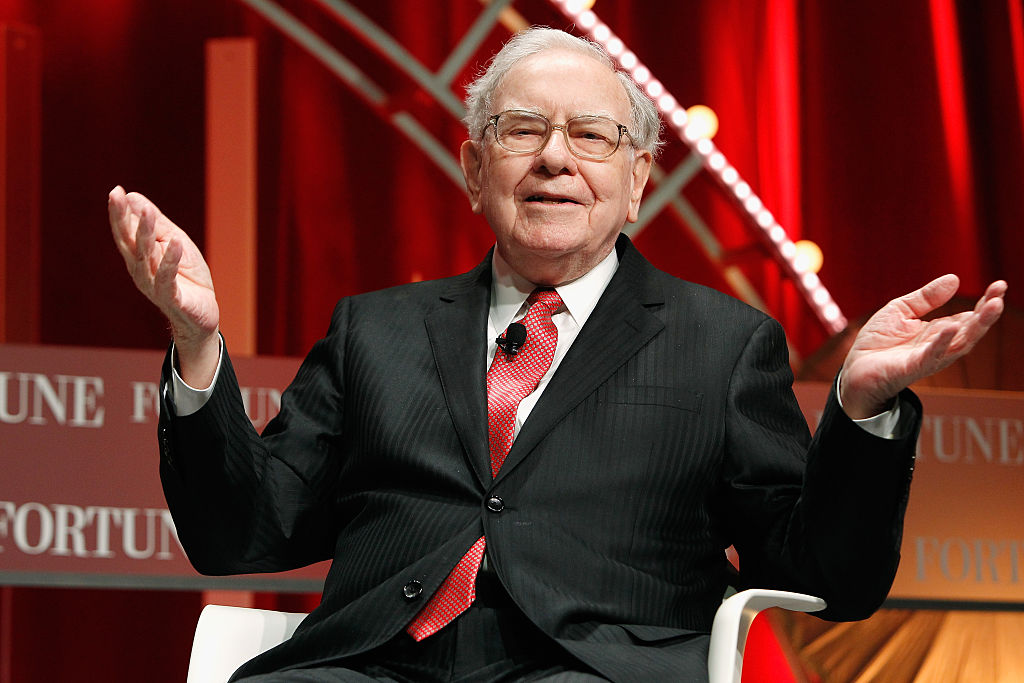
Famed investor and Berkshire Hathaway chairman Warren Buffett has long championed the idea of purposeful giving. In 2006, Buffett committed to distributing virtually all of his Berkshire Hathaway shares—representing more than 99% of his net worth—to philanthropic foundations.
Buffett famously argued that leaving an unfathomable fortune directly to his three adult children could ultimately do them a disservice. In a letter to shareholders, he encapsulated his philosophy with a memorable maxim: "Leave the children enough so that they can do anything but not enough that they can do nothing."
In his November 2024 shareholder communications, Buffett reiterated the necessity of transparency regarding testamentary decisions. "Be sure each child understands both the logic for your decisions and the responsibilities they will encounter upon your death," Buffett wrote. "If any have questions or suggestions, listen carefully and adopt those found sensible. You don’t want your children asking ‘Why?’ in respect to testamentary decisions when you are no longer able to respond."
Shaquille O’Neal: The Degree Mandate
NBA legend and business mogul Shaquille O’Neal takes a famously rigorous, conditional approach to his estimated $500 million fortune. Rather than promising an unearned safety net to his six children, O’Neal employs a strict carrot-and-stick methodology.
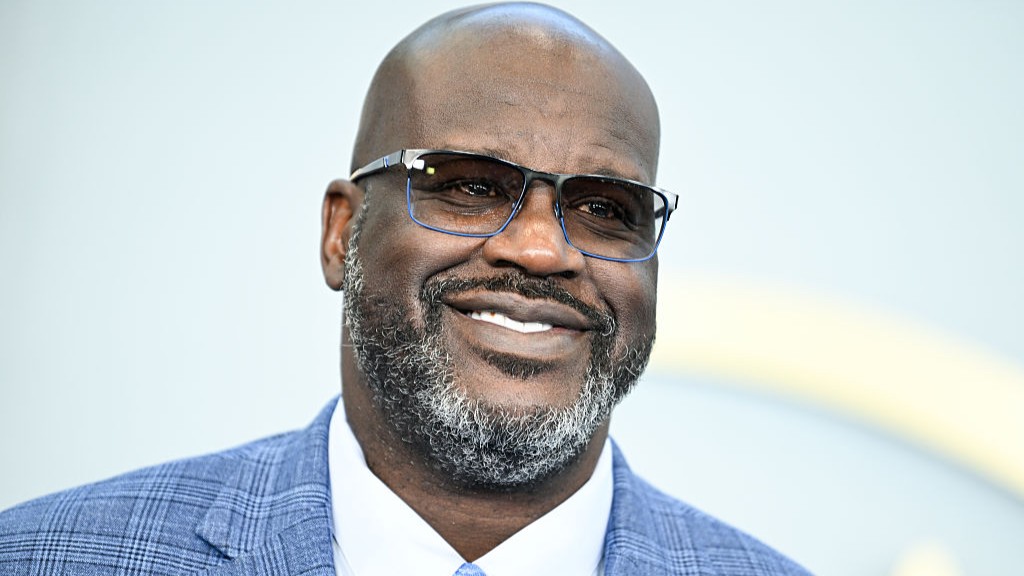
"In order to get my cheese, you have to present me with two degrees," O’Neal stated during a 2022 interview, setting a baseline requirement of earning both bachelor’s and master’s degrees before his children can access significant financial support.
O’Neal views this requirement as a vital tool for instilling work ethic and teaching generational wealth management. "I just keep them motivated," he explained to international media. "I tell them all the time, we don’t need another NBA player in the house… I would rather see a doctor, dentist, a veterinarian, a world traveler, or a hedge fund guy."
Beyoncé and Jay-Z: Building Institutional Family Wealth
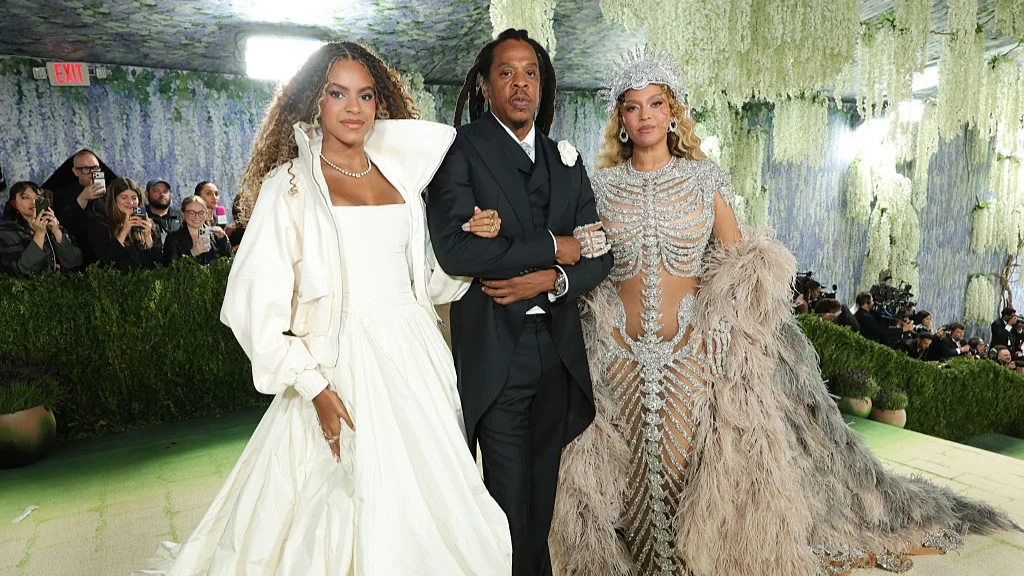
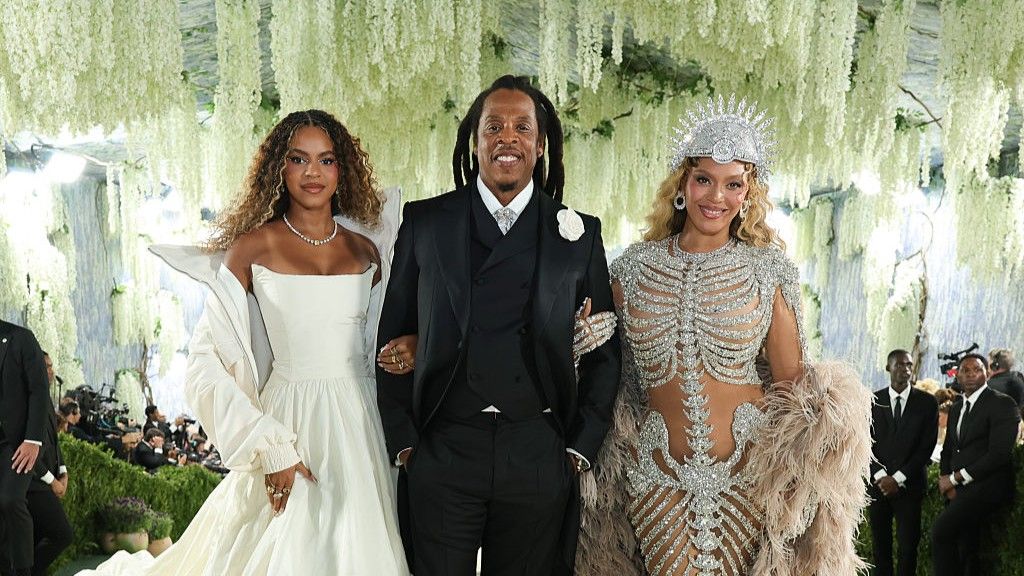
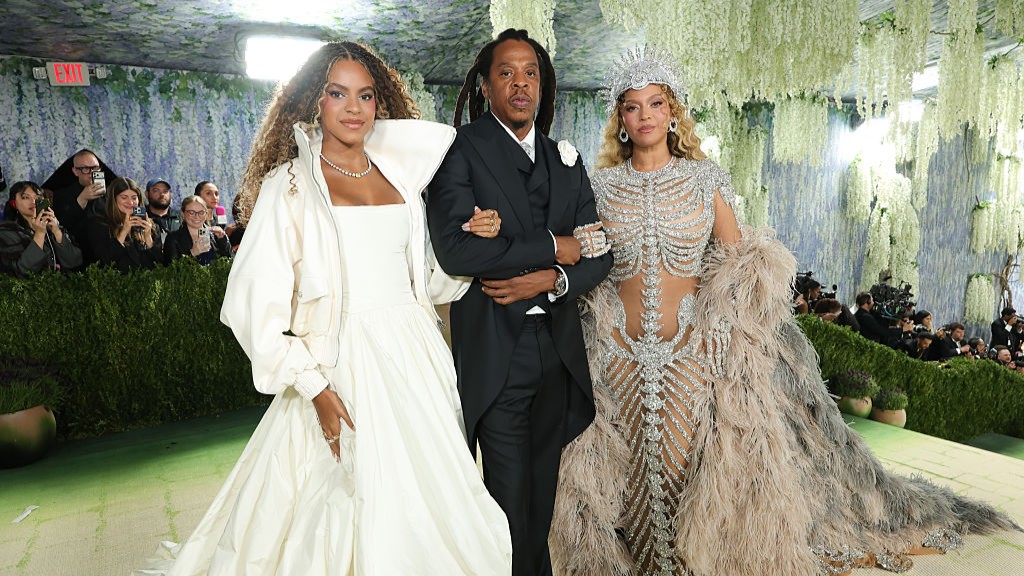
Music and business power couple Jay-Z and Beyoncé have amassed a combined fortune approaching $4 billion through ventures like Roc Nation and Parkwood Entertainment. While the couple rarely gives formal estate-planning seminars, their artistic catalog offers clear windows into their multi-generational financial strategy.
In his 2017 song "Legacy," Jay-Z addresses his eldest daughter, Blue Ivy Carter, answering her question about what a will is by emphasizing structural distribution: "Take those moneys and spread ‘cross families… Generational wealth, that’s the key." Beyoncé echoed this sentiment in the 2018 track "BOSS," rapping, "My great-great-grandchildren already rich." Their approach focuses heavily on asset protection, investments in bonds, and corporate structures designed to insulate family capital for decades to come.
Dave Ramsey: Character and Financial Discipline
Financial adviser and radio personality Dave Ramsey reminds families that parents are under no moral or legal obligation to leave their children an inheritance. However, he warns against assuming that inherited wealth is inherently destructive.
"At the same time, I think it’s wrong to assume that leaving them your money will damage them in some way. Wealth always magnifies the character of the person holding it," Ramsey notes.
Crucially, Ramsey stresses that passing down cash without passing down financial literacy is a recipe for disaster. "Too many families pass down dollars without ever passing down discipline," he warns. "And without wisdom, that money disappears in just a generation or two… So don’t just leave your family wealth. Leave them the wisdom to build their own."
Suze Orman: Sentimentality vs. Smart Investing
Financial guru and best-selling author Suze Orman offers a pragmatic warning regarding the sentimental attachment heirs often form toward inherited assets. According to Orman, children frequently make the mistake of holding onto inherited stocks, real estate, or business interests out of emotional reverence for their deceased parents.
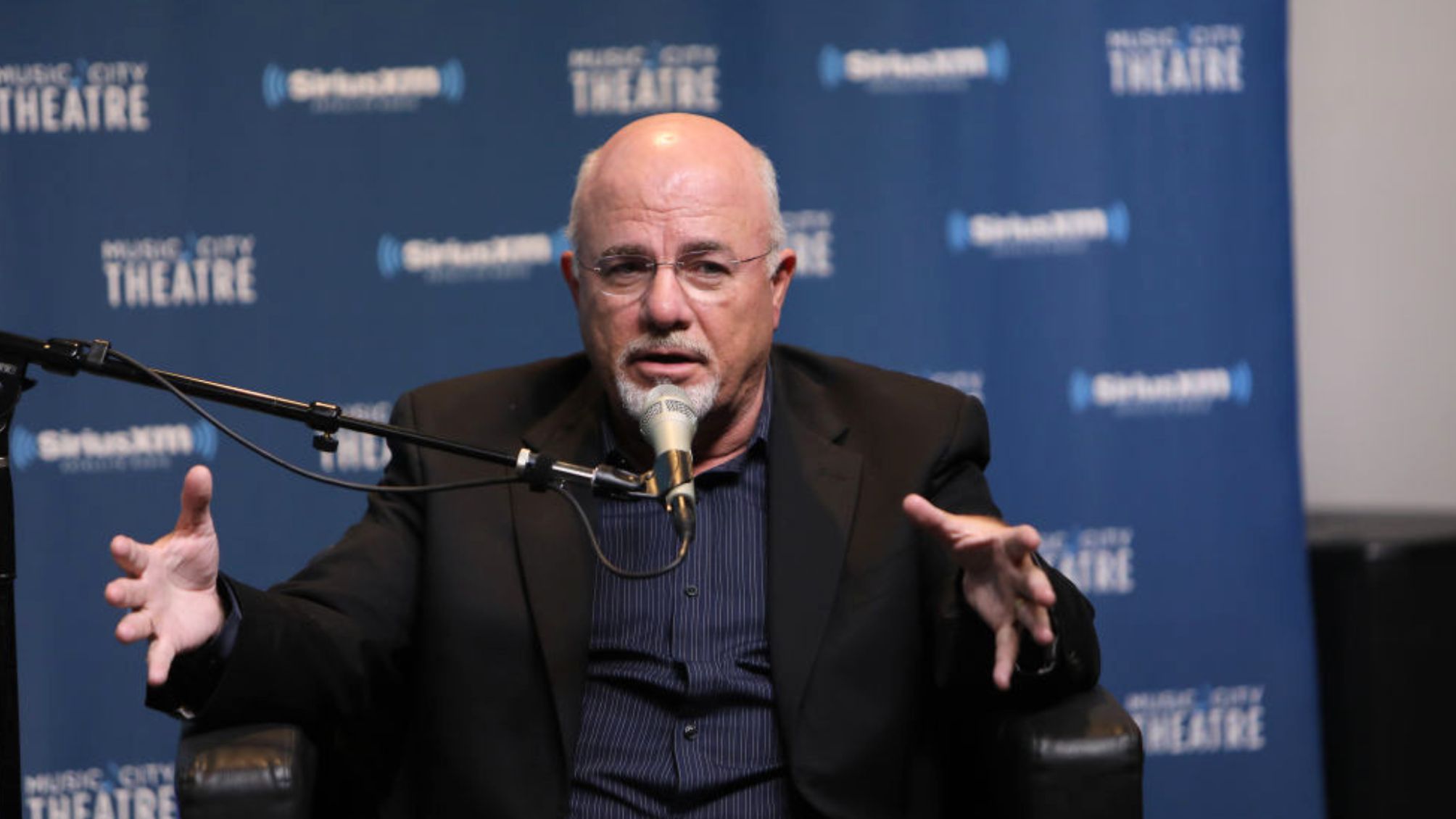
"When you get an inheritance from somebody you love, specifically a parent, you tend to hold on to whatever it is that you inherited, thinking that your parents are that item or that investment that they left you," Orman explained on her podcast.
However, market dynamics change, and an asset that served a parent well decades ago may be a dead weight today. "You cannot keep your family alive by keeping the investments they left you," Orman asserts. Instead of preserving memories through stagnant or declining financial instruments, heirs should honor their parents’ hard work by actively managing and growing the capital to fit modern economic realities.
Implications: What the Great Wealth Transfer Means for the Future
The massive movement of $124 trillion over the next two decades will profoundly transform the American socio-economic fabric, carrying several distinct implications for households and institutions alike:
- The Rise of Financial Literacy Education: Because millions of heirs will suddenly find themselves managing significant capital without prior training, financial advisory firms, educational programs, and estate planners will experience unprecedented demand. Parents are increasingly recognizing that financial coaching must precede the handing over of deeds and trust documents.
- Shifts in Consumer and Housing Markets: As millennials and Generation Z inherit assets, their purchasing power will surge. This influx is expected to reshape the real estate market, potentially easing housing affordability bottlenecks for some while driving up luxury and suburban property demand. Furthermore, younger generations’ distinct preferences for sustainable investing, technology assets, and alternative funds will alter how legacy portfolios are managed.
- A Boom in Philanthropy: With 15% of the total wealth transfer earmarked for charities, non-profits, community foundations, and educational institutions are preparing for a golden age of endowments. This trend indicates a generational shift toward legacy-building via social impact rather than purely insular family hoarding.
- The Necessity of Open Dialogue: Ultimately, the most immediate implication rests within the individual household. Families that break the taboo surrounding money and openly discuss their wills, trusts, and inheritance strategies will avoid the bitter probate battles and fractured relationships that plague unprepared estates. As Warren Buffett noted, addressing these questions while parents are still alive ensures that the transition of wealth honors both the hard work of the past and the potential of the future.