The Great Robotaxi Schism: Uber, Waymo, and the Battle for D.C.’s Streets
Welcome back to TechCrunch Mobility, your definitive source for the future of transportation and the evolving role of artificial intelligence in how we move. If you haven’t yet, sign up here for free to receive this newsletter directly in your inbox.
The honeymoon phase between the titans of the ride-hailing industry and the pioneers of autonomous vehicle (AV) technology appears to be officially over. For years, the narrative in Silicon Valley was one of inevitable convergence: Uber would provide the demand-side platform, and companies like Waymo would provide the supply-side technology. However, as the legislative landscape shifts from theoretical debate to concrete municipal policy, the cracks in that partnership have widened into a full-scale policy war.
The Collision Course: Uber vs. Waymo
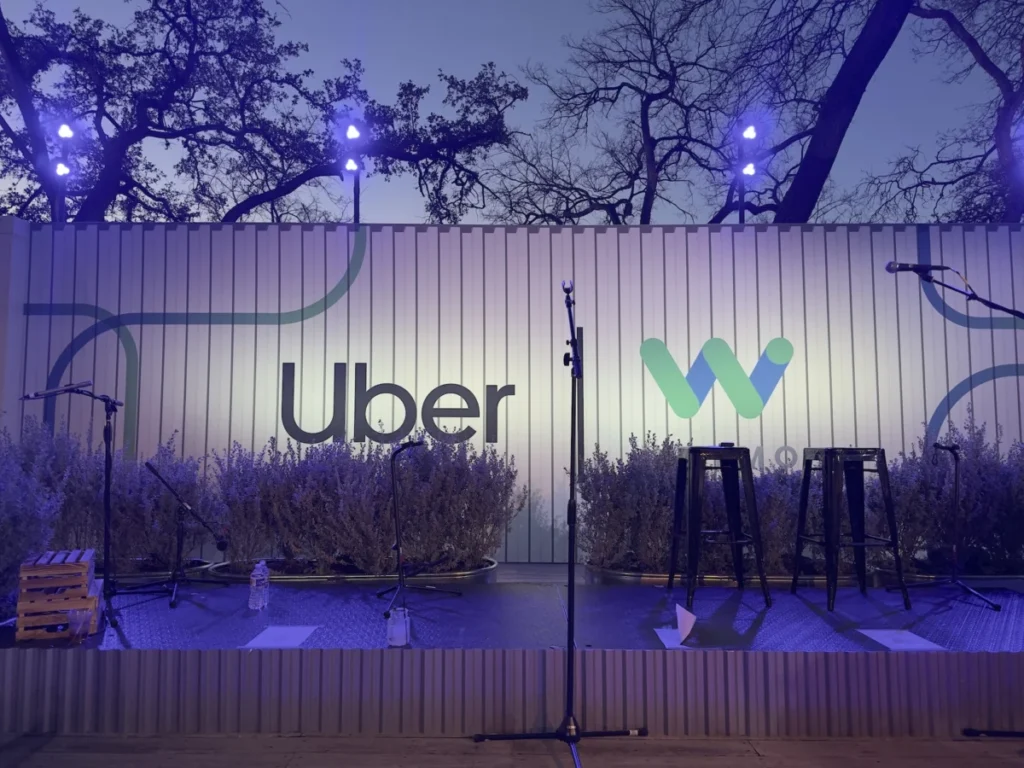
Last week, I outlined the growing friction between Uber and Waymo. What began as a cautious exploration of integration has devolved into a bitter lobbying battle, particularly in Washington, D.C. The D.C. Council is currently weighing a landmark bill that would establish the regulatory framework for autonomous vehicles to operate within the city.
My recent investigation into the correspondence between Uber and the D.C. Council reveals that these two giants are no longer just partners—they are on opposite sides of the regulatory barricades. Uber has emerged as a vocal opponent of the bill, while Waymo has positioned itself as one of the few industry players in favor of the current draft.
The Argument for a "Hybrid" Monopoly
Uber’s opposition to the D.C. legislation is rooted in a fundamental philosophical disagreement regarding market structure. Uber argues that, as written, the bill would facilitate a de facto monopoly for established AV developers like Waymo, while simultaneously threatening the livelihood of thousands of human for-hire drivers.
Uber is pushing for a "hybrid" regulatory framework that would mandate robotaxis to operate strictly within existing ride-hailing networks alongside human drivers. Their argument is twofold: first, that it protects the gig economy workforce from total displacement; and second, that it prevents the creation of walled-garden monopolies.
Industry insiders suggest this hybrid approach faces steep odds in the D.C. Council. Should it somehow pass, however, it would force AV developers like Waymo into a corner: they would be required to either surrender their fleet to third-party platforms like Uber or be forced to maintain expensive human-driven fleets alongside their highly automated ones, essentially undermining the very economic model that justifies the hundreds of millions of dollars invested in AV R&D.
Chronology of a Regulatory Hearing
The tension reached a boiling point on Monday during a public hearing at the D.C. Council. The room was packed with a diverse cross-section of stakeholders: representatives from Lyft, Tesla, Uber, and Waymo, alongside accessibility advocates, labor unions, and local business groups.

The hearing served as a microcosm of the broader industry struggle. While Waymo representatives signaled support for the bill—likely because their existing testing in the District has already allowed them to bypass the proposed barriers—much of the rest of the industry reacted with alarm.
Tesla’s senior policy adviser, India Herdman, voiced concerns shared by several developers, specifically targeting the bill’s restrictive entry requirements:
- The 180-day, 250,000-mile testing mandate.
- A $1 million application fee.
- A $5 million permit fee.
- A $0.15-per-mile operating tax.
Tesla and other companies argued that these hurdles are punitive and that testing miles accumulated in other jurisdictions should count toward the D.C. threshold. Waymo, however, has already surpassed these milestones through its existing operations with human safety operators. If the bill passes in its current form, Waymo would essentially enter the market with a six-month head start, effectively freezing out competitors who have not yet reached that level of local deployment.
Financial Landscape: A Flurry of Deals
While the policy battle rages, the capital markets remain hyper-active. Uber is currently betting big on its future, moving to solidify its status as a global logistics giant with a $14.8 billion acquisition of Germany’s Delivery Hero.
If this deal survives the inevitable regulatory scrutiny, it will fundamentally transform Uber’s footprint, doubling its delivery capacity and granting it immediate access to nearly 100 markets across Europe, the Middle East, Latin America, and Asia. Meanwhile, Delivery Hero has initiated a secondary divestment, selling off business units in 14 markets to the New York-based investment firm SSW Partners for $1.6 billion.
Elsewhere in the mobility space, the investment activity continues to trend toward AI-driven efficiency:
- Self Inspection: The San Diego startup secured $10 million in funding led by the family office of Sheryl Sandberg. The company is using AI to automate and modernize the historically slow vehicle inspection process.
- Senra: The startup, focused on the manufacturing of wire harnesses, raised $65 million in a Series B round co-led by Lowercarbon and Interlagos, with backing from industry titans like Sequoia Capital and Andreessen Horowitz.
- Zepto: The Indian delivery unicorn is reportedly facing a valuation squeeze for its upcoming IPO, with expectations falling well below its $7 billion peak.
Implications and Industry Tidbits
The fallout from these events is broad and varied, impacting everything from labor relations to vehicle engineering.
The "Good Uber" Narrative
Lyft CEO David Risher is attempting to carve out a distinct identity for his company, recently telling Wired that Lyft aims to be the "Good Uber." This branding play comes as both companies navigate the difficult waters of robotaxi integration and public perception.

Hardware and Safety Woes
The physical reality of the autonomous transition continues to hit hurdles. In San Francisco, Mayor Daniel Lurie has demanded stricter regulations after a "traffic fiasco" involving stalled Waymo vehicles during July 4th celebrations, which crippled city streets. Similarly, Zoox recently issued a software recall after one of its vehicles was "confused" by smoke at an emergency scene.
In the realm of traditional vehicle safety, the NTSB confirmed that a fatal Tesla crash in June was caused by the driver manually overriding the Full Self-Driving (Supervised) system by pressing the accelerator to 100%. Meanwhile, the "death of the stick shift" continues, with government data showing that only 0.6% of new U.S. vehicles in 2025 were manufactured with manual transmissions.
Corporate Resilience
Lucid Motors faced a massive, short-lived crisis this week when rumors of a potential Chapter 11 bankruptcy filing caused its stock to crater by 50% in a single day. The company, its CEO, and SEC filings moved quickly to debunk the report, and the stock has since rebounded, trading 28% higher than pre-drop levels. This episode underscores the extreme volatility and sensitivity of the current EV market.
Conclusion: The Path Ahead
The conflict between Uber and Waymo in Washington, D.C., is a preview of the next five years of transportation policy. As the industry moves from the "proof of concept" phase to the "deployment" phase, the interests of tech giants, incumbent ride-hailing networks, and municipal governments will continue to clash.
For developers, the goal is scale. For platforms like Uber, the goal is survival within the new paradigm. For cities, the goal is safety and order. As it stands, the D.C. bill represents the first major attempt to reconcile these competing visions—and as the industry has shown, no one is willing to cede ground without a fight.
For more on this, I highly recommend checking out the latest Strictly VC podcast episode, where Uber’s Chief Product Officer, Sachin Kansal, sits down with TechCrunch EIC Connie Loizos to discuss AI agents, the travel sector, and the delicate art of playing both sides of the robotaxi race.
Disclaimer: When you purchase through links in our articles, we may earn a small commission. This does not affect our editorial independence.