The Great Rebalancing: Why the Global Majority Demands a New Financial Architecture
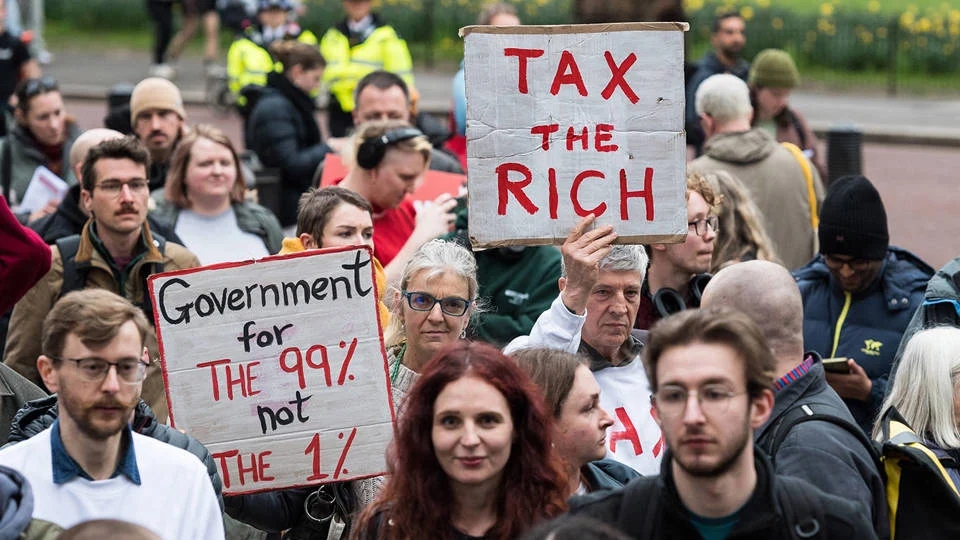
The international order, long governed by a set of post-WWII institutions, is facing a historic reckoning. From the bustling streets of Johannesburg to the halls of the United Nations, a consensus is emerging: the mechanisms that dictate sovereign debt, corporate taxation, and global progress are structurally skewed. As Brazilian President Luiz Inácio Lula da Silva recently articulated, the stability of global democracy is inextricably linked to "material dignity." Without a system that ensures ordinary citizens see their lives improve, the door remains wide open for populist and authoritarian actors to exploit widespread disillusionment.
The current global framework is increasingly viewed as both unjust and illegitimate by the global majority—nations and populations that bear the heavy costs of decisions made in boardrooms and capitals they do not influence. To move beyond mere rhetoric, experts and world leaders are now advocating for a wholesale redesign of the international financial architecture.
The Chronology of Discontent: From Crisis to Reform
The push for a new multilateral system did not emerge in a vacuum; it is the culmination of decades of systemic economic strain.
- 2008–2015: The aftermath of the global financial crisis exposed the fragility of debt-heavy economies, yet the existing "Paris Club" and G20 frameworks failed to provide adequate relief to emerging markets.
- 2024: Under Brazil’s G20 presidency, the movement to tax the "super-rich" gained significant international traction, placing wealth redistribution at the center of the global economic agenda.
- April 2026: President Lula da Silva addressed the inaugural Global Progressive Mobilisation meeting, explicitly linking domestic democratic health to the fairness of the international economic order.
- May 2026: UN Secretary-General António Guterres launched the Counting What Counts report, signaling a formal shift away from GDP-only metrics toward a more human-centric accounting of national progress.
- Present: Negotiations for the UN Framework Convention on International Tax Cooperation are currently underway, marking a potential shift in power from the OECD—often criticized as a "rich countries’ club"—to a more inclusive, UN-backed platform.
Supporting Data: The Cost of the Status Quo
The urgency of these reforms is backed by stark economic realities. The current financial architecture often functions as a wealth-extraction machine rather than a development engine.
The Debt Trap
For many developing nations, sovereign debt is not a tool for growth but a drain on public services. Malawi, for instance, has been forced to allocate approximately 43% of its total revenue to interest payments. This is not an anomaly; it is a structural feature of a system that prioritizes private bondholders over the basic health and climate-resilience needs of a nation’s population.
The Tax Deficit
Corporate tax avoidance remains a hemorrhage on the global economy. While the OECD/G20 "Inclusive Framework" attempted to establish a global minimum corporate tax, the final implementation was marred by exemptions—most notably for American multinationals—that gutted the proposal’s efficacy. Estimates suggest that a coordinated, ambitious minimum tax, combined with a 2% annual levy on the world’s billionaires, could raise upwards of $250 billion annually, providing the liquidity needed for global public investment.
Redesigning the Architecture: Concrete Mechanisms
To prevent the "reform" process from merely replacing one set of figureheads with another, proponents argue for binding, enforceable mechanisms that shift power to the global majority.
1. A Binding UN Sovereign-Debt Framework
The current debt-restructuring landscape is fragmented and opaque. A new UN-anchored framework would move decision-making from closed-door sessions to a transparent, multilateral table. Key requirements would include:
- Automatic Standstills: A pause on payments the moment restructuring talks begin.
- Comparability of Treatment: Ensuring private and public creditors share the burden of loss equally.
- Seniority for Essential Spending: Debt sustainability assessments that treat health and climate investments as senior claims, ensuring citizens aren’t starved of basic services to pay back predatory lenders.
2. Radical Transparency in Taxation
The proposed UN Framework Convention on International Tax Cooperation aims to move beyond the limitations of the OECD process. An effective convention must mandate the automatic exchange of financial information globally and set an effective minimum tax rate that leaves no room for "profit-shifting" or tax haven loopholes.
3. Challenging Illegitimate Debt
The international community requires a standing legal mechanism to adjudicate the legitimacy of sovereign debt. When public funds—such as the 1MDB scandal in Malaysia—are looted with the facilitation of international banks, the burden of repayment currently falls on the taxpayer. A new process would allow for the voiding of debts proven to be contracted through fraud or against the public interest, shifting the financial risk back to the "reckless lenders" rather than the victims of the corruption.
Official Responses and Political Obstacles
While the UN and leaders from the Global South are pushing for radical change, the reaction from established powers remains tepid. The "Global North" often pays lip service to equity while simultaneously enforcing domestic austerity measures.
Critics note a glaring hypocrisy: governments that advocate for global wealth taxes frequently refuse to tax the ultra-wealthy within their own borders. India, Brazil, and France are often cited as countries that lead with progressive rhetoric on the global stage while struggling to close domestic inequality gaps. This "gap" between international promises and domestic policy is the primary hurdle to success.
Implications: The Role of the Citizen
The fundamental takeaway from the current discourse is that a new international order cannot be built from the top down.
The Grassroots Engine
The "cleaner" paying half her wage for a commute, the farmer priced out of the fertilizer market, and the care worker whose labor remains uncounted in GDP metrics—these individuals are the primary victims of the current order. They are also its most vital agents for change.
If these groups remain on the periphery, the reform process will inevitably be captured by institutional inertia. For a truly equitable system to emerge, citizens must hold their leaders accountable on two fronts:
- In the Capitals: Demanding that domestic tax and spending policies align with the principles of equity they preach abroad.
- In the Conference Halls: Ensuring that the design of new international institutions is informed by the lived realities of the global majority, not just the technocratic interests of financial gatekeepers.
The Choice Ahead
We are not choosing between the old order and "chaos," as many proponents of the status quo suggest. We are choosing between an order that continues to facilitate the extraction of wealth from the vulnerable, and a new order designed to serve the global majority.
The tools for this transition—tax enforcement, debt reform, and human-centric progress metrics—already exist. The challenge, therefore, is not technical; it is political. The people who have been asked to pay for a set of rules they did not write are now demanding to hold the pen. Whether the international community allows them to do so will define the stability and legitimacy of the global order for the next century. The transition to a new system is not merely an economic necessity; it is a prerequisite for the survival of democracy itself.