The Great Migration Shift: How Affordability is Redrawing the Rental Map
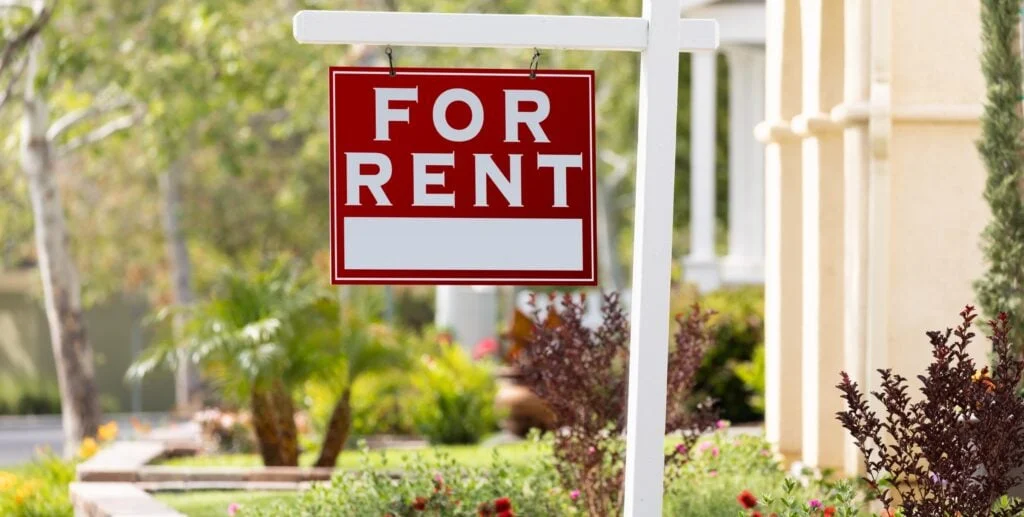
In the modern housing landscape, the digital search bar has become the new "test drive." Just as prospective car buyers meticulously research vehicle performance and safety ratings before stepping onto a lot, today’s renters are treating city-wide online searches as a digital scouting mission. By analyzing where prospective tenants are browsing before they ever pack a moving truck, economists have identified a clear, actionable trend: rental demand is pivoting away from historically high-cost coastal hubs toward mid-sized, affordable markets that offer better value for the dollar.
According to Zillow’s August 2026 housing report, the migration story of the last decade—characterized by a mass exodus from expensive coastal cities to the Sunbelt—is undergoing a significant evolution. While the Sunbelt remains a factor, renters are increasingly setting their sights on mid-sized cities that have quietly emerged as "bargain" alternatives. This shift suggests that the next decade of real estate growth will not be found in the headlines of yesterday, but in the emerging hubs of tomorrow.
The Geography of Affordability: Why Renters are Moving
For the past ten years, the narrative was simple: high costs in cities like San Francisco, New York, and Los Angeles pushed residents toward the warmer, more tax-friendly Sunbelt. However, as those Sunbelt markets have seen their own cost-of-living premiums rise, renters are looking further afield.
"Renters are finding alternative, mid-sized cities that quietly turned into a bargain while everyone was looking south," says Mischa Fisher, chief economist at Zillow. "Because rental demand runs a step ahead of the moving trucks, this could be a preview of where the country is going, not a recap of where it has been."
The data highlights a clear hierarchy of needs. Tenants are prioritizing job prospects alongside housing affordability. When primary, world-class cities become financially prohibitive, demand gravitates toward nearby secondary markets. Justin Donald, founder of The Lifestyle Investor, notes that many prospective tenants are willing to accept a 45-to-60-minute commute if it means living in a city that provides a higher quality of life, more square footage, and the ability to actually save money at the end of the month.
Buffalo and the Rising Stars: A Chronology of Demand
The shift in search behavior has been stark. Buffalo, New York, which was already recognized as one of Zillow’s "hottest markets" for 2024 and 2025, surged to the top of the list in August 2026, recording a 4.2% year-over-year increase in rental searches originating from outside its metro area.
This trend is not isolated to the Rust Belt. Houston (+3.4%) and New Orleans (+3.0%) have also seen significant spikes in outside interest. These figures are critical because they represent a "pipeline of arrivals"—a predictive indicator that population growth and subsequent rental demand are likely to follow.
Established Relocation Hubs
Beyond the emerging stars, some markets have already solidified their status as destination cities. Raleigh, North Carolina, leads the nation in this regard, with 59% of all rental listing views originating from outside the metro area. Similarly, Hartford, Connecticut—Zillow’s hottest market of 2026—sees 55.1% of its rental traffic from non-locals.
This behavior confirms a long-distance trend where renters are willing to traverse state lines to find "the sweet spot." For instance, Boston-area renters have accounted for 16.1% of views in Providence, Rhode Island, while New York City renters have driven 6% of the traffic in Hartford. In the West, Los Angeles residents are fueling 5.5% of the rental search volume in Las Vegas.
The Economic Implications for Investors
For the real estate investor, these search trends provide a valuable, albeit incomplete, picture. While high search volume is a primary indicator of interest, it does not guarantee immediate profitability. Investors must look at the intersection of "clicks" and "cash flow."
Zillow’s August 2026 data places the typical asking rent at $1,948, which requires an annual household income of roughly $77,919 to remain within the "affordable" threshold (defined as 30% or less of income). In the cities currently experiencing the highest demand, rents often fall comfortably below this national average, making them attractive to both tenants and investors looking for stable yields.
The "Local" Factor
While out-of-town searches signal potential growth, local demand is the bedrock of a stable rental market. Cincinnati, for example, recorded an 8.1% year-over-year increase in local rental searches, followed by Jacksonville (4.6%) and Columbus (3.2%). A market that attracts both long-distance migrants and local residents is generally considered a safer bet for investors, as it indicates a diverse and sustainable economic ecosystem.
Institutional vs. Individual: The Battle for Market Share
A critical nuance in this evolving landscape is the role of the "Mom-and-Pop" landlord versus institutional investors. Historically, large institutional players have concentrated their single-family home acquisitions in the Southeast and Southwest. In cities like Atlanta and Jacksonville, these firms may control upwards of 20% of the single-family rental market.
Conversely, the Midwest and Northeast remain largely dominated by individual, smaller-scale investors. This presents a unique opportunity for those interested in small multifamily properties. By utilizing strategies such as "house hacking" or FHA-backed financing, small investors can compete in these regions with lower entry costs and potentially higher cash-on-cash returns than in the saturated, high-institutional-density markets of the South.
Stress-Testing the Investment
Before committing capital to a "trending" city, investors must adopt a rigorous analytical framework. A high volume of online searches is a strong starting point, but it must be tempered by a reality check.
Essential Metrics for Market Evaluation
- Employment Stability: Utilize the Bureau of Labor Statistics (BLS) to track local job growth. A market with high rental demand but stagnant employment is a "yield trap" that could lead to future vacancy issues.
- Construction Pipelines: Consult Census Bureau building-permit data. If a city is seeing a massive influx of new apartment complexes, the resulting supply surge could dampen rent growth for existing properties.
- The "Concession" Indicator: If local listings are frequently offering "one month free" or other incentives, it is a red flag that landlords are struggling to fill units, despite what search volume might suggest.
- Cash Flow Stress-Testing: Investors should perform a "pessimistic" analysis. Run numbers assuming higher vacancy rates, lower rent, and unexpected major repairs. If the property still breaks even under these conditions, it is a sound investment.
Conclusion: The Narrowing Window
The window to capitalize on these emerging markets is likely shorter than many investors anticipate. As Mischa Fisher aptly noted, an "affordability advantage never stays a secret for long." As the digital breadcrumbs of thousands of renters lead the way, institutional capital and increased competition are sure to follow.
For the forward-thinking investor, the strategy is clear: look beyond the national headlines, ignore the noise of the "hottest" markets of the past, and focus on the data-driven migration patterns of today. By identifying cities that offer a genuine cost-of-living advantage—supported by robust job growth and a healthy balance of local and newcomer interest—investors can position themselves for long-term, sustainable cash flow in the next generation of American rental hubs.