Regulatory Net Tightens: Florida Suspends Atlantic Coast Life Insurance Amid Financial Instability
By Insurance Industry Correspondent
The regulatory walls surrounding Atlantic Coast Life Insurance Company (ACL) have closed in further this week. Just two weeks after the South Carolina Department of Insurance (SCDOI) initiated rehabilitation proceedings to stabilize the firm, Florida’s top insurance regulator has delivered a decisive blow, suspending the company’s certificate of authority (COA) to conduct business in the Sunshine State.
The move by Florida Commissioner Michael Yaworsky marks a significant escalation in a deepening crisis for Advantage Capital Holdings (A-Cap), the parent company led by CEO Kenneth King. The suspension, formalized in an immediate final order signed Wednesday, September 30, cites both the ongoing South Carolina rehabilitation efforts and severe concerns regarding ACL’s internal financial health.
The Core Crisis: Overexposure and Asset Impairment
At the heart of the regulatory intervention is a pattern of high-risk investment strategies that have left Atlantic Coast Life and its reinsurance subsidiary, Southern Atlantic Re, in a precarious position. Regulators in both South Carolina and Florida have leveled serious allegations against the firm, primarily centering on its heavy overexposure to the collapsed investment firm 777 Partners.
Furthermore, state officials have accused the company of failing to maintain transparency regarding investments made with affiliate firms. This lack of disclosure, combined with a portfolio heavily weighted toward speculative assets, has led to a dramatic erosion of the insurer’s statutory surplus.
In his order, Commissioner Yaworsky provided a granular look at the company’s deterioration. While the insurer reported a surplus of $86 million in September 2025—seemingly a healthy buffer above the statutory minimum—Florida law imposes strict limitations on how much value can be attributed to investments in subsidiaries and affiliated firms when calculating surplus. When those regulatory filters were applied, the company’s "impaired surplus" revealed a staggering shortfall of nearly $140 million.
By the second quarter of 2026, the situation had worsened. The company reported a surplus of $47 million, failing to meet the required $55 million statutory threshold. Once again, when adjusted for prohibited investment concentrations, the impaired surplus ballooned to approximately $170 million.
A Chronology of Regulatory Friction
The path to the Florida suspension has been fraught with legal maneuvers and financial downgrades. The timeline of the past month highlights the mounting pressure on A-Cap:
- Mid-September 2026: AM Best, the prominent financial rating firm, downgraded the financial strength ratings of both Atlantic Coast Life and its sibling entity, Sentinel Security Life, signaling deep concern over their capital adequacy.
- Late September 2026: South Carolina DOI Director Michael Wise formally petitioned a court to place the insurers into rehabilitation, alleging they were "financially hazardous" and had engaged in inappropriate, high-risk investments.
- September 2026 (Following the Petition): A-Cap launched a aggressive counter-offensive, filing a lawsuit against Director Wise and accusing the regulator of acting recklessly.
- September 29, 2026: Recognizing the gravity of the regulatory environment, A-Cap abruptly dropped its lawsuit against the South Carolina regulator, agreeing instead to enter into formal mediation.
- September 30, 2026: Florida Commissioner Michael Yaworsky signed the final order suspending Atlantic Coast Life’s authority to operate in Florida, citing the firm’s inability to maintain the required statutory surplus.
Operational Impact and Policyholder Protection
For the thousands of Floridians holding policies with Atlantic Coast Life, the suspension introduces a period of significant uncertainty. According to Florida state data, as of August 2026, the company maintained 6,001 annuity policies, 986 life insurance policies, and 19 accident and health policies, representing approximately $13 million in premiums collected this year.
Under the terms of the suspension order, Atlantic Coast Life is strictly prohibited from soliciting new business or renewing existing policies within the state. However, the order explicitly mandates that the insurer must continue to service all in-force policies. The company is legally obligated to honor its liabilities for claims and unearned premiums, provided those obligations remain in existence.
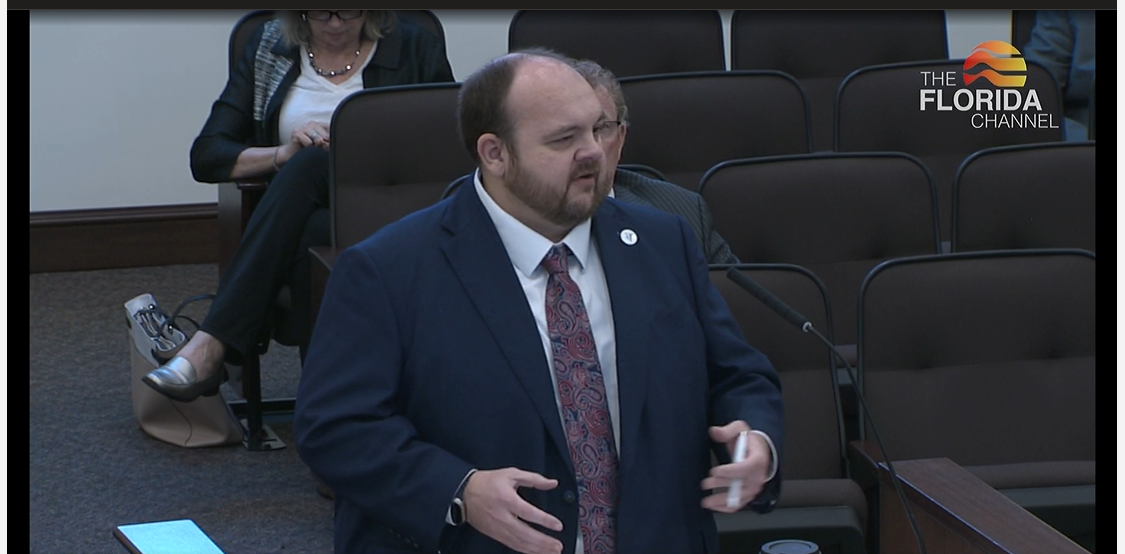
Commissioner Yaworsky underscored the gravity of the situation in a statement to the Insurance Journal: "Atlantic Coast’s concerning financial condition led to our office issuing an Immediate Final Order and urgent notice to insurance agents to halt any further transactions within Florida. The Florida Office of Insurance Regulation has been closely monitoring this matter, and like all states, Florida has a wide array of tools to monitor the financial condition of insurers, and we will continue to take action when necessary."
Corporate Response and Restructuring Efforts
A-Cap, which is currently undergoing a scheduled takeover by the investment giant Oaktree Capital Management, remains defiant regarding the characterization of its financial health. In a statement released Thursday, the company maintained that it is working to resolve the regulatory impasse.
"We disagree with the Florida Office of Insurance Regulation’s action and intend to work in good faith to resolve this matter expeditiously," the company statement read. "In the meantime, Atlantic Coast Life remains focused on meeting its obligation to policyholders and completing the capital raise and corporate restructuring initiatives now underway."
The mention of a "capital raise" is central to A-Cap’s defense. CEO Kenneth King and his leadership team have consistently disputed the notion that their dealings with 777 Partners render them unable to satisfy policyholder claims. They argue that the rehabilitation proceedings in South Carolina—and now the Florida suspension—are premature or based on a misunderstanding of their long-term investment strategy.
Broader Implications for the Life Insurance Sector
The plight of Atlantic Coast Life has sent ripples through the insurance industry, drawing comparisons to previous high-profile collapses. Market analysts are increasingly pointing to parallels between the A-Cap situation and the previous struggles of Greg Lindberg’s life insurance empire, which also faced intense scrutiny over the quality of assets held by its subsidiaries.
The current situation highlights a growing trend among state regulators: a more aggressive stance toward "private equity-owned" insurers. As insurance companies increasingly turn to complex, private-label assets to boost yields in a fluctuating interest rate environment, state departments of insurance are recalibrating their oversight. The "look-through" approach applied by Florida, which discounted the value of affiliated investments, serves as a warning to other firms that rely on internal capital structures to meet statutory requirements.
The Road Ahead
For Atlantic Coast Life, the immediate future will be defined by the outcome of the South Carolina rehabilitation proceedings and the success of the Oaktree Capital takeover. The Florida suspension will remain in effect indefinitely until the Office of Insurance Regulation is satisfied that the company has regained a stable financial footing and returned to a surplus that complies with statutory mandates.
Policyholders in Florida are advised to monitor official communications from the Florida Office of Insurance Regulation. While the company is currently obligated to pay claims, the ongoing rehabilitation process in its home state suggests that the firm remains in a state of extreme financial flux. Industry experts suggest that the coming months will be a critical test of whether the company’s proposed restructuring can provide the necessary liquidity to satisfy both its regulators and its policyholders.
As the industry watches, the case of Atlantic Coast Life stands as a stark reminder of the delicate balance between aggressive investment returns and the foundational requirement of solvency that underpins the entire life insurance sector.