The Great Installment War: How Banks and Fintechs are Transforming the Future of Credit
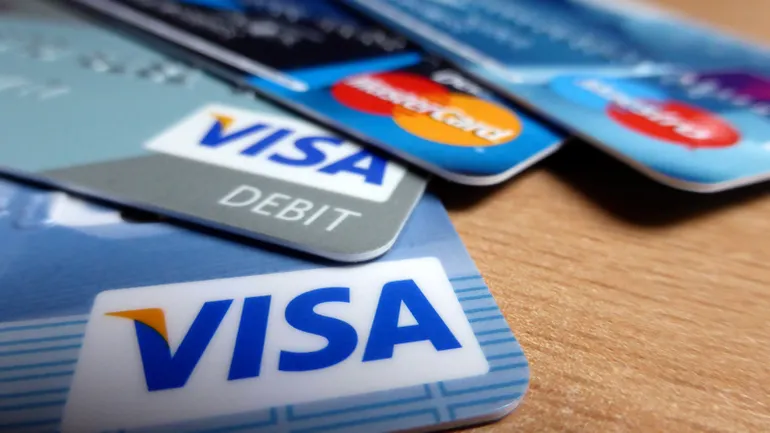
The landscape of consumer credit in the United States is undergoing a seismic shift. For decades, the divide between the revolving credit card and the immediate, cash-backed debit card was clear. However, the rise of Buy Now, Pay Later (BNPL) services—spearheaded by digital-first fintechs—has blurred these lines, turning the humble debit card into the latest frontier of the lending wars.
As fintech giants like Klarna, Affirm, and PayPal continue to encroach upon traditional banking territory, the largest financial institutions in the country are no longer standing on the sidelines. They are responding with their own installment-based lending products, signaling a broader attempt to recapture the younger, credit-conscious demographic that has fueled the BNPL explosion.
The Evolution of Installment Lending: A Chronology of Disruption
The modern BNPL movement, characterized by point-of-sale financing, gained significant momentum around 2019. It promised consumers a frictionless way to break up large purchases into interest-free installments, effectively bypassing the traditional credit card application process.
- 2019: The market began to see explosive growth as fintech providers aggressively marketed "pay-in-four" models. Concurrently, major institutions like Citi introduced flexible payment options for existing credit card holders, signaling an early realization that installment features would become a standard expectation.
- 2021–2022: As BNPL usage surged—driven by pandemic-era digital spending—banks began to view these fintechs as direct threats to their interchange and interest income. JPMorgan Chase entered the fray with its "Pay in 4" plan, specifically targeting debit card purchases between $50 and $400.
- 2023–2024: The industry saw a maturation phase. The Consumer Financial Protection Bureau (CFPB) began scrutinizing the sector, noting that loan originations among the six largest providers jumped from 20 million in 2019 to 336 million by 2023.
- 2025–2026: The battle moved toward the "debit-first" consumer. Major banks, including Bank of America and U.S. Bank, further refined their credit card installment offerings, while fintechs like Affirm began pivoting toward B2B partnerships to embed their technology directly into the infrastructure of regional and community banks.
Supporting Data: The Scale of the BNPL Phenomenon
The sheer volume of BNPL usage suggests that this is not merely a passing trend but a structural change in how Americans manage their household budgets. According to data from the CFPB, approximately 54 million Americans utilized a BNPL product in 2023, with the average loan hovering around $135. This low-ticket, high-frequency usage pattern is precisely what makes the debit card a strategic target.
A recent study by market analytics firm J.D. Power reveals that over one-third (37%) of U.S. adults—and half of all consumers under 40—used a BNPL product within a 90-day window as of early 2026. Perhaps most crucially for traditional banks, the survey found that users actually expressed higher satisfaction with BNPL products offered by their existing banks compared to those offered by standalone fintech providers. This indicates that "brand trust" remains a powerful moat for established financial institutions.
Affirm, identifying the massive "debit-first" population, estimates that there are 130 million Americans who avoid credit cards entirely. These consumers represent a combined $140 billion in annual spending. By capturing even a fraction of this market, banks and fintechs stand to generate significant revenue through transaction fees and merchant partnerships.
The Bank Response: Why Debit is the New Battlefield
The traditional bank response to the BNPL threat has been two-fold: enhancing existing credit card products and exploring the integration of installment capabilities into debit accounts.
Bank of America, the second-largest U.S. bank, recently rolled out a flexible-payment option that allows credit cardholders to replace interest payments on specific purchases with a fixed monthly fee over three to 18 months. Lora Monfared, head of consumer credit card products at BofA, noted that the product was developed specifically because customers were demanding more structure and transparency regarding their monthly financial obligations.
Similarly, JPMorgan Chase has maintained its focus on the debit segment, charging a $5 fee for missed or late payments on its "Pay in 4" debit plans. This model serves as a direct competitor to the fintech "pay-later" model while keeping the user within the bank’s ecosystem.
However, the strategy is not uniform. Some institutions, like Citi and KeyBank, have taken a more cautious approach. KeyBank, for instance, has stated that while they are "constantly scanning the market landscape," a dedicated BNPL product is not yet an immediate priority. Josh Miller, who oversees product development at KeyBank, noted that the institution would likely pivot only if market consensus—the "herd"—moved decisively in that direction.
The Fintech Pivot: Affirm’s B2B Strategy
Recognizing that many smaller regional banks and credit unions lack the technical resources to build their own proprietary BNPL engines, companies like Affirm are shifting their business models. Instead of competing solely as a consumer-facing app, they are positioning themselves as an infrastructure partner.
By forming strategic alliances with core banking processors like Fiserv and Fidelity National Information Services (FIS), Affirm is providing a "plug-and-play" solution. This allows community banks to offer BNPL features on their debit cards with what Affirm describes as "minimal technical lift."
Wayne Pommen, Affirm’s chief revenue officer, emphasized that this move is designed to capture the debit-first demographic without forcing banks to assume significant credit risk or undergo heavy digital transformation. "There’s an enormous opportunity to partner with those banks and bring them that functionality," Pommen said. "We can give them an offering that allows them to get the capability to serve the customer’s need… without having to do really barely any technical lift."
Implications for the Future of Consumer Finance
The ongoing integration of BNPL into the debit card ecosystem has profound implications for the future of the financial sector:
1. The Erosion of the "Credit-Debit" Divide
For decades, the debit card was synonymous with "paying with your own money," and the credit card with "borrowing." As BNPL features become standard on debit accounts, the consumer experience is becoming agnostic to the underlying account type. This shift could lead to higher levels of consumer debt, as the psychological barrier of "borrowing" is lowered by the ease of point-of-sale installments.
2. A War for Data and Loyalty
For banks, the primary goal is not just the interest or the fee; it is the data. By offering BNPL services, banks can gain deeper insights into the spending habits of younger, credit-averse consumers. This data is invaluable for cross-selling other products, such as mortgages, auto loans, or high-yield savings accounts.
3. Consolidation and Partnership
The market is likely to see further consolidation between fintech innovators and legacy financial institutions. While big players like Chase and BofA have the capital to build their own systems, smaller banks will likely rely on third-party fintech providers to remain competitive. This creates a "platformization" of banking, where the bank provides the customer base and the regulatory charter, while the fintech provides the technological engine.
4. Regulatory Scrutiny
As these installment plans move into the mainstream, the regulatory environment is expected to tighten. The CFPB has already signaled its intent to monitor the growth of these products to ensure consumers are not trapped in cycles of debt. Future regulations may require greater transparency regarding fees, clearer disclosure of APR-equivalent costs, and more robust dispute resolution mechanisms for installment-based purchases.
Conclusion
The battle over installment lending is far from over. While traditional banks hold the advantage of established trust and a massive existing customer base, fintechs possess the agility and technological prowess that defined the current generation of digital commerce. As both sides converge on the debit card as the primary vehicle for consumer credit, the ultimate winner will be the entity that can provide the most seamless, transparent, and user-friendly experience. For the American consumer, the ability to "pay later" is rapidly becoming a standard expectation of the modern banking experience, changing the way we shop, spend, and save.