The Golden Years at Home: The Critical Blueprint for Aging in Place
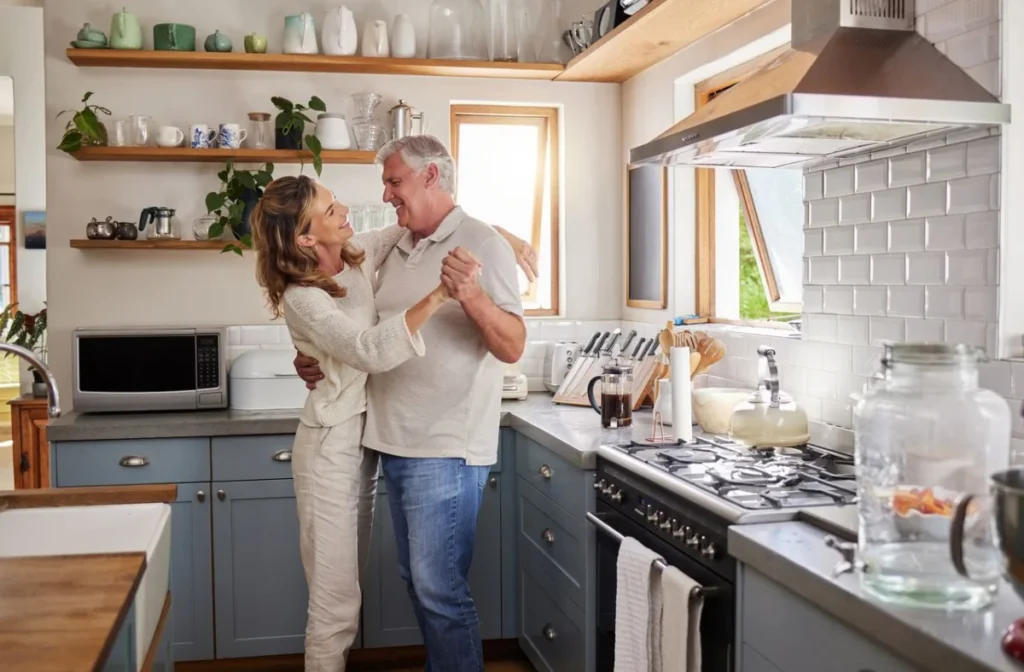
For millions of Americans, the phrase "home is where the heart is" is more than a sentiment; it is a life-long commitment. As the baby boomer generation reaches retirement age in record numbers, a profound shift is occurring in how retirees view their living arrangements. The overwhelming majority express a desire to "age in place"—to remain in their own homes and communities rather than transitioning to assisted living facilities or nursing homes.
However, while the emotional desire to stay put is universal, the physical reality of the average American home is often at odds with the needs of an aging body. A home that served a family of four perfectly well in the 1990s may, by the 2020s, become a landscape of hazardous obstacles. From the silent threat of steep staircases to the mobility-limiting narrowness of bathroom doorways, the transition from "family home" to "retirement sanctuary" requires more than just good intentions—it requires strategic, proactive remodeling.
The Physical Reality: Identifying the Hidden Hazards
The primary obstacle to successful aging in place is a lack of foresight regarding structural accessibility. Many homeowners wait until a mobility-limiting event—such as a fall or a chronic health diagnosis—occurs before considering modifications. At that point, the process is often reactive, expensive, and stressful.
The "Silent" Architectural Obstacles
Architects and geriatric specialists frequently point to three specific areas where homes fail the aging population:
- Verticality: The two-story suburban home, once a badge of success, becomes a vertical prison for those with mobility issues. Without a primary bedroom and full bathroom on the ground floor, a retiree’s living space is effectively halved.
- The Bathroom Bottleneck: Traditional tub-shower combinations are statistically the most dangerous feature in a home. Stepping over a high porcelain edge, often on a wet surface, is a leading cause of traumatic falls.
- Corridor Constraints: Hallways and doorways designed decades ago rarely account for the width required for a walker or a wheelchair. A 28-inch doorway can render a home inaccessible overnight should a resident require assistive mobility devices.
A Chronology of Planning: When to Act
The most successful retirement outcomes are rooted in a "phased approach." Waiting until the age of 80 to address accessibility is a recipe for crisis management rather than lifestyle design.
Phase 1: The "Pre-Retirement" Audit (Ages 55–65)
During this stage, homeowners should focus on "universal design" principles. This involves installing lever-style door handles (which are easier to operate for those with arthritis), upgrading to touch-less faucets, and ensuring that all floor transitions between rooms are flush to prevent tripping. This is also the time to improve task lighting in kitchens and stairwells.
Phase 2: The "Mid-Retirement" Optimization (Ages 65–75)
This phase requires more invasive structural changes. It is the time to prioritize the "first-floor living" concept. If a house lacks a ground-floor suite, remodeling a dining room or study into a bedroom and adding a curbless, roll-in shower is essential.
Phase 3: The "Advanced Maintenance" Stage (Age 75+)
At this stage, the focus shifts to smart-home integration. Motion-sensor lighting that guides a path to the bathroom at night, voice-activated smart speakers for emergency communication, and the removal of all area rugs are critical final steps to maintaining independence.
Supporting Data: The Economics of Accessibility
The financial implications of aging in place are nuanced. According to data from the National Association of Home Builders (NAHB), the cost of remodeling for aging in place can range from $5,000 for basic safety modifications (grab bars, lighting, non-slip flooring) to upwards of $100,000 for major layout overhauls, such as installing a home elevator or expanding a bathroom to ADA standards.
While these costs appear steep, they must be weighed against the alternative. The median annual cost of a private room in a nursing home facility in the United States now exceeds $100,000. In this light, a $50,000 home renovation is not an expense, but a capital investment that pays for itself in just six months of avoided institutional care.
Furthermore, properties that incorporate universal design features often see higher resale value. A "no-step" entrance and a wide-entry master bathroom are features that appeal to a broader demographic, including younger families with strollers and homeowners who are themselves planning for their long-term future.
Official Perspectives: The Regulatory and Medical Consensus
Public health officials and urban planners have begun to formalize the "aging in place" movement. The AARP’s "Network of Age-Friendly States and Communities" encourages local governments to update building codes to mandate wider doorways and structural support for future grab-bar installations in new construction.
Medical professionals, particularly occupational therapists (OTs), are now playing a larger role in residential design. An OT assessment is arguably the most valuable "pre-remodel" investment a retiree can make. These professionals visit the home to analyze the resident’s specific gait, reach, and dexterity to provide a customized map of what needs to change.
"It is not about making a home look like a hospital," says Dr. Elena Rodriguez, a specialist in geriatric architecture. "It is about ‘stealth accessibility.’ The goal is to design a space that is aesthetically pleasing for a 40-year-old but entirely functional for an 85-year-old. Good design should be invisible."
The Psychological and Societal Implications
The move to institutional care often results in a rapid decline in mental health for many seniors, characterized by a loss of autonomy and a separation from long-term social networks. Aging in place fosters a sense of agency. By maintaining the home—managing the garden, cooking in a familiar kitchen, and staying within a neighborhood of long-term friends—seniors are significantly more likely to report higher levels of life satisfaction and mental acuity.
However, there is a societal responsibility as well. Communities must evolve to support those who stay home. This includes reliable public transit for those who can no longer drive, neighborhood-based volunteer networks to help with heavy home maintenance, and the expansion of telehealth services to reduce the burden of frequent hospital visits.
Assessing Your Own Space
Is your home a foundation for a long, independent life, or a ticking time bomb of structural hazards? The transition to an age-friendly home is rarely a one-time event; it is a continuous process of observation and adjustment.
Ask yourself the following questions:
- The Entrance: Is there a way to enter my home without using stairs?
- The Path of Travel: Can I navigate from my bed to the kitchen and the bathroom without encountering a single rug, cord, or narrow doorway?
- The Bathroom: If I were to lose my balance today, are there sturdy, professionally installed grab bars in the shower and near the toilet to catch me?
- The Lighting: Can I see clearly into every corner of the house, particularly at night, without needing to fumble for light switches?
If the answer to any of these is "no," the time to act is now. While the initial planning may seem daunting, the peace of mind—and the continued ability to call your house "home"—is the ultimate return on investment.
As we look toward the future of retirement, the definition of a "dream home" is changing. It is no longer defined by the square footage or the curb appeal of the exterior. Instead, the modern dream home is defined by the freedom it provides to its inhabitants, allowing them to remain the masters of their own domain for as long as possible. Don’t wait for a crisis to decide how you will live; start the conversation with your family, consult with an occupational therapist, and begin the modifications that will ensure your golden years are lived exactly where you want them to be: at home.