The Evolution of Personal Finance: Moving Beyond Quicken in 2026
For nearly four decades, Quicken served as the gold standard for personal finance management. First hitting the market in the 1980s, it defined the category for millions of users who wanted to track their bank balances, categorize spending, and reconcile their checkbooks on a desktop computer. However, as the financial landscape has shifted toward mobile-first, cloud-based, and AI-driven solutions, the venerable software—now branded as Quicken Classic—has found itself facing stiff competition from a new generation of agile, often more affordable, financial applications.
In 2026, the question is no longer whether you should use an app to manage your money, but which app best aligns with your specific financial goals. With the rise of subscription-based software models, users are increasingly evaluating the return on investment for their personal finance tools.

The Shift in Financial Management: A Chronology
The evolution of personal finance software tracks closely with the broader digitization of our lives.
- The 1980s–1990s (The Desktop Era): Quicken dominated by digitizing the paper ledger. The focus was on local data storage and manual entry.
- The 2000s–2010s (The Web Integration Era): As online banking became ubiquitous, tools like Mint (now defunct) and Personal Capital (now Empower) introduced account aggregation, allowing users to sync their bank accounts to see a holistic view of their financial health.
- The 2020s–Present (The Mobile-First & AI Era): Modern tools like Monarch Money and Origin have pivoted toward mobile-first interfaces, predictive AI budgeting, and collaborative features for couples, signaling that the future of finance is social, automated, and omnipresent.
Supporting Data: Why Users are Switching
The primary driver for the migration away from legacy software is the demand for "frictionless" finance. Modern users expect real-time synchronization, intuitive visualization of net worth, and, increasingly, help with debt management and investment tracking.

According to recent market analysis, users are prioritizing the following features when selecting a successor to Quicken:
- Cross-Platform Accessibility: The ability to check balances and log expenses from both a smartphone and a browser.
- Investment Insights: Moving beyond simple transaction categorization to understanding portfolio performance, asset allocation, and retirement projections.
- Collaborative Tools: The ability for partners to view shared financial goals without compromising individual privacy.
- Cost Transparency: While many tools are subscription-based, users are gravitating toward those that offer clear, tiered pricing models or robust free versions.
Top Contenders for the Modern Investor
1. Monarch Money: The All-Rounder
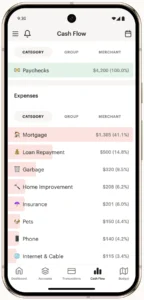
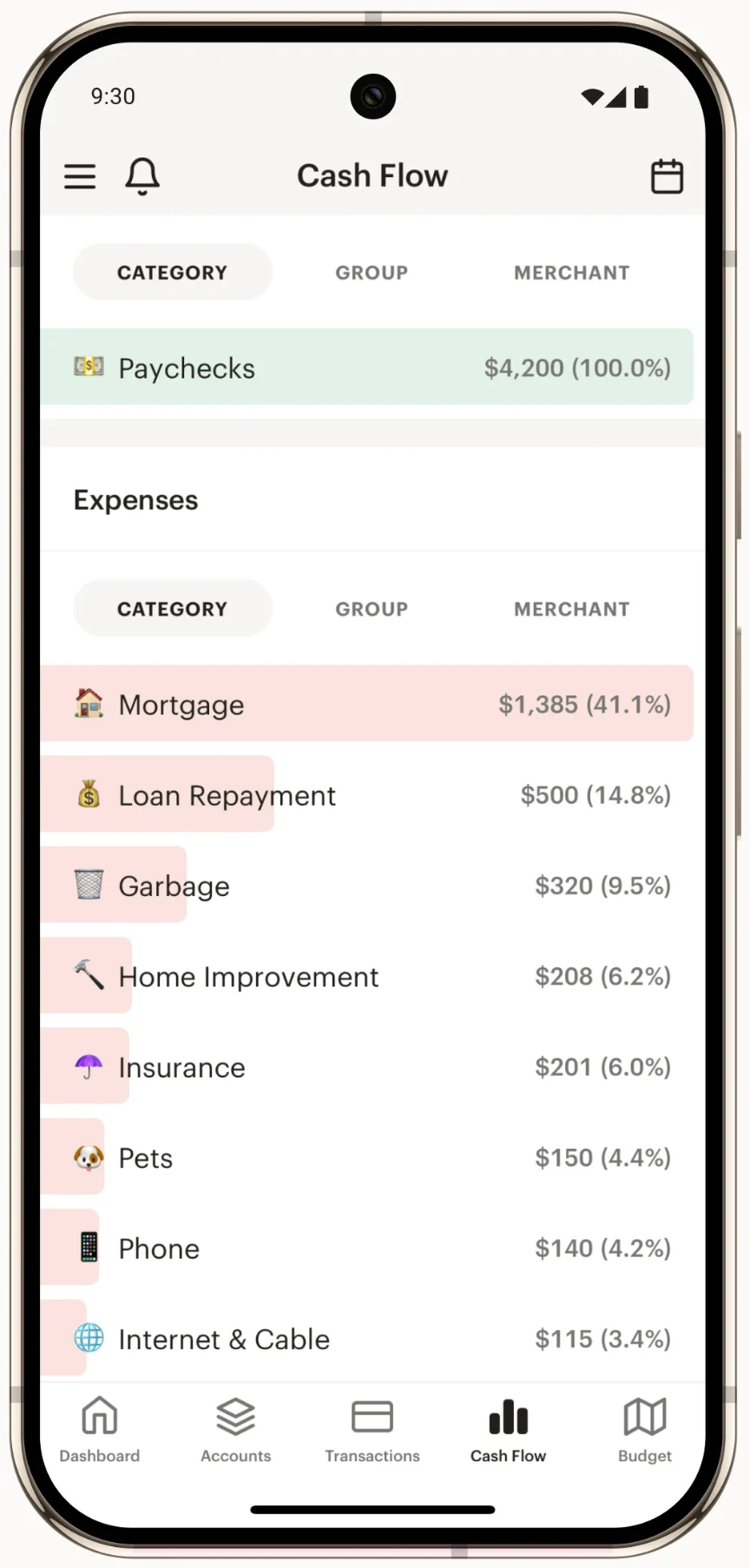
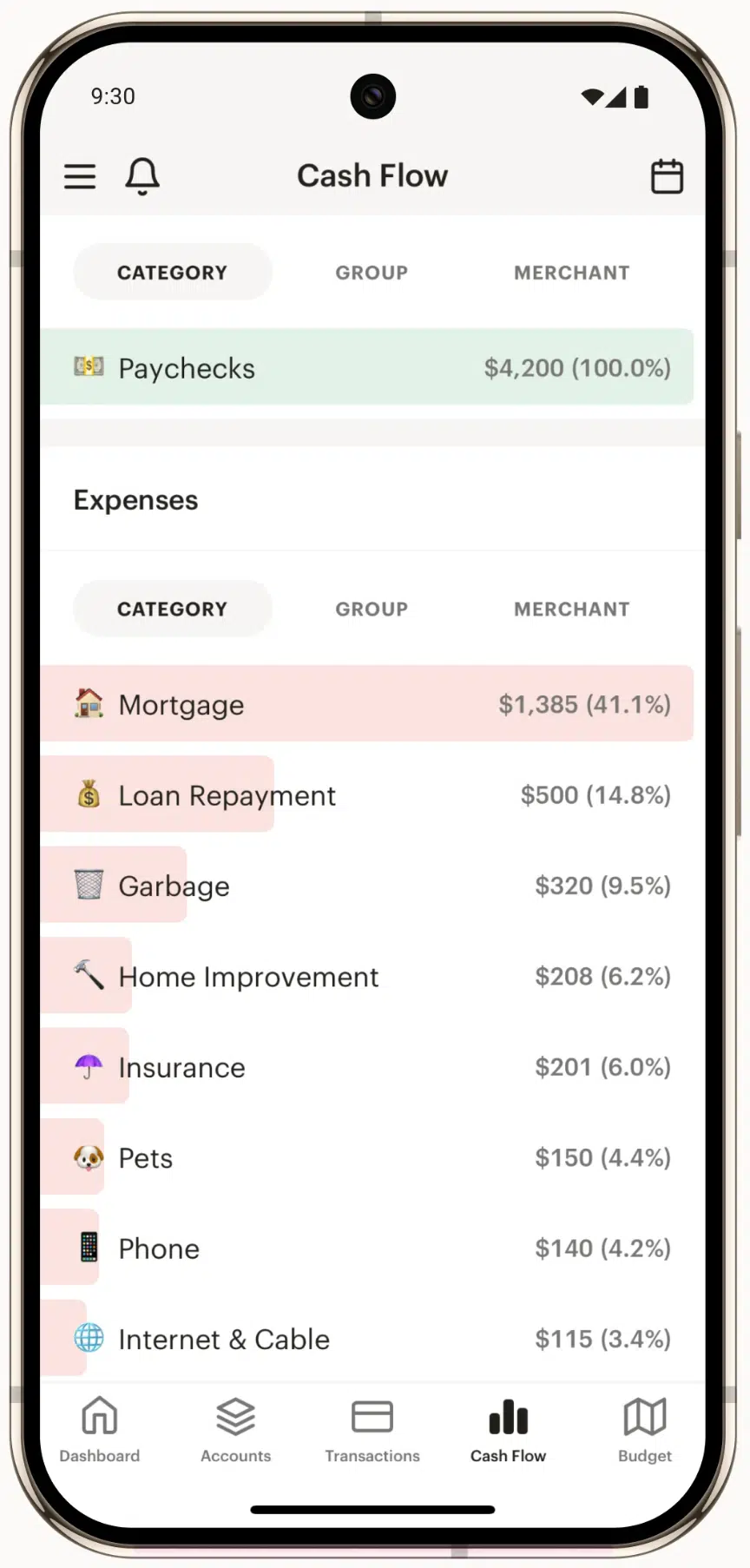
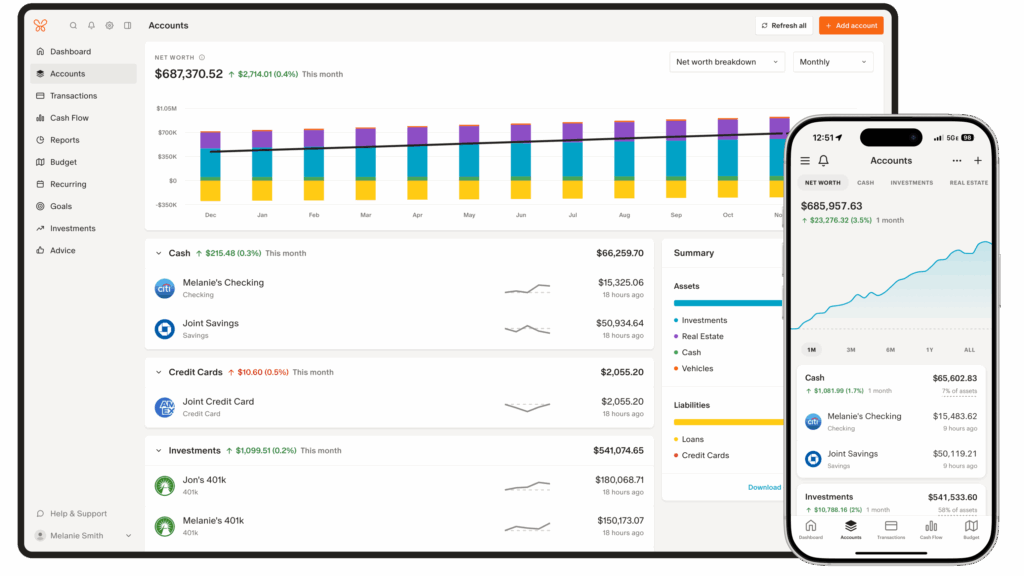
Monarch Money has emerged as the premier successor for those who find Quicken’s interface dated. With an Apple App Store rating of 4.9, it excels at "Flex Budgeting"—a system that allows users to adjust budgets for the natural volatility of monthly expenses.

- Key Strength: Its collaborative features allow couples to manage their finances together while maintaining separate login security.
- Why it works: It offers a clean, ad-free experience that prioritizes user privacy and customization.
2. Quicken Simplifi: The Streamlined Alternative
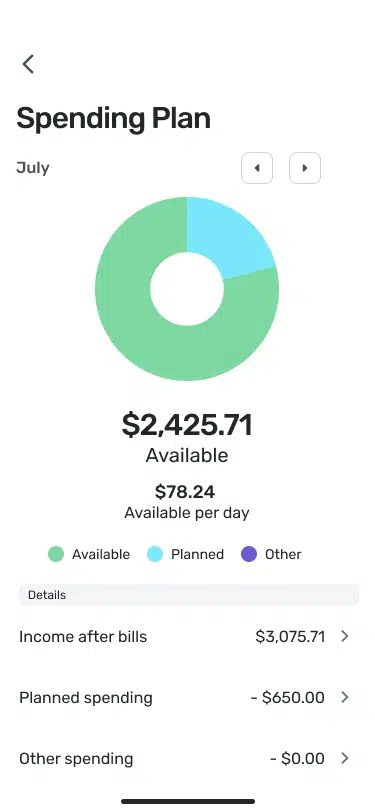
Developed by the team behind Quicken, Simplifi is the brand’s answer to the "mobile-first" challenge. It strips away the complexity of the legacy desktop software in favor of a "spending plan" model.
- Key Strength: It is remarkably efficient at monitoring recurring subscriptions and projecting cash flow.
- Why it works: It serves as a bridge for legacy Quicken users who want a modern interface but still trust the brand’s data integrity.
3. Empower: The Powerhouse for Net Worth
Formerly known as Personal Capital, Empower remains the go-to for investors. Unlike budgeting-focused apps, Empower is built around the "Total Wealth" view.

- Key Strength: Advanced investment tracking. It allows users to analyze portfolio fees, asset allocation, and retirement readiness.
- Why it works: It is completely free, making it the most robust tool for users who prioritize wealth management over granular, transaction-by-transaction budgeting.
4. Origin: The AI-Integrated Planner
Origin represents the cutting edge of personal finance by integrating AI to automate complex tasks.
- Key Strength: AI-driven financial planning. The software can suggest savings strategies, help with tax preparation, and even assist in creating wills and trusts.
- Why it works: It is an all-in-one financial hub for those who want their app to do the "heavy lifting" of financial planning rather than just reporting on past behavior.
5. You Need A Budget (YNAB): The Envelope Specialist
YNAB is less about tracking and more about behavior modification. It is built on the "zero-based budgeting" principle, where every dollar is assigned a specific job.
- Key Strength: Its strict methodology is highly effective for those struggling with debt or living paycheck to paycheck.
- Why it works: The psychological satisfaction of assigning money to categories leads to higher savings rates for many users.
Implications for the Consumer
The movement away from legacy desktop software implies a fundamental shift in how we relate to money. In the past, we looked at our finances as a historical record—a way to see what we spent last month. Today, we look at our finances as a forward-looking strategy. We want to know not just what we spent, but what we should spend, how our investments are projected to grow, and how we can achieve our retirement goals sooner.
However, this convenience comes with a trade-off. By centralizing all financial data in the cloud, users are placing significant trust in these companies. It is imperative that users verify the security protocols of their chosen app, ensuring that it uses bank-level encryption and offers multi-factor authentication (MFA).
Frequently Asked Questions
Is there a truly free alternative to Quicken?
Yes. Empower is widely considered the best free tool on the market, particularly for those who prioritize investment tracking. If you are looking for pure budgeting, some apps offer limited free tiers, but the most robust, ad-free experiences typically require a subscription.
Can I export my old Quicken data to these new apps?
In most cases, yes. The industry standard is the CSV (Comma Separated Values) format. Most modern apps provide import tools that allow you to upload your historical transaction data, though you may need to map your old categories to the new app’s category structure.

Do these apps offer the same level of tax support as Quicken?
Generally, no. While tools like Origin offer tax preparation assistance, they are not a replacement for full-scale tax software like TurboTax or professional accounting services. They are designed to track and organize your financial reality, not to file your government returns.
Which app is best for couples?
Monarch Money is the gold standard for couples. Its ability to create a shared "household" view while allowing both partners to link their individual accounts makes it the most effective tool for managing joint financial health.
Conclusion: Finding Your Financial Partner
The "best" budgeting app is the one you will actually use consistently. For some, the granular, spreadsheet-style control of YNAB is the key to success. For others, the high-level investment and net worth tracking of Empower provides the most value.
If you are a former Quicken user, the most important takeaway is that you are no longer limited to a desktop-bound, manual-entry experience. Whether you choose the AI-powered capabilities of Origin, the collaborative nature of Monarch, or the investment-focused dashboard of Empower, the tools of 2026 are designed to give you more insight, more control, and ultimately, more peace of mind regarding your financial future. As always, take advantage of the 7-day free trials most of these companies offer to determine which interface and feature set feels most intuitive for your specific needs.