The Endangered Species Act Under Siege: A Fragile Victory for South Florida’s Reptiles Amidst Unprecedented Deregulation
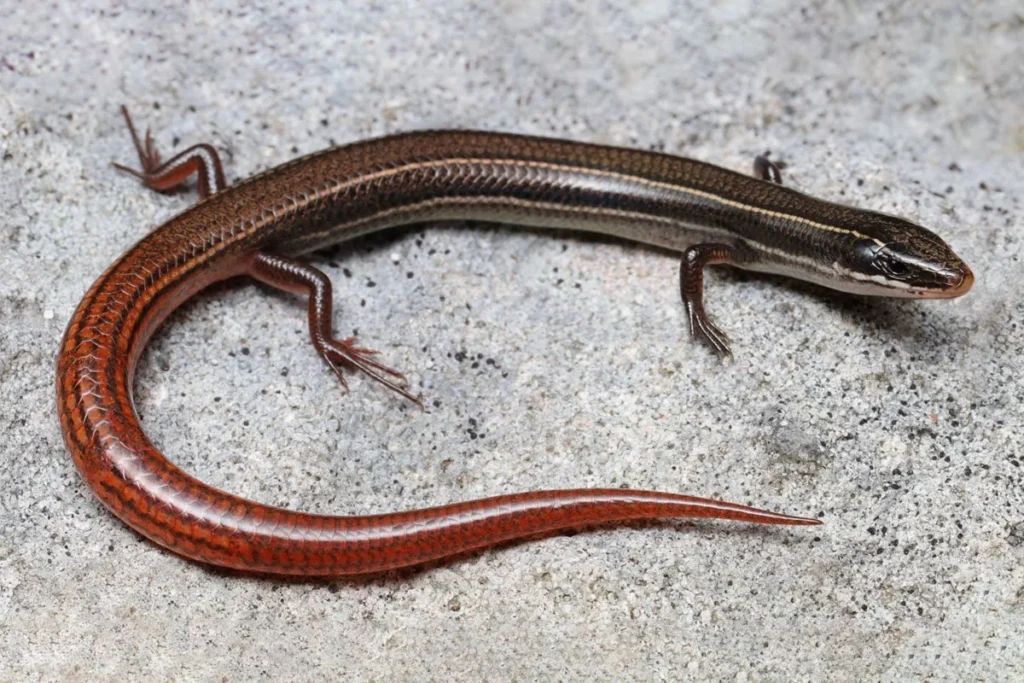
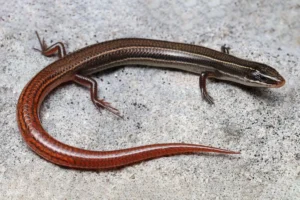
On July 21, 2026, a milestone was reached in the halls of federal environmental policy: the Florida Keys mole skink, the Key ringneck snake, and the rim rock crown snake were officially granted protection under the Endangered Species Act (ESA). For conservationists, the move was a long-awaited triumph. For the administration, it was a rare deviation from a broader, aggressive campaign to dismantle the very framework designed to protect the nation’s most vulnerable wildlife.
The listing of these three reptiles marks the first time in the second term of the Trump administration that new species have been added to the endangered list. According to the Center for Biological Diversity (CBD), which spent over a decade lobbying for these protections, this interval represents the longest period any administration has gone without listing a new species in the 50-year history of the landmark law.
The Fragile State of South Florida’s Ecosystems
The three species newly granted status—the Florida Keys mole skink, the Key ringneck snake, and the rim rock crown snake—are endemic to highly restricted habitats across Miami-Dade County and the Florida Keys. These environments, which include pine rocklands, rocky hammocks, and sensitive sandy areas, are currently besieged by a trifecta of existential threats: rampant urban development, the encroaching reality of sea-level rise, and increasingly violent, climate-driven storm systems.
As noted in the Fish and Wildlife Service’s own filings, these species occupy a narrow ecological niche. Their survival is intrinsically linked to the health of the land they inhabit. However, even as these reptiles were granted federal recognition, their long-term viability remains in question. Environmental advocates argue that the listing is largely performative if the habitats themselves are not shielded from the very industrial and developmental pressures that necessitated the listing in the first place.
A Chronology of Policy Rollbacks
The listing of the three Florida reptiles serves as a thin veneer over a far more extensive regulatory restructuring. In the weeks surrounding the July 21 announcement, the administration finalized a series of rules that critics say systematically hollow out the enforcement capabilities of the ESA.
The July and August Shift
Just days before the reptile listing, the administration finalized two major rules that fundamentally altered the landscape of conservation law:
- The End of the "Blanket Rule": For decades, the "blanket rule" automatically extended the same protections to threatened species that were afforded to endangered ones. By eliminating this mechanism, the administration has forced a case-by-case, bureaucratic hurdle for future protections.
- Critical Habitat Exclusions: A new procedural rule now allows the government to carve out areas from critical habitat designations based on vaguely defined criteria, including economic impact and national security interests.
These rules took effect on August 20, 2026. Shortly thereafter, on September 14, the administration rescinded the long-standing regulatory definition of "harm." By attempting to redefine this core tenet of the law, the administration seeks to narrow the scope of what constitutes an illegal act against a protected species.
The Broadening Deregulatory Agenda
The ESA is not the only target. The administration has engaged in what observers call a "scorched-earth" approach to environmental governance:
- National Environmental Policy Act (NEPA): The administration is currently pushing for "categorical exclusions" that would bypass environmental reviews for seismic surveys and exploratory drilling in Alaska’s National Petroleum Reserve.
- Public Lands Access: The repeal of the nationwide "Roadless Rule" and the loosening of restrictions on off-road vehicles on public lands signal a shift toward exploitation over preservation.
- Monuments and Mining: The administration has moved to shrink the Bears Ears National Monument and has reopened vast swaths of land near the Boundary Waters and Chaco Culture National Historical Park to mineral leasing and mining.
Official Rationales and The "Weaponization" Narrative
Interior Secretary Doug Burgum has been the public face of these changes, framing them as a necessary correction to an overreaching bureaucracy. In official press notes, Burgum argued that the ESA has been "weaponized to stop almost any new project in America," asserting that the administration’s reforms are intended to restore the law to its "original intent."

The administration’s legal strategy is particularly notable for its interpretation of Babbitt v. Sweet Home. While the Supreme Court once upheld a broad definition of "harm" to include habitat modification, the current administration is now explicitly relying on the dissenting opinion of the late Justice Antonin Scalia to justify its rescission of that definition. By pivoting to this minority view, the administration hopes to establish a new legal precedent that favors economic development over the preservation of critical habitats.
Implications for Future Conservation
The impact of these policy shifts is, according to experts, unprecedented. Ryan Shannon, an attorney with Defenders of Wildlife, notes that the current level of deregulation surpasses even the aggressive rollbacks seen in the first Trump term or the Bush administration. "They don’t have any love in their hearts for the natural world or for future generations," says Noah Greenwald, endangered species co-director at the CBD. "All they care about is money—short-term profit is good enough for them."
The implications are dire. A study conducted by Greenwald in 2026 revealed that 92% of species currently awaiting protection are threatened primarily by habitat destruction. If the government removes the ability to protect that habitat, the extinction of these species becomes an inevitability rather than a possibility.
The Fightback: Litigation and Resistance
The legal community has not remained silent. A coalition of environmental organizations, including Earthjustice, has filed suit in federal court in Seattle, challenging the rescission of the "harm" definition. Benjamin Levitan, a senior attorney at Earthjustice, maintains that the administration’s actions are "contrary to law" and "arbitrary," exceeding the executive authority granted by Congress.
In a significant development, Indigenous tribes have joined the legal fray. The Swinomish Indian Tribal Community and the Squaxin Island Tribe have launched their own litigation, citing the disastrous impact these changes will have on recovery efforts for the Chinook salmon in the Puget Sound and the Skagit River. Their involvement is particularly poignant; in April 2026, these tribes submitted over 20,000 pages of scientific evidence to the federal government—a massive data set that was ultimately ignored in the drafting of the new rules.
Conclusion: A Last Stand for Biodiversity
The administration’s strategy of "throwing spaghetti at the wall to see what sticks" is an attempt to create a legal reality where environmental protection is no longer a federal mandate, but an optional consideration.
For the Florida Keys mole skink and its fellow reptiles, the protection they received in July is a fragile lifeline in an era of environmental hostility. While the administration claims to be reducing regulatory burdens, critics argue they are effectively dismantling the infrastructure of survival for thousands of species.
As the legal battles move toward the appellate courts—and potentially toward a Supreme Court whose appetite for environmental deregulation remains a major "question mark"—the fate of American biodiversity hangs in the balance. As Levitan aptly summarizes, the mission for advocates is clear: "We’ll keep going to court to defend the statute and give endangered species a last chance at survival." The fight is no longer just about individual species; it is about the fundamental integrity of the law that stands between the natural world and total industrial encroachment.