The End of the Paper Trail: Navigating the Social Security Administration’s Shift to Electronic Payments
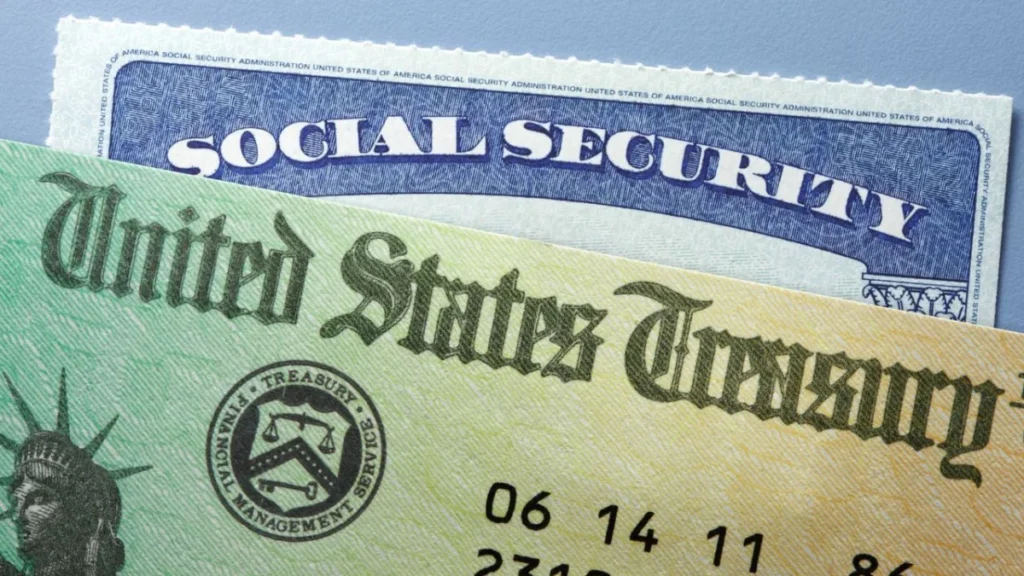
For generations, the arrival of the Social Security check in the mailbox was a rhythmic certainty for older Americans. It was a tangible piece of paper representing a lifetime of labor and a promise of financial stability. However, the year 2025 marks a definitive turning point in federal fiscal policy. Following a government-wide mandate to modernize financial operations, the Social Security Administration (SSA) is finalizing the transition to an all-electronic payment system, effectively bringing an end to the era of mailed paper checks.
While this shift aims to enhance the speed, security, and reliability of federal disbursements, it creates a complex set of challenges for the segment of the population that remains "unbanked" or digitally disconnected. For millions of retirees, Social Security is not merely a supplementary income—it is the sole lifeline for rent, utilities, and essential medical expenses. As the paper check enters its twilight, families, caregivers, and beneficiaries must navigate a new, digital-first landscape to ensure their financial security remains intact.
The Mandate: A Modernization Imperative
The transition away from paper is not an isolated decision by the Social Security Administration; it is part of a broader, long-term initiative by the U.S. Department of the Treasury to modernize government payments. The goal is to reduce the administrative costs associated with printing and mailing millions of checks, mitigate the risks of mail theft and lost payments, and provide faster access to funds.
Under the current directives, the SSA has mandated that all benefit payments be delivered electronically. This leaves beneficiaries with two primary options:
- Direct Deposit: Funds are transferred automatically into an existing personal checking or savings account.
- Direct Express® Debit Mastercard®: A government-sponsored, prepaid debit card designed specifically for those who do not have, or choose not to use, a traditional bank account.
Paper checks have been relegated to a "last resort" status. To continue receiving a paper check, a beneficiary must now secure a specific government waiver—a hurdle designed to discourage the practice and steer the population toward electronic adoption.
Chronology of the Transition
The move toward electronic payment has been a gradual, decades-long evolution that is finally reaching its conclusion:
- 1996: The Debt Collection Improvement Act began the push for electronic fund transfers (EFT) for federal payments.
- 2013: The Treasury finalized rules requiring most federal payments to be made electronically, though exceptions for Social Security were more lenient at the time.
- 2023–2024: The SSA ramped up communications, urging the remaining percentage of paper-check recipients to transition to electronic methods.
- 2025: The implementation of strict, mandatory electronic payment protocols for all new and existing beneficiaries, with only rare, waiver-based exceptions remaining.
Supporting Data: Who Is Most at Risk?
Despite the ubiquity of smartphones and digital banking, a significant portion of the elderly population remains "digitally vulnerable." Data indicates that the beneficiaries most likely to rely on paper checks are often those with the lowest levels of digital literacy, limited access to reliable internet, or those living in rural areas with limited banking infrastructure.
Furthermore, the "unbanked" demographic—those who do not have a traditional bank account due to past negative banking experiences, lack of funds to meet minimum balance requirements, or geographic isolation—is disproportionately represented among the elderly. For these individuals, the transition is not just a change in medium; it is a fundamental shift in how they interact with their own survival funds.
Official Stance and Security Measures
The SSA maintains that electronic payments are the most secure way to handle benefits. The primary risks of paper checks—theft from mailboxes, loss during transit, and the potential for check forgery—are effectively eliminated through direct deposit and prepaid cards.
However, the agency acknowledges the risks inherent in the digital transition, specifically the rise of "direct deposit fraud." In these scenarios, bad actors pose as legitimate beneficiaries to redirect payments into fraudulent accounts. To combat this, the SSA has implemented "identity-proofing" requirements.
Beneficiaries who need to change their deposit information or update their mailing address are now frequently required to visit a local Social Security office in person. While these measures are designed to protect the beneficiary, they create significant friction for those with limited mobility or cognitive impairments. The irony of the situation is clear: the very security measures meant to protect the vulnerable are creating new, high-barrier obstacles to their financial independence.
Implications: A Consumer Protection Issue
The end of the paper check is arguably less of a "technology upgrade" and more of a significant consumer protection issue.
1. The Banking Barrier
For many, the transition to direct deposit is straightforward. However, for those who have avoided banks due to fear of overdraft fees or past financial trauma, the Direct Express® card is the only viable alternative. Yet, navigating the fees associated with prepaid cards—such as charges for ATM withdrawals or balance inquiries—requires a level of financial savvy that not all seniors possess.
2. The Identity-Proofing Dilemma
The requirement for in-person verification for account changes poses a serious challenge for the homebound. If an older adult loses their debit card or needs to change their bank account due to a security breach, the process of navigating the SSA’s identity verification system can be overwhelming and, in some cases, prohibitively difficult.
3. The Threat of Exploitation
The transition period is a goldmine for scammers. With millions of seniors being told to "switch to digital," fraudsters are already capitalizing on the confusion. They are sending phishing emails, making threatening phone calls, and posing as government officials to steal banking credentials. The official policy of the SSA and Treasury is firm: they will never contact a beneficiary via unsolicited phone call, text, or email to request a PIN, password, or bank account number.
What Families Can Do: A Practical Guide
Families and caregivers must play a proactive role in this transition. Waiting for a missed payment is not an option when that payment covers the monthly rent.
- Audit Current Arrangements: Do not assume a relative is already on direct deposit. Ask to see the most recent payment method. If it is a paper check, begin the transition immediately.
- Establish "My Social Security" Accounts: Help the beneficiary create an online account. This allows for real-time monitoring of payment status and provides a secure portal for updates.
- Choose the Right Path: Determine if a traditional bank account is truly the best path or if the Direct Express® card is more appropriate. Ensure that any bank account used is solely for the beneficiary’s benefit.
- Establish Legal Safeguards: While a Power of Attorney is vital for many aspects of life, the SSA has specific, strict rules regarding the management of benefits. If a beneficiary is struggling with cognitive decline, families should investigate the "Representative Payee" program, which allows a trusted person to manage the funds legally on the beneficiary’s behalf.
- Create a Payment Calendar: Map out the expected deposit dates and cross-reference them with the due dates of essential bills. This helps identify a "missed payment" scenario within 24–48 hours, allowing for immediate action.
Conclusion: The Bigger Lesson
The move to an all-electronic Social Security payment system is a reflection of a world that is increasingly unwilling to accommodate those who cannot or will not digitize. While the efficiency gains for the federal government are undeniable, the transition highlights the widening gap between institutional modernization and the realities of aging.
Social Security remains the bedrock of retirement for millions. By treating this transition as a significant logistical and security milestone—rather than a routine administrative change—families and advocates can ensure that the "modernization" of our payment systems does not come at the cost of the dignity and security of our nation’s seniors. The time for planning is not after a check fails to arrive; it is now.
Disclaimer: This article provides general information and should not be considered legal or financial advice. Beneficiaries should contact their local Social Security office or visit the official SSA.gov website for specific inquiries regarding their individual accounts.