The AI Frontier: Federal Reserve Chair Kevin Warsh Outlines Strategy for Economic Dominance and Digital Security
By Jim Tyson | Published July 15, 2026
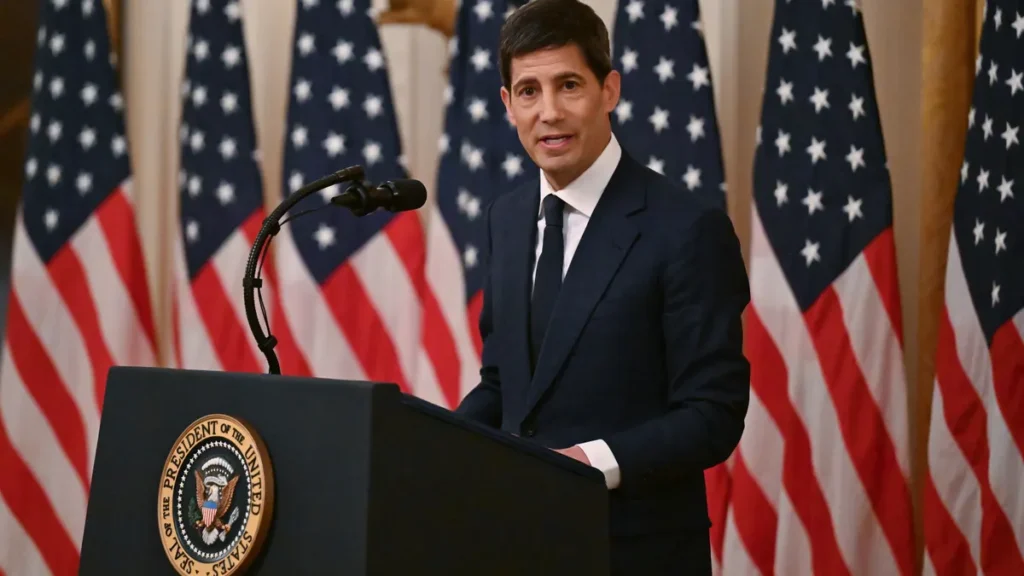
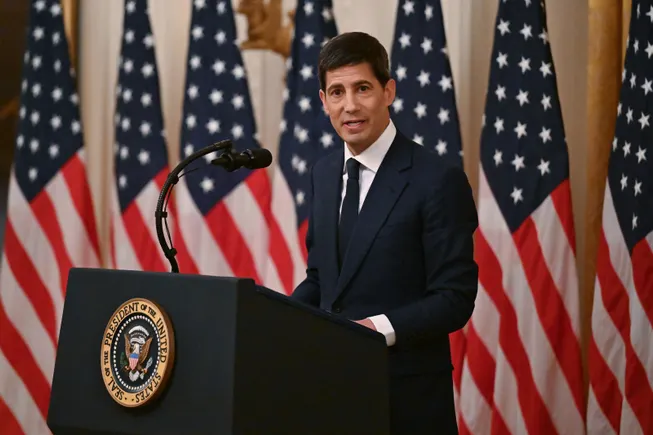
In his inaugural testimony before a key Senate committee, Federal Reserve Chair Kevin Warsh has signaled a pivotal shift in the central bank’s strategic priorities. Seven weeks into his tenure as the leader of the world’s most influential monetary institution, Warsh has identified the dual-edged nature of artificial intelligence (AI) as the defining challenge—and opportunity—of the modern economic era.
While championing the potential for AI to ignite a new wave of American productivity, Warsh simultaneously underscored a sobering reality: the U.S. financial system remains vulnerable to adversarial exploitation of these very technologies. His testimony marks the beginning of a robust, proactive regulatory agenda designed to fortify the U.S. dollar and ensure that the nation’s financial infrastructure remains the global gold standard in an increasingly digitized world.
Main Facts: A Dual Mandate for the AI Age
Chair Warsh’s testimony centered on the thesis that AI is the most consequential economic development of his lifetime. He articulated a vision where the Federal Reserve must balance its dual mandate of price stability and maximum employment against the rapid, often volatile, integration of machine learning and autonomous systems into the national economy.
Key takeaways from the session included:
- Productivity Gains: Warsh expressed strong confidence that the United States is uniquely positioned to lead the world in extracting productivity from AI, citing the depth of American capital markets and technological infrastructure.
- The Vulnerability Gap: Despite his optimism, Warsh admitted that both the Fed and the private banking institutions it regulates have "work to do" regarding defense against AI-driven cyber threats and systemic financial attacks.
- The Task Force: Under his leadership, the Fed has established a specialized AI task force, tasked with mapping the impact of machine learning on monetary policy transmission and financial stability.
- Geopolitical Competition: Warsh reinforced his long-standing view that the U.S. must treat digital finance and AI integration as a matter of national security, particularly regarding competition with China.
Chronology: A Trajectory of Caution and Preparation
The current focus on AI and digital currencies is not a sudden pivot for Warsh, but rather the culmination of years of analysis and public warnings.
- 2006–2011: Warsh serves as a member of the Federal Reserve Board of Governors, gaining deep insight into the plumbing of the global financial system and the importance of liquidity.
- April 2020: China officially launches the e-CNY, its central bank digital currency (CBDC), marking a significant escalation in the race for digital financial supremacy.
- November 2022: In a high-profile Wall Street Journal op-ed, Warsh warns that the e-CNY is more than just a technological upgrade—it is a tool that threatens the hegemony of the U.S. dollar and global financial privacy.
- May 22, 2026: Kevin Warsh is sworn in as the Chair of the Federal Reserve, signaling a shift toward more hawkish stances on national security and technological integration.
- July 2026: In his first Senate appearance, Warsh formalizes his vision, pivoting from his past warnings about the e-CNY toward a broader, all-encompassing AI strategy.
Supporting Data: The Case for a Digital Dollar
A central pillar of Warsh’s argument is the modernization of the wholesale payment system. He contends that the current infrastructure is "slow, cumbersome, opaque, and expensive." By contrast, the Chinese digital yuan has provided a blueprint for rapid, cross-border, and frictionless transactions that could theoretically bypass traditional dollar-clearing channels.
Warsh argues that to protect the status of the U.S. dollar, the Federal Reserve should explore a digital dollar, but with a specific scope: wholesale transactions. Unlike retail CBDCs, which raise concerns about government surveillance of consumer spending, a wholesale digital dollar would focus on the "plumbing" of the global economy—allowing banks and institutions to settle trades instantly.
The urgency for this development is backed by the competitive landscape. If the U.S. does not provide a digital-first, low-friction, high-security alternative for global trade, adversaries may capture a growing share of international settlement, gradually eroding the "exorbitant privilege" of the dollar as the world’s primary reserve currency.
Official Responses and Strategic Outlook
During the hearing, members of the Senate panel pressed Warsh on how the Fed intends to balance innovation with regulation. Warsh’s response was characteristically pragmatic. He emphasized that the Fed’s role is not to stifle AI development but to ensure that the risks—specifically systemic risks—are priced correctly.

"If there’s a subject upon which I’ve focused related to this in my first seven weeks, it’s making sure the institutions we regulate and the Fed itself is aware of our vulnerabilities to attacks using AI," Warsh stated.
The banking sector has generally welcomed the focus on AI, though many institutions are waiting for clearer regulatory guardrails. The American Bankers Association (ABA) and other trade groups have noted that while AI offers immense potential for fraud detection and customer service, the regulatory burden of securing these systems against state-sponsored actors is substantial.
Warsh’s announcement of a dedicated task force was met with bipartisan interest. Legislators signaled that they are prepared to work with the Fed to ensure that the regulatory framework for AI is both agile enough to support innovation and rigid enough to maintain the sanctity of the financial system.
Implications: The Future of the American Economy
The shift in tone under Chair Warsh suggests that the Federal Reserve is moving away from a passive observer role toward a more interventionist posture regarding technological infrastructure. The implications of this new era are vast:
1. The Productivity Renaissance
Warsh believes that the U.S. is "extremely well positioned" to lead the AI revolution. If successful, this could usher in a decade of robust GDP growth, helping to alleviate inflationary pressures by reducing the cost of services and production. For the American worker, this implies a labor market transition where skill sets will need to evolve, but where the broader economic pie is likely to grow.

2. The Cybersecurity Arms Race
The warning regarding "adversaries deploying AI" indicates that the Fed expects a surge in sophisticated financial cyberattacks. This will likely lead to higher compliance costs for commercial banks, as the Fed will almost certainly mandate stricter AI-readiness and cybersecurity standards in its upcoming stress tests.
3. Monetary Sovereignty
The competition with the e-CNY is no longer just a hypothetical debate among economists. It is now a central component of Fed policy. By advocating for a wholesale digital dollar, Warsh is signaling that the U.S. will not cede the digital financial space. The dollar’s future strength may depend on the Fed’s ability to modernize its settlement systems before competing digital currencies gain critical mass.
4. Global Leadership
Warsh’s comment that "any other country would exchange positions with us in a moment" reflects a firm belief in American exceptionalism. However, his caution serves as a reminder that this position is not guaranteed. Maintaining the dollar’s dominance will require consistent investment in both the technological "hard" assets of our financial system and the "soft" assets of regulatory expertise and international cooperation.
Conclusion: A New Chapter for the Fed
As Kevin Warsh navigates his early months at the helm, it is clear that he intends to frame the Federal Reserve as a catalyst for technological evolution rather than merely a reactive body. By focusing on the intersection of AI, national security, and the future of the dollar, Warsh is setting a bold, if demanding, agenda.
The coming months will be critical. As the Fed’s new AI task force begins its work, the financial community will be watching closely to see how the central bank reconciles the need for aggressive innovation with the mandate to keep the U.S. financial system safe from the shadows of an increasingly digital and adversarial global stage. One thing is certain: under Warsh, the Federal Reserve is no longer just watching the horizon—it is actively steering toward it.