The 2026 FIFA World Cup: A Global Retail Phenomenon and Economic Catalyst
By PYMNTS | June 27, 2026
The Super Bowl is a one-night luxury product; the Olympics is an infrastructure project with medals. The FIFA World Cup 2026, however, has proven to be something entirely different: a roaming, borderless retail platform. With 48 teams, 104 matches, and 16 host cities spanning North America, the tournament is not merely a sporting event—it is a massive, multi-billion-dollar economic engine that is rewriting the rules of sports commerce.
As the tournament moves past its initial stages, the numbers are staggering. Through the first 44 matches, attendance has eclipsed 2.85 million spectators, with stadiums maintaining a remarkable 99.6% occupancy rate. FIFA’s projected revenue budget of $8.9 billion is supported by this unprecedented turnout, with broadcasting rights—comprising 44% of that total—serving as the financial backbone of the operation. Yet, the true story of the 2026 World Cup lies in the "retail tail" that stretches far beyond the pitch.
The Commercial Landscape: Mexico Dominates the Jersey Table
In the high-stakes world of sports apparel, the "commercial Golden Boot" is currently being contested by nations rather than individual stars. While pundits and fans continue to engage in "influencer math" regarding the commercial impact of Lionel Messi, Cristiano Ronaldo, or Kylian Mbappé, the hard accounting tells a different story.
British retailer JD Sports has confirmed that Mexico and Argentina—both outfitted by Adidas—have produced the most successful team kits of the tournament thus far. Adidas has publicly verified that the Mexico shirt is currently the worldwide bestseller, a testament to the fervent global fanbase that has descended upon the North American host cities.
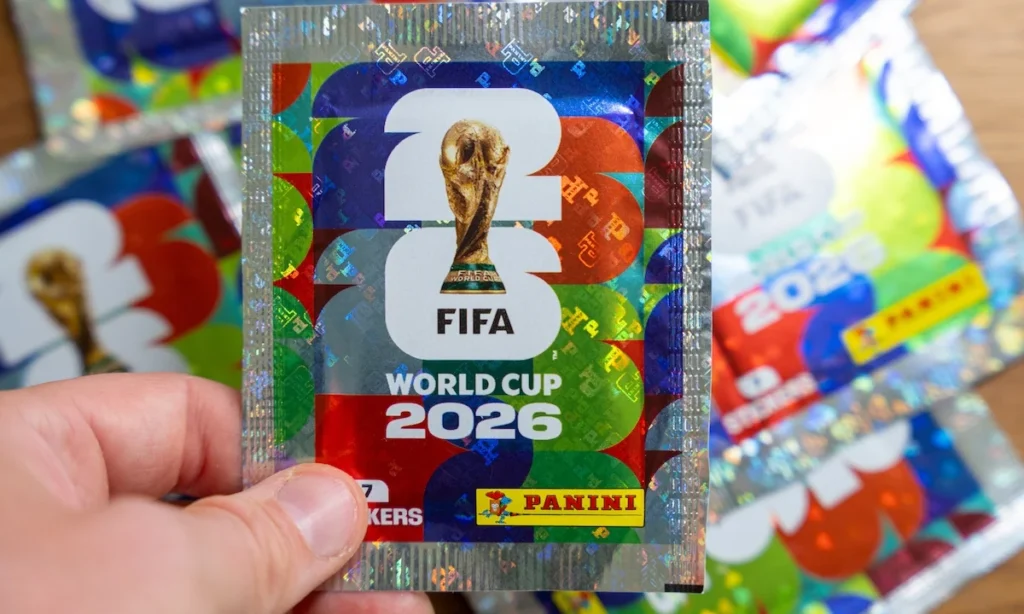
This retail frenzy is not limited to standard jerseys. The demand signals are loud and varied. Panini sticker packs, a traditional staple of World Cup culture, have completely sold out across major U.K. retailers, including Argos, GAME, Smyths, and Sports Direct. Meanwhile, the official FIFA store reports that inventory for high-demand items, such as the Americana water bottle and commemorative host-city posters for Seattle, Dallas, Houston, and Atlanta, has been exhausted.
The market has also embraced the unconventional. From retro Gap-branded jerseys to upcycled vintage tops and even "glitter freckles" for fans, the merchandise landscape has become increasingly eclectic. Perhaps most surprising is the "pet-merch" boom. Reuters reported that Mexico’s popularity has triggered a surge in unofficial gear for pets—ranging from dogs and ducks to hamsters and horses. One vendor noted that they were moving as many as 30 pet-sized jerseys per day, proving that the World Cup’s economic reach extends to the furthest corners of the consumer goods market.
Chronology of a Spending Geyser
The financial impact of the World Cup has unfolded in distinct waves, creating a "spending geyser" rather than a uniform sprinkler system.
- The Kickoff Phase: During the opening weekend, Mexico City saw an immediate economic surge, generating nearly $70 million in local activity. Restaurants and bars in the region reported sales increases of up to 40% as the city embraced the tournament’s momentum.
- The Momentum Phase: As the group stages progressed, local businesses in host cities began to reap massive rewards. In Philadelphia, the owner of the venue Midnight & The Wicked reported to city officials that sales were tracking 80% to 100% above 2025 figures. The venue’s busiest night in history was recorded during a Brazil match, highlighting how localized passion drives bottom-line results for hospitality businesses.
- The Strategic Expansion Phase: The tournament’s economic impact has successfully bypassed the host-city borders. Lancaster, Pennsylvania, serves as a masterclass in algorithmic tourism. By targeting fans who were researching travel to Philadelphia and New York, local officials successfully captured more than $2 million in hotel revenue before the first ball was even kicked.
Supporting Data: The Hotel and Hospitality Reality
While the hospitality sector has seen undeniable growth, the metrics are nuanced. CoStar data, as reported by Skift, indicated that revenue per available room (RevPAR) rose between 24% and 100% during the first three match days across various host markets.
However, there is a critical caveat to this growth: much of this lift was driven by elevated room rates rather than increased occupancy volume. In New York, the hotel association recently revised its World Cup revenue forecast downward by 60%, settling at an estimated $60 million. Analysts point to "travel friction," the high cost of entry, and a trend toward late-booking behavior as factors that softened traditional hotel demand.
Conversely, the alternative accommodation market has flourished. Airbnb has indicated that the 2026 World Cup is on track to be its largest event in company history, suggesting that fans are prioritizing flexibility and cost-efficiency in a way that traditional hotels have struggled to accommodate.
Official Responses and Strategic Positioning
FIFA’s decision to place team base camps in 25 communities that are not officially hosting matches has been a stroke of strategic genius. By distributing the presence of international teams across the country, FIFA has effectively created "mini-economies."
In Lawrence, Kansas, which serves as the base camp for Algeria, the community has seen a total transformation. The downtown area has been draped in the team’s colors, and local restaurants have expanded their menus to include halal options. A local T-shirt vendor reported that demand for Algeria-themed apparel far exceeded expectations, proving that even "non-host" cities can generate significant economic activity if they successfully anchor themselves to a national team’s journey.
The lesson for municipal governments and local businesses is clear: the World Cup rewards those who position themselves early and align their marketing with the specific demographics of the teams training or playing in their region.
Implications: The Long-Term Economic Legacy
As we look toward the final stages of the tournament, the implications of the 2026 World Cup are profound.
1. The Decentralization of Revenue
The success of cities like Lawrence and Lancaster demonstrates that the "host city" model is evolving. Future major sporting events will likely see a move toward a "hub-and-spoke" economic model, where small-to-mid-sized cities leverage the presence of international athletes to generate revenue, rather than relying solely on the stadium experience.
2. Retail Innovation and Personalization
The explosion of niche merchandise—from pet gear to glitter—signals a shift in consumer behavior. Fans no longer just want a standard team jersey; they want branded, localized, and unique ways to express their fandom. Retailers that can pivot quickly to supply these niche demands are the ones seeing the highest margins.
3. The Pricing Paradox
The divergence in hotel performance between New York and more affordable, tech-savvy markets serves as a warning for future organizers. Price sensitivity remains a factor even at the highest levels of global sport. When prices reach a "friction point," fans will naturally migrate toward decentralized accommodation platforms or stay in peripheral, more accessible towns, shifting the flow of tourist dollars away from city centers.
4. Capitalism in the Group Stage
The 2026 World Cup has proven that commerce is as much a part of the spectacle as the sport itself. The tournament has effectively "escaped the group stage" of traditional marketing and entered a phase of highly personalized, data-driven consumer engagement.
With weeks remaining until the final, the "commercial Golden Boot" remains up for grabs. Whether it is the continued dominance of Mexican apparel, the surprising success of localized tourism campaigns, or the enduring popularity of classic collectibles like Panini stickers, the 2026 FIFA World Cup is setting a new standard for how a global event can stimulate an entire continent’s economy.
Capitalism is indeed in full effect, and as the tournament marches toward the final, it is doing so with a level of commercial sophistication that the sports world has never seen before. From the pet owners in Mexico City to the tourism boards in Pennsylvania, the message is clear: the World Cup is no longer just a game—it is the world’s most dynamic retail platform.