Taxpayer Frustration Mounts: Watchdog Report Reveals Widespread IRS Customer Service Failures
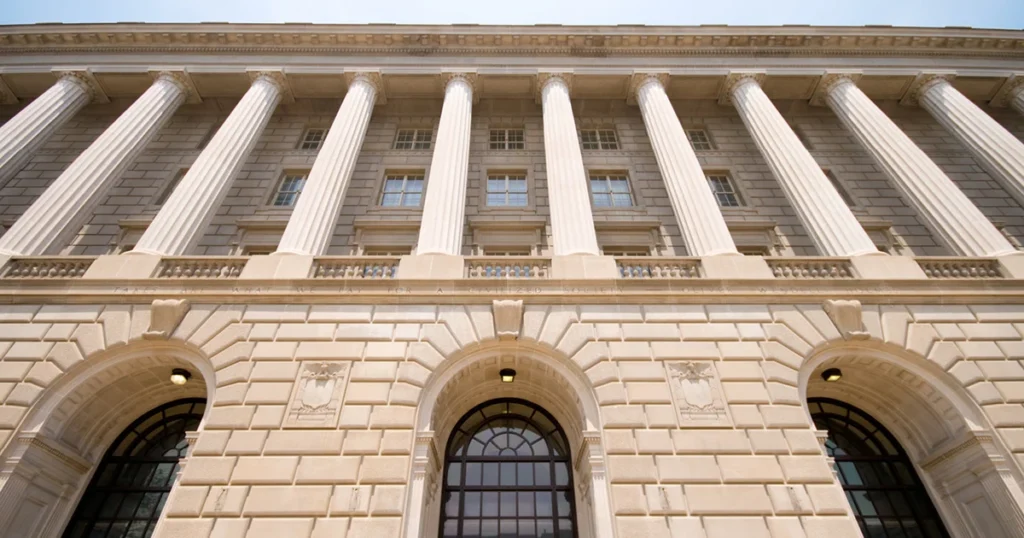
A significant portion of American taxpayers attempting to navigate the complexities of federal tax administration are being met with systemic failures, according to a sobering new report from the Treasury Inspector General for Tax Administration (TIGTA). The audit, released on June 10, 2026, highlights that approximately one in four callers to key IRS service lines during the height of the 2025 filing season received substandard assistance, casting doubt on the agency’s ongoing efforts to modernize its taxpayer-facing operations.
The Scope of the Crisis: Analyzing the TIGTA Audit
The TIGTA investigation focused on two critical pillars of IRS telephone support: the Compliance Services and Accounts Management lines. By analyzing a statistically valid sample of 200 recorded interactions occurring between February 15 and May 15, 2025, auditors identified a 26% failure rate in delivering "quality" customer service.
When extrapolated across the 3.8 million calls received by these departments during that three-month window, the findings suggest that roughly one million taxpayers were left without adequate support. The definition of "quality service" used by TIGTA is anchored in the agency’s own Taxpayer Bill of Rights, which explicitly mandates that taxpayers receive prompt, courteous, and professional assistance, alongside clear explanations of tax laws and account decisions.
The audit revealed that service failures manifested in several ways:
- Technical Failures: Dropped calls, sudden disconnections, and improper transfers that forced taxpayers to restart the resolution process.
- Operational Inefficiencies: Excessive hold times that tested the patience of filers and limited the agency’s throughput.
- Human Factor Deficiencies: Instances of discourteous service and, perhaps most critically, the provision of inaccurate information regarding tax obligations and procedures.
Chronology of the 2025 Filing Season Hurdles
The 2025 filing season was framed by the IRS as a turning point for agency modernization, supported by multi-year funding initiatives. However, the chronology of the TIGTA report suggests that operational friction remained high throughout the spring.
Early 2025: Pre-emptive Training Efforts
Recognizing that customer service has been a perennial pain point, IRS management implemented a specialized training program in February 2025. This initiative was designed specifically to emphasize professional and courteous communication standards. The training was a direct response to prior TIGTA reports that had flagged similar deficiencies in the agency’s telephone operations.
February 15 – May 15, 2025: The Audit Window
During the peak of the tax filing season, the IRS’s telephone infrastructure faced immense pressure. The audit window covered the period where taxpayer inquiries regarding Compliance Services (tax disputes and audits) and Accounts Management (general inquiries) typically reach their highest volume. TIGTA’s monitoring revealed that despite the February training interventions, the service quality gap remained persistent.
June 10, 2026: Official Disclosure
The release of the TIGTA report brought these internal metrics to light, forcing a public reckoning regarding the discrepancy between the IRS’s stated goals—as enshrined in the Taxpayer Bill of Rights—and the lived reality of the American taxpayer.
Supporting Data: A Breakdown by Department
The TIGTA data provides a granular look at where the breakdowns are occurring. The disparity between the two analyzed departments is particularly stark.
Accounts Management (AM)
The Accounts Management line, which handles the bulk of general taxpayer inquiries, saw the highest volume of traffic. With nearly 2.4 million calls, the department struggled to maintain service standards, with an estimated 34%—or more than 800,000 taxpayers—failing to receive quality service. This suggests that the front-line gatekeepers for the IRS are currently the most overwhelmed segment of the agency.
Compliance Services
Compliance Services, which deals with more sensitive issues like audits and tax debt, fared slightly better but still showed concerning results. Out of nearly 1.4 million calls, approximately 18%, or over 250,000 taxpayers, reported or were subjected to substandard service.
The report notes that when these failures occur—whether through misinformation or dropped calls—it creates a "multiplier effect" of frustration. A taxpayer who is incorrectly advised on an audit notice is not only left without a resolution but is often spurred to call back, further clogging the lines for other users and perpetuating a cycle of inefficiency.
Official Responses and Institutional Accountability
In its official response to the audit, the IRS leadership formally agreed with the three recommendations proposed by TIGTA. While the agency has not yet released a detailed public timeline for how it intends to overhaul these specific service protocols, the acceptance of the recommendations signals an acknowledgement of the findings.
The TIGTA recommendations focused on:
- Enhanced Monitoring: Developing more rigorous, real-time quality control measures for call center agents to ensure adherence to professional standards.
- Curriculum Refinement: Updating the training materials used in February to better address the specific types of inaccurate information identified in the audit.
- Technological Infrastructure: Investing in call-routing stability to reduce the frequency of dropped or improperly transferred calls.
IRS spokespeople have historically pointed to a high volume of complex tax law changes and staffing shortages as the root causes of these service issues. However, the recurring nature of these findings suggests that institutional culture and legacy technology, rather than just headcount, remain the primary obstacles to improvement.
The Implications: Why Quality Service Matters
The implications of this report extend far beyond simple administrative frustration. In a tax system that relies heavily on voluntary compliance, the relationship between the agency and the taxpayer is fragile.
Eroding Public Trust
The Taxpayer Bill of Rights is not merely a document; it is a promise of transparency and respect. When the IRS fails to provide professional assistance, it erodes public confidence. Taxpayers who are treated discourteously or who receive incorrect information are statistically less likely to engage proactively with the agency in the future, which can lead to increased non-compliance, higher penalties, and a greater burden on the judicial system.
Diminished Taxpayer Satisfaction
TIGTA explicitly warned that "recurring quality issues could lead to chronic service deficiencies and diminished taxpayer satisfaction." When a taxpayer spends hours on hold only to be disconnected or given inaccurate advice, the cost to the individual is measured in lost time and increased anxiety. For low-income taxpayers or those with complex financial situations, these service gaps can have tangible financial consequences, including the accrual of unnecessary interest or the failure to claim vital credits.
The Need for Structural Reform
The fact that the IRS attempted remedial training in February 2025, only to have the subsequent three months yield such poor results, suggests that "retraining" may be an insufficient tool for systemic change. Experts argue that the IRS must move toward a more robust, technology-driven support model that incorporates better call-back features, improved automated responses for routine queries, and perhaps a more aggressive recruitment and retention strategy for specialized staff.
As the IRS moves into the latter half of 2026, the pressure to demonstrate meaningful progress is mounting. With the audit findings now in the public record, taxpayers will be watching to see if the agency’s agreement with TIGTA’s recommendations leads to a measurable increase in service quality, or if the "recurring issues" identified in the report will continue to define the taxpayer experience in the years to come.
For those seeking to understand their rights when interacting with the agency, the Taxpayer Bill of Rights remains the primary standard for service expectations. Taxpayers who feel they have received substandard service or inaccurate information are encouraged to document their interactions, including the date, time, and name of the agent, and to consider utilizing the Taxpayer Advocate Service (TAS) if they remain unable to resolve their account issues through standard channels.