Sony’s Strategic Pivot: Inside the Controversial Approval of Connectia Trust
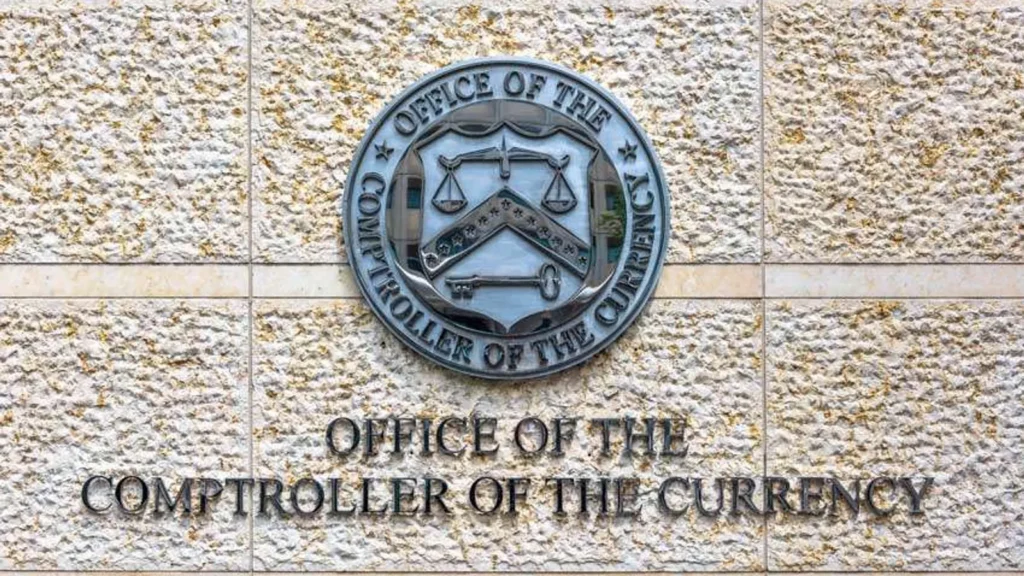
In a landmark development for the intersection of global technology and traditional finance, Japanese conglomerate Sony has received conditional approval from the U.S. Office of the Comptroller of the Currency (OCC) to establish a national trust bank. The venture, branded as Connectia Trust, marks a significant, if contentious, step toward the commercialization of U.S. dollar-denominated stablecoins. While Sony views this as a vital piece of its digital infrastructure, the move has ignited a fierce debate among banking regulators, consumer advocates, and trade organizations regarding the systemic risks posed by non-bank entities entering the financial fray.
The Foundation: What is Connectia Trust?
According to a disclosure made by Sony this past Monday, Connectia Trust will function as a subsidiary of the broader Sony Financial Group. The entity is scheduled for formal establishment this month, backed by an initial capitalization of $40 million. While the company has remained tight-lipped regarding its executive leadership, current projections place the commercial launch of its operations in 2027.
The core objective behind Connectia is clear: to facilitate the issuance and management of U.S. dollar-denominated stablecoins. By obtaining a national trust bank charter, Sony is positioning itself to bridge the gap between its sprawling consumer electronics and media empire and the burgeoning world of digital assets. However, the exact nature of the products—whether they will cater to retail users or institutional clients—remains an open question, as the regulatory filing lacked specific details on the bank’s go-to-market strategy.
A Chronology of Regulatory Ambition
The path to this approval was neither short nor quiet. Sony’s application process moved from private negotiation to public scrutiny in October, triggering an immediate outcry from established financial players.
- October 2024: Sony’s application for the trust charter becomes public, sparking a wave of formal opposition from trade groups like the Bank Policy Institute (BPI) and the Independent Community Bankers of America (ICBA).
- Late 2024: The OCC continues its evaluation under the leadership of Comptroller Jonathan Gould, who has overseen a period of increased interest in trust charters from both crypto-native firms and traditional financial giants.
- January 2025: Sony formally discloses the conditional approval, revealing the $40 million capital commitment.
- 2027 (Projected): The expected operational launch date for Connectia’s stablecoin services.
The disclosure was not purely voluntary. Under Japan’s Financial Instruments and Exchange Act, Sony was mandated to report the development to local finance bureaus because the $40 million capitalization represents more than 10% of the Sony Financial Group’s total capital, a threshold that triggers transparency requirements for the conglomerate.
Supporting Data: The Trust Bank Landscape
The approval of Connectia Trust arrives amidst a broader trend of firms seeking national trust charters to bypass the complexities of traditional commercial banking while gaining federal regulatory standing.
Under Jonathan Gould’s tenure at the OCC, the office has seen a surge in interest from firms ranging from digital asset players—such as Circle, Ripple, and Paxos—to traditional giants like Morgan Stanley, which has sought similar charters for its own digital asset initiatives. This shift highlights a strategic desire to capture the "crypto-currency-as-a-service" market.
However, Roman Goldstein, a senior director at the advisory firm Klaros Group, points out that the Sony venture is unique. In a recent analysis, Goldstein described Connectia as the "first commercial-conglomerate ecosystem bank." He noted the complexity of its oversight: the OCC supervises the U.S. trust bank, while Japan’s Financial Services Agency (FSA) monitors the parent company. As Goldstein pithily observed, it is effectively a "foreign-owned bank with no Fed in the picture," a structure that raises significant questions about systemic oversight.
Official Responses and the "Banking-and-Commerce" Debate
The backlash against Sony’s application was not limited to minor procedural concerns. It touched on the fundamental philosophy of American banking: the separation of banking and commerce.
The Opposition
- The Bank Policy Institute (BPI): The BPI has been vocal in its opposition, arguing that the approval of a non-financial conglomerate like Sony to operate a bank undermines the long-standing regulatory boundary that keeps commercial interests from controlling the payment system.
- The Independent Community Bankers of America (ICBA): The ICBA warned in November that the OCC’s "untested receivership framework" is ill-equipped to manage a systemically significant stablecoin issuer. Their primary fear is that if Connectia were to become insolvent, the lack of federal deposit insurance would lead to mass consumer losses and potential market contagion.
- National Community Reinvestment Coalition (NCRC): The NCRC focused on the lack of social obligations, noting that trust banks are not bound by the Community Reinvestment Act (CRA). By providing Sony with the "reputational benefits" and "market credibility" of a bank without the accompanying obligation to serve local communities, the NCRC argues the OCC is creating a two-tier system that undermines the integrity of the U.S. financial framework.
The OCC’s Stance
Despite the intense pressure, the OCC has signaled that it believes existing law allows for this integration. In response to comments regarding the prohibition of trust departments holding deposits subject to check, the OCC countered that the stablecoins in question are part of a "closed-loop payment system" and therefore do not qualify as traditional deposits or checks. Critics, however, argue this logic fails to address how such assets would function on public, open-source blockchains.
Broader Implications: A Shifting Regulatory Paradigm
The Connectia case is part of a larger, ongoing conflict between regulators and corporations seeking access to the banking system. For years, multinational conglomerates—notably in the automotive industry—have utilized the Industrial Loan Company (ILC) charter to operate banks without falling under the full purview of the Federal Reserve. Companies like Ford, GM, and Stellantis have already successfully secured these charters.
The Sony case, however, represents a shift toward digital assets. The OCC has imposed a unique condition on Sony: it reserves the right to mandate that the trust employ a full-time, non-dual-role Chief Financial Officer. This condition suggests that the regulator is aware of the potential for conflicts of interest within a massive, diversified conglomerate.
The "Two-Tier" Threat
The core issue for many analysts is the precedent this sets. If digital asset firms and large conglomerates can access the federal status of a bank while avoiding the fundamental obligations—such as FDIC insurance and community reinvestment requirements—then the "integrity of the entire chartering framework" may be at risk.
As Roman Goldstein noted, the ultimate success of this endeavor depends on whether the regulators remain comfortable with the risk management and organizational structure of the firm. If Connectia succeeds, it will likely open the floodgates for other global technology firms to embed financial services directly into their ecosystems. If it fails, or if a liquidity crisis occurs, the lack of a clear "Federal Reserve" backstop could force a radical rewrite of U.S. banking laws.
Conclusion
Sony’s entry into the trust banking sector is more than just a corporate expansion; it is a stress test for the American regulatory system. By granting this conditional approval, the OCC is betting that it can manage the risks of a non-traditional entity without sacrificing the stability of the broader banking system.
For the consumer, the impact remains to be seen. If Connectia provides a seamless, secure way to utilize stablecoins, it could revolutionize how Sony’s millions of customers interact with digital payments. However, if the critics are right, the venture could introduce unforeseen risks into the heart of the U.S. economy, all while operating under a regulatory framework that is arguably still catching up to the speed of technological change. As 2027 approaches, all eyes will be on the boardroom in Tokyo and the regulators in Washington to see if this experiment in "ecosystem banking" can truly deliver on its promise.