Northrim Bank Expands Pacific Northwest Footprint with People’s Bank of Commerce Acquisition
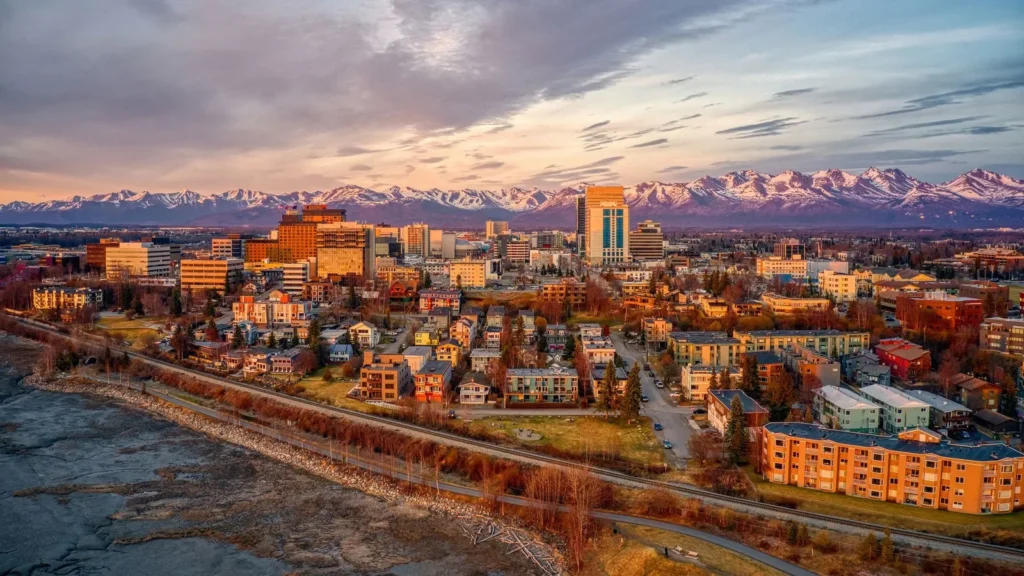
ANCHORAGE, Alaska — In a landmark move for regional banking in the Pacific Northwest, Anchorage-based Northrim Bank announced on July 23, 2026, that it has entered into a definitive agreement to acquire Medford, Oregon-based People’s Bank of Commerce (PBCO). The strategic merger, which combines two community-focused financial institutions, is set to create a formidable regional player with $4.2 billion in total assets, signaling a major consolidation effort in the Alaskan and Oregon banking sectors.
The acquisition is structured as an all-stock transaction, underscoring the confidence both leadership teams have in the long-term value of the combined entity. As Northrim looks to scale its operations beyond its Alaskan stronghold, this partnership represents a pivotal step in diversifying its geographic risk and expanding its presence in the growing Oregon market.
Main Facts: The Anatomy of the Deal
The agreement, officially unveiled this week, outlines a clear path for the integration of the two banks. Under the terms of the deal, shareholders of People’s Bank of Commerce will receive 1.160 shares of Northrim stock for each share of PBCO common stock currently held. This exchange ratio also applies to PBCO restricted stockholders, while outstanding phantom stock units are slated to be cashed out.
Based on Northrim’s closing price of $27.90 per share as of Tuesday, July 21, the transaction is valued at approximately $32.36 per share of PBCO common stock. The merger has been structured to qualify as a tax-free reorganization for PBCO shareholders, providing a significant benefit to existing investors.
Upon the closing of the deal, PBCO shareholders are expected to own approximately 21% of the newly combined company. Furthermore, in an effort to maintain continuity and strategic alignment, one director from the People’s Bank of Commerce board will be invited to join the boards of both the parent holding company and Northrim Bank.
Chronology: A History of Community Banking
The roots of both institutions are firmly planted in the soil of community banking. Northrim Bank, headquartered in Anchorage, has served as a bedrock of the Alaskan economy for decades, providing a comprehensive suite of financial services to individuals and businesses across the state. In addition to its retail and commercial banking services, Northrim has demonstrated its versatility by operating a factoring and asset-based lending division in Washington state, known as Northrim Funding Services.
People’s Bank of Commerce, founded in 1998, has spent over a quarter-century serving the Medford region of Oregon. Known for its personalized service, the bank grew steadily by catering to the specific needs of local small businesses and residents who preferred the responsiveness of a community-focused lender over the impersonal nature of national financial conglomerates.
The courtship between the two banks represents a shared philosophy of "relationship banking." By choosing to merge, the two institutions are effectively betting that their combined scale will allow them to survive and thrive in an era where digital transformation and regulatory compliance costs continue to squeeze smaller, independent financial institutions.
Supporting Data: The New Financial Profile
Once the integration is complete, the combined entity will command a significant presence in the Pacific Northwest. According to financial disclosures provided by the two companies, the pro-forma organization will boast:
- Total Assets: Approximately $4.2 billion.
- Total Loans: Roughly $3 billion.
- Total Deposits: Estimated at $3.5 billion.
- Branch Footprint: 32 physical locations spanning across Alaska and Oregon.
The scale of this combined balance sheet is expected to provide the capital efficiency required to invest in enhanced technology and digital banking platforms—essential requirements for retaining modern customers. Despite the transition to the Northrim brand, the bank has committed to retaining the existing People’s Bank of Commerce employees, ensuring that the local institutional knowledge and personal relationships remain intact.
Official Responses: A Shared Vision for the Future
The leadership at both firms has been vocal about the strategic necessity and cultural alignment of the merger.
Northrim CEO Mike Huston framed the deal as a natural evolution for his bank. "Both our organizations share a core value that community banking is built on strong relationships, local expertise, and a commitment to our communities," Huston stated in the official press release. "Together, we expect to be able to invest more in our people, technology, customer experience, and community organizations, while preserving the personalized service and local decision-making that have defined our banks for decades."

Julia Beattie, CEO of People’s Bank of Commerce, echoed this sentiment, emphasizing the benefits for her bank’s customer base. "Partnering with Northrim gives us the opportunity to enhance the products, services, and resources available to our customers while maintaining the personal relationships and local decision-making that define People’s Bank," Beattie noted. "Together, we believe we will be better positioned to support the continued growth and success of our customers and the communities we serve."
The decision to retain PBCO management staff suggests that the transition will prioritize cultural stability, aiming to prevent the "customer flight" that often accompanies larger, more disruptive bank mergers.
Implications: Market Dynamics and Regional Growth
1. Competitive Positioning
For Northrim, this acquisition is a diversification play. While Alaska remains its primary market, the Oregon expansion allows the bank to tap into the diverse and growing economy of the Pacific Northwest. By entering a new state, Northrim is mitigating the geographic concentration risk inherent in operating in a single, energy-dependent state like Alaska.
2. The Tech Imperative
Smaller banks are increasingly finding themselves at a disadvantage when competing with national banks that spend billions on mobile applications, AI-driven fraud detection, and seamless digital lending platforms. By growing to a $4.2 billion asset size, the combined entity reaches a "sweet spot" where it can amortize the cost of these technologies over a larger customer base, making the investment more sustainable.
3. Consolidation Trends
The banking sector has seen a wave of M&A activity over the past decade as regulatory pressures have risen following the 2008 financial crisis and subsequent updates to banking laws. For small-to-mid-sized banks, the cost of compliance has become a disproportionate percentage of total operating expenses. Merging allows these institutions to combine back-office functions, compliance departments, and administrative support, thereby reducing overall overhead.
4. Cultural Continuity
Perhaps the most critical aspect of this merger is the promise to keep local employees in their current roles. In many acquisitions, the primary goal is cost-cutting through layoffs and branch closures. By emphasizing that PBCO branches will be managed by existing staff, the banks are signaling that they intend to maintain the "local" feel that their customers value, while leveraging the balance sheet strength of a larger parent company.

5. Future Outlook
As the deal progresses toward its final regulatory approvals, analysts will be watching closely to see how effectively Northrim manages the geographic integration. If the Medford integration proves successful, it could serve as a blueprint for future acquisitions in the Pacific Northwest, potentially positioning Northrim as an aggressive consolidator in the region.
Conclusion
The acquisition of People’s Bank of Commerce by Northrim Bank is a significant event that highlights the ongoing evolution of regional banking. By balancing the need for technological advancement and scale with the traditional values of community-based service, the two banks are positioning themselves to navigate the challenges of the modern financial landscape. As the integration begins, the industry will look to this merger as a case study in how to scale a business while maintaining the hyper-local focus that serves as the lifeblood of regional financial institutions.
With regulatory hurdles now the next major milestone, the financial community awaits the finalization of the deal, which promises to reshape the competitive landscape in both Anchorage and Medford alike.