Missouri Modernizes CPA Licensure: A New Era for Accounting Workforce Development
By [Your Name/Journalistic Staff]
Published July 14, 2026
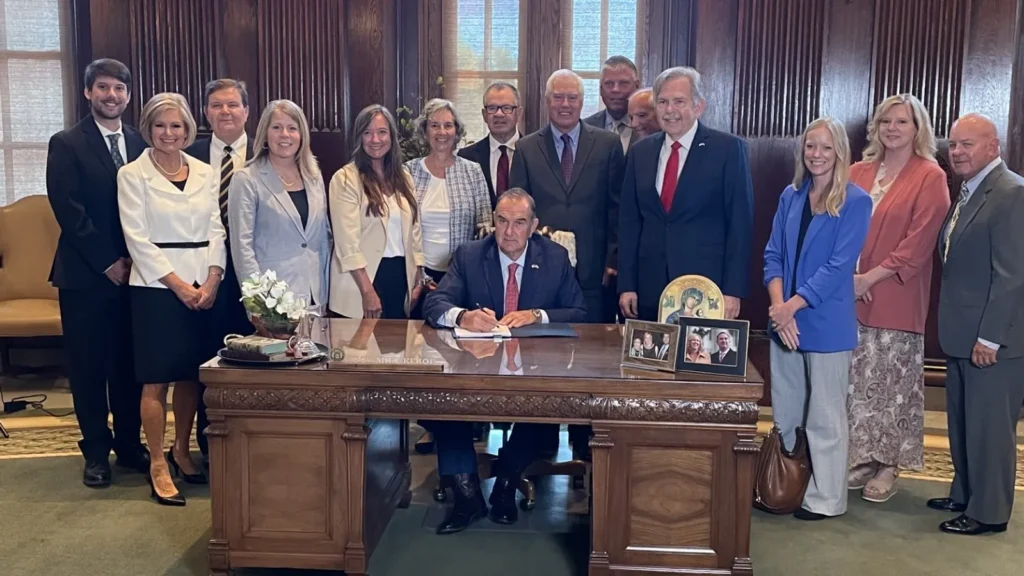
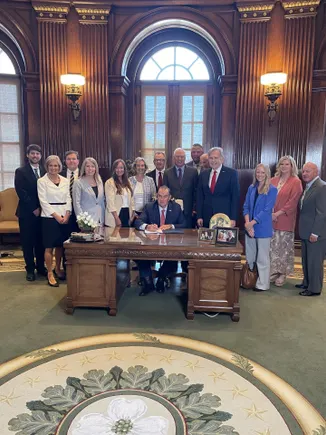
In a landmark shift for the accounting profession in the "Show Me State," Missouri Governor Mike Kehoe signed Senate Bill 1233 into law this past Monday. The legislation marks a pivotal departure from the traditional, rigid requirements that have long defined the Certified Public Accountant (CPA) credential. By establishing an alternative pathway to licensure that bypasses the long-standing "150-hour rule," Missouri has officially joined a growing coalition of over 40 states committed to revitalizing the accounting talent pipeline.
The new law, which takes effect on August 28, 2026, aims to dismantle systemic barriers to entry that many industry experts argue have stifled recruitment, particularly among younger professionals facing the soaring costs of higher education.
The Core Mandate: Redefining Licensure Requirements
For decades, the accounting industry has operated under the "150-hour rule," which effectively requires a candidate to complete five years of post-secondary education—typically a bachelor’s degree plus an additional 30 credit hours—before they are eligible to sit for the CPA exam and obtain licensure.
Under the provisions of Senate Bill 1233, Missouri will now offer an optional, more streamlined route. Aspiring CPAs can qualify for licensure by meeting the following criteria:
- Completion of a standard bachelor’s degree with specific accounting coursework.
- Two years of verified professional work experience.
- Successful passage of the uniform CPA examination.
This shift does not eliminate the traditional 150-hour path; rather, it creates a dual-track system. This flexibility is designed to accommodate individuals who may prefer gaining practical experience in the field over accumulating additional academic credits that may offer diminishing returns in professional readiness.
The Missouri State Board of Accountancy is currently finalizing the specific curriculum requirements for the bachelor’s degree path, with formal approval expected as early as July 30. Dena Hull, vice president of strategy and communications for the Missouri Society of CPAs (MOCPA), emphasized the deliberate nature of this transition. "It might seem like a quick turnaround, but this has been a year in the making," Hull noted in an interview with CFO Dive.
Chronology of Reform: A National Movement
The signing of SB 1233 is not an isolated policy decision but rather the latest development in a national wave of legislative reform.
- Early 2020s: Industry groups, including the American Institute of CPAs (AICPA) and the National Association of State Boards of Accountancy (NASBA), begin formal discussions regarding the "accounting talent gap."
- 2023: A surge in state-level legislative activity occurs as states like Virginia and others pioneer "experience-based" alternatives to the 150-hour rule.
- June 2026: Rhode Island Governor Dan McKee and Vermont Governor Phil Scott sign similar legislation, signaling a rapid acceleration of the movement.
- July 2026: Missouri Governor Mike Kehoe signs SB 1233 into law, marking the state’s official entry into the reform cohort.
- August 28, 2026: The law officially goes into effect, allowing the first wave of candidates to utilize the new pathway.
The speed of this rollout underscores the urgency with which state legislatures are viewing the accounting labor shortage. As of mid-2026, only a handful of states—including Michigan, Massachusetts, North Dakota, Wyoming, and Florida—have yet to fully formalize similar licensing reforms, though many are currently in active legislative discussions.
Supporting Data: The Talent Crisis in Context
The push for licensure reform is rooted in stark labor market data. While some industry analysts have pointed to a slight easing of the shortage due to AI-driven automation and outsourcing, the underlying demand for human expertise remains acute.
A recent survey conducted by the Controllers Council revealed that 61% of finance leaders are currently struggling with significant or minor talent shortages. This figure represents a marked increase from the 46% reported in the previous year. The "crunch" is not distributed evenly; rural regions and state government agencies have reported the most severe difficulties in filling entry-level and mid-level accounting roles.
The economic logic behind the reform is straightforward: by lowering the "time and cost" barrier to entry, states hope to increase the number of CPAs entering the workforce. The 150-hour requirement, which often necessitates an extra year of university tuition, has been cited by many prospective students as a major deterrent when compared to other high-paying finance or tech career paths that do not demand a fifth year of schooling.

Official Responses and Stakeholder Perspectives
The legislative process in Missouri has been characterized by broad, bipartisan support. Lawmakers have increasingly framed the bill as a vital tool for workforce development, essential for maintaining the state’s competitiveness.
However, the professional community remains nuanced in its reaction. While the relief for prospective students is clear, some senior practitioners have expressed concern regarding the maintenance of high professional standards.
Andrew Berhorst, an operational CFO who has served on the advisory board for the accounting department at the University of Missouri-St. Louis (UMSL), shared his thoughts on the LinkedIn platform following the bill’s signing. "Sitting on the advisory board… has given me much to think about regarding the pros and cons of this move," Berhorst stated. He ultimately expressed confidence in the academic community, noting, "My takeaway is that the accounting department at the University of Missouri-St. Louis Ed G. Smith College of Business is meeting this change head-on and making great plans."
This sentiment reflects a broader industry debate: how can the profession reconcile the need for more accountants with the necessity of ensuring that these individuals possess the rigorous training required to provide trustworthy financial reports and audit services?
Implications: The Future of the Profession
The implications of Missouri’s new law are significant, affecting educators, employers, and the candidates themselves.
For Educators
Universities are now facing a strategic pivot. They must decide how to structure their four-year degree programs to be "CPA-ready" without the buffer of the traditional fifth year. This will likely lead to a more intensive, focused curriculum that integrates professional internships and practical skill-building earlier in the undergraduate experience.

For Employers
Firms will likely change their hiring and training paradigms. With a two-year professional experience requirement replacing the 30-hour academic mandate, accounting firms will need to invest more heavily in robust mentorship programs and internal training. The burden of professional development is effectively shifting from the university classroom to the workplace.
For the Industry
The success of this reform will be measured by the quality of the next generation of CPAs. If the new pathway produces professionals as capable as their 150-hour counterparts, it will likely become the standard across the United States, effectively ending the era of the 150-hour rule. If, however, the industry experiences a decline in the quality of audits or financial oversight, policymakers may be forced to revisit these requirements.
As the accounting profession stands at this crossroads, the move by Missouri is a testament to the industry’s adaptability. By prioritizing access and practical experience, the state is betting that a more inclusive, flexible path will not only solve the immediate labor crisis but also ensure the long-term sustainability of the CPA designation in an increasingly digital and automated economy.
For those tracking the national landscape, the march toward reform continues. With the majority of states having already shifted their stance, the question is no longer whether the 150-hour rule is changing, but how quickly the rest of the professional infrastructure can align with this new, more agile reality.