IRS Streamlines Oversight: The Merger of RPO and OPR into the New Tax Professional Management Office
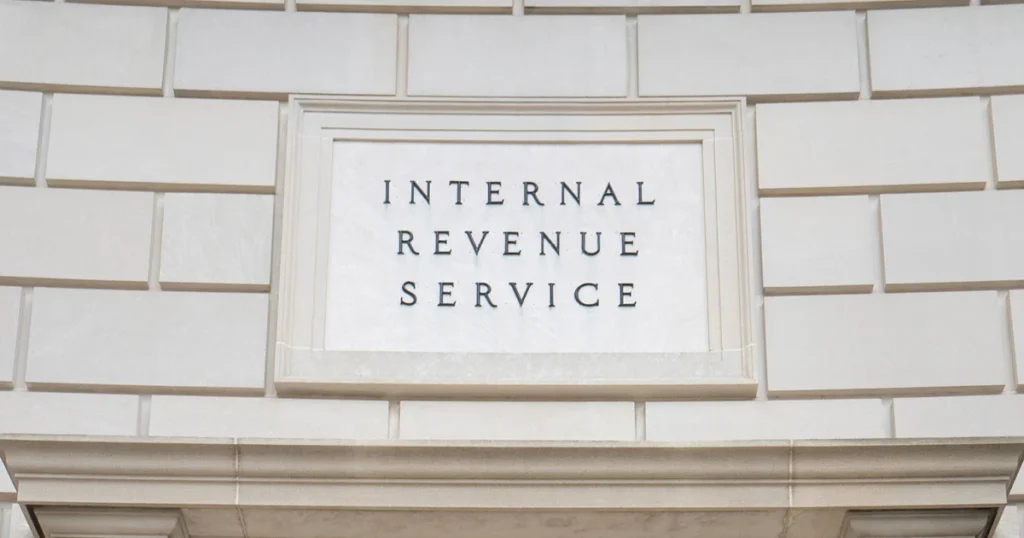
In a significant administrative shakeup, the Internal Revenue Service (IRS) has announced the consolidation of two pivotal departments tasked with the oversight and management of tax practitioners. Effective June 28, the Office of Professional Responsibility (OPR) and the Return Preparer Office (RPO) will be merged to form a singular entity: the Tax Professional Management Office (TPMO).
The move, which the IRS characterizes as a necessary step toward modernization and administrative efficiency, has sparked a robust debate regarding the future of tax practitioner regulation. While the agency maintains that the change is purely structural and will preserve the integrity of professional standards, industry leaders—most notably the American Institute of CPAs (AICPA)—have voiced significant reservations about the potential for institutional mission creep and the dilution of professional distinctions.
Main Facts: A Structural Realignment
The establishment of the TPMO represents a centralization of the IRS’s interaction with the tax professional community. Historically, the RPO and the OPR functioned as distinct entities with different mandates:
- The Return Preparer Office (RPO): This office has served as the administrative engine for practitioner credentials. Its primary functions include the issuance of Preparer Tax Identification Numbers (PTINs), the management of Enrolled Agent (EA) programs, the promotion of the Annual Filing Season Program (AFSP), and the initial processing of complaints regarding return preparers.
- The Office of Professional Responsibility (OPR): The OPR has acted as the "policing" arm of the IRS. It is tasked with the investigation of alleged misconduct and the enforcement of Treasury Circular 230, which establishes the rules of conduct for practitioners appearing before the IRS.
By merging these into the TPMO, the IRS aims to create a unified front for managing the lifecycle of a tax professional—from initial registration and credentialing to ongoing disciplinary oversight. The new office will be led by Chris Pleffner, the current director of the RPO.
Chronology of the Decision
The transition toward the TPMO did not occur in a vacuum. The decision follows a period of intense internal evaluation by the IRS regarding its operational infrastructure.
- November 2024: The AICPA formally submitted a comment letter to the IRS expressing strong opposition to the proposed merger. The professional organization raised red flags regarding the potential for conflicting mandates within a single office.
- Early 2025: Internal discussions within the IRS regarding the "Department of Government Efficiency" (DOGE) initiative, as referenced in Executive Order 14210, accelerated the push for administrative consolidation.
- May 2025: The IRS finalized its plans to move forward with the merger, despite the objections raised by professional bodies.
- June 2025: The IRS issued a formal statement on the formation of the TPMO, detailing the rationale behind the shift.
- June 28, 2025: The effective date of the merger.
Supporting Data: Why the Merger?
The IRS’s justification for this consolidation rests heavily on the concept of "modernization." According to the agency’s statement, the merger is intended to:
- Improve Operational Efficiencies: By sharing resources, databases, and administrative staff, the IRS expects to reduce redundant overhead.
- Align with Executive Mandates: The creation of the TPMO is framed as a direct response to Executive Order 14210, which mandates that federal agencies implement cost-efficiency initiatives to streamline government operations.
- Unified Practitioner Experience: The IRS argues that a single point of contact for practitioners—whether they are inquiring about their PTIN or dealing with a disciplinary inquiry—will create a more seamless and modernized interaction model.
However, critics point out that efficiency is not always synonymous with effectiveness. The AICPA, in its November letter, suggested that the existing separation of the two offices was not an accident but a necessary structural safeguard. By keeping the administrative function (RPO) separate from the enforcement function (OPR), the IRS had historically avoided the perception of a conflict of interest.
Official Responses and Stakeholder Concerns
The dialogue between the IRS and the accounting profession has been marked by a distinct difference in philosophy regarding the purpose of practitioner oversight.
The IRS Perspective
The IRS has been quick to reassure stakeholders that the merger is a "back-office" reorganization rather than a policy shift. In their official statement, the agency emphasized that the "missions of RPO and OPR will remain intact and will operate independently within their respective roles and authorities."
The IRS explicitly addressed the concern that the merger would blur the lines between credentialed professionals (such as CPAs and Enrolled Agents) and uncredentialed tax preparers. "This reorganization under TPMO will not change the distinction between credentialed tax professionals and uncredentialed tax preparers," the agency stated. They argue that the structural integration does not equate to a degradation of the high standards required for professional practice.
The AICPA Perspective
The AICPA remains unconvinced. Melanie Lauridsen, the AICPA’s Vice President of Tax Policy & Advocacy, has been the primary voice of opposition. The core of the AICPA’s concern is that the merger could lead to "inappropriate consolidation" of two very different classes of practitioners.
In their formal opposition, the AICPA noted:
- Conflict of Interest: There is a concern that the administrative pressure to process large volumes of PTINs (a volume-based, administrative task) could clash with the rigorous, legalistic, and time-consuming nature of disciplinary investigations.
- Resource Diversion: The AICPA fears that the OPR’s critical mission—protecting the integrity of the tax system through enforcement—could be sidelined or starved of resources if it is forced to share a budget and management structure with the more administrative RPO.
- Taxpayer Confusion: Perhaps most importantly, the AICPA fears that by treating all preparers under one administrative roof, the IRS is inadvertently sending a message to the public that all preparers are essentially the same. This could undermine the value of professional credentials in the eyes of the average taxpayer.
Implications for the Future
The formation of the TPMO carries significant implications for the tax industry, ranging from day-to-day compliance to the long-term integrity of the tax administration system.
Potential for "Mission Creep"
As the TPMO begins its operations, industry observers will be watching closely for signs of "mission creep." If the administrative goals of the RPO (such as maximizing the number of PTIN holders) begin to influence the disciplinary threshold of the OPR, the legal community and professional organizations are likely to escalate their concerns.
Increased Scrutiny on Professional Standards
With the IRS moving toward a more centralized model, the burden of proof for maintaining professional standards may shift. If the IRS is to successfully demonstrate that this merger is an improvement, they must ensure that the OPR remains a robust, independent watchdog. If the OPR’s enforcement actions decrease in efficacy or frequency post-merger, it will likely be interpreted by the profession as a failure of the new organizational structure.
The Role of Technology
The modernization aspect of the TPMO is expected to rely heavily on updated IT infrastructure. The IRS has hinted that the merger will allow for a more cohesive digital experience for tax practitioners. If the TPMO can leverage shared data to better identify bad actors while reducing the administrative burden on ethical practitioners, the merger could eventually be viewed as a success. However, if the transition results in technical glitches or the loss of institutional knowledge during the consolidation of databases, the IRS may face a significant backlash.
Monitoring Developments
As Lauridsen noted in her follow-up statement, the AICPA is in a "wait and see" mode. The accounting profession intends to monitor how the IRS handles the transition, specifically looking for:
- Clear delineations in communication regarding the status of credentialed vs. uncredentialed preparers.
- Transparency in how the TPMO allocates resources between its two internal divisions.
- Continued opportunities for professional organizations to provide feedback on the operational reality of the new office.
Conclusion
The merger of the RPO and OPR into the Tax Professional Management Office is a bold move by the IRS, driven by a push for efficiency and modernization. While the agency asserts that the change is purely administrative and will not diminish the standards of the tax profession, the concerns raised by the AICPA reflect a deep-seated anxiety about the future of professional regulation.
For the millions of taxpayers who rely on tax professionals, the integrity of the OPR is a vital component of the tax administration system. Whether the TPMO will successfully streamline operations or inadvertently compromise the independence of disciplinary oversight remains to be seen. As of June 28, the transition is underway, and the tax community will be watching to see if the new office can truly balance the mandates of efficient administration and rigorous professional oversight.