Google’s Quiet Privacy Policy Shift: How Opting Into AI Features Opens Gmail, Drive, and Photos to Ad Personalization
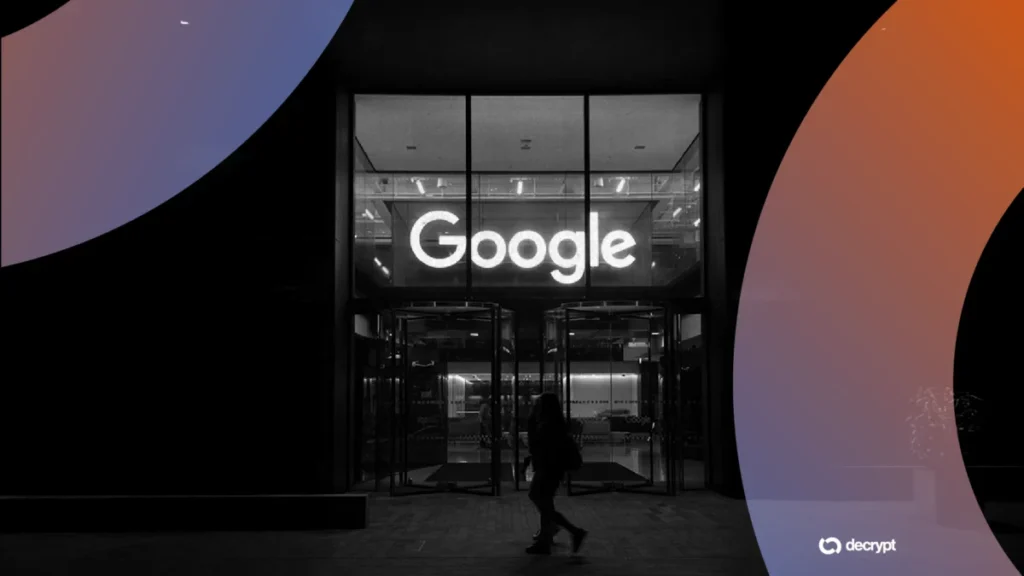
In a subtle yet significant shift in its data governance, Google has carved out an exception to a long-standing privacy promise. For years, the tech giant assured users that the deeply personal contents of Gmail, Google Drive, and Google Photos would remain strictly walled off from its lucrative digital advertising ecosystem. However, a quiet revision to the company’s privacy policy—first uncovered by Android Authority—has introduced a conditional clause that changes the equation for users who connect their personal data to Google’s artificial intelligence tools.
The policy change, which officially took effect on October 16, reflects the intensifying tension between tech companies’ aggressive push to embed AI into everyday workflows and consumers’ expectations of digital privacy. While Google maintains that the integration is entirely optional and strictly governed, privacy advocates argue that the new terms force users into a Faustian bargain: trade away decades-old privacy boundaries or miss out on the cutting-edge convenience of modern AI assistance.
Main Facts
At the core of the controversy is a single, pivotal addition to Google’s privacy documentation. Previously, the company’s policy offered an unconditional guarantee: content stored within Gmail, Google Drive, and Google Photos was never used to personalize advertisements.
The updated policy introduces a vital exception, reading that Google does not show personalized ads based on content from these services “unless you choose to make data from these services available to other Google services that support personalized ads.”
This conditional clause hinges directly on Google’s broader "Personal Intelligence" initiative. As the company rushes to infuse generative AI into products like Google Search (via AI Mode) and Gemini, it is encouraging users to bridge the gap between their private cloud storage and these intelligent assistants.
When users grant Gemini or Search permission to access their emails, documents, and photo libraries, the AI can perform remarkable feats—such as automatically surfacing a buried hotel reservation, compiling an itinerary from flight confirmation emails, or finding a specific receipt. However, under the revised terms, that exact same cross-app data sharing now unlocks a secondary consequence: it can be used to inform the personalized advertisements a user sees across Google’s network.
Google has pushed back against interpretations that it is rolling back user protections wholesale, emphasizing several key boundaries:
- No Default Scanning: Content from Gmail, Drive, and Photos remains excluded from ad targeting by default.
- No Direct Advertiser Access: Advertisers do not gain direct access to the contents of anyone’s emails, documents, or photo albums.
- No Unauthorized Sharing: The company states it will not share personally identifying details with third-party advertisers without explicit permission.
In practice, this means Google is not executing wholesale, unfiltered scans of private user photo libraries or message threads purely to sell ad space. Instead, the data flows exclusively when a user actively opts into AI-driven convenience features, creating a blurred line between functional AI integration and targeted marketing profiles.
Chronology of Events
To understand how this policy shift unfolded, it is necessary to trace Google’s recent trajectory of embedding AI infrastructure across its ecosystem, a timeline marked by rapid product rollouts and recurring scrutiny over data usage.
- May (Earlier This Year): Decrypt reported that Google’s Chrome browser began silently installing a multi-gigabyte, on-device AI model directly onto users’ computers. Around the same time, the company quietly removed a prominent privacy claim tied to its on-device Gemini Nano model, sparking early concerns regarding transparency in how Google manages local versus cloud-based user data.
- Mid-October: Google rolls out updates to its centralized privacy policy. While largely unnoticed by the general public, the revised text introduces the conditional clause linking AI data-sharing with ad personalization.
- October 16: The updated privacy policy officially takes effect.
- Late October: Tech publication Android Authority discovers the textual alterations during a routine policy monitoring sweep, bringing widespread public and industry attention to the silent revision.
Supporting Data and Technical Context
The intersection of generative AI and digital advertising represents the next frontier of big tech monetization. For over two decades, Google’s business model has relied heavily on behavioral profiling and targeted ads, which generate the vast majority of the company’s revenue.
When Google acquired and scaled services like Gmail (launched in 2004) and Google Drive, user trust was heavily anchored in promises that private correspondence and professional documents would not be mined for ad revenue. That trust became a cornerstone marketing point against competitors.
However, the economics of generative AI have changed the calculus. Large language models (LLMs) require vast inputs to provide contextual, hyper-relevant outputs. To make Gemini competitive against rivals like OpenAI’s ChatGPT and Microsoft’s Copilot, Google must give its AI models deep context into users’ daily lives—context that naturally resides in personal inboxes, cloud drives, and photo streams.
According to consumer digital habits data, millions of users readily accept AI conveniences if it saves them time, often without thoroughly reviewing updated Terms of Service (ToS) agreements. Studies on digital consent consistently show that over 90% of consumers scroll past privacy policies and click "Agree" within seconds, leaving them largely unaware of downstream implications like ad personalization linkages.
Furthermore, technical investigations into Google’s account settings reveal that opting out is not as simple as flipping a single switch. While users can sever the connection between their apps via the "Connected Content apps" section in their Google Account’s Data & privacy settings—or by turning off personalized recommendations entirely—researchers have noted friction points. Notably, previously aggregated data and search history context can linger within a user’s Search footprint even after the underlying apps have been disconnected, requiring manual data scrubbing.
Official Responses and Industry Reactions
As news of the policy revision spread across the tech community, reactions ranged from cynical resignation to sharp criticism regarding corporate transparency.
Google’s Defense
Google representatives and official compliance channels have framed the update as a matter of clarity and user choice rather than a clandestine privacy grab. The company argues that because the integration of Gmail, Drive, and Photos into AI workflows is strictly voluntary, users maintain complete control over whether their data participates in the ecosystem.
A spokesperson emphasized that transparency is paramount, asserting that the policy update was designed to clearly explain what happens when users choose to unlock advanced AI capabilities. Google maintains that its overarching commitment to data security remains robust, noting that encryption standards and strict internal access controls continue to protect user data from unauthorized exposure.
Criticisms and Privacy Concerns
Digital rights advocates and cybersecurity researchers, however, have criticized the manner in which the policy was updated. By enacting the changes quietly without a prominent direct notification sent to individual inboxes, Google drew accusations of burying critical disclosures in legal jargon.
“This is a classic case of conditional consent,” noted a digital privacy researcher familiar with the policy update. “You are told that your data is safe and private unless you want your AI assistant to be smart. For the average consumer, that isn’t a real choice—it’s an ultimatum. You either accept diminished ad privacy, or you are left using an inferior, crippled version of an AI tool that everyone else is using.”
Industry analysts point out that this move highlights a broader structural challenge in the AI era: the monetization model for free consumer tech is shifting. As companies spend billions of dollars building and maintaining energy-intensive AI models, they must find new ways to extract commercial value from users. If subscription fees alone cannot cover the costs, integrating AI data pipelines back into advertising engines—the historic cash cow of Silicon Valley—becomes an inevitable temptation.
Implications for Users and the Future of AI Privacy
The ramifications of Google’s policy adjustment extend far beyond a single corporate update, signaling a broader philosophical shift in how personal data will be handled across the entire technology sector.
1. The Death of "Set-and-Forget" Privacy
For years, users could compartmentalize their digital lives: email was for communication, storage was for files, and ads were managed through web browsing cookies. The advent of centralized, agentic AI shatters these silos. Because AI tools derive their utility from synthesizing data across every aspect of a user’s digital footprint, the traditional boundaries that protected individual apps are collapsing. Users can no longer assume that keeping an app private isolates it from commercial profiling if that app communicates with an AI assistant.
2. Regulatory Scrutiny
Data protection authorities—particularly within the European Union under the General Data Protection Regulation (GDPR)—are likely to scrutinize whether Google’s opt-in mechanism constitutes "freely given" consent. Under European law, bundling service functionality with broad ad-targeting permissions can face strict regulatory challenges, potentially setting up future legal battles over how AI features interface with commercial data policies.
3. Actionable Steps for Privacy-Conscious Users
For individuals who wish to take advantage of Google’s AI tools without inadvertently feeding their personal documents and emails into the ad-targeting machine, vigilance is required. Users should take the following steps:
- Audit Connected Apps: Navigate to the Google Account Data & privacy settings page and inspect the "Connected Content apps" section to ensure Gmail, Drive, and Photos are not linked to AI features unless explicitly desired.
- Review Ad Personalization Settings: Toggle off personalized ad recommendations to limit how cross-service data influences marketing profiles.
- Regularly Monitor Policy Updates: Given how major tech platforms frequently adjust terms to accommodate evolving AI features, periodic checks of account privacy dashboards are becoming a necessary chore for digital hygiene.
Ultimately, Google’s quiet policy revision serves as a stark reminder that in the age of generative AI, convenience and privacy remain locked in a zero-sum game. As tech titans race to build the ultimate personal assistant, the price of admission may well be the final erosion of the walls that once kept our private lives separate from our public profiles.