Flock Safety Offers Voluntary Buyouts Amidst Unprecedented Surveillance Backlash
By Staff Reporter
September 19, 2026
In a move that signals deep internal strain, Flock Safety, the high-profile surveillance technology firm known for its widespread network of license plate recognition cameras, has officially launched a voluntary buyout program for its 1,500-person workforce. The announcement, confirmed on Friday, September 19, 2026, describes the exit packages as the "most generous" in the company’s history, an attempt to stem the tide of internal morale issues that have plagued the organization following a summer of intense public and legal scrutiny.
The move comes at a critical juncture for the startup, which has faced a record-breaking wave of contract terminations from municipalities across the United States. As the company navigates what CEO Garrett Langley has termed "the biggest damage" to employee morale in its history, the buyout program offers a strategic pathway to right-size the company while avoiding the reputational hit of a formal, involuntary layoff process.
The Anatomy of the Buyout
According to internal communications reported by Wired, Flock Safety is actively encouraging a significant portion of its staff to consider these voluntary departure packages. The company has indicated that it intends to grant these requests to a majority of applicants, suggesting a pre-meditated effort to reduce headcount across various departments.
Industry analysts suggest that this "voluntary" approach is a calculated maneuver to maintain a semblance of stability. By framing the staff reduction as an employee-led decision, Flock is attempting to mitigate the fallout that typically follows mass layoffs, which often include litigation, negative PR, and a further decline in productivity among remaining staff. However, the subtext is clear: without this attrition, the company would almost certainly be forced to move toward involuntary layoffs to preserve its financial runway.
Chronology of a Crisis: How the Tide Turned
The current instability at Flock Safety is the culmination of a summer marked by mounting privacy concerns and high-profile investigative reporting.
May–July 2026: Early Warning Signs
Throughout the early summer, privacy advocates began to intensify their focus on the "Flock ecosystem." What was once touted as a tool for public safety—specifically for identifying stolen vehicles and suspects in violent crimes—began to be framed as an unchecked, private surveillance dragnet.
August 2026: The "Washington Post" Investigation
The turning point arrived in early August when The Washington Post published a bombshell investigation. The report identified 46 distinct cases in which police officers were accused of misusing the company’s technology to stalk and harass romantic partners, ex-spouses, and acquaintances. The revelation that the very tools meant to protect the public were being weaponized by those in uniform caused immediate, widespread outrage.
Late August 2026: The Mass Exodus of Contracts
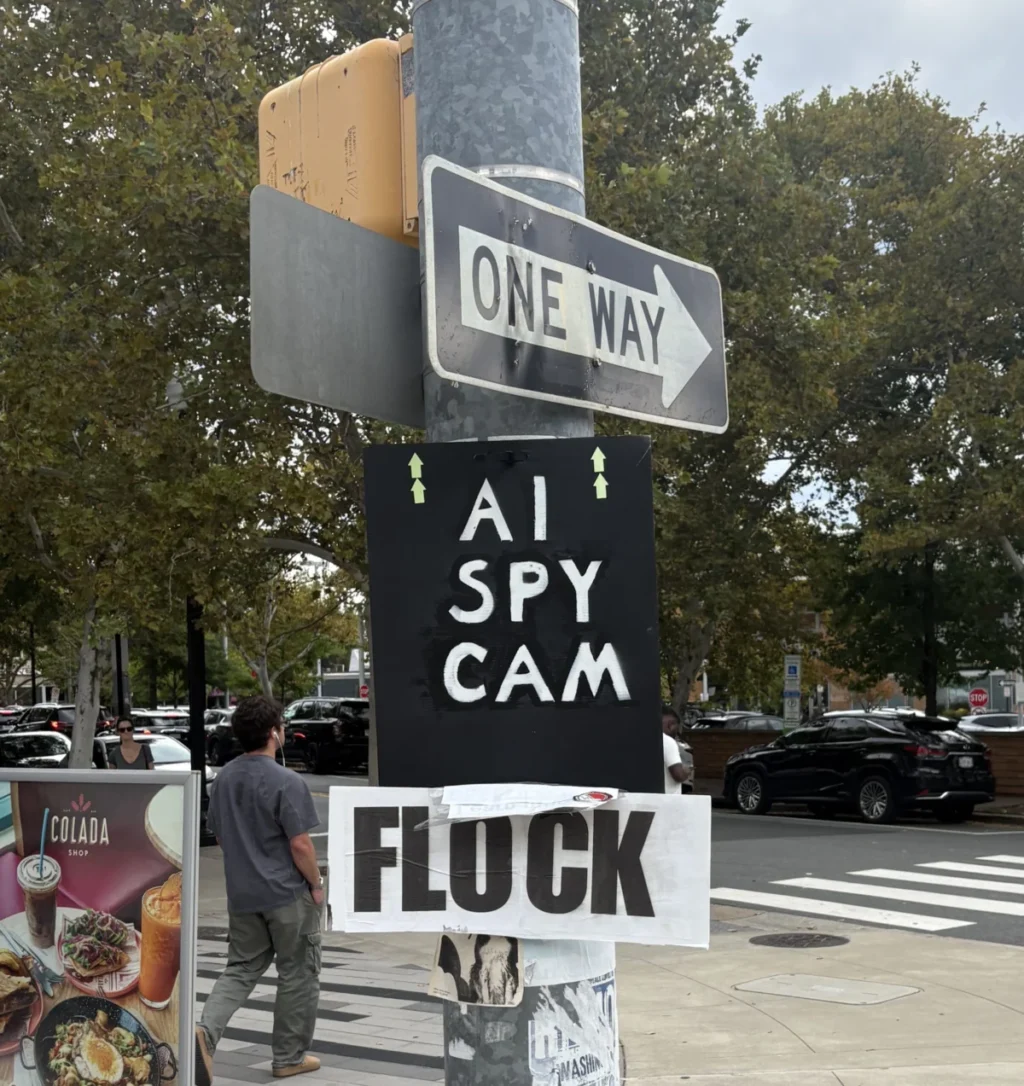
The backlash was swift and decisive. According to data tracked by anti-surveillance advocacy groups, 90 cities moved to terminate their contracts with Flock Safety in August alone. This represents a four-fold increase compared to the previous month, signaling that the "Flock model" of ubiquitous municipal surveillance was becoming politically radioactive.
September 2026: Regulatory Intervention and Internal Pivot
As of mid-September, the regulatory environment has hardened significantly. Major states, including Florida and Texas, have moved to block the use of Flock’s camera systems, citing persistent privacy concerns and the potential for civil rights abuses. The current buyout announcement is the company’s first major tactical shift in response to this existential threat.

Supporting Data: The Scale of the Retreat
The speed at which cities have severed ties with Flock Safety is unprecedented in the GovTech sector. For years, Flock’s business model relied on the promise of "neighborhood safety" and "solving crime," but the data suggests that for many local governments, the legal and ethical liability has finally eclipsed the perceived security benefits.
- Contract Terminations: 90 cities in August 2026 alone.
- Misuse Reports: 46 documented cases of officer misconduct involving Flock technology.
- Legislative Action: Full state-level bans or moratoriums currently being debated or enacted in Florida, Texas, and several smaller jurisdictions.
- Workforce Impact: The potential for a significant reduction of a 1,500-person staff, aimed at stabilizing a company currently facing an uncertain revenue future.
Official Responses and Corporate Strategy
Flock Safety has been largely guarded in its public comments, though CEO Garrett Langley has made rare appearances to address the company’s situation. In a recent interview on the All-In podcast, Langley acknowledged that the "biggest damage" the company has suffered is not necessarily the loss of contracts—though those are significant—but the erosion of internal culture.
"When you build a product that you believe is saving lives, and then you see it used for purposes that are fundamentally at odds with your mission, it takes a toll on the people building it," an anonymous source close to the company told reporters.
The company has not yet provided a comprehensive comment on the specific financial terms of the severance, nor have they released a statement regarding the total number of employees they hope to lose through this program. However, the messaging sent to staff clearly indicates that the company is bracing for a smaller footprint as it attempts to recalibrate its product offerings and public image.
Implications: The Future of Municipal Surveillance
The crisis at Flock Safety serves as a microcosm for the broader debate surrounding the deployment of AI-powered surveillance in the public square.
The Privacy vs. Security Paradox
Flock’s struggle highlights the "privacy vs. security" paradox. For years, cities adopted these technologies with minimal oversight, prioritizing convenience and speed of investigation over civil liberties. The recent scandals have forced a re-evaluation of this trade-off. The trend now appears to be shifting toward more restrictive oversight, including demands for stricter data retention policies and clearer definitions of what constitutes "appropriate use."
The "Chilling Effect" on GovTech
Startups in the surveillance and public safety space will likely face a much more difficult path to market. The "move fast and break things" ethos—which often leads to the deployment of technology without sufficient safeguards—is increasingly incompatible with the requirements of municipal government. We are likely to see a "chilling effect" where cities are far more cautious about adopting AI-driven tools, requiring more rigorous auditing and transparency mandates before signing contracts.
Financial Sustainability
For Flock Safety, the path forward is narrow. The company must simultaneously navigate a wave of litigation, manage a shrinking client list, and maintain a workforce that is clearly demoralized. If the buyout program is successful, it may provide the company with the breathing room needed to pivot toward a new, potentially more restricted, set of privacy-compliant features. However, if the current trend of municipal contract terminations continues, the company may find itself in a position where further, more drastic restructuring is inevitable.
A Turning Point for Public Oversight
Ultimately, the events of this summer represent a turning point for how communities interact with surveillance. The era of "silent" adoption of such technology is likely over. Future deployment of similar systems will almost certainly require public town halls, independent privacy audits, and perhaps even state-level regulatory approval.
As the dust settles on the September 19 announcement, the tech industry will be watching closely. Whether Flock Safety can emerge from this crisis as a leaner, more ethically focused firm or whether it becomes a cautionary tale for the surveillance industry remains to be seen. For now, the focus is on the employees—and the question of how many will choose to walk away from a company that once promised to "eliminate crime," but now finds itself fighting for its own survival.