Fiserv Launches Landmark Stablecoin Infrastructure with North Dakota’s "Roughrider Coin"
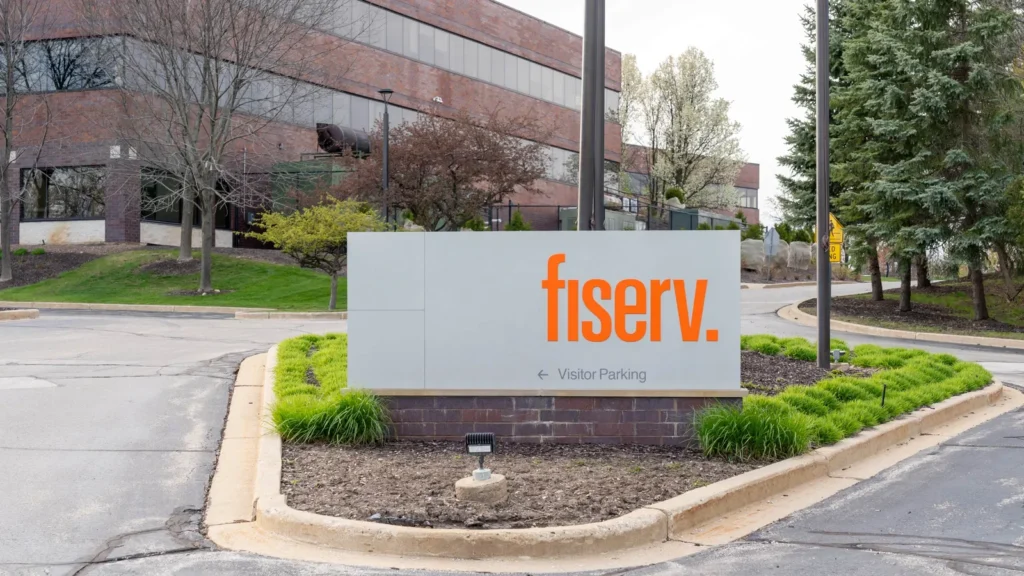
In a move that signals a tectonic shift in how traditional financial institutions interact with blockchain technology, Milwaukee-based payments giant Fiserv has officially gone live with its proprietary digital asset platform. The inaugural rollout features the "Roughrider Coin," a stablecoin backed by the Bank of North Dakota. This development represents a critical juncture for the U.S. financial sector, blending the legacy reliability of state-backed banking with the high-speed, programmable nature of the Solana blockchain.
The launch, confirmed by the company this past Thursday, serves as the first major real-world application of Fiserv’s long-gestating stablecoin infrastructure. By providing an end-to-end ecosystem for the issuance, reserve management, custody, and settlement of digital assets, Fiserv is positioning itself as the bridge between institutional finance and the decentralized digital economy.
The Mechanics of the Roughrider Coin
The Roughrider Coin—named in honor of President Theodore Roosevelt’s historic militia—is designed to function as a bridge for North Dakota’s unique interbank network. Unlike volatile cryptocurrencies like Bitcoin, which are subject to extreme market fluctuations, the Roughrider Coin is a stablecoin, a digital asset pegged to the value of the U.S. dollar. This design allows for the efficiency of blockchain-based transactions without the speculative risk associated with traditional digital currencies.
The architecture supporting this project is a collaborative effort involving several heavyweights in the fintech and blockchain sectors. While Fiserv serves as the primary infrastructure provider, the system relies on:
- VersaBank: Acting as the digital asset issuer.
- Fireblocks: Providing the institutional-grade security infrastructure required to safeguard digital reserves.
- Solana: Serving as the underlying blockchain ledger, chosen for its high throughput and low-latency transaction capabilities.
According to North Dakota officials, approximately 90 financial institutions across the state will gain access to this system, enabling instantaneous bank-to-bank transfers and providing merchants with an innovative new payment channel.
A Chronology of Digital Asset Integration
The journey to this week’s launch has been marked by a series of strategic legislative and technological milestones that have redefined the U.S. landscape for digital currency.
2021: The Regulatory Foundation
The conversation began in earnest with legislative pioneers like Nebraska, which enacted the Financial Innovation Act in 2021. This law introduced a new charter for digital asset depository institutions, setting a precedent for states to explore how digital assets could be integrated into existing legal frameworks.
2023–2024: The Push Toward Implementation
In October 2023, North Dakota made headlines by becoming the second state in the U.S. to announce the launch of its own digital currency. This followed a period of intense development aimed at modernizing the state’s internal money movement systems. During this same window, Fiserv began signaling its intent to dominate the sector. In June 2024, the company announced its intention to launch "FIUSD," a native stablecoin designed to permeate its massive network of 10,000 financial institutions and six million merchant locations.
2025: Federal Frameworks and State Rollouts
The momentum accelerated in the summer of 2025 with the passage of the Genius Act by the U.S. Congress. This landmark legislation provided the first comprehensive federal regulatory framework for stablecoins, finally giving financial institutions the legal certainty required to deploy digital assets at scale. Shortly thereafter, in August 2025, Wyoming debuted its "Frontier Stable Token," marking another state-level victory for blockchain integration.
2026: The Fiserv Go-Live
This week, Fiserv transitioned its platform from a conceptual framework to a live, production-ready system. While the company has remained quiet on the status of its previously announced FIUSD stablecoin, the successful deployment of the Roughrider Coin infrastructure serves as proof of concept for the firm’s broader digital asset ambitions.
Institutional Implications and Market Strategy
For Fiserv, the launch of this platform is not merely a technological upgrade; it is a vital component of its corporate strategy. However, the company faces a complex environment. Fiserv’s new CEO, Takis Georgakopoulos, has been navigating a year of significant pressure. Activist investor Jana Partners has been vocal in its demands for the firm to accelerate cost-cutting measures and potentially divest non-core segments of the business.
Fiserv has also struggled to meet its own growth expectations throughout the year, making the successful commercialization of its digital asset platform a critical win for the current leadership team.
Empowering Financial Institutions
Sunil Sachdev, Fiserv’s head of embedded finance and digital assets, emphasized that the platform is designed to provide unprecedented efficiencies for banks and credit unions. By leveraging the platform, these institutions can:
- Automate Treasury Tasks: Reducing the manual overhead traditionally associated with interbank settlements.
- Issue Payment Cards: Creating new consumer-facing products tied directly to stablecoin balances.
- Tokenized Deposits: Allowing institutions to represent existing customer deposits on the blockchain for faster, cheaper clearing.
- Currency Exchange: Facilitating cross-border payments that settle in seconds rather than days.
"By moving from concept to production with leading institutions, we are helping clients unlock new efficiencies in banking and payments while maintaining the trust, security and regulatory standards they expect," Sachdev stated in the official press release.
Supporting Data: Why Stablecoins Matter
To understand the impact of Fiserv’s move, one must look at the limitations of current payment rails. Legacy banking systems often rely on batch processing, which can lead to "settlement lag," where money appears to move instantly but remains in transit for days.
Stablecoins resolve this by utilizing the "atomic settlement" principle: the transfer of the asset and the clearing of the transaction occur simultaneously.
- Network Reach: Fiserv’s infrastructure touches 10,000 financial institutions and 90 billion annual transactions. Even a modest adoption of stablecoin-based settlement within this network could save billions in liquidity costs.
- Regulatory Alignment: By integrating with banks like the Bank of North Dakota and complying with the standards established by the Genius Act, Fiserv is ensuring that its platform remains a "walled garden" that satisfies KYC (Know Your Customer) and AML (Anti-Money Laundering) requirements, effectively removing the "Wild West" stigma often associated with crypto.
Official Responses and Future Outlook
The partnership between North Dakota and Fiserv is being touted as a "significant milestone in the commercialization of stablecoin-enabled banking."
North Dakota’s decision to pursue the Roughrider Coin was driven by a desire to participate in global money movement. By opting for a state-backed digital asset, the state government hopes to streamline its internal financial operations while simultaneously creating a blueprint for other states to follow.
Fiserv’s spokesperson confirmed the platform went live this week, though the company declined to comment on the timeline for its proprietary FIUSD coin. This silence may be a strategic pivot; by focusing on hosting and enabling third-party assets like the Roughrider Coin, Fiserv is assuming the role of a "digital infrastructure provider" (akin to an AWS for finance) rather than a direct competitor to the banks it serves.
Challenges Ahead
Despite the optimism surrounding the launch, significant hurdles remain. The company must prove that its platform can scale to accommodate millions of transactions without compromising the security standards that traditional banking clients demand. Furthermore, the pressure from activist investors remains a persistent headwind. If the platform does not yield measurable revenue growth or operational savings in the coming quarters, the board may face renewed calls for restructuring.
Nevertheless, the launch represents a turning point. The days of "digital assets" existing purely in the realm of speculative trading are fading. With the backing of major financial processors and clear federal guidelines, the use of stablecoins for institutional treasury and interbank settlement is quickly becoming the new industry standard.
As more states and financial institutions observe the performance of the Roughrider Coin, the pressure on the broader financial system to modernize will only increase. Fiserv has positioned itself at the center of this transformation, betting that the future of money is not just digital, but stable, programmable, and deeply integrated into the existing fabric of the U.S. economy.