Financial Divestment Movement Mounts Against Citizens Bank Over ICE Detention Ties
By Investigative Staff
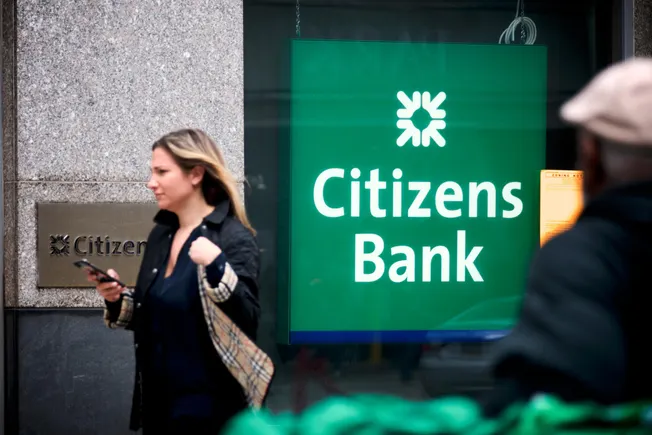
A growing coalition of faith-based organizations, municipal governments, and elected officials is intensifying pressure on Citizens Bank, demanding the financial institution sever its ties with the private prison industry. The campaign, spearheaded by the "De-ICE Citizens Bank Coalition," centers on the bank’s provision of approximately $2.5 billion in financing to CoreCivic and the GEO Group—two of the largest private operators of U.S. Immigration and Customs Enforcement (ICE) detention centers.
As the protest movement gains momentum, the bank finds itself at a critical juncture, caught between its stated corporate social responsibility goals and the practical realities of its commercial lending portfolio. The dispute has evolved from a niche advocacy effort into a widespread financial boycott, raising broader questions about the role of banking institutions in the financing of controversial government contracts.
The Core Conflict: Profiting from Detention
At the heart of the controversy is the financial relationship between Citizens Bank and the private entities managing the infrastructure of the U.S. immigration detention system. Activists argue that by providing billions in capital to CoreCivic and the GEO Group, Citizens Bank is essentially underwriting a system they characterize as inhumane.
The De-ICE Citizens Bank Coalition points to a sobering statistic to justify their divestment campaign: more than 20 individuals have reportedly died while in the custody of facilities operated by these two corporations. Furthermore, the coalition highlights a recent report by the Greater Boston Interfaith Organization (GBIO), which details the "human cost of private detention." The report alleges that death rates within ICE detention facilities have climbed to a 22-year high, prompting the coalition to argue that the bank’s funding facilitates a system that is inherently prone to abuse and neglect.
Chronology of Escalation: From Shareholder Questions to Municipal Divestment
The friction between the bank and its critics did not emerge overnight; it is the culmination of a months-long campaign of pressure and failed dialogue.
- April 23: During the Citizens Bank annual shareholder meeting, representatives from the GBIO challenged CEO Bruce Van Saun directly regarding the bank’s ties to the private prison industry. During this exchange, they explicitly requested a meeting to discuss the implications of this financing and served notice of the organization’s intent to withdraw its accounts.
- Early May: The GBIO followed through on the initial phase of its threat, withdrawing $1 million from its Citizens accounts.
- June (Early): Organizers coordinated a massive day of action, featuring protests at approximately 140 Citizens Bank locations across the United States.
- June 10: The GBIO announced a second, more significant withdrawal of $2 million, bringing their total divestment to $3 million.
- Mid-June: Jersey City, New Jersey, made headlines as the first municipality to officially announce it would divest its city accounts from Citizens Bank, citing the lender’s refusal to align its financial activities with the city’s values.
This timeline reflects a strategic escalation. What began as a dialogue-based request for transparency has transformed into a tangible, multi-front economic challenge to the bank’s operational liquidity and public reputation.
Supporting Data and the "Human Cost" Report
The GBIO’s report, which served as a catalyst for the latest round of withdrawals, provides a granular look at the criticisms leveled against CoreCivic and the GEO Group. The report argues that the profit motive inherent in private detention centers inevitably leads to cost-cutting measures that compromise the safety and health of detainees.
In a statement supporting the report, Pastor James Yansen of the Hyde Park Seventh-day Adventist Church articulated the moral position of the congregants: "Our congregants, neighbors, family and friends, including those who are recent immigrants, need to be assured that major institutions like Citizens Bank that we rely on are not directly enabling entities that are causing legitimate fear and harm."
Pastor Yansen’s challenge to the bank was direct: "If any of the items in this report are false or misleading, if CoreCivic and GEO Group are not responsible for these things, we hope they will tell us. But so far, there has been no such explanation."
The GEO Group’s management of Delaney Hall, an ICE detention facility in Newark, New Jersey, has become a focal point of this outrage. The facility has gained national notoriety for reports of inadequate medical care and alleged human rights abuses, fueling the momentum behind Jersey City’s decision to cut ties with the bank.
Official Responses: A Clash of Perspectives
The response from Citizens Bank has been characterized by a defense of its corporate character and a rigid stance on the nature of banking. In a series of statements to media outlets, a spokesperson for Citizens emphasized the bank’s "strong record of corporate responsibility."
"We are a relationship-based bank," the spokesperson stated. "Last year, we provided $2 billion in equity and loan commitments to finance thousands of units of affordable housing, and we provided $20 million in grants to nonprofits. The claim that Citizens is not committed to its communities is simply untrue."
Regarding the specific demand to cut ties with ICE contractors, the bank adopted a firm policy position. "It is not the role of banks to set public policy," the spokesperson asserted. "Our responsibility is to follow the law and apply our standards consistently as we serve all of our clients."
This "neutrality" argument, however, has failed to satisfy critics. When the GBIO attempted to follow up on the promise of a meeting with CEO Bruce Van Saun, the bank declined. A representative for the bank informed the organization that a meeting would "not be productive at this time," labeling the GBIO’s public campaign as "false and misleading." The bank’s letter concluded with a pointed suggestion: "We hope that you operate going forward with a more objective and balanced view, which is in your organization’s best long-term interests."
Broader Implications: Banking, Ethics, and Public Policy
The conflict at Citizens Bank is emblematic of a broader trend in the financial sector: the politicization of capital. As institutional investors and everyday customers become increasingly sensitive to the social impacts of their money, banks are facing mounting pressure to move beyond traditional risk-assessment models and incorporate environmental, social, and governance (ESG) factors into their lending decisions.
The Role of Local Government
The involvement of municipal governments, such as Jersey City, marks a significant shift. When a city government decides where to park its taxpayer funds, the decision is inherently political. By divesting from Citizens, Jersey City is signaling that public funds should not be managed by institutions that facilitate, even indirectly, the operations of the private prison-industrial complex. If other municipalities follow suit, the financial consequences for regional banks could be substantial.
Political Pressure
The involvement of elected officials, including Massachusetts State Representatives Erika Uyterhoeven and Mike Connolly, adds a layer of legislative scrutiny. When lawmakers take personal actions—such as pulling over $100,000 in personal funds from the bank—they bridge the gap between grassroots activism and formal policy discussions. This could eventually lead to legislative efforts to restrict public banking contracts with institutions that maintain ties to the private prison industry.
The Future of "Neutrality"
Citizens Bank’s insistence that it is not its role to "set public policy" represents the traditional view of the banking industry. However, the success of the De-ICE campaign suggests that the public no longer accepts this definition of neutrality. For many customers, "following the law" is no longer a sufficient defense for financing corporations that are at the center of national debates on human rights and immigration policy.
Conclusion
As the De-ICE Citizens Bank Coalition continues to organize, the pressure on Citizens Bank is unlikely to dissipate. The bank now faces a difficult dilemma: maintain its contractual relationships with CoreCivic and the GEO Group, thereby signaling a commitment to its existing business model, or succumb to public pressure and risk alienating its commercial client base.
For the protesters and the organizations that have already withdrawn millions, the issue is clear. They argue that the bank is at a crossroads where financial profit is being weighed against the moral cost of human suffering. As the list of divestments grows, the case of Citizens Bank serves as a bellwether for the future of ethical banking in a deeply divided political landscape. Whether the bank chooses to maintain its current trajectory or pivot in response to public outcry remains to be seen, but the ongoing boycott ensures that the debate over the intersection of finance and human rights will remain at the forefront of the conversation.