Digital Erasure: Senators Demand Answers as CFPB Scrubs Years of Consumer Protection Data
By Investigative Desk
A profound digital purge is underway at the Consumer Financial Protection Bureau (CFPB), sparking a heated confrontation between Capitol Hill and the agency’s leadership. Four prominent Democratic senators have launched a formal inquiry into the mass deletion of public-facing information from the bureau’s website—a move critics characterize as an effort to dismantle the agency’s institutional memory and shield corporate actors from public scrutiny.
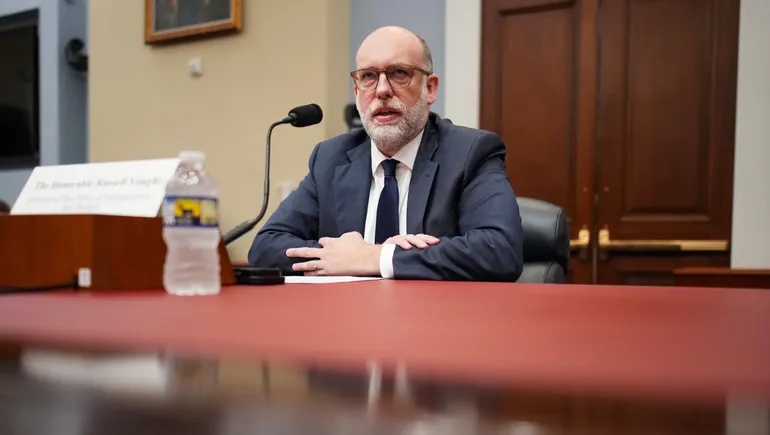
The missing content, which encompasses years of press releases, speeches, testimony, and vital consumer advisories, has vanished from the public domain since the transition to the second Trump administration. As the CFPB shifts from its historical role as a aggressive watchdog of financial markets to a more industry-friendly posture under Acting Director Russ Vought, the disappearance of these records has triggered alarm among policymakers and consumer advocates alike.
The Scope of the Purge: What Has Been Lost?
The scale of the information removal is significant. In May, the agency quietly noted that hundreds of communications dating back to before February 2025 had been archived, yet it offered no substantive explanation for the decision to strip these materials from active access.
The deleted records are not merely bureaucratic debris; they represent the CFPB’s historical efforts to educate the public and hold financial institutions accountable. Among the removed pages are critical resources detailing predatory loan practices, guides for families to protect children from identity theft, and advisories regarding the complexities of medical debt collection.
Perhaps most concerning to the lawmakers is the deletion of 35 "Supervisory Highlights"—detailed reports that summarized the agency’s oversight of financial institutions. These reports served as a primary mechanism for transparency, documenting where the bureau found systemic failures within the banking industry. By scrubbing these documents, the agency has effectively severed the public’s ability to track the evolution of corporate misconduct.
Furthermore, the agency has removed translations of web pages into non-English languages. This specific act has drawn sharp criticism, as it disproportionately impacts vulnerable populations, making it significantly more difficult for non-English speakers to file complaints, access financial relief, or understand their rights in the face of predatory lending.
The Congressional Pushback: A Letter to Leadership
On Monday, Sens. Elizabeth Warren (D-MA), Raphael Warnock (D-GA), Andy Kim (D-NJ), and Lisa Blunt Rochester (D-DE) issued a blistering letter to Acting Director Russ Vought. The lawmakers did not mince words, accusing the agency of a deliberate, coordinated effort to undermine consumer protection.
“Your decision deprives Americans of key resources and is yet another giveaway to companies intent on scamming the public of their hard-earned dollars,” the senators wrote. They argued that the deleted pages served as a critical repository of corporate predatory behavior, which historically provided the foundation for enforcement actions against bad actors.
The senators have demanded that Vought provide a comprehensive explanation for the deletions, issuing a list of 15 specific questions with a deadline of July 2. They are seeking to understand the internal decision-making process, whether the records were destroyed in violation of federal law, and if further purges are planned.
Chronology of an Agency in Transition
The current crisis at the CFPB is the latest chapter in a broader, radical shift in the agency’s mission that began in early 2025.
- February 2025: Russ Vought assumes leadership of the CFPB. Almost immediately, the agency begins an aggressive reversal of previous policy stances.
- Spring 2025: The agency initiates a series of high-profile departures from its traditional enforcement strategy, dismissing numerous lawsuits against major financial institutions and terminating enforcement orders previously leveled against firms like Apple Card and U.S. Bank regarding unemployment benefits.
- May 2025: The agency updates its website, effectively scrubbing hundreds of documents from public view, citing them as "archived" without providing direct links or context.
- June 2025: Reports emerge from internal agency employees suggesting that the deleted information has not just been moved to a deeper server, but seemingly "destroyed."
- June 22, 2025: Sens. Warren, Warnock, Kim, and Blunt Rochester send a formal letter to Vought demanding accountability for the digital erasure.
- Current Status: The nomination of Brian Johnson to succeed Vought remains pending in the Senate, while simultaneous litigation over workforce reductions continues to paralyze parts of the agency’s operations.
The Legal and Ethical Implications
The Federal Records Act is clear: government agencies are prohibited from disposing of records without proper authorization and adherence to strict archival protocols. While the CFPB maintains that the content was merely "archived," current agency employees have told American Banker that the information appears to have been destroyed.
The senators point out that while some of the deleted information remains accessible via third-party services like the Internet Archive, this is an inadequate substitute for an official government repository. Internet archives are often intermittent, lack primary source authentication, and do not provide the reliability required for legal and public educational purposes.
The implications of this are twofold. First, there is the immediate loss of public utility—consumers lose the ability to access educational material that could prevent them from falling victim to financial fraud. Second, there is the systemic erosion of institutional history. By removing the evidence of previous enforcement actions, the agency is effectively rewriting its own legacy, making it harder for future regulators and historians to track how the bureau interacted with the financial industry over the last decade.
A Broader Pattern: The "Shut Down" Strategy
The deletion of website content is widely viewed by agency staff as part of a larger strategy to systematically dismantle the CFPB from within. Since Vought took control, the agency has seen a freeze on new consumer advisories and a series of legal dismissals that favor the very entities the bureau was created to regulate.
"You have erased a source of records of abusive corporate conduct that underpinned the CFPB’s decisions under prior Administrations to levy enforcement actions," the senators noted in their letter.
This sentiment is echoed by current staff members, who have speculated to various media outlets that the purge is a tactical maneuver designed to hide the agency’s past successes, potentially as a precursor to shutting it down entirely. This atmosphere of uncertainty is compounded by the ongoing legal battles regarding Vought’s plan to implement massive job cuts within the bureau—a plan that was recently blocked from an expedited appeal by a federal court.
Looking Ahead: The Nomination of Brian Johnson
The tenure of Russ Vought may be drawing to a close, but the damage to the agency’s transparency and institutional memory remains a focal point for the Senate. President Trump has nominated Brian Johnson, a former deputy director of the CFPB, to take the helm.
While Johnson’s nomination brings the possibility of a new direction, his confirmation hearing will likely serve as a referendum on the Vought era. Lawmakers are expected to demand a commitment to transparency and a restoration of the deleted archives.
Until then, the CFPB remains in a state of suspended animation—caught between its legacy as a fierce defender of the consumer and its current reality as an agency actively scrubbing its own footprint. For now, the public is left with a digital void where once there was a wealth of information designed to level the playing field between the American consumer and the financial institutions that serve them. The July 2 deadline for Vought’s response will be the next critical test of whether the administration is willing to account for these actions or continue its course of opaque, industry-friendly governance.