Decoding the Rookie Real Estate Playbook: How to Analyze Deals, Choose Markets, and Build Wealth
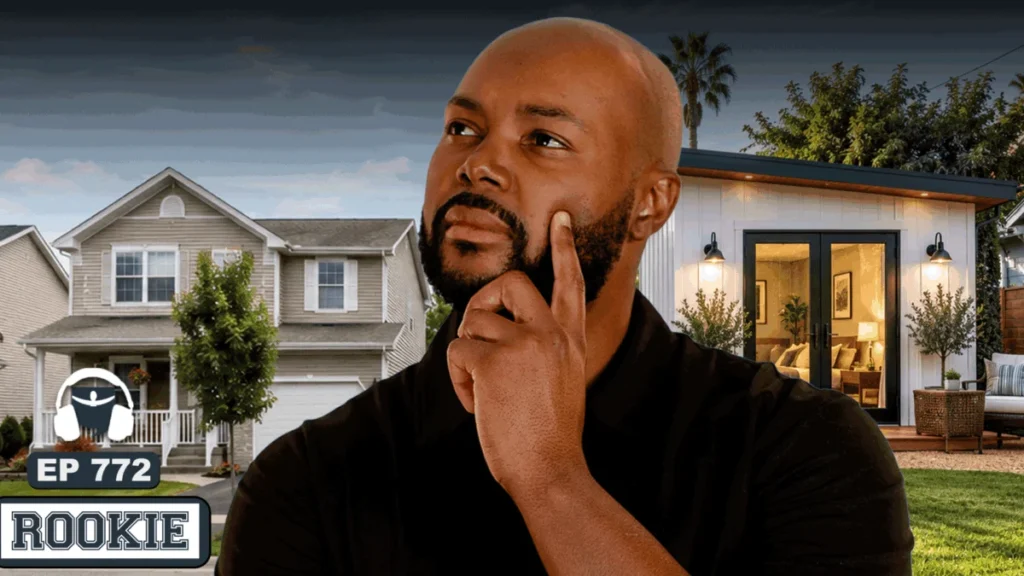
For thousands of aspiring real estate investors, the path to financial independence begins with a single, often daunting, step: the first deal. Whether it is a house hack in a bustling urban center or a long-term rental in an emerging market, the sheer volume of strategies—ranging from short-term vacation rentals to multifamily duplexes—can lead to "analysis paralysis."
In the latest installment of the Real Estate Rookie podcast, hosts Ashley Kehr and Tony J. Robinson pull back the curtain on the BiggerPockets forums to dissect three distinct scenarios. By examining these cases, investors can learn how to move beyond the theory and begin building a portfolio grounded in solid financial metrics.
The Strategic Crossroads: Local vs. Out-of-State Investing
The journey often begins with a fundamental question of geography: Should a new investor buy in their own backyard or look toward more affordable, cash-flow-friendly markets?
This was the dilemma posed by Bryan, a Southern California investor with a solid savings cushion and a long-term vision for wealth creation. For those in high-cost-of-living (HCOL) areas, the math for traditional long-term rentals often appears grim. However, the hosts argue that "wealth" in real estate is a multi-faceted definition involving equity, loan paydown, and appreciation.
The Case for "Supercharging" Local Assets
For investors in markets like Southern California, waiting for the perfect "cash-flowing" single-family home might mean staying on the sidelines for years. Instead, Kehr and Robinson suggest exploring alternative strategies that maximize the utility of the property:
- Rent-by-the-room: Increasing the revenue per square foot by leasing individual rooms rather than the entire property.
- Niche Leasing: Leasing the property to operators of sober living or assisted living facilities who are willing to pay a premium for stable, long-term housing.
- Mid-term Rentals: Catering to traveling nurses or corporate professionals, which offers higher cash flow than traditional leases without the operational intensity of short-term vacation rentals.
Evaluating Property Types
Kehr emphasizes a critical, often overlooked factor: the exit strategy. She notes that single-family homes generally boast a larger buyer pool compared to small multifamily properties. "If I have two comparable properties, one a single-family home and one a duplex, I have a very limited buyer pool for that duplex," Kehr explains. Investors are encouraged to research the last 10 to 30 years of market data in their area to determine which asset class has historically provided the best appreciation.
The Art of the House Hack: Analyzing Like a Pro
House hacking—living in one unit of a property while renting out the others—remains the gold standard for rookie investors. But how do you determine if a deal "makes sense" when the emotional bias of personal residence is involved?
The "Supermax" Strategy
Beyond the standard duplex model, Robinson introduces the "supermax" strategy: purchasing a multifamily property, living in one unit, and then renting out individual rooms within that primary unit. This triple-layer strategy (living in a unit, renting the other unit, and optimizing the primary unit) maximizes the return on a small down payment.
The Analytical Framework
A common mistake rookies make is failing to account for all expenses because they are "living there." To accurately analyze a house hack, you must:
- Treat it like an investment: Include every expense—taxes, insurance, property management fees, and vacancy reserves—even if you plan to self-manage.
- Compare the "Net Cost of Living": If the property has a "negative" cash flow of $400 a month, compare that to your current rent. If your total housing cost is significantly lower than renting a comparable unit elsewhere, the deal is a win.
- Factor in Wealth Components: Remember that every month your tenant pays the mortgage, they are building your equity. Over 30 years, this "forced savings" component is a massive contributor to long-term net worth.
The Vacation Rental vs. Long-Term Rental Debate
The final scenario involves Chris, a 40-something professional with a high W2 income and a 35% tax bracket. He is choosing between a local duplex (long-term) and a lake/mountain house (short-term rental/vacation home).
The Tax Loophole: A Strategic Advantage
Kehr highlights a significant, often misunderstood advantage for high-earning professionals: the Short-Term Rental (STR) Tax Loophole. Under specific IRS guidelines, if an investor "materially participates" in a short-term rental, they may be able to use "bonus depreciation" (via a cost segregation study) to offset their high W2 income.
However, this comes with a warning. Robinson emphasizes the Material Participation requirement. To qualify, an investor must meet specific benchmarks, such as the 100-hour or 500-hour test. "If you hire a property manager, it can become difficult to prove that you spent more time on the property than they did," Robinson notes.
Automation: The Key to Remote Success
Many rookies fear purchasing vacation rentals far from home. Robinson, who owns over 20 Airbnbs across the country, argues that geographic distance is no longer a barrier. By implementing robust digital systems—automated check-ins, remote monitoring, and pre-set communication flows—investors can operate high-performing rentals without ever stepping foot on the property.
Implications for the Modern Investor
The overarching theme of these discussions is that there is no "perfect" strategy; there is only the strategy that aligns with the investor’s current capacity, tax situation, and financial goals.
Summary of Key Considerations
- Prioritize Speed of Entry: For investors who have spent years on the sidelines, the most important move is often the first one. Analysis is vital, but action creates the proof-of-concept necessary for growth.
- Know Your Operator Profile: Are you the "handyman" type who enjoys the direct management of a duplex? Or are you the "corporate professional" who should leverage tax loopholes and automated systems? Your personality dictates your success as much as the market does.
- Understand the "Why": Are you buying for immediate cash flow, or are you building a 20-year wealth foundation through appreciation? Tailoring your property type—single-family vs. multifamily—to your specific goal is the difference between a portfolio that grows and one that stagnates.
Final Takeaways for the Rookie
As the real estate market evolves, the "rookie move" is to avoid chasing trends. Instead, focus on the fundamentals: understanding risk, rigorously calculating numbers, and ensuring that the operator (you) is suited for the specific business model chosen. Whether you opt for the steady, long-term appreciation of a suburban single-family home or the tax-advantaged potential of a mountain-side short-term rental, success is found in the discipline of the underwriting process.
By moving from passive observation to active, intentional investing, the "rookie" title is quickly shed, replaced by the skills of an experienced real estate professional. As Kehr and Robinson conclude, the best deal is the one that gets you into the game, keeps you learning, and avoids putting your financial stability under undue pressure.