Breaking Through Barriers: A Deep Dive into the Frugalwoods Home Renovation
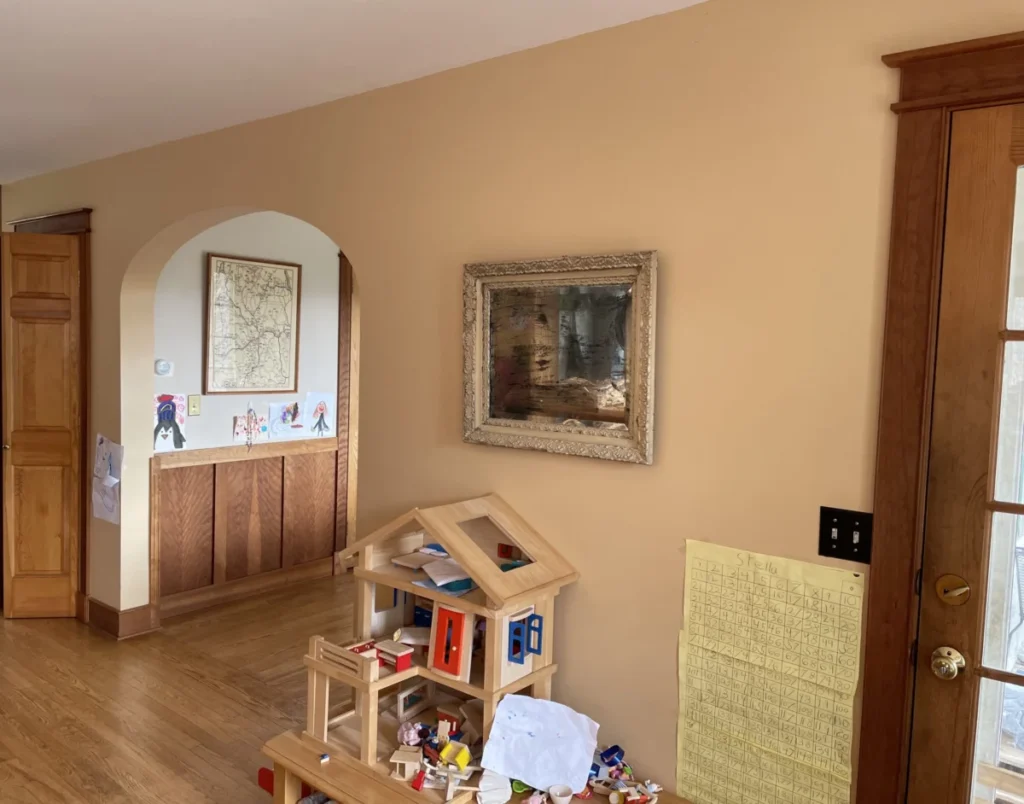
In the world of home improvement, few projects are as intimidating—or as transformative—as the removal of a load-bearing wall. For the authors of the personal finance blog Frugalwoods, the decision to dismantle a restrictive, arched wall that had stood since their home’s construction in 1991 was not merely an aesthetic choice; it was a complex engineering challenge that spanned months of careful planning, professional collaboration, and hands-on labor.
This article explores the multi-faceted process of this significant home renovation, the financial implications of such an undertaking, and the broader philosophy of balancing DIY grit with professional expertise.
The Problem: An Architectural Anachronism
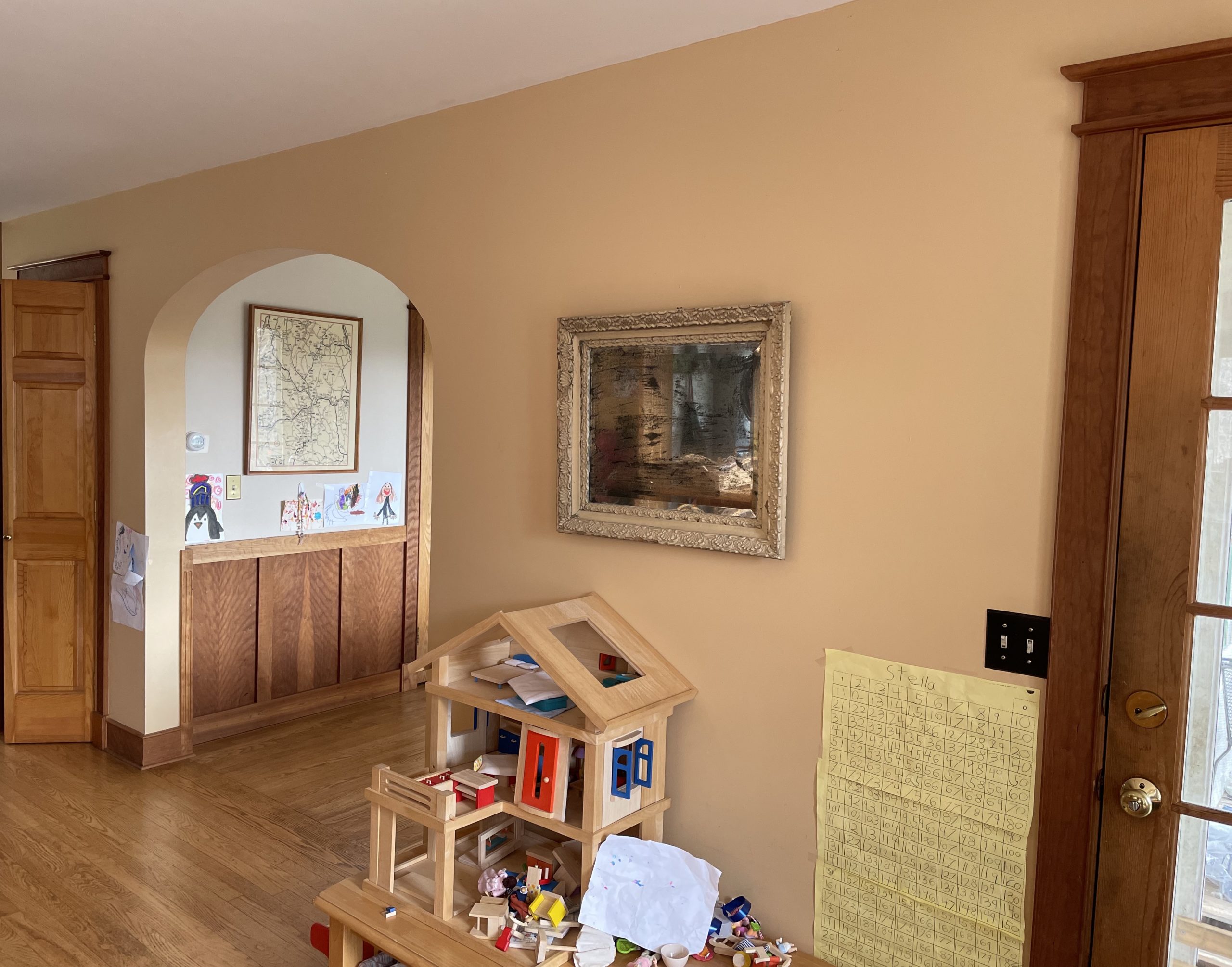
The wall in question had long served as a "menace" to the home’s flow. Positioned between the kitchen, dining room, and living area, it effectively siloed the spaces, creating a cramped and disjointed floor plan. Beyond the visual clutter, the wall featured a low, arched doorway that felt increasingly out of place in a modern living environment.
"Everyone who came into our home asked, ‘Why do you think they put a wall there?’" the authors noted.

The answer, as is often the case with 1990s-era residential construction, was rooted in utility rather than design. The wall acted as a central nervous system for the home, housing crucial structural support, complex plumbing stacks, and essential electrical wiring. Removing it meant more than just swinging a sledgehammer; it required a total redesign of the home’s mechanical infrastructure.
Chronology of the Transformation
The project, which reached its milestone completion in June, followed a rigorous, phased approach.
1. The Demolition Phase:
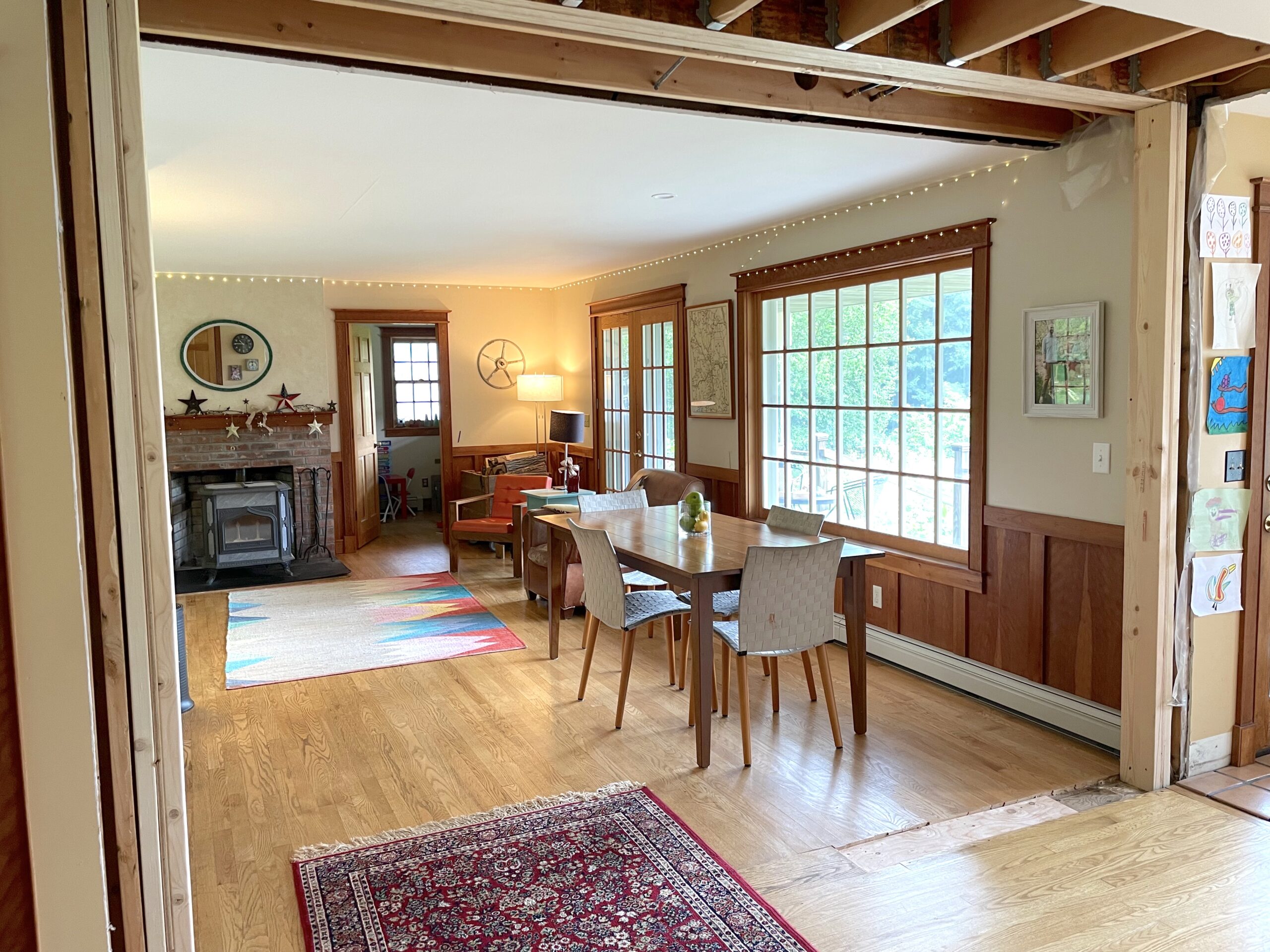
The process began with the most straightforward, albeit labor-intensive, portion of the project: the removal of the drywall and the structural framework. While the physical act of demolition is often portrayed in media as a chaotic affair, the authors emphasized that this was a controlled process, essential for exposing the underlying systems that required rerouting.
2. The Mechanical Overhaul:
Once the wall was opened, the true scale of the work became apparent. A professional plumber was brought in to navigate the complex task of re-routing a primary plumbing stack. The stack was repositioned in a zig-zag pattern through the ceiling and down the corner of the pantry. To conceal this, the homeowners utilized reclaimed siding from a chicken coop, a creative touch that highlights the brand’s commitment to resourcefulness.
3. Electrical Upgrades:
With the structure compromised, an electrician was tasked with re-routing the home’s electrical grid. A significant improvement was the addition of a recessed light over the dining room table—a small but impactful change that, according to the homeowners, fundamentally improved their ability to host game nights and perform daily tasks.
4. The Engineering Masterpiece:
The most critical phase involved recessing a load-bearing support beam. To ensure the safety and structural integrity of the house, the couple engaged an architect to handle the load calculations. Mr. Frugalwoods then took the lead on the carpentry, constructing a temporary "ladder" wall to support the ceiling while the new beam was installed. This combination of professional planning and "sweat equity" formed the backbone of the project’s success.
Supporting Data: The Financial Breakdown
A renovation of this magnitude requires a transparent approach to budgeting. The total expenditure for the month of June—which included the wall removal, specialized labor, and household maintenance—totaled $5,044.63.
The breakdown provides a revealing look at the costs associated with high-impact home improvements:

- Lumber and Drywall: $703.53
- Specialized Tools: $600.61 (including a bottle jack, heavy-duty square, and fasteners)
- Professional Electrical Services: $494.98
- Groceries and Household Supplies: $1,449.97 (a significant portion of the monthly total)
- Miscellaneous: Including health expenses, fuel, and lifestyle upgrades like new hiking boots and a booster seat.
While the project was substantial, the authors maintain that the resulting improvement in "flow and openness" justifies the investment.
The Philosophy of "DIY vs. Professional"
A central theme of the Frugalwoods renovation strategy is the clear delineation between tasks that can be performed by the homeowner and those that demand a licensed professional.
The authors advocate for a "safe and confident" approach to DIY. Grunt work, such as demolition, material cleanup, and basic carpentry, was managed in-house to save costs. However, they explicitly deferred to experts for high-stakes technical work, such as structural engineering and complex plumbing. This approach minimizes the risk of catastrophic failure while maximizing the educational value of the renovation process.
Implications for Homeowners
The success of this project serves as a case study for homeowners considering similar structural changes. The key takeaways include:
- Professional Consultation is Non-Negotiable: When dealing with load-bearing elements, hiring an architect or structural engineer is an essential investment, not an optional expense.
- Infrastructure Planning: Renovations rarely happen in a vacuum. Addressing plumbing and electrical needs while the walls are open is a vital efficiency that prevents future costs.
- The "Sweat Equity" Balance: Identifying which tasks you are truly capable of completing safely allows you to dedicate your budget toward the professional services that matter most.
- Long-term Vision: The decision to delay final drywall finishing until the future kitchen remodel is finalized is a strategic move, preventing the "double-work" cycle that plagues many DIYers.
Financial Management: Beyond the Renovation
The Frugalwoods blog extends its renovation principles into personal finance, emphasizing a holistic, data-driven approach to wealth management. The authors encourage readers to utilize free tools—such as the financial tracking service Empower (formerly Personal Capital)—to monitor net worth and investment performance.
They also emphasize the importance of high-yield savings accounts and strategic credit card usage. By leveraging 2% cash-back rewards and opting for budget-friendly mobile virtual network operators (MVNOs) for cellular service, the authors demonstrate that fiscal discipline is not about deprivation, but about optimizing every dollar to enable a desired lifestyle.
Conclusion
The removal of the "menace wall" is more than just a home improvement project; it is a testament to the power of methodical planning and the integration of professional expertise with personal initiative. By stripping away the physical barriers in their home, the Frugalwoods team has not only created a more functional living space but has also provided a blueprint for how homeowners can tackle large-scale projects without losing their financial—or structural—stability.
As they look toward their next renovation milestone, the takeaway remains clear: with the right team, the right preparation, and a willingness to put in the "grunt work," even the most intimidating walls can come down.