Beyond the Spreadsheet: A Comprehensive Review of ProjectionLab’s Financial Planning Suite
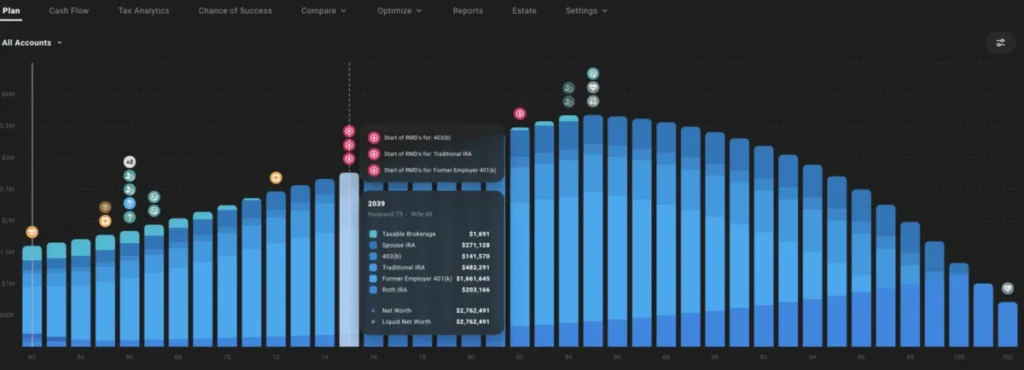
In the crowded landscape of personal finance software, most tools fall into one of two categories: simplistic budgeting apps that offer a high-level view of your spending, or complex, opaque calculators that feel more like accounting homework than retirement planning. ProjectionLab has carved out a distinct middle ground, evolving over the past five years into a sophisticated, user-friendly platform that allows individuals to build, stress-test, and refine their financial lives with institutional-grade precision.
Founded by Kyle Nolan and launched in April 2021, the platform has matured from a promising niche utility into a powerhouse for the DIY financial community. By prioritizing privacy—eschewing account linking in favor of manual, user-controlled data entry—ProjectionLab has positioned itself as a tool for the "customer," not the "product."
The Core Philosophy: Privacy and Precision
The fundamental differentiator for ProjectionLab is its privacy-first architecture. Unlike many competitors that rely on third-party aggregators to scrape your bank and brokerage data, ProjectionLab requires users to input their financial data manually.
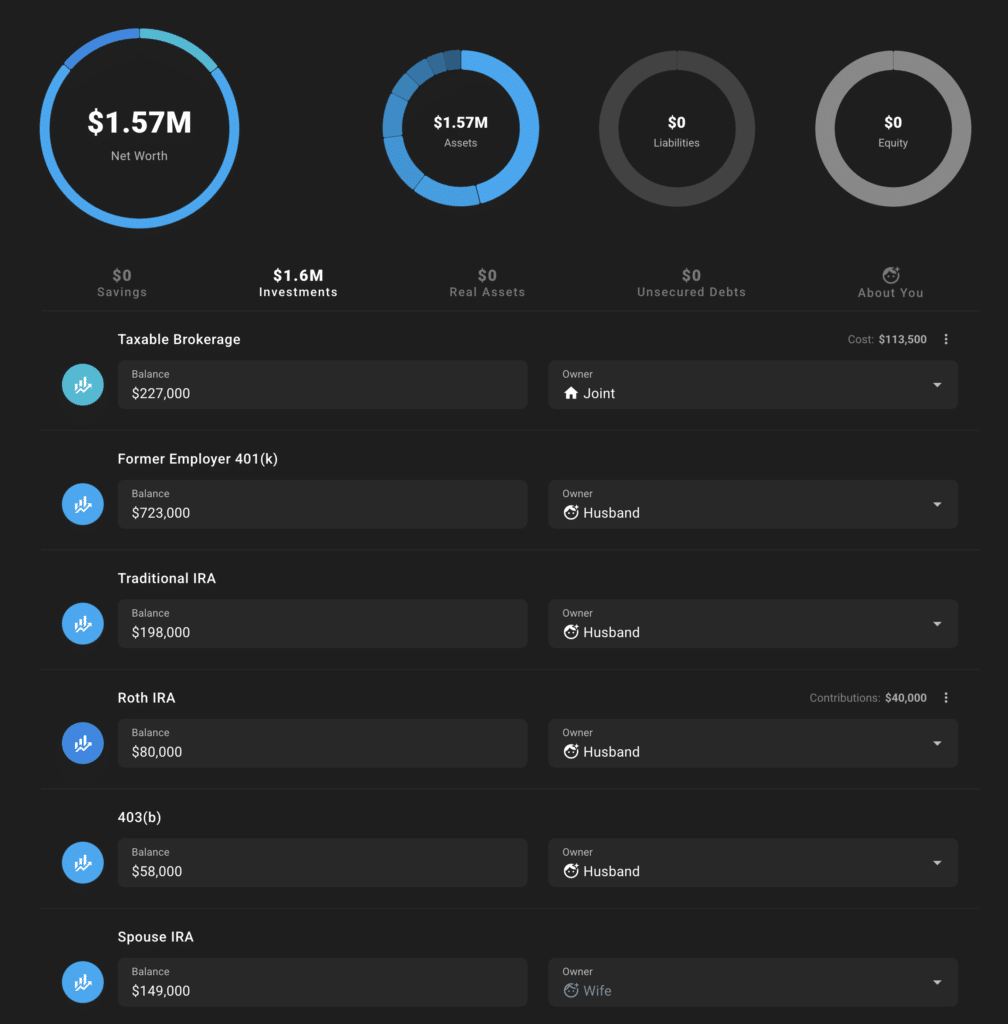
While this necessitates a bit more "upfront work," the philosophy behind it is intentional. By removing the dependency on external data feeds, the platform avoids the privacy risks associated with data sharing and ensures that the user maintains complete control over their financial narrative. For the serious planner, this trade-off is often seen as a virtue, fostering a deeper, more intentional engagement with one’s own balance sheet.
A Chronological Evolution: From Prototype to Powerhouse
Since its inception in 2021, ProjectionLab has undergone a significant transformation. What began as a streamlined tool for basic net worth projections has grown into a comprehensive financial suite.
- 2021: Initial launch focusing on basic forecasting and Monte Carlo simulations.
- 2022–2023: Expansion into complex cash-flow visualization and the introduction of a robust "Flows" logic system, allowing users to dictate how money is allocated across various accounts.
- 2024–2025: The "Year of Optimization," featuring the rollout of advanced tax planning tools, international support, and specialized estate planning features.
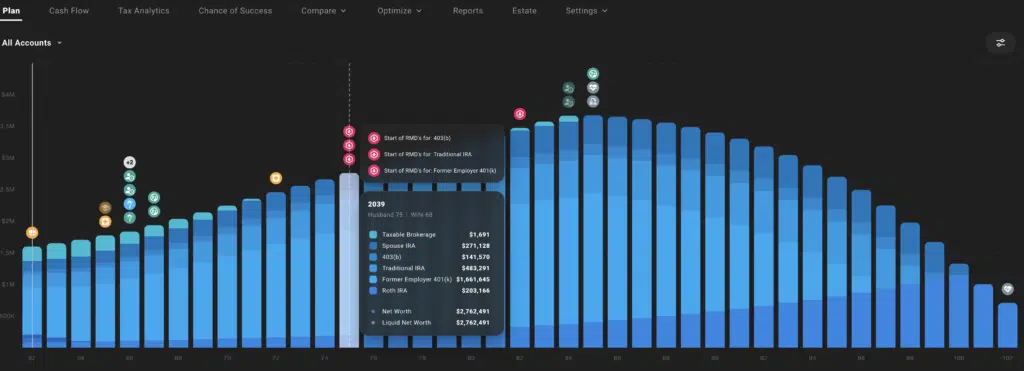
The pace of development has been rapid, with the platform now supporting a wide range of specific US-based tax-advantaged accounts, including 401(k), 403(b), 401(a), 457(b), and their respective Roth variations. This level of granular support is essential for accurate tax modeling and understanding the long-term impact of Required Minimum Distributions (RMDs).
How the Platform Functions: A Logical Workflow
ProjectionLab is designed around a linear, intuitive process that helps users transition from "hoping" their money lasts to "knowing" it will.
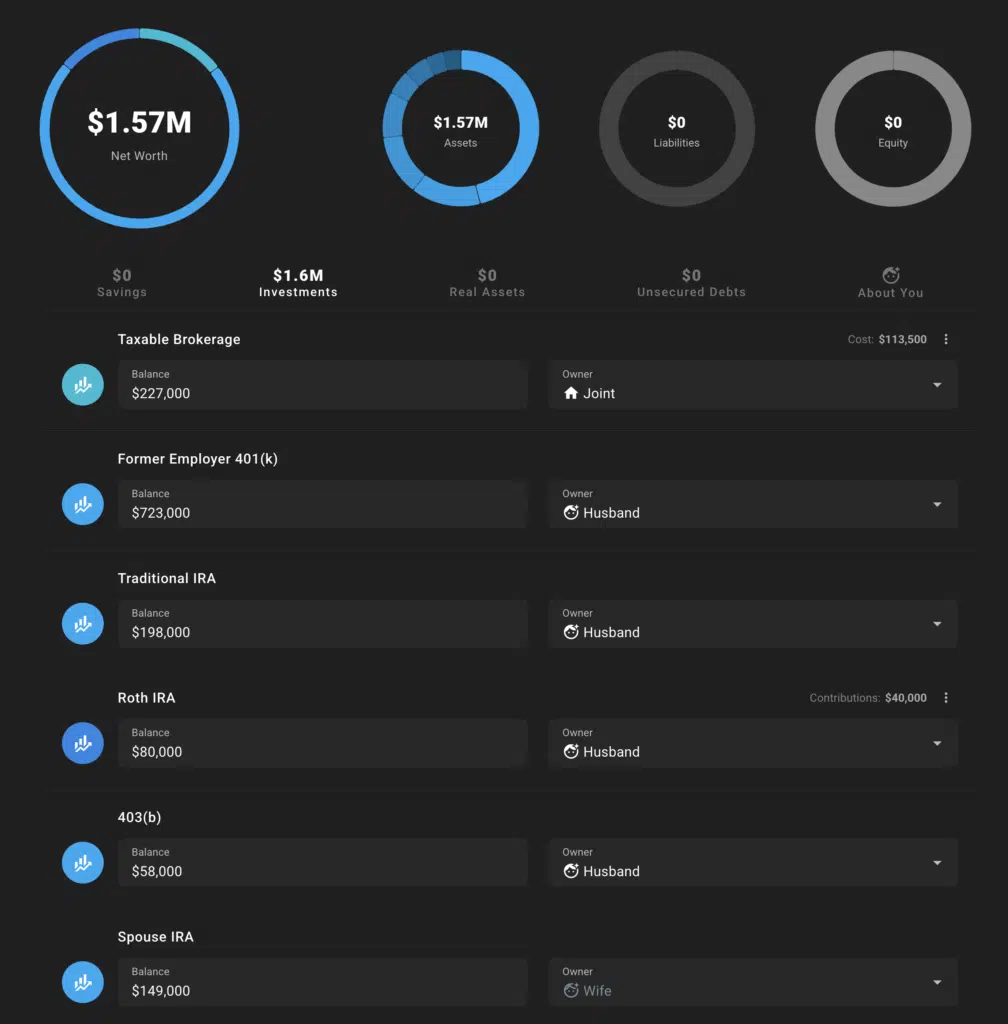
1. Data Input and Account Mapping
The user begins by defining their current financial state. This includes savings, investments, HSAs, 529 plans, real estate, and even cryptocurrency holdings. The tool’s ability to distinguish between various account types is not merely for show; it is the engine that drives the tax-optimization features later in the process.
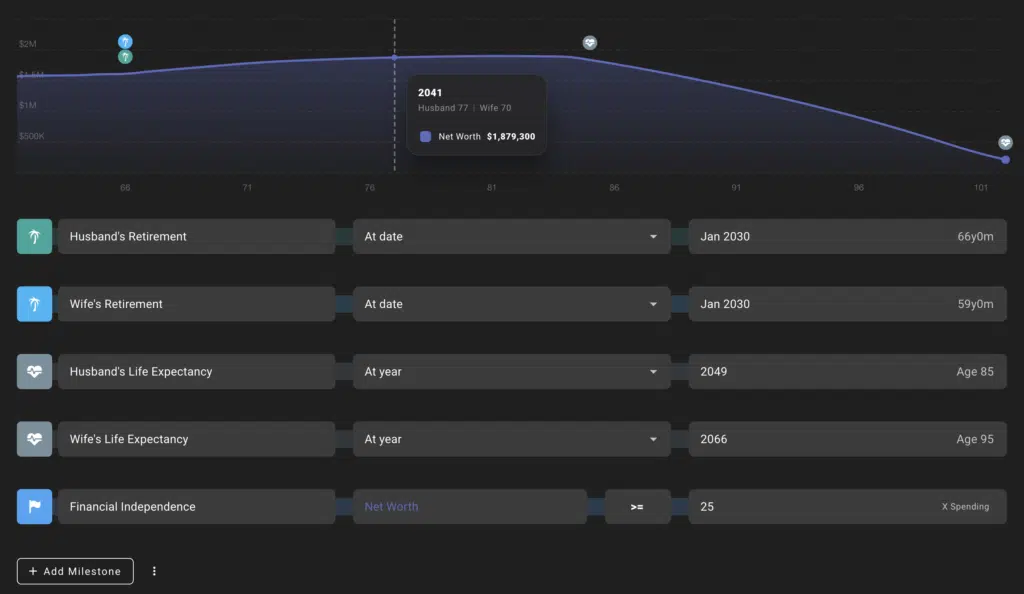
2. Defining Life Milestones
Planning is rarely a straight line. ProjectionLab allows users to map out major life events—career changes, home purchases, the birth of a child, or the decision to downsize—and set specific dates for these milestones. This allows the software to calculate the "shape" of your financial journey, accounting for shifting income and expense patterns over time.
3. Flow Logic and Prioritization
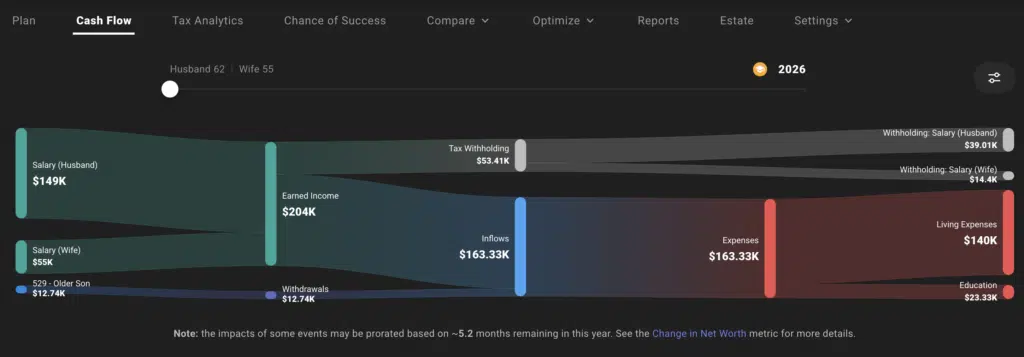
One of the most powerful features is the "Flows" section. Here, users define the hierarchy of their capital. If you have $5,000 in surplus cash, where should it go first? By creating a rule-based system, users can tell the software to prioritize high-interest debt, followed by emergency fund replenishment, and finally, specific retirement vehicles. The software then follows these rules strictly, providing a simulated roadmap of your financial behavior.
Supporting Data: Why "Chance of Success" Matters
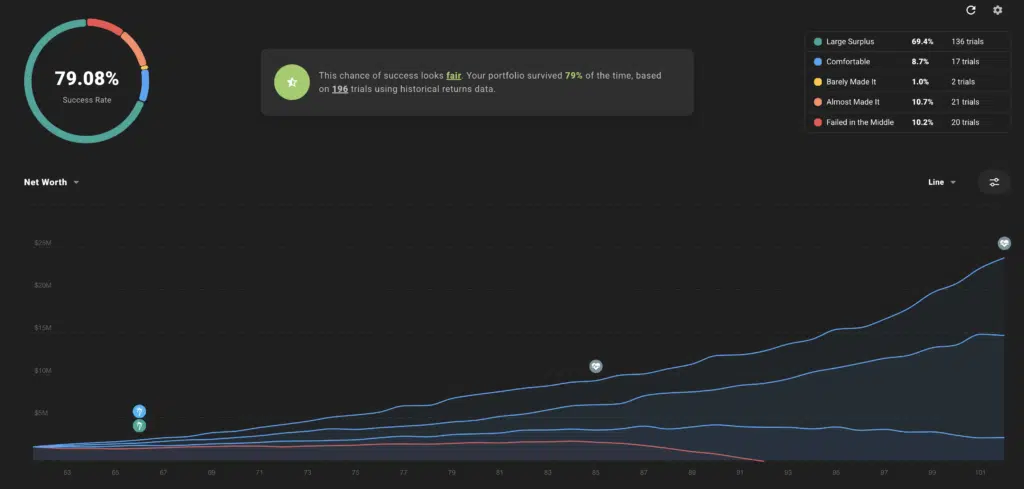
The core of ProjectionLab’s analytical capability lies in its Monte Carlo simulations. By running a user’s plan through thousands of randomized market scenarios, the platform generates a "Chance of Success" percentage.
This metric is vital for understanding the risks inherent in any long-term plan. If a strategy yields a 95% success rate, the user can feel reasonably confident in their path. However, if that rate drops to 60%, the tool allows for immediate "what-if" testing. By adjusting variables—such as delaying retirement by one year or reducing discretionary spending during market downturns—the user can see in real-time how these small levers impact their long-term security.
The Shift to Advanced Tax Planning
Perhaps the most significant leap for ProjectionLab is its newfound strength in tax optimization. For many, the "tax tail" is the most significant expense of their retirement. The platform now models:
- Roth Conversions: Strategically moving funds from tax-deferred to tax-free accounts to manage future tax brackets.
- Capital Gains Harvesting: Offsetting gains to minimize the tax burden during years of lower income.
- Tax-Efficient Withdrawal Sequencing: Calculating the optimal order of withdrawals to preserve assets and minimize the lifetime tax bill.
For those navigating the complexities of the US tax code, this feature elevates the platform from a simple calculator to a strategic planning partner.
Implications for Global Users
While the tool is rooted in US tax logic, it has recently expanded to include international support. Users in Canada, the United Kingdom, Australia, the Netherlands, and Germany now have access to localized tax presets and account types. This is a rare offering in the consumer financial software space, where most tools are rigidly bound by US-centric tax laws.
Pros, Cons, and User Suitability
The Pros:
- Unmatched Transparency: No hidden ads, no data selling, and a clear, user-centric model.
- Depth of Analysis: The ability to model estate taxes, charitable giving, and complex withdrawal strategies is exceptional for the price.
- Interactive "What-If" Mode: Comparing two life paths side-by-side provides incredible clarity for major financial decisions.
The Cons:
- Manual Entry: For those accustomed to automated tracking apps (like Mint or Monarch), the requirement to manually update data may feel burdensome.
- Learning Curve: While powerful, the sheer number of variables can be intimidating for a complete beginner who is not interested in the "mechanics" of their money.
Official Stance and Support
The platform maintains an active, community-driven support model, primarily through a dedicated Discord server. Additionally, for users who want a professional touch, the company offers a paid one-on-one consultation service, providing a 60-minute video session to walk through a plan with an expert. This creates a hybrid model: you get the power of professional software with the option for professional guidance if needed.
Final Verdict: Is It Worth the Cost?
ProjectionLab is priced at $129 per year for the Premium tier. While there is a free "Basic" version available for testing, the true value is locked behind the subscription.
For the "hands-on" planner—the person who derives satisfaction from understanding their tax bracket in 2040 or calculating the exact impact of a Roth conversion—this platform is arguably the best on the market. It does not provide the "set it and forget it" ease of a robo-advisor, but it provides something more valuable: total, unvarnished insight into your financial future.
In an era where personal finance is increasingly commodified and automated, ProjectionLab remains a refreshing tool for those who want to be the architects of their own retirement. It is, quite simply, an essential piece of software for anyone serious about achieving financial independence.