Beyond the Memorandum: Navigating the Fragile Path to Energy Stability
By Mohamed A. El-Erian
June 17, 2026
The announcement this past Sunday of a memorandum of understanding (MoU) between the United States and Iran represents a rare, flickering candle of optimism in a global landscape darkened by protracted geopolitical strife. After months of open hostilities that have exacted a staggering toll—not merely in the loss of life and the displacement of populations, but in the destabilization of the global macroeconomic order—this diplomatic breakthrough offers a potential pivot point.
However, as we look toward the horizon, it is imperative to temper this optimism with a sobering assessment of reality. The transition from a signed memorandum of intent to a fully restored, non-inflationary energy supply chain is not a linear path. It is a journey fraught with deep-seated political, technical, and physical risks that could easily derail even the best-intentioned diplomacy.
Main Facts: The Anatomy of the Breakthrough
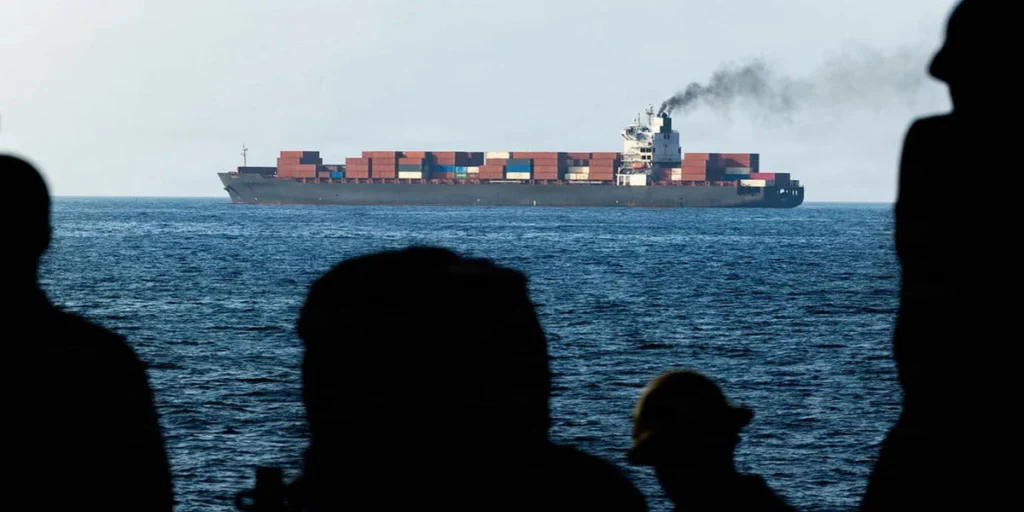
The memorandum, brokered through intensive back-channel negotiations, serves as a de-escalation framework aimed at halting the immediate hostilities that have choked the Strait of Hormuz and surrounding maritime corridors. The core tenets of the agreement focus on three pillars: a cessation of direct military engagement, the establishment of a "blue-line" maritime safety zone for oil tankers, and a gradual reduction of trade barriers specifically related to energy infrastructure.
While the document is not a comprehensive peace treaty, it functions as a critical circuit breaker. By creating a formalized channel for communication, the MoU seeks to minimize the risk of accidental escalation—a constant threat during the height of the recent conflict. The primary objective is to allow for the resumption of Iranian crude oil exports to international markets, thereby providing the global economy with the additional supply capacity necessary to cool overheated energy prices.
A Chronology of Escalation and Diplomacy
To understand the weight of this memorandum, one must look back at the precipitous decline in regional stability over the last year.
- Q4 2025 – The Flare-Up: Following a series of intelligence-led disputes, direct military skirmishes began in early October. The closure of critical transit chokepoints sent shockwaves through the global futures market, with Brent crude prices spiking by 22% within a span of seventy-two hours.
- Q1 2026 – The Stagflationary Bite: By January 2026, the economic consequences became undeniable. Supply chain bottlenecks forced manufacturers to curtail production, leading to a global surge in headline inflation. Central banks, already struggling to balance growth and price stability, found themselves in a "stagflationary trap," where interest rate hikes intended to curb inflation threatened to push fragile economies into deep recession.
- Q2 2026 – The Search for an Off-Ramp: As the humanitarian and economic costs became unsustainable for both domestic constituencies and regional allies, both Washington and Tehran signaled a willingness to entertain third-party mediation.
- June 14, 2026 – The Memorandum: Following seventy-two hours of final, intensive deliberations, the MoU was signed, marking the first significant shift in the strategic environment in nearly nine months.
Supporting Data: The Economic Toll
The economic damage inflicted during this period of hostility has been profound. According to recent data from the World Bank and the International Energy Agency (IEA), the "conflict premium" on oil—the additional price paid for uncertainty—added approximately $18 to $25 per barrel to the global average price throughout the first half of 2026.
The Macroeconomic Impact
- Inflationary Pressures: Global headline inflation, which had been trending downward throughout 2025, reversed course, ticking up by 1.4 percentage points in Q1 2026. This resurgence forced the Federal Reserve and the European Central Bank to delay anticipated rate cuts, further tightening global financial conditions.
- Trade Volatility: The volatility index (VIX) for energy commodities reached its highest level since the energy crises of the early 2020s. Emerging markets, which rely heavily on energy imports, saw their currencies depreciate sharply, leading to heightened concerns regarding debt sustainability.
- Infrastructure Degradation: Beyond the price of oil, the lack of maintenance and the physical destruction of transit infrastructure in the Gulf have resulted in a "technical overhang." Even if sanctions are lifted, the capacity to process and transport energy at pre-conflict volumes will likely take months, if not years, to fully restore.
Official Responses: Cautious Optimism
The international reaction has been one of measured relief, though skepticism remains the prevailing sentiment among regional stakeholders.
The View from Washington
The White House has framed the memorandum as a "pragmatic necessity." In an official statement, the Administration emphasized that the MoU is a test of intentions rather than a grant of trust. The focus remains on strict verification mechanisms to ensure that the de-escalation holds. "We are committed to seeing this through," a senior State Department official noted, "but we are prepared to recalibrate our stance the moment the spirit or the letter of this agreement is violated."
The View from Tehran
Tehran has positioned the agreement as a validation of its resilience. Through state-affiliated media, government spokespeople emphasized that the memorandum serves as a recognition of their role in regional energy markets. While the domestic narrative highlights a "victory of diplomacy," internal reports suggest that the leadership is under significant pressure to provide tangible economic relief to a public weary of inflation and shortages.
Global Market Reaction
Global equity markets reacted positively to the news, with energy stocks experiencing a slight correction and broader indices rallying on the prospect of lower input costs. However, bond yields remained elevated, reflecting a market that is not yet convinced that the inflationary threat has been fully neutralized.
Implications: The Road Ahead
The path forward is fraught with systemic risks. The restoration of energy supply chains is not merely a matter of signing a document; it requires the restoration of trust, the repair of physical assets, and the navigation of a complex web of existing sanctions.
Political Risks
The most significant hurdle remains the domestic political environments in both the U.S. and Iran. Hardline factions in both nations view the memorandum as a compromise of vital interests. Any domestic political upheaval or sudden shift in leadership could lead to a rapid evaporation of the diplomatic capital invested in this deal.
Technical and Physical Risks
The "technical overhang" cannot be overstated. Months of underinvestment and the potential for sabotage during the conflict mean that oil pipelines, refineries, and maritime traffic control systems require extensive technical audits. A sudden surge in production, if not managed correctly, could lead to further instability in the energy infrastructure.
The "Stagflationary" Legacy
Even if the energy supply chain stabilizes, the legacy of the last six months will persist. Businesses have already adjusted their supply chain strategies to prioritize resilience over efficiency, a move that is inherently inflationary. Furthermore, central banks have been forced to adopt a "higher-for-longer" interest rate stance, which will continue to exert a drag on global growth well into 2027.
Conclusion
The memorandum of understanding is a necessary first step, but it is not a destination. It provides the space for diplomacy to breathe, but it does not guarantee a return to the pre-conflict economic equilibrium. The international community must remain vigilant, supporting the verification processes while preparing for the reality that the "stagflationary spillovers" of this conflict will take time to wash out of the global system.
True stability will require more than a memorandum; it will require a sustained commitment to conflict resolution and a collective effort to decouple essential energy infrastructure from the volatile swings of geopolitical competition. For now, the world can breathe a small sigh of relief, but the heavy lifting of restoring global economic health is only just beginning.