Beyond Decarbonization: A New Global Framework for the Human Face of Climate Change
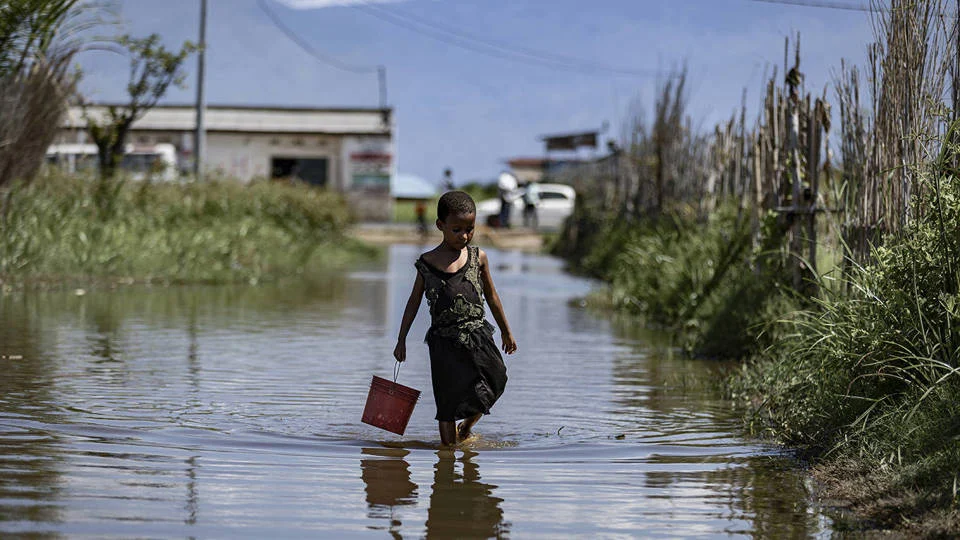
As the international community fixates on the technical mechanics of decarbonization and the transition to renewable energy, a profound humanitarian crisis is unfolding in the shadows. From the sun-scorched plains of sub-Saharan Africa to the sinking archipelagos of the Pacific and the disaster-prone regions of South Asia, climate change is no longer a future threat; it is a current driver of human displacement and systemic poverty.
Ahead of the second Berlin Climate Mobility Forum, held on June 18–19, global leaders are confronting an uncomfortable truth: our existing international legal and policy frameworks are fundamentally ill-equipped to handle the reality of a planet in flux. To address this, a new consensus is emerging around the "Global Climate Mobility Principles"—a landmark initiative designed to center human rights, agency, and dignity in the face of environmental collapse.
The Crisis of Climate Mobility: Main Facts
The term "climate mobility" acts as an umbrella for a complex, deeply human set of experiences. It encompasses forced displacement caused by sudden-onset disasters like cyclones and wildfires, the slow-onset erosion of living conditions due to drought and sea-level rise, and the strategic, planned relocation of communities.
The core challenge is twofold:
- The Trapped Population: Many individuals, despite facing existential risks, remain in their ancestral lands to preserve cultural heritage and livelihoods, often falling deeper into poverty as resources vanish.
- The Displaced: Those who choose, or are forced, to move often find themselves in a legal vacuum. International law, specifically the 1951 Refugee Convention, does not currently classify "climate refugees" as a protected category, leaving those who cross borders with little to no legal recourse or protection.
This fragmentation has left the global response reactive and siloed. Disaster-risk-reduction frameworks, migration compacts, and climate negotiations operate in silos, failing to provide a cohesive strategy for those whose lives have been upended by a changing climate.
A Chronological Evolution of the Movement
The urgency of this issue has accelerated over the past two years, marked by a series of high-level diplomatic efforts:
- 2023 (Inaugural Berlin Climate Mobility Forum): Leaders from vulnerable nations across the Pacific, Caribbean, and Africa convened to highlight the insufficiency of current policies. The forum identified a critical gap in global discourse: the lack of a common language to define the plight of the climate-displaced.
- Late 2023 – Early 2024: A period of intensive drafting began, aimed at consolidating existing international agreements—such as the Paris Agreement, the Sendai Framework, and the Global Compact for Migration—into a unified, actionable set of principles.
- June 2024 (Second Berlin Climate Mobility Forum): The presentation and official endorsement of the "Global Climate Mobility Principles." This milestone marks the shift from identifying the problem to establishing a multi-stakeholder roadmap.
- June 2027 (Target Date): The intended deadline for the delivery of a comprehensive "Community Transition Roadmap," designed to move from abstract policy to tangible, on-the-ground support.
Supporting Data and the Reality of Vulnerability
The scale of the crisis is substantiated by data that paints a stark picture of global inequality. According to recent climate assessments, the majority of climate-displaced persons remain internally displaced, often moving from rural, climate-stressed agricultural regions to burgeoning urban centers. These migrants frequently lack the skills or social safety nets required for urban integration, leading to the creation of informal, highly vulnerable settlements.
For those who remain in situ, the data is equally concerning. In areas experiencing desertification or saline intrusion, the "ability to stay" is being eroded alongside the soil. Economic productivity in these regions is plummeting, creating a cycle of poverty that leaves families unable to afford the costs of migration, even when staying becomes physically dangerous.
Furthermore, the legal landscape remains sparse. While the Nansen Initiative Protection Agenda has provided some guidelines for cross-border displacement in the context of disasters, there remains no binding international treaty that mandates the protection of individuals displaced by the slow-onset impacts of climate change, such as the total loss of habitable land due to rising sea levels.
Official Responses and Stakeholder Alignment
The Global Climate Mobility Principles are designed to serve as a voluntary, non-binding, but morally and politically authoritative guide for governments and institutions. By aligning diverse sectors—from Indigenous groups and private firms to municipal governments and international financial institutions—the principles aim to create a "new multilateralism."
Key Pillars of the Principles:
- Defending Agency: Ensuring that those affected by climate change are not merely passive victims but active participants in the planning of their own relocations or adaptations.
- Right to Remain: Prioritizing locally led adaptation measures to help communities stay in their homes as long as it is safe and sustainable to do so.
- Legal Pathways: Providing safe, legal, and dignified migration channels for those for whom staying is no longer an option.
- Preservation of Statehood: Addressing the legal status of countries that may face total loss of land due to sea-level rise, ensuring their sovereignty and cultural heritage are not erased from the international map.
- Data and Finance: Providing frontline communities with the granular climate data and early-warning systems necessary to make informed decisions, backed by dedicated financial support.
Implications: A Shift in Global Governance
The move toward endorsing these principles suggests a shift in how the international community perceives "security." Traditionally, climate change has been viewed through a lens of national security or energy policy. The Global Climate Mobility Principles, however, argue that the most profound impact of climate change is human in nature.
Challenging the Narrative of Retreat
There is a prevailing narrative that the current geopolitical climate—marked by protectionism and the retreat of some major powers from global commitments—has rendered international cooperation impossible. The momentum behind the Berlin Climate Mobility Forum challenges this cynicism. By fostering "coalitions of the willing," the organizers are demonstrating that meaningful progress can occur at the intersection of local expertise and regional governance, even when global consensus is difficult to reach.
The Path to 2027
The implementation phase of these principles will be the ultimate test. The forum has initiated a multi-stakeholder process that links financial institutions with affected communities. This is critical: without access to climate finance, the best-laid plans for "community transition" will remain aspirational. The objective is to build a roadmap that is not imposed from the top-down, but built with the participation of those who understand the specific vulnerabilities of their land and water.
Conclusion: A Moral Imperative
Climate change is not merely a technical challenge of carbon parts-per-million; it is an existential threat to human rights, cultural continuity, and social stability. As communities are uprooted and others are forced to navigate the loss of their heritage, the global community faces a choice. We can continue to treat climate mobility as an occasional, regrettable side effect of the climate crisis, or we can embrace the Global Climate Mobility Principles as a blueprint for a more resilient and equitable future.
The transition toward a climate-resilient world must be as inclusive as it is rapid. If we act with foresight, solidarity, and a clear commitment to human dignity, we can ensure that those who are forced to move do so with their rights intact, and those who remain do so with the tools and support to thrive. The path has been identified; the task now is to walk it.