The Fiscal Classroom: How Modern Parents Are Teaching Children the Value of a Dollar

In an era defined by seamless digital transactions and the pervasive influence of targeted marketing, teaching children the fundamental mechanics of personal finance has become a significant challenge for modern parents. For many families, the local county fair—a vivid tapestry of agricultural tradition and aggressive commercialism—serves as a primary testing ground for these lessons. Recently, this intersection of childhood curiosity and consumer culture has sparked a broader conversation about how parents can demystify money, shifting it from an abstract concept into a tangible, manageable tool.
Main Facts: The "Family Money Philosophy"
At the heart of the current movement toward early financial literacy is the development of a clear, consistent "family money philosophy." For many households, including those actively navigating the complexities of parenting in the digital age, the core tenet is simple: parents cover the "needs," while children are empowered to manage their own "wants."
This philosophy draws a hard line between essential expenditures—housing, food, clothing, education, and healthcare—and discretionary spending. By distinguishing between these two categories, parents can provide children with a framework for decision-making. When a child understands that their parents provide the foundational necessities, they begin to view their own earned income as a finite resource for luxury or supplementary items, such as extra snacks, specialized toys, or souvenir purchases at museum gift shops.

Chronology: From Chore to Capital
The journey toward financial competency for children is rarely linear; it is a developmental process that evolves as they grow. The progression typically follows a distinct path:
- The Recognition of Work: Children begin by learning that labor has value. This is often achieved through a system of "paid chores." By performing tasks that contribute to the household—such as organizing cabinets or seasonal yard maintenance—children earn money at a "fair market value."
- The Acquisition of Responsibility: Once money is earned, the child is tasked with the physical management of those funds. This involves keeping track of a wallet, learning to count different coin and bill denominations, and understanding that if money is lost, it is rarely replaced.
- The Lesson of Opportunity Cost: This stage involves the most difficult realization: that money is finite. Whether it is deciding between a book at a fair or a treat at a local farm, children must choose where to allocate their limited funds, thereby internalizing the concept of opportunity cost.
- The Debt Experience: In rare instances, parents have introduced the concept of credit through "debt-to-parent" arrangements. By allowing a child to borrow money for a desired item—provided they "work off" the debt through mandatory chores—the child experiences the visceral reality of working to pay for something they have already consumed, a lesson that often serves as a powerful deterrent against future debt.
Supporting Data: The Impact of Early Education
While financial literacy programs are becoming more common in schools, experts increasingly emphasize that the most impactful lessons occur at home. According to recent child development studies, children who are introduced to the concept of earning and budgeting before the age of ten demonstrate higher levels of financial restraint and long-term planning.
The "scaffolded" approach—where children are taught in small, manageable steps—has proven effective. Rather than bombarding a young child with complex concepts like interest rates or compound growth, parents are focusing on the "equation of work." By explaining that a parent’s job is a means of trading time and skill for the resources required to run a household, parents remove the mystery surrounding family wealth. This transparency reduces the anxiety often associated with money, framing it instead as a neutral instrument for achieving goals.

The Role of Unpaid Work vs. Paid Labor
A critical component of this educational structure is the differentiation between "family contributions" and "compensated labor."
- Unpaid Daily Work: These are the tasks inherent to being a member of a household, such as making one’s bed, clearing the dinner table, or putting away personal laundry. These tasks instill a sense of communal responsibility and duty, teaching the child that maintaining a living space is a shared requirement.
- Paid Chores: These tasks represent "above and beyond" contributions that add value to the family operation, such as deep cleaning, complex organizational projects, or specific seasonal tasks. By paying for these, parents simulate a real-world labor market, teaching children that additional effort leads to additional income.
Crucially, this system relies on the quality of work. If a task is performed poorly—such as attempting to empty trash but leaving a significant mess behind—the child is required to rectify the situation. This reinforces the professional expectation that compensation is tied to the successful completion of a task, not merely the effort expended.
Implications: The Shift Toward Financial Autonomy
The ultimate goal of these early lessons is the empowerment of the child. By the time a child reaches their pre-teen years, the objective is to have them function as an autonomous agent in their financial life. This includes managing their own savings and, eventually, learning about the mechanics of interest.
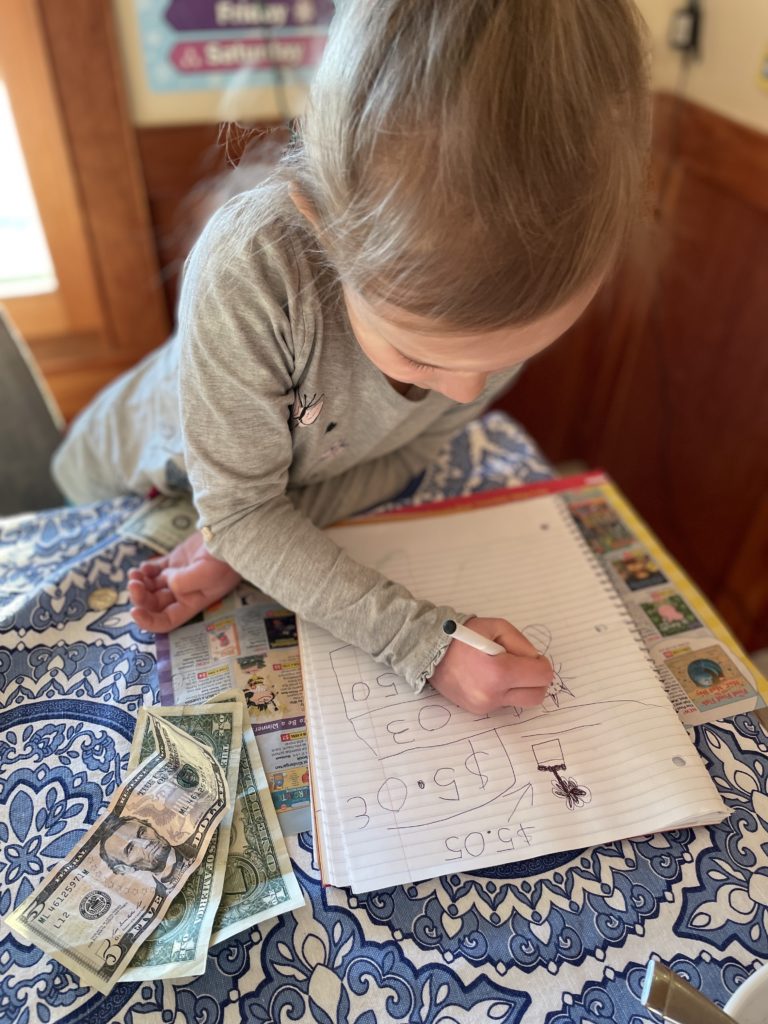
The transition to a "Bank of Parental Units"—where parents act as a formal savings institution and pay interest on deposited funds—is the next logical step in this developmental arc. This introduces the concept of delayed gratification. By rewarding the child for keeping their money in a "savings account" rather than spending it immediately, parents can illustrate how money can grow over time.
Expert and Parental Perspectives: Demystifying the "Boring"
One of the most profound indicators that these lessons are effective is the child’s own perception of their parents’ work. When a child can articulate that a parent’s job—no matter how many "boring" meetings it entails—is a deliberate activity to provide for the family, they gain a newfound respect for the adult world.
Financial experts suggest that the most successful parents are those who maintain a balance between "serious but kind" engagement and open communication. By allowing children to handle their own money—even when it leads to a "near-crisis" like a misplaced wallet at a museum—parents provide the child with a safe environment to fail.
Conclusion: Money as a Tool
The consensus among financial educators is clear: money is not a measure of status or self-worth, but a tool, much like exercise, nutrition, or education. By teaching children to treat money as a finite resource that requires planning, accountability, and hard work, parents are equipping them with a vital skill set for adulthood.
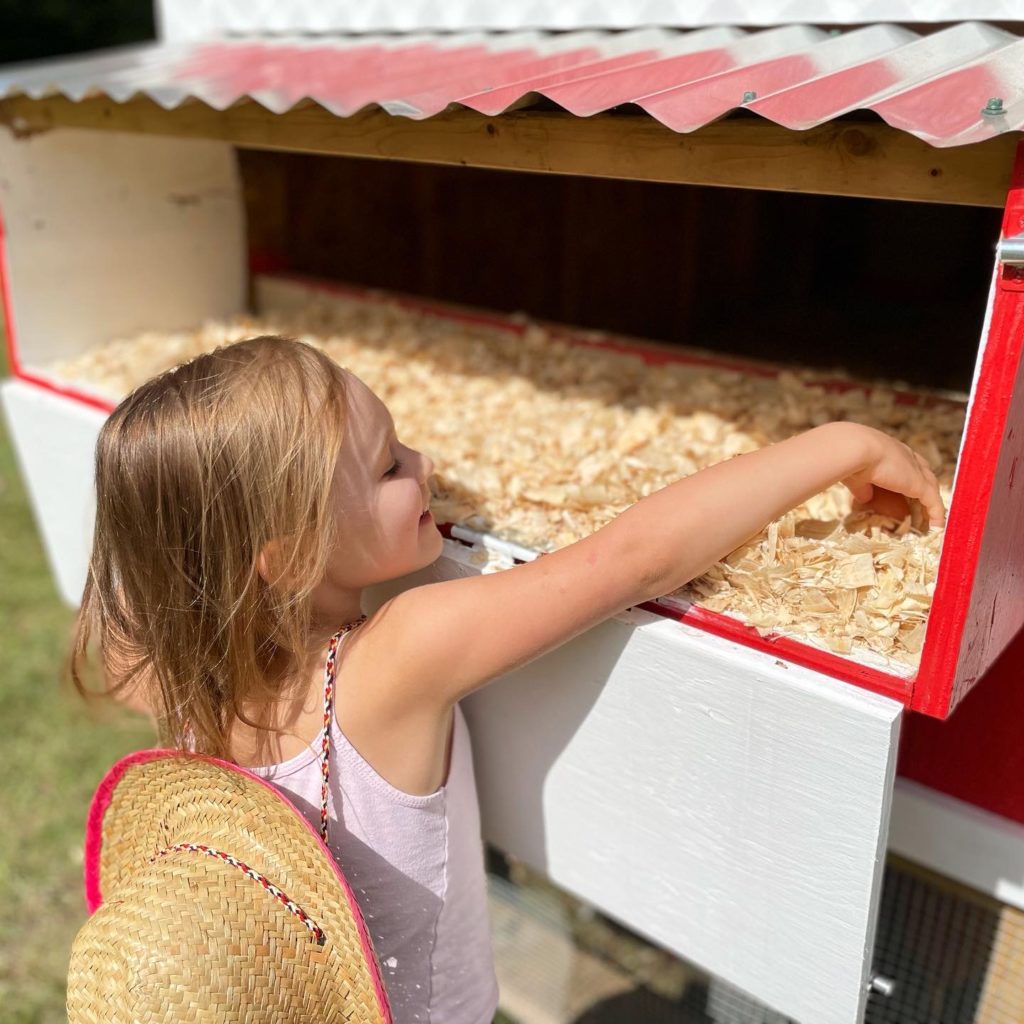
As these children grow, the lessons learned at the local county fair—deciding between an inflatable unicorn and their hard-earned savings—will evolve into more complex financial decisions. However, the foundation remains the same: understand your income, track your spending, and always be prepared to take responsibility for your choices. Whether through the humble act of collecting chicken eggs or the complex negotiation of a chore-based loan, these small, consistent lessons are the building blocks of a financially literate generation.
The path forward, for those interested in continuing this education, lies in moving beyond the basics. By introducing interest-bearing accounts and more sophisticated budgeting, parents can continue to scaffold their children’s understanding, ensuring that when they finally step into the wider world of finance, they do so with confidence, competence, and a clear understanding of the value of their labor.