Beyond the Spreadsheet: A Comprehensive Review of ProjectionLab Financial Planning Software
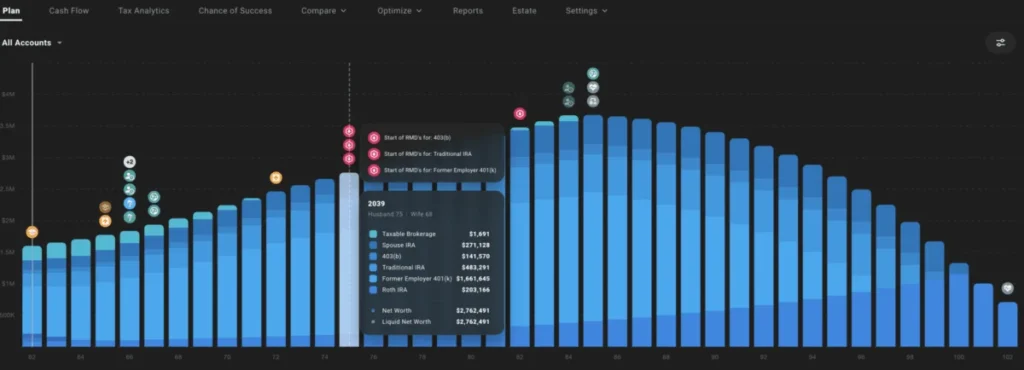
In the evolving landscape of personal finance technology, the challenge has always been finding the middle ground between simplistic, "set-it-and-forget-it" retirement calculators and intimidating, professional-grade financial modeling software. For years, DIY investors have been forced to rely on complex Excel spreadsheets or limited, opaque web tools. Enter ProjectionLab, a platform that has rapidly matured into a sophisticated, user-centric solution for those who want to stress-test their financial future with precision.
Main Facts: What Is ProjectionLab?
ProjectionLab is a robust, web-based financial planning suite designed for individuals who demand granular control over their long-term financial destiny. Unlike apps that focus on daily budgeting or transaction tracking, ProjectionLab is a "big picture" tool. It allows users to build a digital twin of their financial life—incorporating accounts, income streams, expenses, and specific life milestones—to project net worth, tax liabilities, and cash flow decades into the future.
Founded by Kyle Nolan and launched in April 2021, the platform has spent the last five years undergoing iterative, high-speed development. It has transitioned from a promising prototype into a comprehensive planning ecosystem. Perhaps its most defining characteristic is its "privacy-first" philosophy: the platform does not utilize automated bank syncing. Users input their data manually, ensuring that the software remains a tool for planning rather than a data-harvesting machine. As the company’s motto implies, the user is the customer, not the product.
Chronology: The Evolution of a Planning Powerhouse
The trajectory of ProjectionLab since 2021 mirrors the growing sophistication of the FIRE (Financial Independence, Retire Early) movement and the DIY investor class.
- 2021 (Launch): ProjectionLab debuted as a clean, intuitive projection engine. Its initial value proposition was its interface—offering professional-grade Monte Carlo simulations without the "spreadsheet degree" barrier.
- 2022–2023 (Feature Expansion): The platform began aggressive integration of advanced planning features, including complex tax-bracket modeling, Roth conversion simulations, and capital gains harvesting.
- 2024–2025 (Global Maturity): Recognizing the global nature of modern finance, the platform expanded its scope beyond the United States, adding tax presets and account structures for the UK, Canada, Australia, the Netherlands, and Germany.
- Present Day: The tool has evolved into a "full-suite" platform, incorporating estate planning, charitable giving, and a "Compare" mode that allows users to layer different life scenarios on top of one another to visualize the impact of financial decisions in real-time.
Supporting Data: The Mechanics of the Model
ProjectionLab’s power lies in its ability to translate static numbers into dynamic, living models. The process follows a structured methodology:
1. The Input Engine
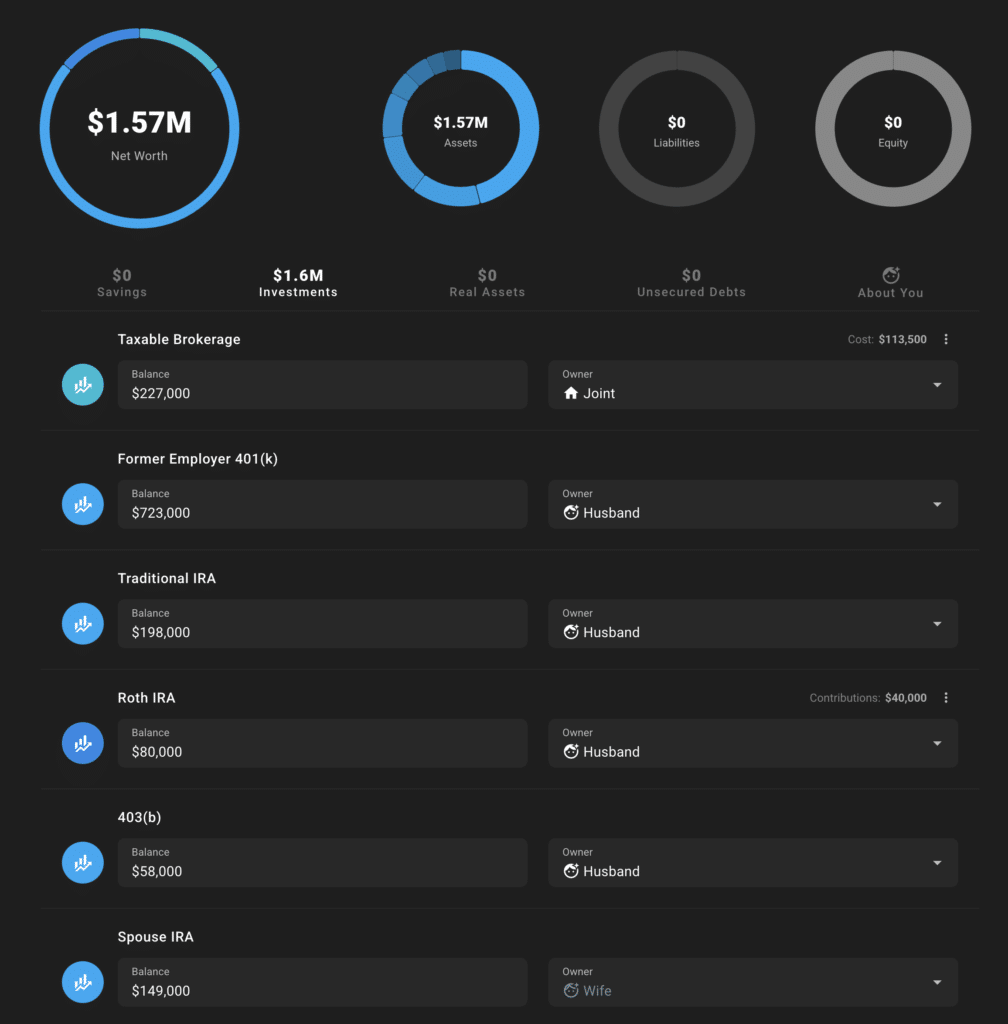
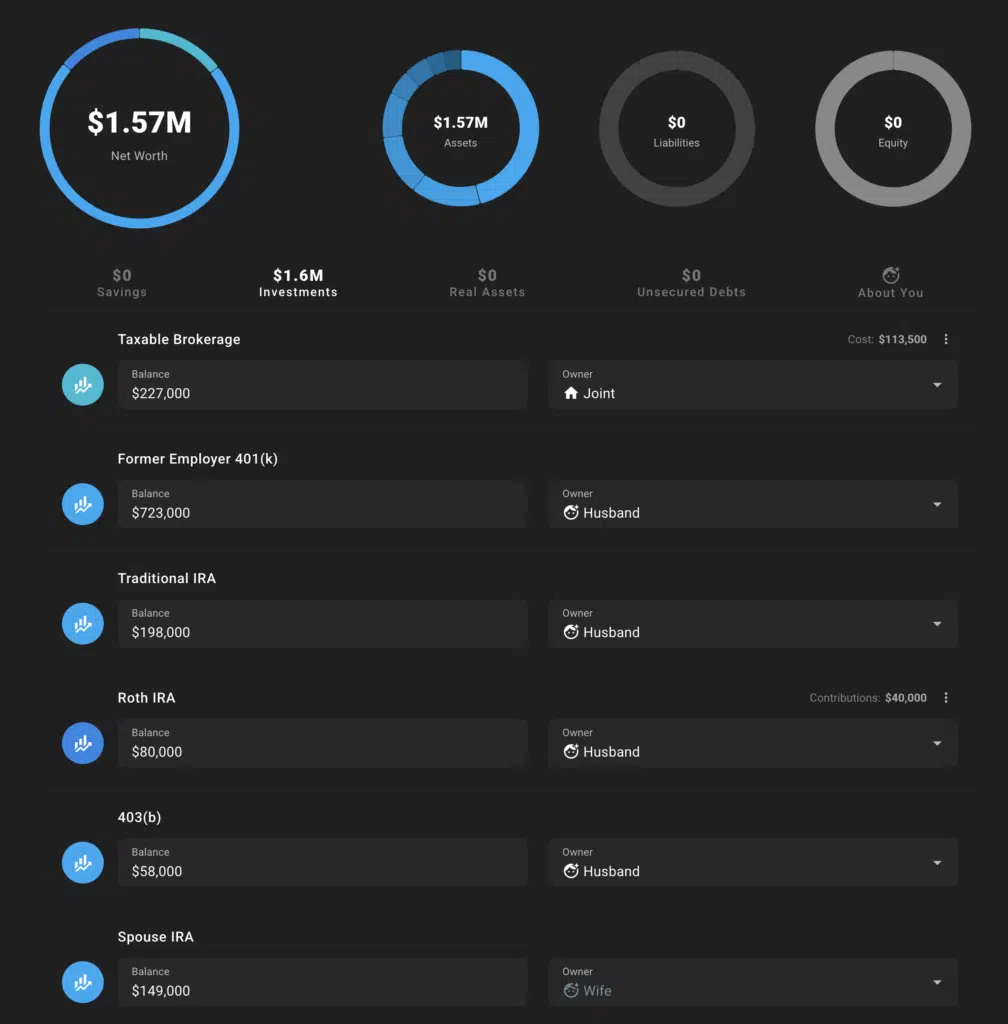
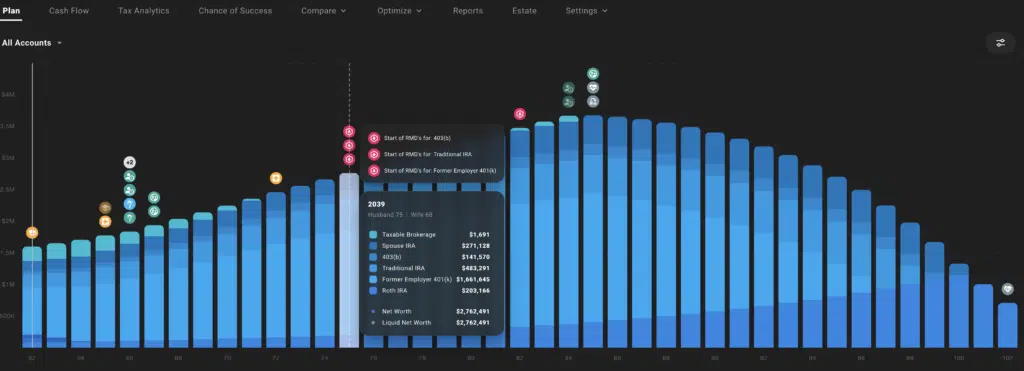
Users begin by mapping their financial reality. This includes every nuance of a US-based financial portfolio: 401(k)s, 403(b)s, 457(b)s, HSAs, 529 plans, and even alternative assets like cryptocurrency or real estate. The level of detail here is critical because it dictates how the software calculates Required Minimum Distributions (RMDs) and future tax burdens.
2. Milestone-Driven Forecasting
Rather than assuming a linear path to retirement, ProjectionLab allows for "Milestones." Whether it is a home purchase, a career sabbatical, a child entering college, or a staggered retirement age for spouses, these events are plotted on a timeline. This allows the user to see exactly how a shift in life plans impacts their long-term sustainability.
3. Flow-Based Logic
The platform’s "Flows" section is where the intelligence of the software shines. Users define a hierarchy for their capital. If an extra $1,000 appears in the budget, where does it go first? Debt repayment, an emergency fund, or an investment account? By setting these logical rules, the software acts as an automated financial strategist that follows your priorities year after year.
4. Advanced Simulations
The software offers three primary ways to measure success:
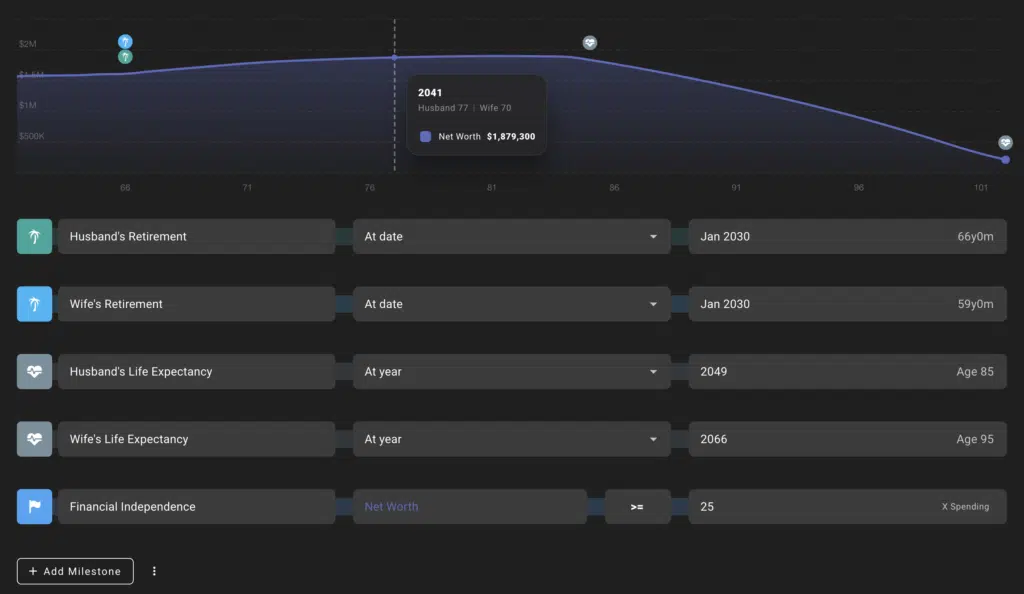
- Forecasting: A standard, year-by-year projection of your wealth.
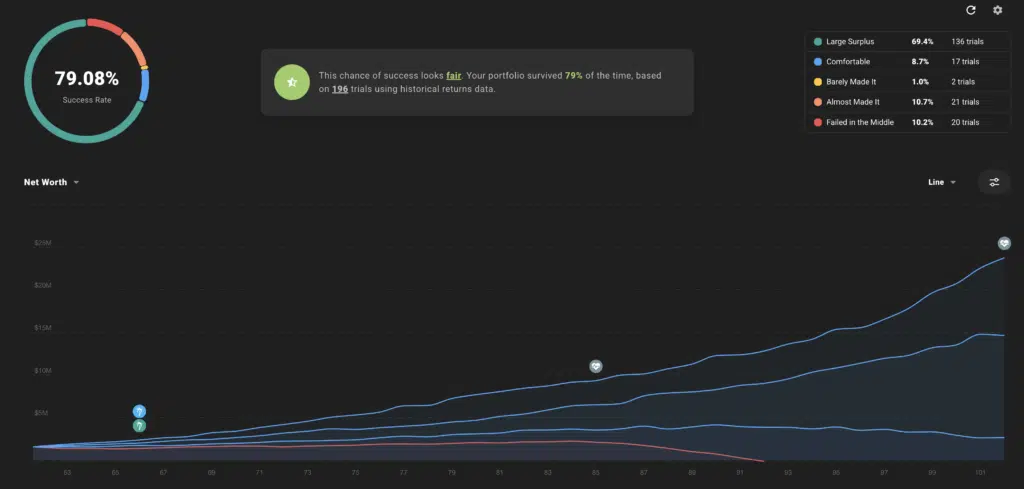
- Monte Carlo Simulations: By running thousands of market-performance permutations, the tool provides a "Chance of Success" percentage. This helps users understand not just if their plan works in a perfect world, but how it holds up during market volatility.
- Historical Backtesting: This allows users to see how their plan would have performed if they had retired during specific historical periods, such as the 1929 crash or the 2008 financial crisis.
Official Stance and Philosophy
The development team at ProjectionLab, led by Kyle Nolan, maintains a strict separation from the "account aggregation" model. By requiring manual input, the software avoids the security risks associated with third-party data connections and prevents the user from falling into the trap of obsessing over daily account fluctuations.
The company has also prioritized transparency. While they offer a free "Basic" tier for users to test the core engines, they are clear about the limitations: without the Premium tier, data is not saved between sessions. This is a deliberate choice, signaling that the platform is intended for serious, long-term planning rather than casual browsing.
Implications for the User
For the modern investor, the implications of using a tool like ProjectionLab are significant.
The Tax Efficiency Shift:
Historically, consumer retirement tools ignored the "tax tail." ProjectionLab’s shift toward tax optimization is a game-changer. By modeling Roth conversions, tax-efficient withdrawal orders, and capital gains harvesting, it allows users to potentially save tens—if not hundreds—of thousands of dollars over the course of a retirement. It transforms tax planning from a guessing game into a calculated strategy.
The "What-If" Advantage:
The ability to compare plans side-by-side provides a psychological safety net. Users can ask: "What happens if I retire two years earlier?" or "What if I pay off my mortgage today?" Seeing the visual, color-coded difference in success rates and net worth projections provides a clarity that standard advice simply cannot match.
Privacy and Security:
In an age where data breaches are common, the manual entry model is a significant feature. Users maintain complete ownership of their financial narrative without exposing their credentials to third-party aggregators.
Who Should (and Shouldn’t) Use It?
Ideal Users:
- The DIY Financial Architect: Those who enjoy the "game" of personal finance and want to simulate various life paths.
- The FIRE Enthusiast: Individuals planning early retirement who need to account for complex, non-traditional income streams and long-term withdrawal strategies.
- The Tax-Conscious Planner: Anyone looking to optimize their portfolio to minimize the IRS impact during the distribution phase.
Who Should Look Elsewhere:
- The Passive User: If you want an app that automatically tracks your credit card spending and tells you to spend less on coffee, this is not the right tool.
- The Spreadsheet Averse: While the UI is polished, it is still a planning tool. If you have zero interest in thinking about asset allocation, tax brackets, or withdrawal rates, you are likely better served by a fee-only financial advisor.
Final Verdict
ProjectionLab has successfully bridged the gap between amateur calculators and enterprise-grade financial planning software. By prioritizing a clean, user-friendly interface while simultaneously baking in deep, complex tax and withdrawal logic, it stands as the premier tool for the serious DIY investor.
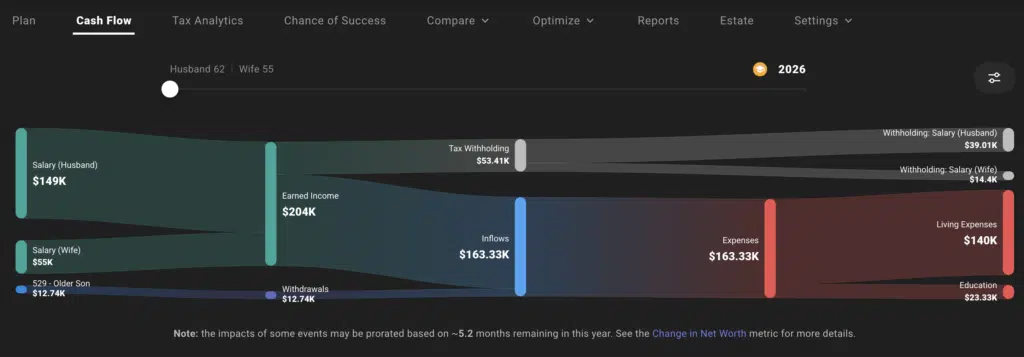
While the $129 annual price tag for the Premium version is an investment, the value it provides in terms of tax optimization and informed decision-making makes it a high-utility expense. For those who want to move beyond "hoping" their money lasts and want to move toward a data-driven, stress-tested plan, ProjectionLab is arguably the best tool currently available on the market. By starting with the free Basic tier, users can verify if the platform’s methodology matches their planning style before committing to the full suite of professional-grade features.