The AI Paradox: How a Accidental Technological Revolution Averted a Recession and Baffled the Experts
Main Facts
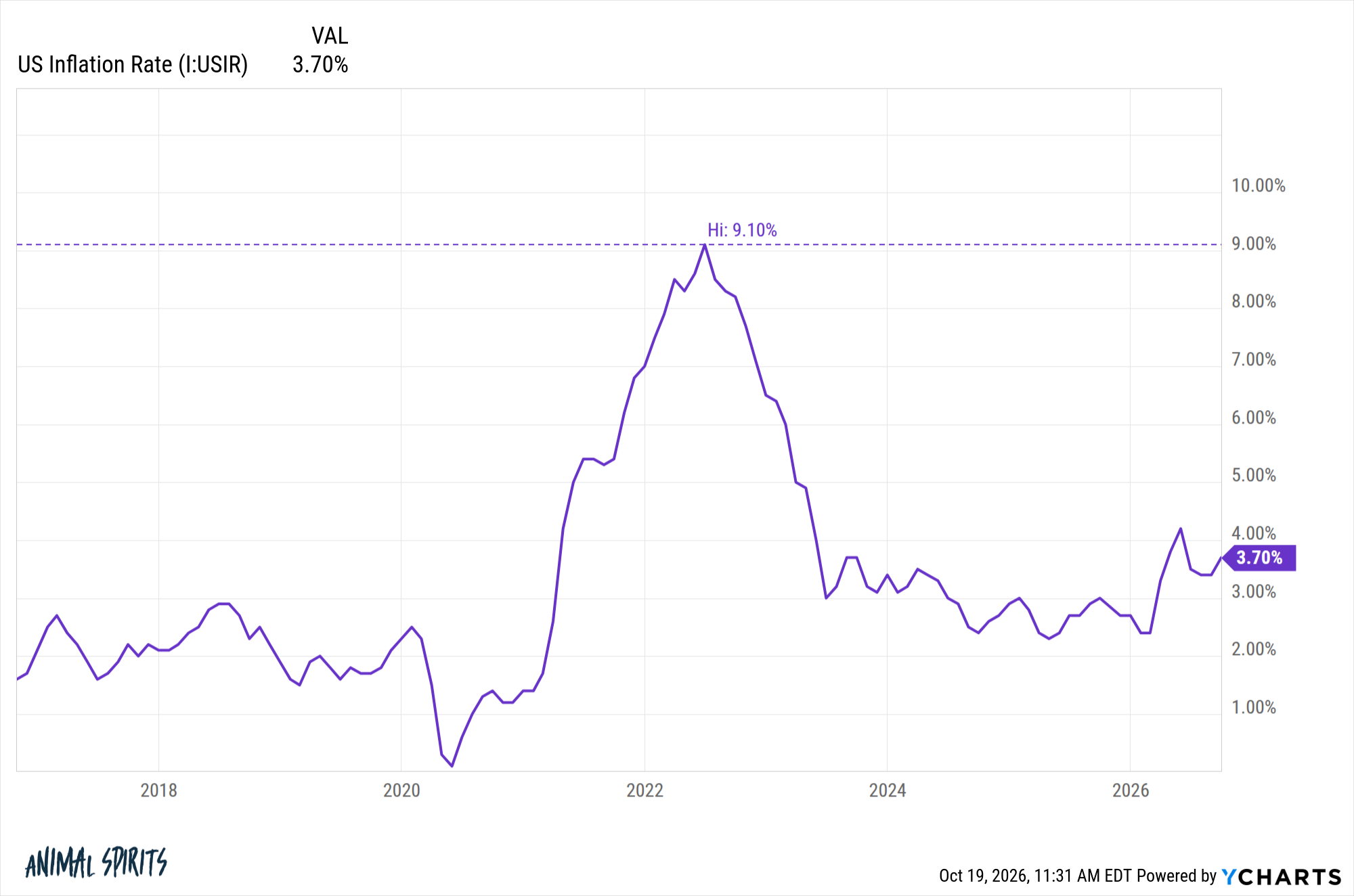
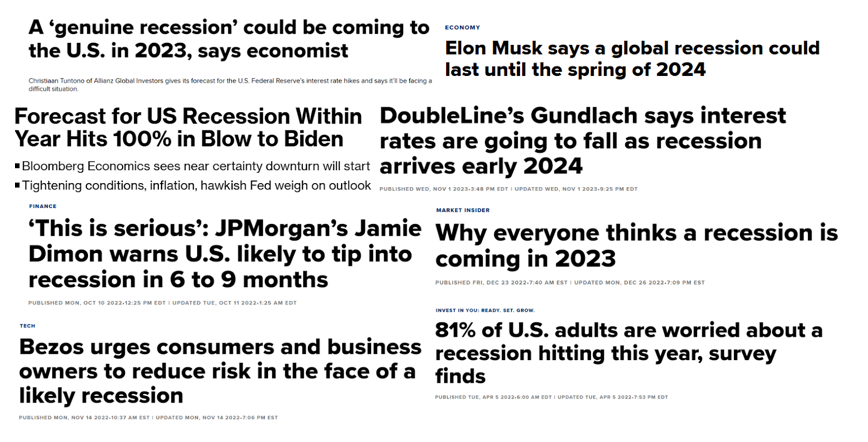
In the autumn of 2022, the global economy stood at a perilous crossroads. Surging post-pandemic demand and disrupted supply chains had driven inflation past 9%, a peak not seen in decades. To combat this runaway price growth, central banks embarked on an aggressive monetary tightening cycle. For Wall Street analysts, corporate executives, and everyday consumers, a macroeconomic recession was not merely a risk—it was treated as a mathematical certainty. The question was not if a downturn would occur, but when.
Against this backdrop of financial gloom, the equity markets cratered. By October 2022, the S&P 500 had tumbled into a painful 25% drawdown, while the tech-heavy Nasdaq 100 plunged more than 35% from its all-time highs. Inflation showed zero indication of slowing, and investor sentiment was universally grim.
Then, almost imperceptibly amidst the macroeconomic wreckage, OpenAI released ChatGPT in November 2022.
What followed was a tectonic shift in global capital markets and workforce productivity. Today, a growing consensus among economists and market strategists posits that the generative AI boom ignited by ChatGPT is the primary catalyst that steered the United States—and by extension, much of the global economy—away from a widely anticipated recession. Furthermore, this nascent technology provided the structural momentum needed to propel the subsequent bull market to unprecedented heights.
Yet, as history continually demonstrates, the profoundest economic transformations are rarely foreseen by the architects who build them, nor by the financial experts tasked with charting their course.
Chronology of an Accidental Revolution
To understand the sheer unpredictability of the current artificial intelligence boom, one must reexamine the speculative fever that immediately preceded it.
During the pandemic-era technology boom of late 2020 through 2021, Silicon Valley venture capitalists and enterprise tech giants were entirely consumed by a different vision of the digital future. The narrative of the day was dominated by the metaverse, Web3 protocols, and speculative cryptocurrencies. Venture capital firms poured billions into decentralized autonomous organizations (DAOs), non-fungible tokens (NFTs), and digital real estate. The hype reached such a fever pitch that Facebook famously rebranded itself as Meta, pivoting its entire corporate strategy toward building virtual worlds. Artificial intelligence, while progressing quietly in research labs, was a tertiary conversation; it was certainly not viewed as the savior of the macroeconomy.
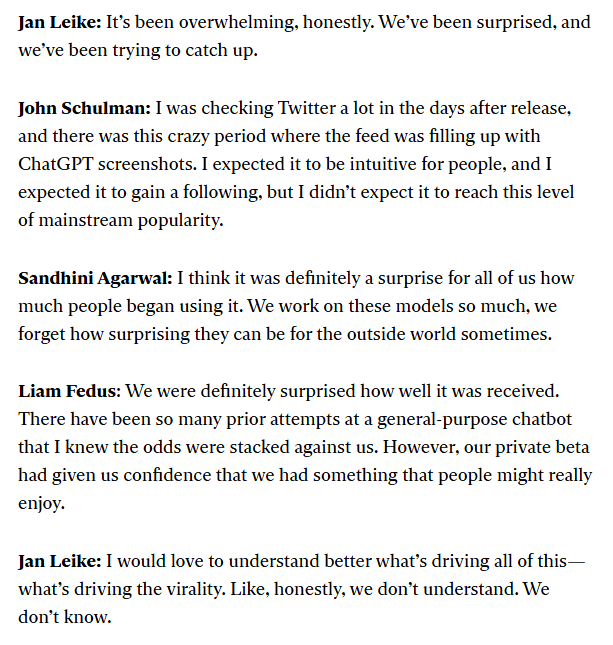
Even within OpenAI, the organization responsible for triggering the paradigm shift, expectations were remarkably modest. Internal polling conducted prior to the public launch of ChatGPT asked employees to forecast the user adoption rate during its first week. The vast majority of internal estimates hovered between 10,000 and 50,000 users. The most optimistic prediction within the company capped expectations at 100,000 users.
When ChatGPT officially went live, it obliterated those forecasts within days, racing past 1 million users in its first week. The creators of the most disruptive software tool in modern history had fundamentally misjudged its immediate cultural and economic gravity.
Supporting Data and the Economics of Utopia
The spectacular underestimation of AI’s trajectory has not stopped forecasters from attempting to project its long-term economic impact. However, a critical examination of these forecasts reveals a startling disconnect between optimistic economic modeling and historical reality.
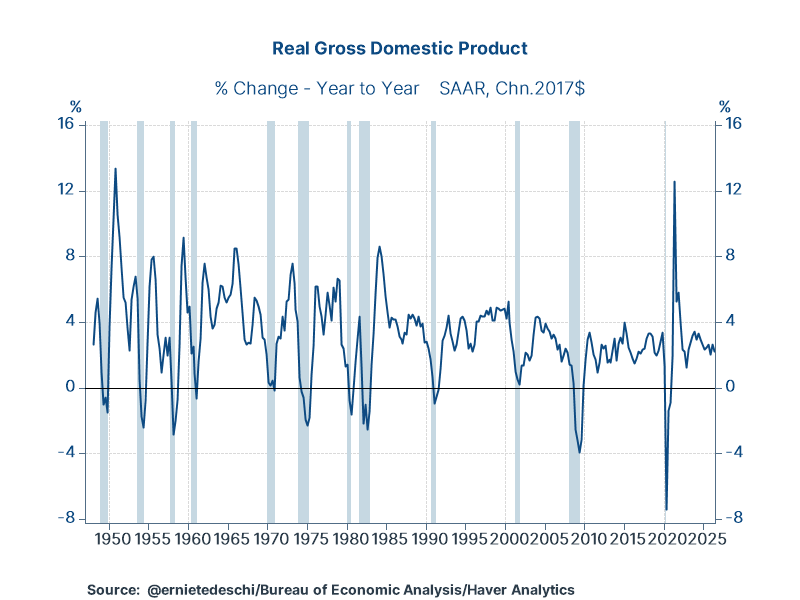
Recently, artificial intelligence research firm Anthropic surveyed its staff to predict the macroeconomic landscape of the year 2030. The median response projected a staggering 17% annual Gross Domestic Product (GDP) growth rate. This projection envisions an economic utopia driven by hyper-efficient productivity, where technological innovation acts as a powerful, sustained deflationary force.
While mathematically possible in a theoretical vacuum, this forecast crumbles when confronted with historical economic data. As macroeconomic analysts like Ernie Tedeschi have pointed out, the United States has never experienced 17% annual GDP growth in the post-World War II era. Even during the unprecedented economic rebound of 2020 and 2021, when governments artificially shut down and subsequently restarted major sectors of the global economy, growth figures did not approach such astronomical heights.
Moreover, the path toward an AI-induced economic utopia ignores severe real-world friction. If productivity surges to unimaginable levels, how will central banks like the Federal Reserve adjust monetary policy? How will democratic governments respond to structural, AI-induced labor displacement on a massive scale? The data suggests that translating software efficiency into physical-world economic growth is a far more complex hurdle than forecasters care to admit.
Institutional and Regulatory Friction
The friction between theoretical technological capability and real-world institutional constraints is already playing out across the financial sector.
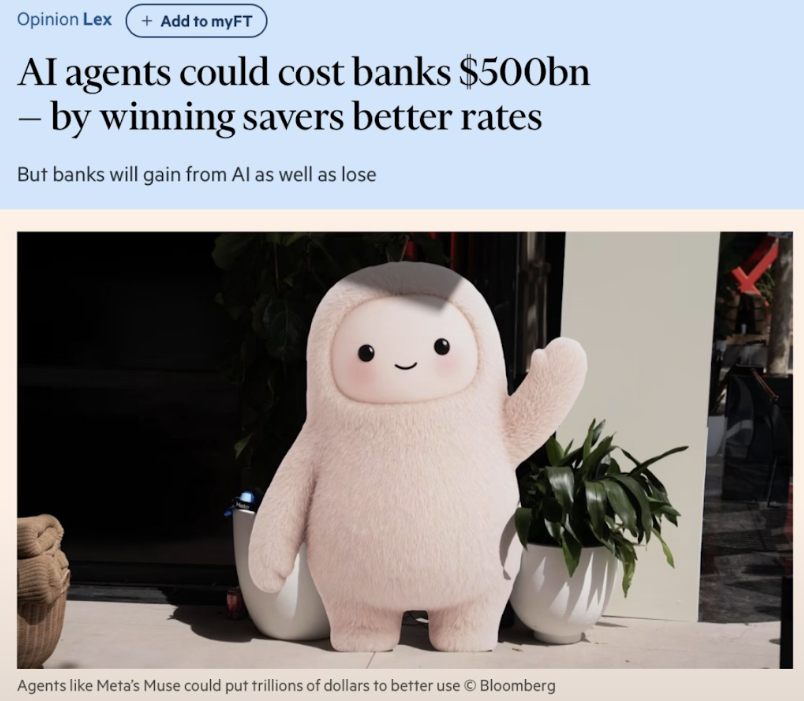
In theory, AI agents are designed to eliminate consumer inertia. For instance, a recent report in The Financial Times detailed how autonomous AI agents could make life exceptionally difficult for traditional commercial banks by automatically monitoring consumer accounts and shifting idle cash into higher-yielding instruments. For decades, banks have relied on customer inertia—leaving cash in low-interest checking accounts—as a core profitability model. AI threatens to dismantle that model overnight.

The institutional response was swift. Shortly after the implications of autonomous financial agents became clear, major financial institutions began erecting defensive barriers. CNBC reported that JPMorgan Chase initiated measures blocking AI agents from accessing customer accounts directly, citing security, compliance, and risk management protocols.
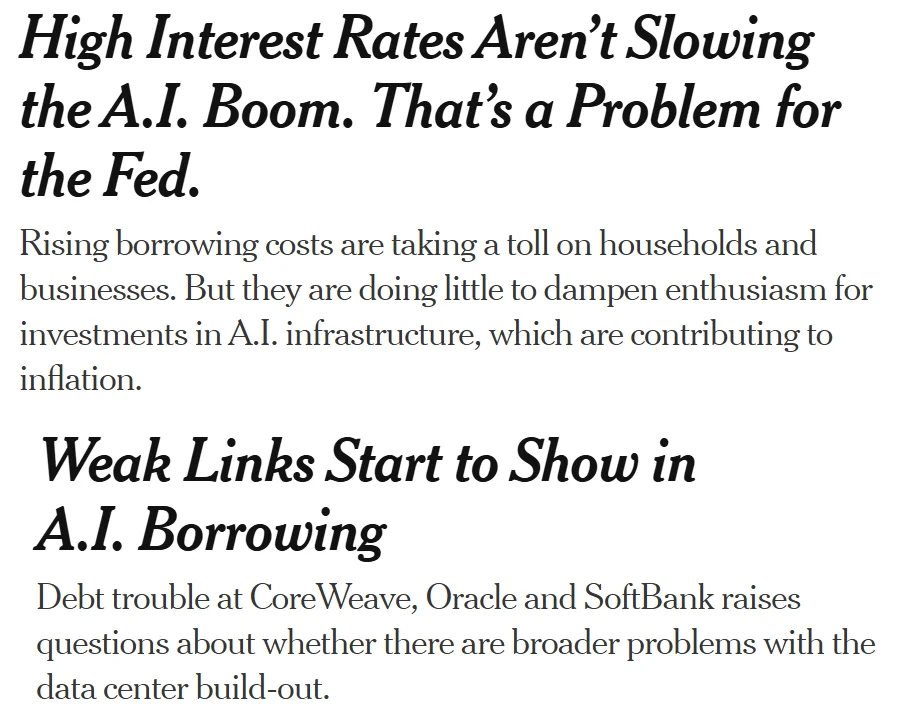
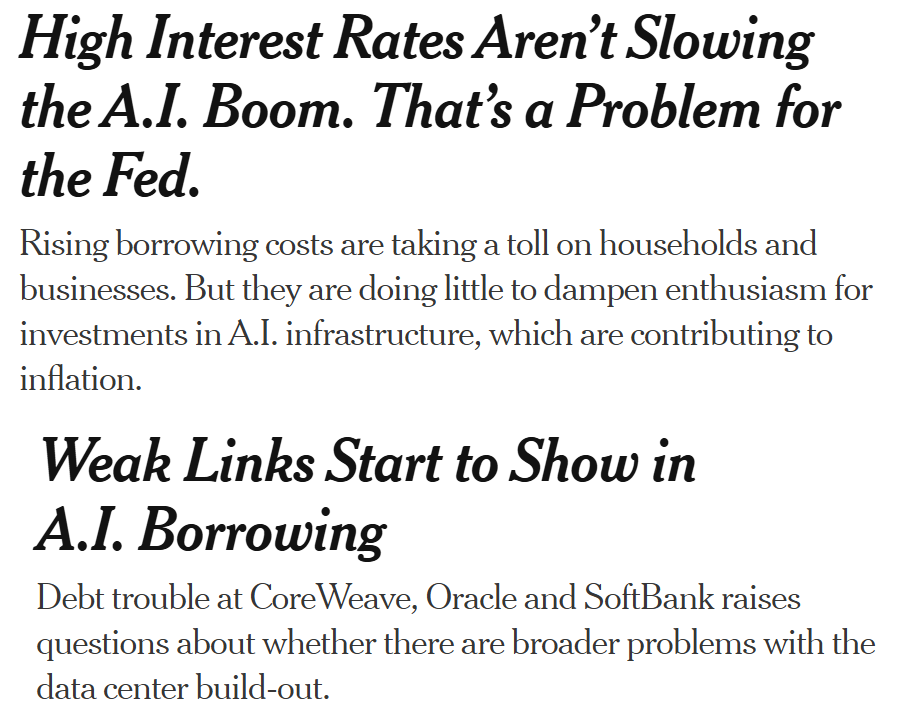
Similar contradictions plague the broader investment landscape surrounding artificial intelligence. A stark illustration of market confusion occurred within a span of just twelve days in October 2026:
- October 5, 2026: The New York Times published an in-depth analysis arguing that stubbornly high interest rates were having virtually no impact on slowing down the unrelenting AI capital expenditure boom.
- October 17, 2026: Just twelve days later, The New York Times published a contrasting investigative piece detailing how elevated interest rates and surging debt servicing costs were indeed beginning to weigh heavily on AI infrastructure firms, cloud providers, and data center developers.
When the media of record can oscillate between diametrically opposed conclusions regarding the fundamental drivers of a multi-trillion-dollar industry in under two weeks, it underscores a humbling truth: no one has a monopoly on foresight.
Implications for the Future
The current chapter of the artificial intelligence revolution is defined by a paradoxical blend of boundless optimism and profound uncertainty. On one hand, AI is undeniably streamlining workflows, augmenting human capabilities, and generating massive equity market valuations that arguably averted a severe global recession in 2022 and 2023. On the other hand, software cannot operate within the physical world without encountering structural constraints, regulatory roadblocks, and fierce institutional resistance.
Predictions spanning from the catastrophic (the risk of human displacement or existential threat) to the utopian (17% GDP growth and post-scarcity economics) share a common flaw: they originate from technologists and forecasters who have repeatedly proven incapable of predicting even the short-term ramifications of their own creations.
As the technology matures, several critical questions remain unanswered:
- Regulatory Backlash: How will shifting political landscapes and aggressive regulatory frameworks shape the deployment of autonomous systems?
- Structural Bottlenecks: What physical roadblocks—ranging from electrical grid capacity to corporate cybersecurity defenses—will slow the sweeping integration of AI?
- Public Sentiment: How will society react if employment disruptions intensify faster than economic safety nets can adapt?
Ultimately, the lesson of the post-2022 AI boom is one of radical humility. Venture capitalists do not know how the market will clear. Enterprise executives do not know which business models will survive. Finance professionals do not know how monetary policy will react to algorithmic labor. Policymakers are perpetually playing catch-up with code written months prior.
No one truly knows what is going to happen next. In an interconnected global economy, that realization is equal parts terrifying and exhilarating.