Rethinking Retirement Assets: Why Renting Outpaces Buying for Today’s Retirees

WASHINGTON — The traditional American dream of retirement has long been painted with broad, permanent strokes: purchasing a sprawling second home by the coast, buying a top-of-the-line recreational vehicle to tour national parks, or acquiring a sleek powerboat to spend golden afternoons on the water. For generations, ownership was viewed as the ultimate financial milestone—a tangible testament to a lifetime of hard work.
However, as economic realities shift, inflation fluctuates, and fixed incomes face unprecedented pressures, modern financial planners are challenging that conventional wisdom. In an era where liquidity is paramount, a growing contingent of retirees is discovering that writing massive, upfront checks for depreciating luxury assets and intermittent-use goods can quietly sabotage a well-laid nest egg.
Instead, a smarter, more agile strategy is emerging: renting.
By trading the burdens of ownership for the flexibility of rentals, retirees are finding they can maintain their desired lifestyle while keeping their capital liquid and secure. To help preserve your cash flow in retirement, financial experts highlight five major categories of items that are significantly better off rented than bought.

The Shifting Paradigm of Retirement Wealth
Main Facts: The Hidden Costs of Ownership
When individuals transition from their working years into retirement, their financial landscape changes fundamentally. The primary objective shifts from wealth accumulation to wealth preservation and strategic distribution. Yet, retirees frequently fall into the trap of purchasing high-cost, low-utilization items that demand continuous financial inputs long after the initial transaction.
Assets such as motorhomes, watercraft, and second properties do not simply sit idly; they actively drain financial resources through maintenance, insurance, storage fees, property taxes, and rapid depreciation.
Chronology: From the Dream to the Financial Drain
- The Pre-Retirement Phase: Workers romanticize their upcoming freedom, earmarking substantial portions of their savings for lifestyle upgrades like boats, RVs, and custom home workshops.
- The Acquisition Year: Large chunks of liquid retirement portfolios are liquidated to purchase these items, triggering potential tax implications and immediately stripping the retiree of emergency liquidity.
- The Utilization Decline: Studies show that after an initial honeymoon phase lasting roughly 12 to 18 months, the frequency of use for major recreational assets drops sharply due to health changes, shifting interests, or simply the hassle of upkeep.
- The Realization and Liquidation: Burdened by insurance hikes and maintenance bills, retirees often attempt to sell these assets on a secondary market flooded with similar used goods, enduring steep depreciation losses.
1. Recreational Vehicles (RVs)
Cruising the open highway from behind the wheel of a custom motorhome remains the quintessential retirement fantasy. Yet, buying an RV can swiftly morph into a financial liability.
Beyond the hefty purchase price, motorhomes and travel trailers suffer from notorious depreciation curves, often losing a significant percentage of their value within the first few years of ownership. When factoring in specialized insurance, storage facility fees, routine mechanical maintenance, and fluctuating fuel prices, the cost-per-mile can become astronomical for trips taken only a few weeks out of the year.

Supporting Data
- Peer-to-Peer Options: Platforms like RVshare, Outdoorsy, and RVezy allow retirees to rent directly from private owners. Rates typically range from $50 to $300 per night, covering everything from compact camper vans to luxury Class A motorhomes.
- Traditional Rentals: Established commercial fleets such as Cruise America, Indie Campers, and El Monte RV offer nationwide pick-up and drop-off locations with rates averaging $80 to $250 per night. This eliminates the need for long-term storage and cross-country return trips.
2. Recreational Boats
For retirees migrating south to coastal states like Florida or spending summers in lake country, a recreational boat is often high on the wish list. However, marine investments come with aggressive carrying costs.
The average new powerboat commands anywhere from $25,000 to over $150,000. Once you add routine engine maintenance, winterization, dry-dock storage, slip fees, and marine insurance, owning a boat can routinely siphon between $2,500 and $15,000 annually from a fixed budget.
Supporting Data and Alternatives
For those who wish to spend time on the water without the anchor of boat ownership, multiple pathways exist:
- Peer-to-Peer Marketplaces: Services like GetMyBoat, Boatsetter, and Click&Boat offer access to everything from modest fishing boats to luxury yachts.
- Boat Clubs and Commercial Fleets: Programs via MarineMax, Freedom Boat Club, and United Yacht Sales give members access to fleets without maintenance hassles.
- Financial Comparison: Industry figures show that even renting a private yacht for $50,000 a week—done multiple times a year—often costs significantly less over a decade than purchasing, maintaining, and eventually trying to sell a comparable vessel in a saturated secondary market.
3. Vacation Homes
Purchasing a second home is frequently lauded as a means of building generational wealth and securing a dedicated family gathering place. However, holding a second property in retirement can easily transition from an asset to a cash-flow drain.

Beyond the purchase price, vacation homeowners must contend with escalating property taxes, homeowners insurance in disaster-prone coastal or mountain regions, and continuous maintenance. Furthermore, changing family dynamics or shifting health needs can make traveling to a single remote location increasingly impractical.
Implications of Renting Over Buying Real Estate
- Unencumbered Liquidity: By avoiding a second mortgage or large cash purchase, retirees keep their capital working for them in liquid, yield-generating instruments such as stocks, bonds, or high-yield savings accounts.
- Freedom of Movement: Renting allows retirees to explore entirely different geographic regions or countries rather than feeling morally or financially obligated to vacation in the exact same spot year after year.
- Escaping HOA Strains: Recent data from the U.S. Census Bureau highlights the growing burden of homeowner association (HOA) fees. While the national median monthly HOA fee hovers around $135, more than 3 million Americans pay upwards of $500 monthly—not to mention unpredictable special assessments for major community repairs like roofs and paving. Renters bypass these surprise liabilities entirely.
4. Heavy-Duty Power Tools and Workshop Equipment
Retirement often sparks a flurry of domestic projects: installing a basement wine cellar, building garden beds, or remodeling a kitchen. Naturally, these ambitions prompt a trip to the hardware store to stock up on professional-grade equipment.
However, high-end tools represent poor investments for one-off tasks. A professional sliding miter saw can cost up to $1,000, heavy-duty rotary hammer drills run around $1,100, and commercial airless paint sprayers can reach $1,200. Once the project concludes, these expensive tools often gather dust in a garage for years.
Official Resources and Alternative Solutions
- The Library Economy: A growing number of municipal libraries across the United States now feature "Library of Things" programs. Armed with nothing more than a standard library card, patrons can check out everything from power washers to heavy-duty drills at zero cost.
- Commercial Tool Rentals: Retailers like The Home Depot and Lowe’s, alongside local equipment yards, offer robust daily and weekly rental programs. For instance, renting a commercial-grade paint sprayer for a weekend project costs a fraction of its retail price, entirely eliminating storage and maintenance concerns.
5. Short-Term Medical and Mobility Equipment
Health unpredictability is an inevitable component of aging. If a temporary illness, surgery, or injury requires mobility aids or in-home medical equipment, the initial instinct is often to purchase items outright to avoid ongoing paperwork or rental contracts.

However, for equipment required for less than a year—and particularly items that standard Medicare coverage may restrict or decline—buying brand new is frequently an unnecessary expense.
Supporting Data
- Wheelchairs and Mobility Aids: Purchasing a standard or motorized wheelchair can cost upwards of $2,500. By contrast, monthly rentals generally range between $50 and $150 depending on the model sophistication.
- Stairlifts: Permanent residential stairlift installations can start near $2,900 before labor. Renting a temporary stairlift, conversely, often ranges from $300 to $500 per month through durable medical equipment (DME) providers, making it ideal for short-term post-operative recovery periods.
Official Perspectives and Financial Implications
Financial advisors and retirement researchers increasingly emphasize that psychological shifts in retirement are just as important as mathematical calculations. The emotional attachment to ownership can obscure rational financial analysis.
"Retirement is meant to be a chapter defined by freedom, exploration, and peace of mind," notes a leading financial planning whitepaper on asset utilization. "When retirees tie up hundreds of thousands of dollars in illiquid, high-maintenance luxury goods, they inadvertently trade their financial flexibility for the burden of stewardship. Renting acts as a strategic buffer, allowing individuals to pay strictly for utilization rather than ownership."
Long-Term Economic Impact
- Preservation of the Principal: Keeping funds invested in diversified portfolios rather than depreciating physical assets protects against sequence-of-returns risk early in retirement.
- Simplified Exit Strategies: Whether dealing with a sudden downturn in health or simply a change in recreational interests, terminating a rental agreement requires zero market listing, broker fees, or prolonged negotiation periods.
- Budgetary Predictability: Rental fees are fixed and transparent. Unlike a home or boat where a single storm or engine failure can trigger a surprise five-figure repair bill, renters walk away clean from structural liabilities.
Conclusion
As modern retirees redefine what a successful post-work life looks like, the old dogma of "buy it to own it" is steadily losing ground to a more pragmatic philosophy: pay for the experience, not the overhead.
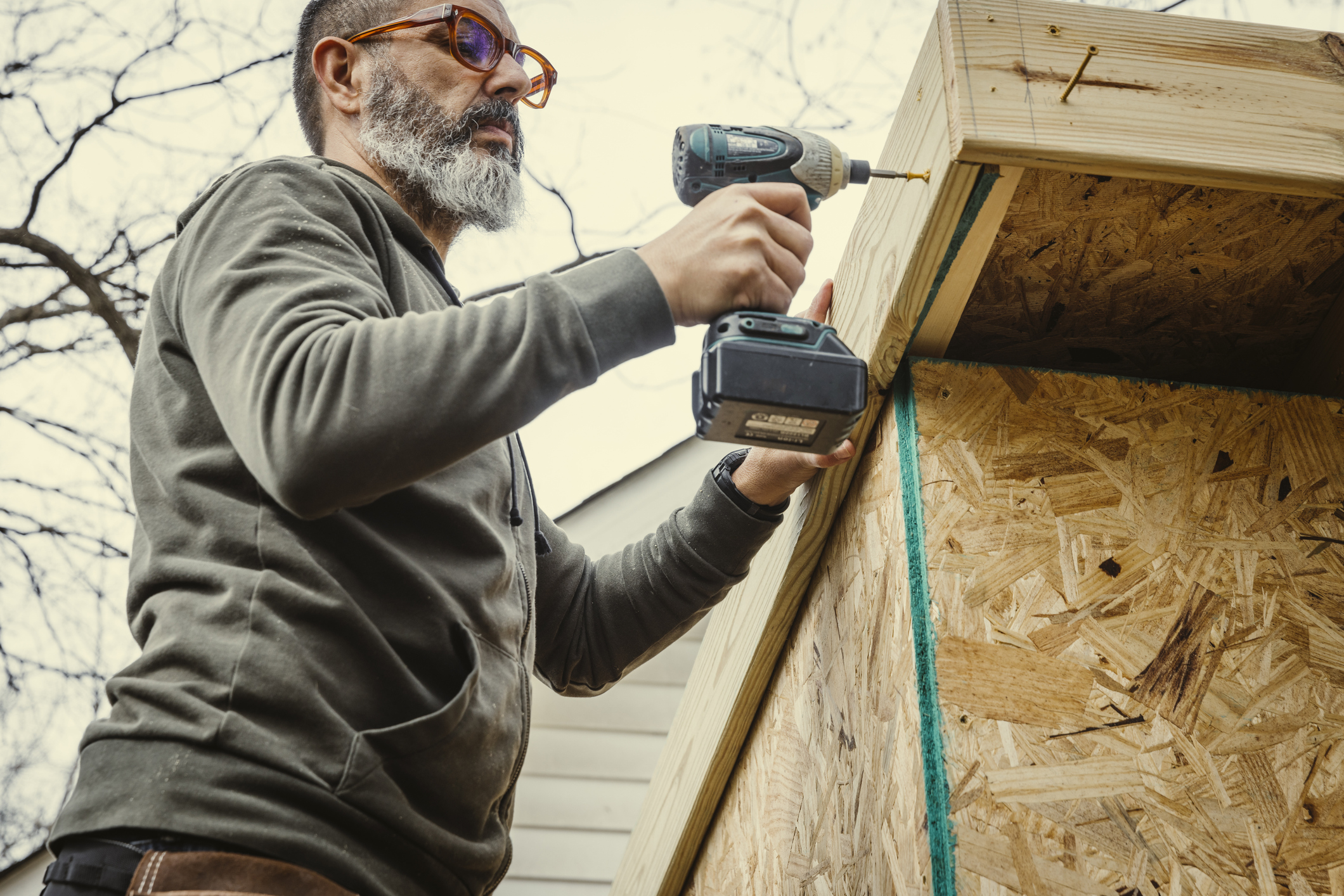
Whether you plan to tour the nation’s scenic byways, test your hand at woodworking, or simply ensure you have the financial resilience to weather unexpected health events, evaluating your rental options before writing a major check can safeguard your nest egg. In retirement, true wealth is measured not by the number of possessions accumulating in your garage, but by the freedom, liquidity, and peace of mind you retain.