The IRS Modernizes Tax Verification: A Deep Dive into the New Digitally Authenticated Compliance Report
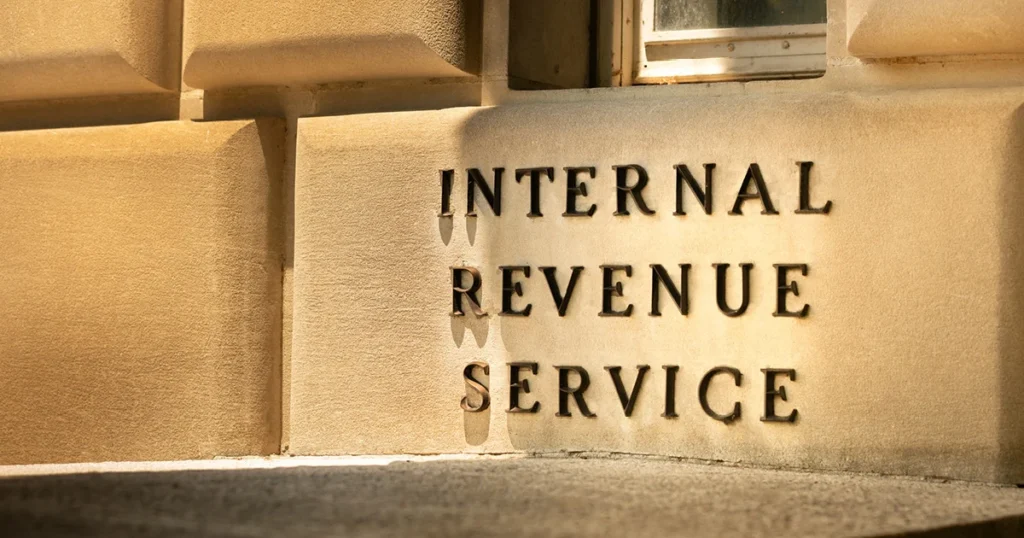
In a significant stride toward the modernization of federal administrative processes, the Internal Revenue Service (IRS) has officially launched a new, digitally authenticated "Tax Compliance Report." This initiative, designed to streamline how citizens verify their tax standing, marks a shift in how financial and governmental institutions interact with taxpayer data. By leveraging advanced digital certification, the IRS aims to reduce the friction associated with traditional paper-based verification while bolstering security for sensitive financial information.
Main Facts: What Is the Tax Compliance Report?
The Tax Compliance Report is a secure, on-demand document that taxpayers can generate directly through their IRS Individual Online Account. Its primary function is to serve as an authoritative verification tool for taxpayers who need to prove their tax history for third-party requests. This includes applications for employment, residential leases, bank loans, government benefits, and various other services that require proof of filing or payment status.
Key features of the report include:
- Digital Authentication: Each report is embedded with a built-in digital certificate. This certificate allows receiving entities—such as mortgage lenders or government agencies—to verify that the document was indeed issued by the IRS and has not been altered since its generation.
- On-Demand Access: The report is not a static document mailed via postal service; it is dynamic and available 24/7 through the IRS’s online portal.
- Data Integrity: The report specifically addresses whether a taxpayer has filed their returns and met their payment obligations on time. It acts as a "certificate of good standing" in the eyes of the tax authorities.
The rollout of this report is a central component of the IRS’s broader strategy to digitize the taxpayer experience, ensuring that individuals can leverage their own data for personal and professional advancement without waiting for traditional, sluggish correspondence.
Chronology: The Road to Digital Transformation
The launch of the Tax Compliance Report did not happen in a vacuum; it is the culmination of years of internal restructuring and technological investment at the IRS.
Early 2023–2024: The Digital Foundation
Following the passage of the Inflation Reduction Act, which provided the IRS with significant funding for modernization, the agency prioritized the expansion of the Individual Online Account. Developers focused on integrating disparate database systems to allow for the real-time extraction of compliance data.
February 2025: Expansion of Available Information
A critical milestone occurred in February 2025, when the IRS expanded the scope of its online accounts to include direct access to information returns. This update allowed taxpayers to view and download their Form W-2 (Wage and Tax Statement) and Form 1095-A (Health Insurance Marketplace Statement) directly. By successfully integrating these forms, the IRS proved that its platform could securely handle and display sensitive third-party data, setting the stage for the Tax Compliance Report.
Mid-2025: The Launch of the Authenticated Report
The official rollout of the digitally authenticated report represents the next logical step in this roadmap. By moving from simply displaying forms to authenticating a user’s overall compliance status, the IRS has shifted from a passive repository of information to an active partner in the taxpayer’s digital ecosystem.
Supporting Data: Why Modernization Matters
The necessity for this tool is underscored by the sheer volume of verification requests handled annually in the United States. Before this innovation, a taxpayer needing to verify their compliance for a loan or a job might have had to request an "Account Transcript" or a "Letter of Non-filing." These requests often involved wait times of several business days to weeks, depending on whether the IRS had to mail physical copies or if the user struggled to navigate the older, less intuitive web interfaces.
Data from the IRS indicates that:
- Efficiency Gains: Millions of tax transcripts are requested annually. By digitizing this process, the agency expects to significantly reduce the administrative burden on its customer service representatives, who previously spent hours fielding calls from taxpayers looking for status updates on verification letters.
- Fraud Mitigation: Paper documents are notoriously easy to forge. By utilizing digital certificates—a form of cryptographic signature—the IRS is moving toward a standard where the authenticity of a document can be verified in milliseconds by a third party, virtually eliminating the risk of document tampering.
Official Responses and Strategic Vision
The launch has been met with positive reception from stakeholders who advocate for a more tech-forward government.
In a press release detailing the launch, IRS CEO Frank Bisignano emphasized the duality of the agency’s mission: accessibility and protection. "By providing a secure, digitally authenticated report, the IRS is making it easier for taxpayers to access and share important information while protecting privacy and data integrity," Bisignano stated.
Industry analysts suggest that this move aligns with the federal government’s "Zero Trust" security architecture. By requiring users to authenticate their identity to access their account, and then applying a digital signature to the outgoing report, the IRS is creating a closed-loop system where trust is established cryptographically rather than through physical presence or paper seals.
The IRS has also positioned this as a "privacy-first" initiative. Because the taxpayer controls the download and sharing of the report, the taxpayer remains the primary custodian of their financial data. This minimizes the risk of unauthorized data scraping or third-party interference, as the report is only generated when the taxpayer actively initiates the request.
Implications: The Future of Taxpayer-Agency Relations
The introduction of the Tax Compliance Report carries profound implications for several sectors of the American economy.
For Financial Institutions
Lenders, particularly in the mortgage and small business sectors, have long relied on "4506-T" forms, which authorize the IRS to release tax information directly to the lender. This process is often slow and prone to error. The new report allows for a more "self-service" model. In the future, lenders may integrate their systems with IRS APIs, allowing for near-instant verification of a borrower’s tax history, which could shorten loan approval times from weeks to days.
For Tax Professionals
For CPAs and tax attorneys, this tool serves as a supplementary resource. While tax professionals will still perform deep-dive analysis of tax returns, the compliance report provides a quick, authoritative way to demonstrate to a client—or a third party—that a return has been processed and acknowledged by the IRS.
For the Taxpayer
The most immediate impact is on personal autonomy. Taxpayers are no longer solely reliant on the IRS’s mailing schedule or the availability of a physical branch office. Whether a taxpayer is applying for a new job or navigating a complex financial transaction, they now possess a verifiable, digital credential that confirms their tax history.
Challenges and Future Considerations
While the launch is a success, the IRS faces the ongoing challenge of public adoption. Not all taxpayers are comfortable using online portals, and there remains a segment of the population that is "digitally disconnected." To bridge this gap, the IRS must ensure that the user interface remains accessible, intuitive, and mobile-friendly.
Furthermore, as the IRS continues to push toward a fully digital environment, security remains paramount. The digital certificate, while robust, is only as secure as the credentials used to access the IRS account. The agency will need to continue its aggressive promotion of Multi-Factor Authentication (MFA) and other cybersecurity hygiene practices to ensure that the portal itself does not become a target for identity thieves.
Conclusion
The launch of the digitally authenticated Tax Compliance Report is more than just a software update; it is a fundamental shift in how the government verifies the status of its citizens. By prioritizing digital authentication and on-demand access, the IRS is moving toward a modern, service-oriented model that respects the taxpayer’s time and data security.
As the agency continues to iterate on these digital offerings, the broader expectation is that the "digital certificate" will become a standard feature of all IRS-issued correspondence. For the average American, this means less time navigating government bureaucracy and more time focusing on personal and financial goals, backed by a system that is as efficient as it is secure.
For those interested in utilizing this new service, the IRS encourages taxpayers to log into their Individual Online Account at IRS.gov and navigate to the "Tax Compliance Report" section to generate their first verified document. As the digital landscape of the 21st century evolves, tools like this will prove indispensable in maintaining the balance between tax compliance and individual financial liberty.
To comment on this article or to suggest an idea for future coverage, please contact Martha Waggoner at [email protected].