Beyond Survival: The Stagnation of Recovery in Post-Ceasefire Gaza
For most, the rhythm of a day is dictated by appointments, professional goals, and personal aspirations. But in the Gaza Strip, the very concept of a "day" has been hollowed out and replaced by a singular, grueling mission: survival. Nearly one year after the implementation of a ceasefire, the promised transition from emergency crisis management to post-conflict recovery remains a mirage. For the 2.2 million people living in the shadow of destruction, life is not a sequence of events, but a series of desperate hurdles—finding water, securing calories, and protecting vulnerable family members from the elements.
The Mirage of Normalcy: A Statistical Reality
While global headlines may suggest that the cessation of hostilities has ushered in a period of stabilization, the reality on the ground in displacement camps like al-Mawasi tells a different story. The infrastructure of daily life—water systems, power grids, and medical networks—remains in ruins.
According to recent assessments by the United Nations Office for the Coordination of Humanitarian Affairs (OCHA), the humanitarian crisis is not receding; it is merely shifting into a chronic, low-grade emergency. Data from July 2026 indicates that approximately 74 percent of households in Gaza are entirely dependent on water trucking for their survival. Even with this intervention, 63 percent of the population reports receiving less than six liters of water per person per day—a fraction of the minimum standards for hygiene and health.
The destruction of Gaza’s water infrastructure, coupled with stringent restrictions on the entry of spare parts and specialized equipment, has created a bottleneck that no amount of humanitarian aid can fully bypass.
Chronology of a Persistent Crisis
The timeline of the current catastrophe is marked by phases of acute violence followed by an extended, stagnant limbo.
- Pre-2025: The period of active military operations resulted in the near-total collapse of municipal services.
- Late 2025 (The Ceasefire): The cessation of major combat operations offered a flicker of hope for the displaced to return to their homes.
- Early 2026: Hope gave way to realization as displaced families found their homes razed or structurally unsound. The emergence of sprawling, semi-permanent tent cities became the new, grim status quo.
- Mid-2026 to Present: The "survival phase" has set in. Despite the lack of active bombing, mortality rates remain high due to the lack of access to specialized medical care, sanitation-related diseases, and the psychological toll of indefinite displacement.
Voices from the Camps: The Human Cost
Yousef, a 26-year-old resident of the al-Mawasi camps, represents the thousands of young people whose ambitions have been suspended. "They say there is a ceasefire and that things are getting better," Yousef notes, his voice weary. "But we are still exhausting ourselves just to get the most basic things."
For Yousef, the day begins with a two-hundred-meter trek to a neighboring camp—the only location served by water trucks. Because the trucks lack the capacity to reach every corner of the sprawling makeshift settlements, the burden falls on the displaced to bridge the gap.
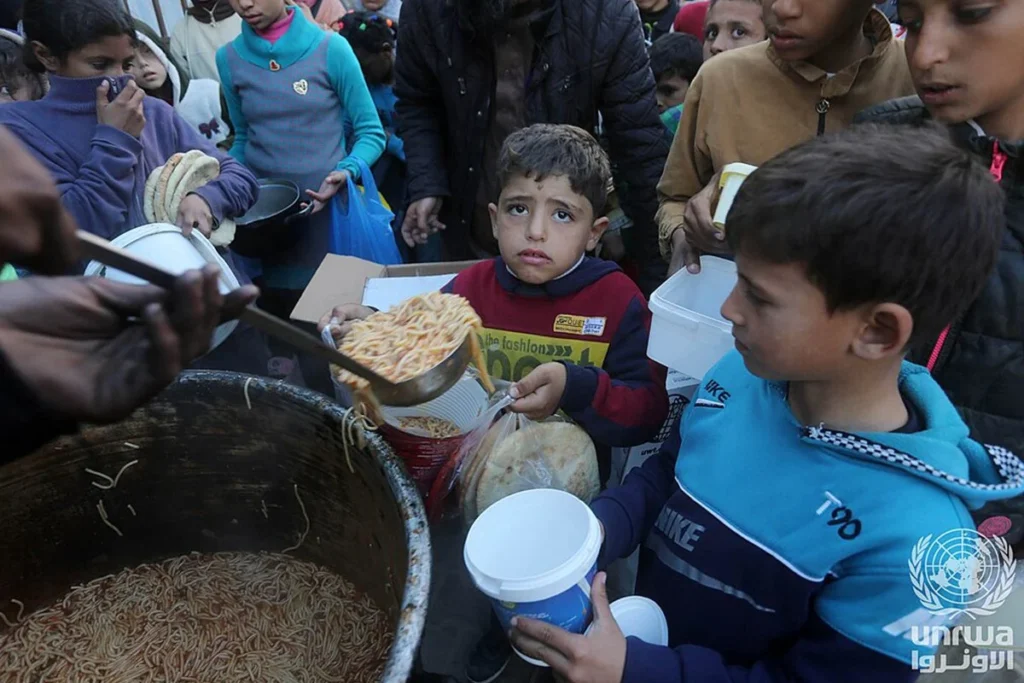
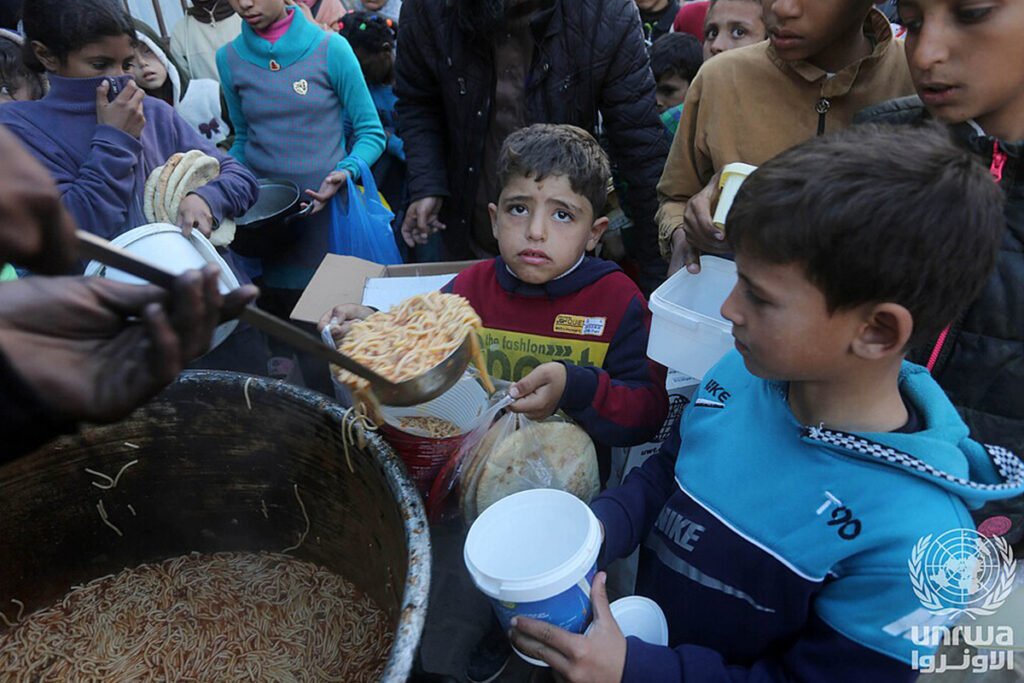
The struggle extends to nutrition. The absence of takiyas—traditional community kitchens—in his specific sector of the camp forces families to rely on erratic aid distributions. "We have been here for two years," Yousef says. "Can you imagine? We still do not have a kitchen."
Khitam, a psychosocial support worker operating in Gaza, views the situation through a wider lens. She works with families who are perpetually stuck in a cycle of "survival thinking." A father, she explains, cannot plan for his children’s education when his entire mental bandwidth is consumed by the logistical nightmare of obtaining food and water. "We provide, but in reality, we barely provide enough," she admits. Her programs, designed to offer mental health relief, are often hampered by the lack of even the most rudimentary tools—clay for children’s art therapy, speakers for group sessions, or even a reliable power source to charge equipment.
Supporting Data: The Widening Gap
The disparity between the aid delivered and the needs on the ground is quantified by the United Nations’ own reports.
- Food Insecurity: Between July and December 2026, over 1.4 million people are projected to face "crisis" levels of food insecurity or worse.
- Shelter Shortages: During a single week in July 2026, shelter assistance provided reached less than seven percent of the identified need. This is not due to a lack of intent, but a lack of materials, as entry restrictions continue to throttle the flow of construction supplies.
- Health Services: Only a small fraction of Gaza’s medical facilities are functional. Patients with chronic conditions, like the mother of Ahmed Asfour—a displaced resident living in a heat-trapping tent—are left to manage pain with temporary, insufficient medication rather than receiving the comprehensive care they require.
Official Responses and Institutional Limits
Humanitarian organizations, including various UN agencies and international NGOs, find themselves in an impossible position. They are effectively functioning as "anesthetics," as Khitam puts it—dulling the pain of a systemic collapse without being able to cure the underlying condition.
The official stance from organizations like OCHA is clear: the humanitarian mission is being hampered by the dual pressures of funding shortages and, more critically, the continued restriction of essential materials. While the international community focuses on the number of trucks entering the strip, the real metric of success should be the restoration of the "dignity of life."
Aid groups have repeatedly warned that they are becoming "tools for survival" rather than partners in recovery. Without the ability to import concrete, piping, advanced medical diagnostics, and telecommunications equipment, the aid provided is merely a temporary bandage on a gaping wound.
Implications: The Death of Privacy and Dignity
The implications of this protracted emergency are profound and, in many cases, irreversible. The loss of privacy is a recurring theme among the displaced. In the densely packed tent cities, the concept of a private home—a space to close a door and find safety—has vanished.
Psychologically, the "post-trauma" phase has not arrived because the trauma is ongoing. When Khitam meets with women who have experienced violence or deep loss, she is forced to send them back into the exact environment that exacerbates their suffering. This creates a state of "learned helplessness" that threatens to define a generation of Gazan children.
"I can make things a little easier for them," Khitam says, "but when they leave, they go back to the same conditions. They go back to thinking about water, the takiya, and food."
Conclusion: Beyond Survival
As the world looks toward the future of the Gaza Strip, it is vital to distinguish between keeping people alive and allowing them to live. The current trajectory—defined by tent-based living, erratic water access, and the absence of sustainable medical and economic infrastructure—is not a path to recovery.
True recovery requires a fundamental shift: the lifting of restrictions on construction and essential goods, the restoration of utilities, and the creation of safe, permanent housing. Until the focus shifts from the quantity of aid trucks to the restoration of the social, economic, and physical fabric of life, the people of Gaza will remain trapped in the limbo of survival. The demand from the ground is not just for calories or water; it is for a life with dignity, where the day is measured by progress and purpose rather than the struggle for the next meal.