The Post-Mint Era: How the Demise of a Personal Finance Pioneer Realigned the Digital Budgeting Landscape
Main Facts
The landscape of consumer financial technology experienced a major disruption when Intuit officially shut down Mint.com, the pioneering free online budgeting application. Launched in 2007, Mint was one of the first web-based platforms to aggregate consumer financial accounts, quickly becoming the industry standard for personal budgeting and net worth tracking. Intuit acquired the platform in 2009 for $170 million, but its recent decision to sunset the brand has forced millions of active users to migrate their financial data and seek alternative platforms.
The closure of Mint has created a highly competitive vacuum in the financial technology (fintech) sector. Dozens of platforms are currently vying to capture Mint’s displaced user base. While Intuit has directed former Mint users toward its Credit Karma platform, many consumers have found its budgeting features insufficient, sparking a mass migration to specialized third-party applications.
To assist consumers navigating this transition, financial analysts and software testers have conducted exhaustive evaluations of the leading alternatives. The market has bifurcated into distinct categories: paid subscription services that offer ad-free, premium experiences; free, investment-centric aggregators; and highly specialized platforms tailored for spreadsheet enthusiasts or zero-based budgeting practitioners.
Chronology
- September 2007: Mint.com launches at the TechCrunch 40 conference, winning the top prize and rapidly gaining traction for its innovative, automated approach to aggregating bank, credit card, and investment accounts.
- November 2009: Intuit acquires Mint.com for $170 million. Over the next decade, Mint grows to serve tens of millions of users, remaining largely free by leveraging an ad-supported business model and offering financial product recommendations.
- November 2023: Intuit formally announces plans to sunset Mint.com, detailing a transition plan to migrate users to Credit Karma.
- March 2024: Intuit officially shuts down the Mint.com interface and mobile applications, permanently disabling access to the classic budgeting dashboard.
- Mid-to-Late 2024: Competitors experience unprecedented user acquisition surges. Platforms like Monarch Money, Rocket Money, and Quicken Simplifi roll out dedicated CSV import tools specifically designed to help former Mint users transfer their historical transaction data.
Supporting Data: Evaluating the Top 8 Mint Alternatives
The sudden vacancy of the top spot in free budgeting has forced consumers to re-evaluate what they are willing to pay for financial security and utility. Extensive hands-on testing of the leading platforms reveals how the top eight alternatives compare in pricing, platform availability, user sentiment, and core functionality.
+------------------+---------------------+-------------------+-----------------------------------+
| Platform         | Annual/Monthly Cost | App Store Rating  | Primary Strength                  |
+------------------+---------------------+-------------------+-----------------------------------+
| Monarch Money    | $99/year            | 4.9 (88k reviews) | Best Overall / Joint Budgeting    |
| Rocket Money     | $7–$14/month (PWYW) | 4.8 (iOS/Android) | Best for Bill & Subscription Mgmt |
| Empower          | Free                | 4.7+ (Average)    | Best for Investment Tracking      |
| Quicken Simplifi | $41.88/year         | 4.5+ (Average)    | Best Mobile-First Automation      |
| Origin           | $99/year            | 4.6+ (Average)    | Most Comprehensive / Integrated AI |
| Tiller Money     | $79/year            | N/A (Spreadsheet) | Best for Custom Spreadsheet Users |
| Quicken Classic  | Varies by Tier      | Varies            | Best Desktop-Based Power Tool     |
| YNAB (You Need A)| $109/year           | 4.8 (Average)     | Best Zero-Based Budgeting Method  |
+------------------+---------------------+-------------------+-----------------------------------+
1. Monarch Money: Best Overall Budgeting App
- App Store Rating: 4.9 (88,000 reviews) | Android Rating: 4.8 (21,200 reviews)
- Platforms: iOS, Android, Web
- Cost: Free trial, then $99/year (promotional discounts of 50% off the first year are frequently available for transitioning users).
- Key Features: Multi-account syncing, collaborative budgeting for couples, recurring transaction tracking, custom category rules, and VantageScore 3.0 credit monitoring.
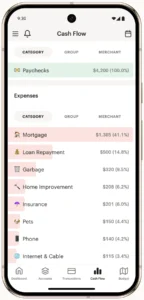
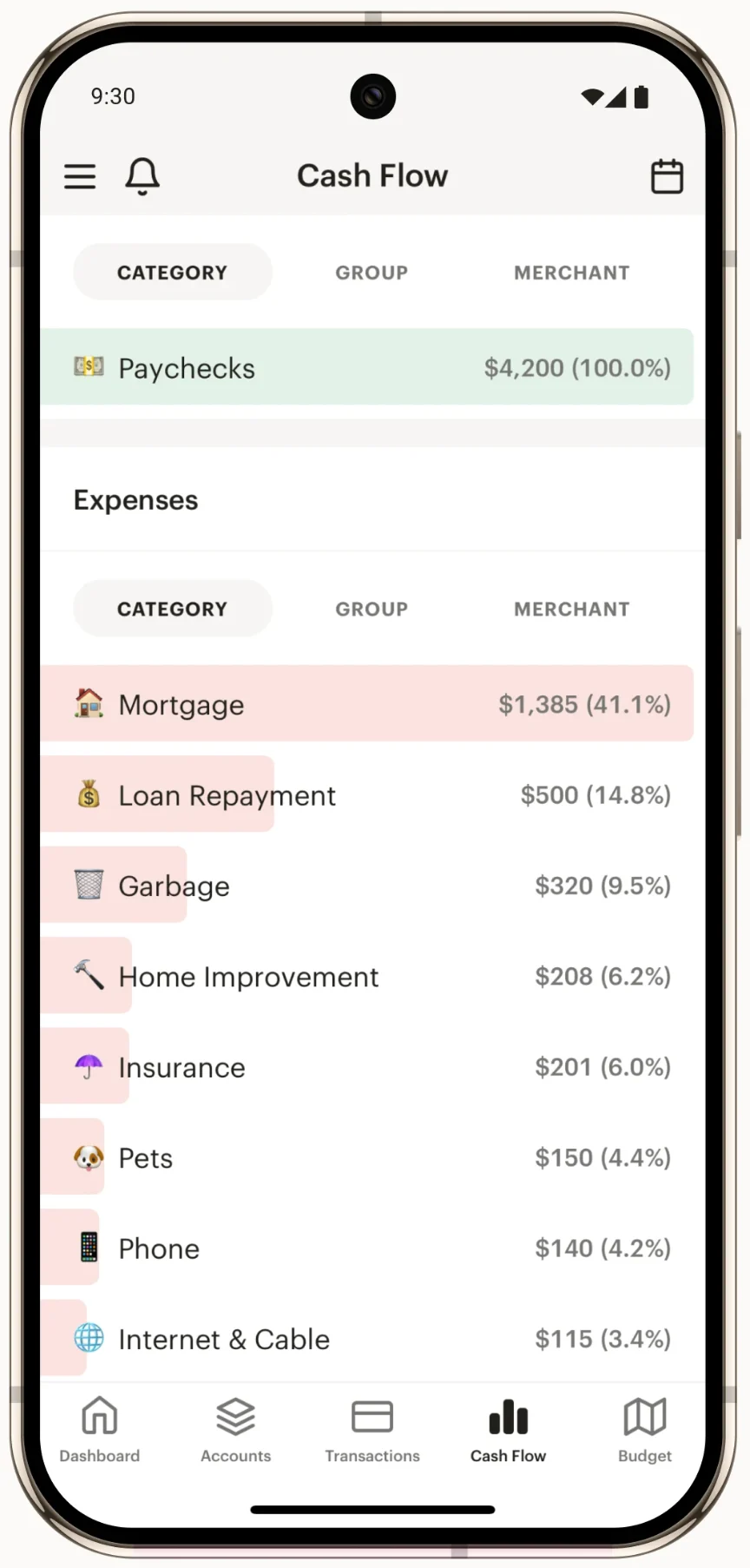
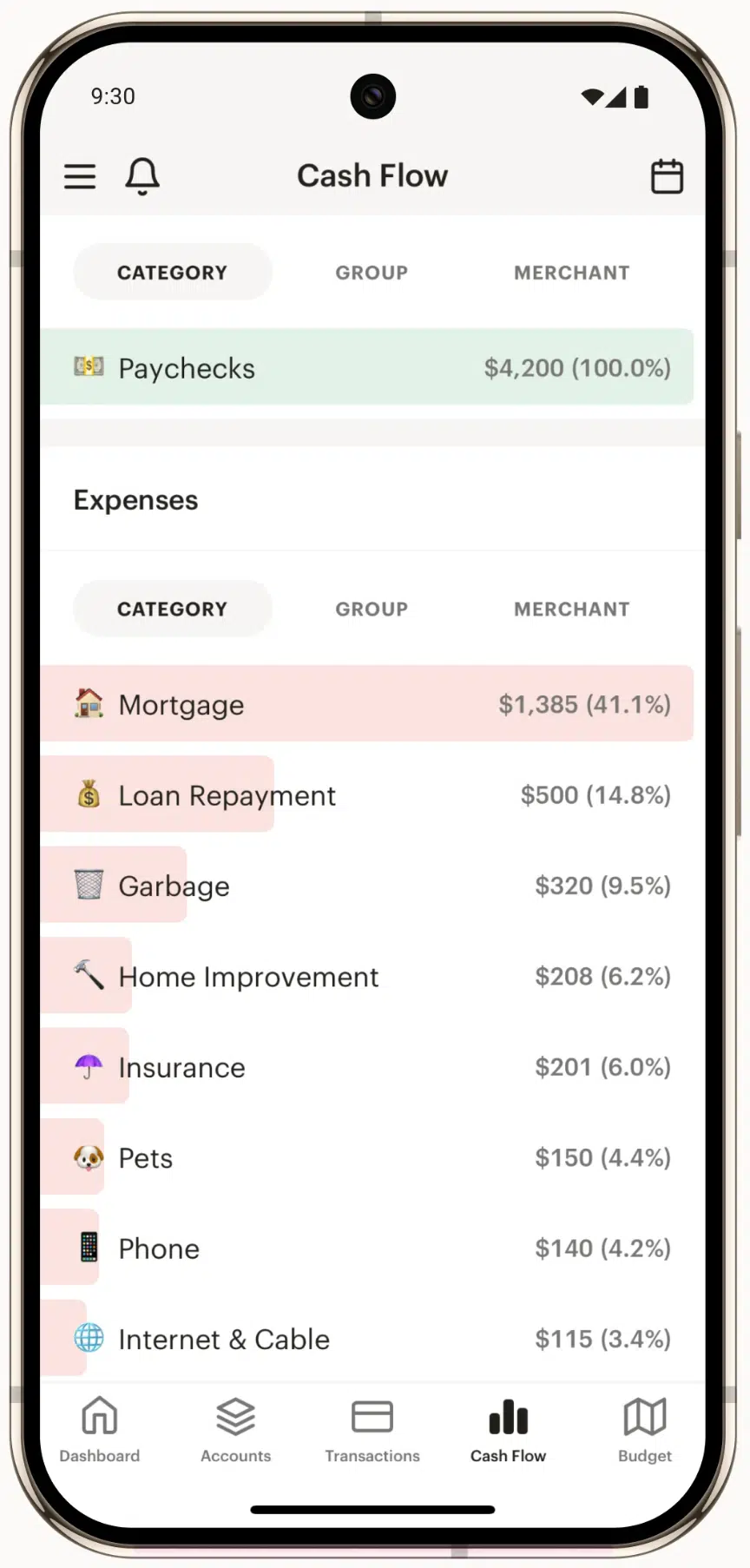
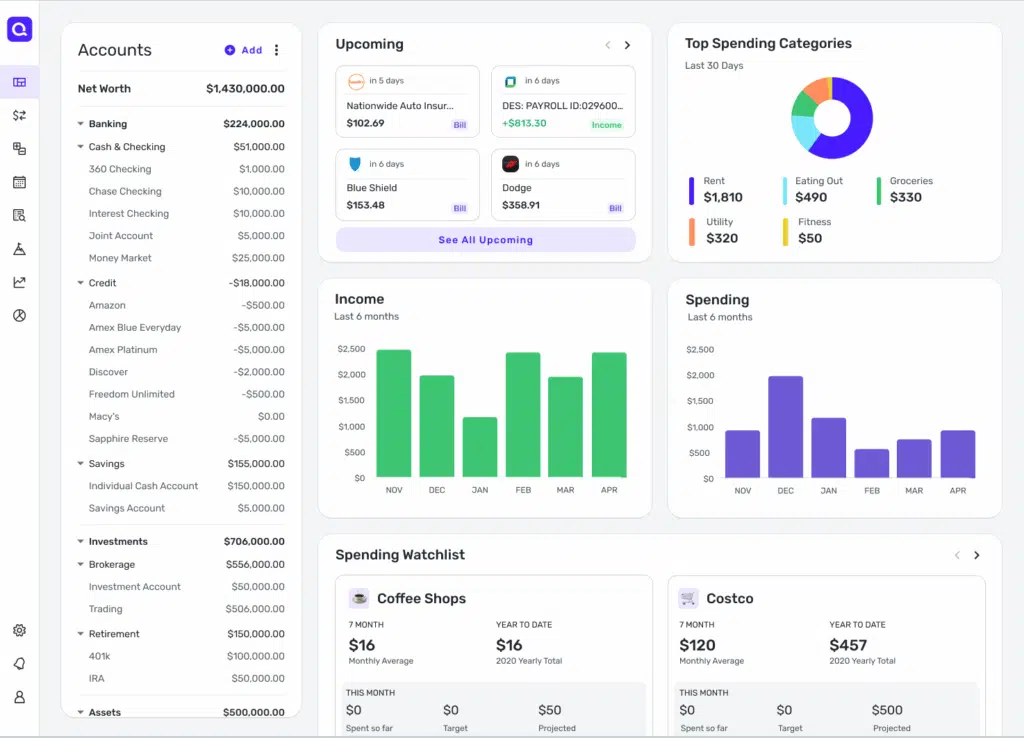
Co-founded by Val Agostino—the original product manager of Mint.com—Monarch Money was designed to address the modern shortcomings of its predecessor. The platform features an ad-free interface that focuses heavily on data visualization. The dashboard aggregates recent transactions, net worth tracking, and a comparative analysis of monthly income and expenses.
Monarch’s standout feature is its "Flex Budgeting" tool, which accommodates fluctuating, non-monthly expenses. It also allows multiple users to collaborate on a single account without sharing login credentials, making it highly effective for couples.
2. Rocket Money: Best for Budgeting and Bill Management
- Platforms: iOS, Android, Web
- Cost: Free basic version; Premium features operate on a "pay-what-you-want" model ranging from $7 to $14 per month (billed annually).
- Key Features: Automated subscription identification, in-app subscription cancellation services, net worth tracking, and credit score monitoring.
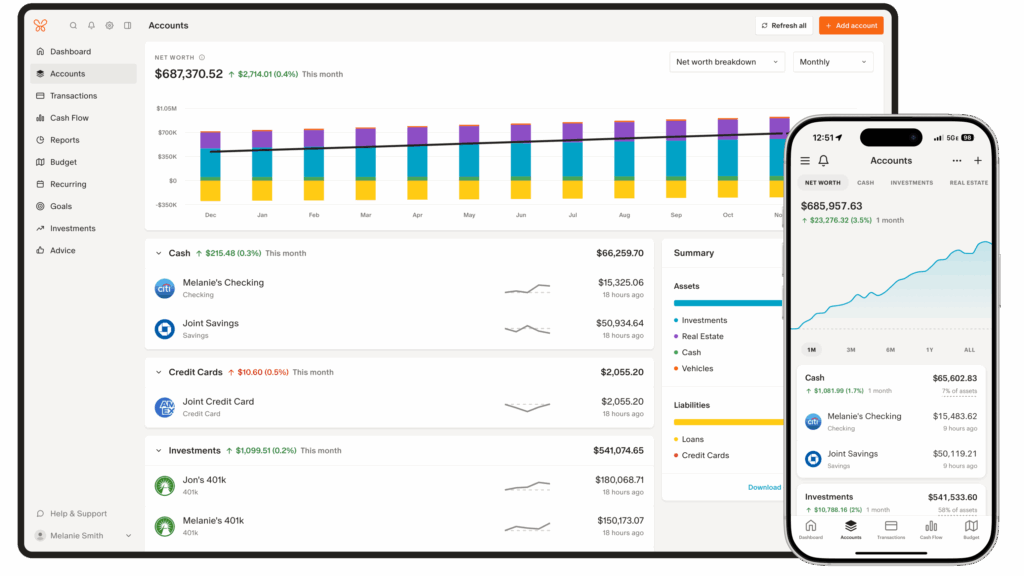
Formerly known as TrueBill, Rocket Money excels at identifying hidden costs in consumer spending. The app automatically scans linked bank accounts for recurring subscription fees and alerts users to upcoming charges. The premium tier offers a unique, concierge-like service where Rocket Money representatives negotiate lower rates on utility and telecom bills on behalf of the user, taking a percentage of the annual savings as a fee.
3. Empower: Best Free Alternative for Investment Tracking
- Platforms: iOS, Android, iPadOS, Web
- Cost: Free
- Key Features: Net worth aggregation, investment portfolio analyzer, retirement planner, fee analyzer, and basic cash-flow budgeting.
For users who relied on Mint primarily to track their net worth and investment portfolios rather than daily envelope-style budgeting, Empower (formerly Personal Capital) is widely considered the premier free option.
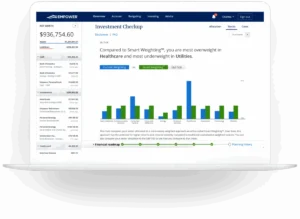
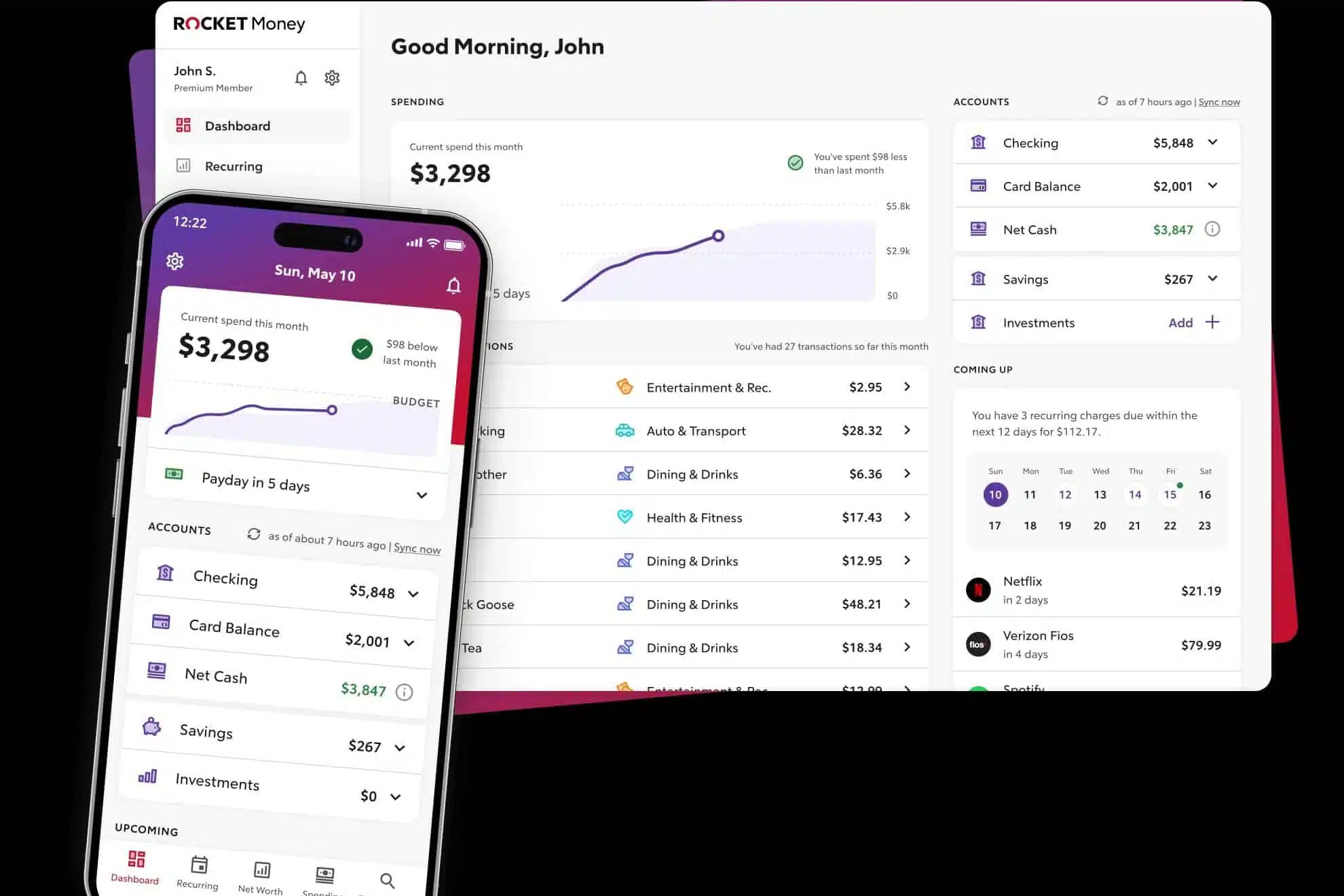
Empower’s dashboard focuses on asset allocation, portfolio performance, and retirement readiness. Its proprietary "Retirement Planner" runs Monte Carlo simulations to project future wealth based on current savings rates and market conditions. While the platform is free, Empower monetizes its service by offering personalized wealth management services to users with portfolios exceeding $100,000.

4. Quicken Simplifi: Best Mobile-First Budgeting App
- Platforms: iOS, Android, Web
- Cost: Approximately $3.49 to $6.99 per month (billed annually; no free trial).
- Key Features: Automated spending plans, upcoming bill calendar views, custom savings goals, and transaction categorization.
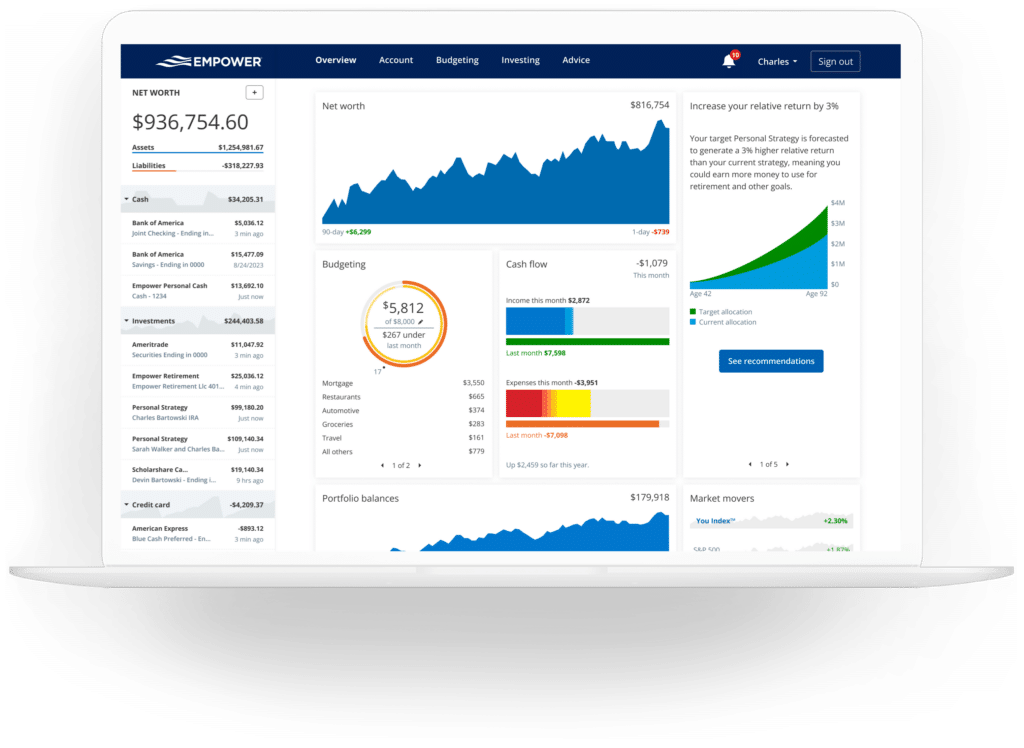
Quicken Simplifi is a modern, cloud-native application built from the ground up by Quicken, separate from its legacy desktop software. Simplifi uses advanced automation to generate a dynamic "Spending Plan" for users by analyzing historic income, fixed bills, and savings targets. It features a clean, highly visual mobile interface and is designed for users who prefer hands-off, automated tracking over manual ledger entries.
5. Origin: Most Comprehensive Financial Wellness App
- Platforms: iOS, Android, Web
- Cost: 7-day free trial, then $12.99/month or $99/year.
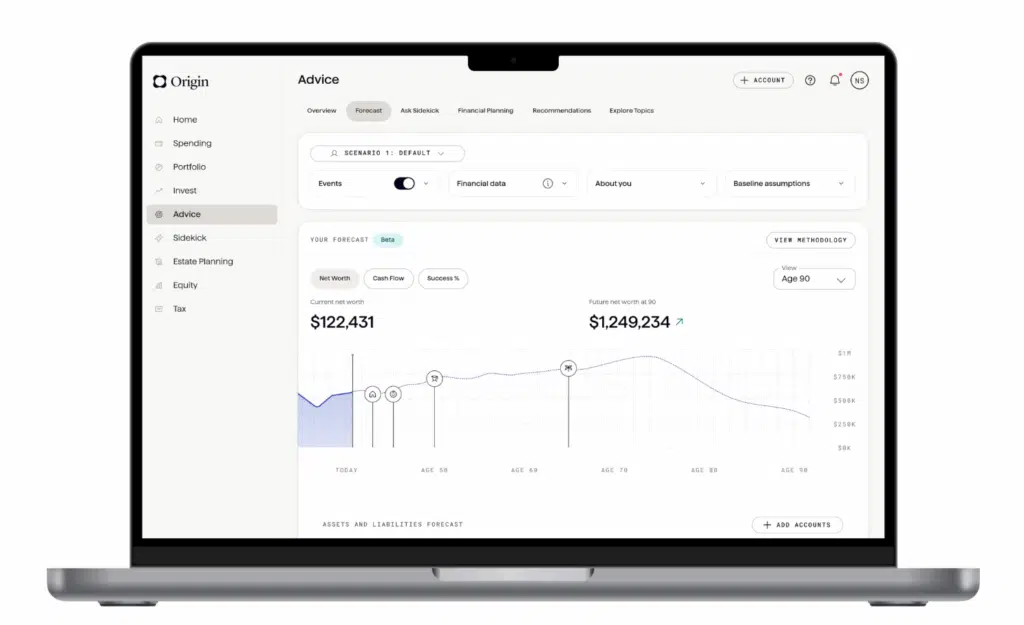
- Key Features: Integrated tax filing software, estate planning (trusts and wills), equity tracking, access to Certified Financial Planners (CFPs), and an integrated AI financial assistant.
Origin represents a new class of all-in-one financial platforms. Rather than focusing solely on budgeting, Origin integrates estate planning, tax preparation, and investment tracking into a single subscription fee.
The platform features an advanced generative AI assistant that allows users to query their financial data using natural language (e.g., asking the AI to draft an emergency fund savings strategy based on current discretionary cash flow).
6. Tiller Money: Best for Spreadsheet Enthusiasts
- Platforms: Google Sheets, Microsoft Excel
- Cost: 30-day free trial, then $79/year.
- Key Features: Automated bank feeds directly to spreadsheets, pre-built templates, weekly financial email digests, and customizable privacy controls.
Tiller Money targets users who prefer the customization of spreadsheets but dislike the friction of manual data entry. Tiller securely connects to financial institutions and automatically populates Google Sheets or Microsoft Excel workbooks with daily transaction and balance data. Because the data resides within a standard spreadsheet, users have complete control over how they model their budgets, build charts, and analyze their spending habits.
7. Quicken Classic: Best Desktop-Based Power Software
- Platforms: Windows, macOS (local software with cloud syncing options)
- Cost: Subscription-based, tiered pricing depending on features (Deluxe, Premier, Home & Business).
- Key Features: Detailed tax reporting, investment tracking with cost-basis calculations, local data storage, and comprehensive report generation.
As one of the oldest names in personal finance, Quicken Classic remains a powerful desktop solution for complex financial lives. Unlike modern web apps, Quicken Classic stores financial data locally on the user’s computer, offering a higher level of privacy. It is particularly well-suited for users who manage small business expenses, rental properties, or complex investment portfolios alongside their personal household budgets.
8. You Need a Budget (YNAB): Best for Disciplined Zero-Based Budgeting
- Platforms: iOS, Android, iPadOS, Web, Apple Watch
- Cost: $14.99/month or $109/year.
- Key Features: Zero-based "give every dollar a job" methodology, goal-setting packages, real-time sync across devices, and extensive educational resources.
YNAB operates on a strict zero-based budgeting philosophy, requiring users to allocate every dollar of their current income to specific spending or savings categories. It does not track investment performance or long-term asset allocation.
While highly effective at curbing overspending and breaking the paycheck-to-paycheck cycle, YNAB is one of the more expensive options on the market. It requires a significant time commitment to maintain, making it best suited for disciplined, hands-on budgeters.
Official Responses and Market Context
The sunsetting of Mint.com was a strategic decision by Intuit to streamline its product portfolio. According to corporate communications, Intuit decided to transition Mint’s core functionalities into Credit Karma, which it acquired in 2020 for $4.7 billion.
In an official statement regarding the transition, Intuit noted:
"We are focused on bringing the most popular financial tracking features from Mint into Credit Karma, creating a more singular, robust experience where users can monitor their financial health, credit scores, and savings in one place."
However, consumer response to the Credit Karma transition has been largely critical. Users migrating to Credit Karma reported that the platform lacked the granular budgeting tools, custom categories, and historical data visualization that made Mint popular. Instead, many felt the platform functioned primarily as a marketing funnel for credit cards, personal loans, and high-yield savings accounts.
This consumer backlash presented a significant opportunity for competitors. Monarch Money’s CEO, Val Agostino, acknowledged the market shift, noting that his engineering team worked around the clock to build robust data-import tools specifically designed to map Mint’s exported CSV files into Monarch’s architecture. Competitors like Rocket Money and Tiller also launched targeted marketing campaigns to capture disenfranchised Mint users, offering extended free trials and transition guides.
Implications
The death of Mint.com marks the end of an era for the "free" consumer fintech business model and highlights several significant shifts in the industry.
The Shift from Ad-Supported to Subscription Software
For over a decade, consumers expected high-quality financial aggregation tools to be free. Mint proved that the ad-supported, lead-generation business model (where the software is free but users are targeted with financial product ads) has structural limitations. As privacy regulations tighten and consumers become more averse to intrusive advertising, fintech companies are shifting toward direct subscription models. Consumers are increasingly demonstrating a willingness to pay between $40 and $110 annually for platforms that guarantee data privacy, offer ad-free interfaces, and align their business incentives with the user’s financial well-being.
Data Portability and Open Banking Standards
The migration of millions of Mint users has highlighted the critical importance of data portability. Financial aggregators are heavily reliant on third-party APIs (such as Plaid, Yodlee, and Finicity) to securely bridge the gap between consumer bank accounts and budgeting apps. The ease with which users were able to download their historical transaction logs from Mint and upload them to competitors like Monarch or Simplifi demonstrates a maturing ecosystem where consumers, rather than platforms, own their financial data.
The Integration of Artificial Intelligence
As platforms like Origin introduce generative AI assistants to analyze consumer spending, the future of personal finance software is moving from passive tracking to active, predictive coaching. Future applications are expected to go beyond simply telling users where their money went and instead actively advise them on tax optimization, debt payoff strategies, and automated micro-investing opportunities in real-time.