Apple’s Strategic Pivot: Inside the New ‘Apple Upgrade’ Leasing Program
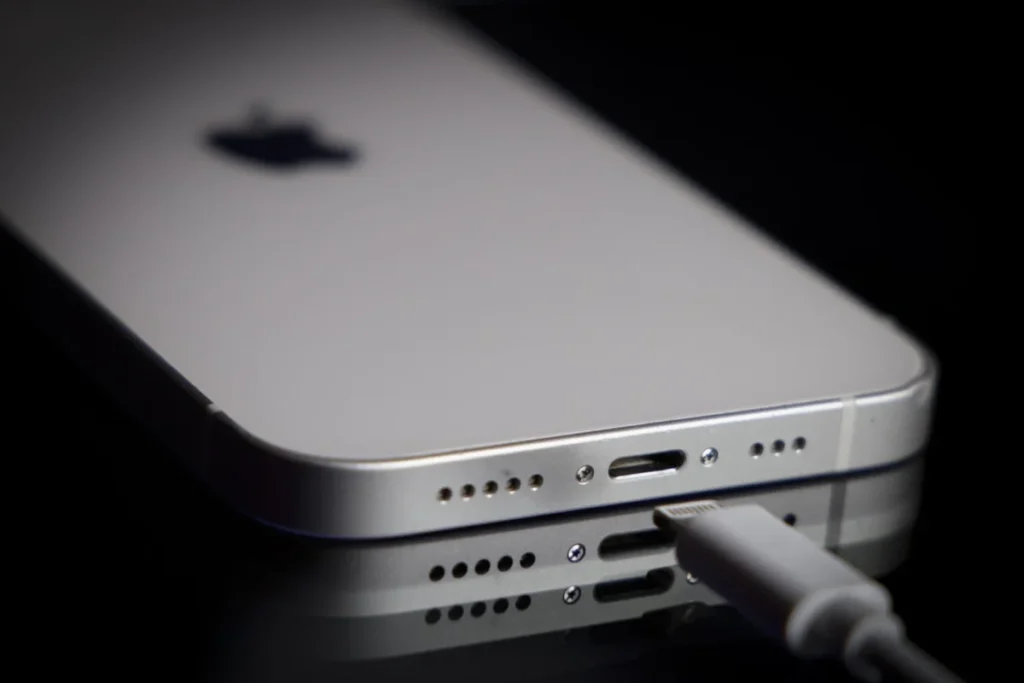
In a move designed to insulate its revenue streams against a volatile hardware market, Apple is reportedly preparing to launch a comprehensive device leasing initiative in partnership with the deferred payment giant Klarna. This program, branded simply as "Apple Upgrade," marks a significant shift in how the tech behemoth manages its consumer relationship, transitioning from a one-off retail model to a recurring service-based ecosystem.
According to reports, the program is scheduled to debut on Tuesday, July 28, and will cover the company’s entire premium hardware suite, including iPhones, iPads, Macs, and Apple Watches. As the tech industry grapples with historic supply chain disruptions and shifting consumer purchasing power, this partnership represents a tactical response to maintain market dominance in an increasingly complex economic landscape.
The Mechanics of Apple Upgrade
At its core, the Apple Upgrade program functions as a bridge between the consumer and the latest hardware, removing the barrier of high upfront costs that have become increasingly common as component prices rise.
Structure and Terms
The program is structured with tiered lease durations tailored to the expected lifecycle of each device category:
- iPhones and Apple Watches: Customers can enter into lease agreements of up to 24 months.
- Macs and iPads: Given their status as productivity-focused, longer-lived assets, these devices will be eligible for lease terms of up to 36 months.
At the conclusion of these periods, participants face a trifecta of options: they may return the device, purchase it outright, or trade it in to upgrade to the latest model, effectively creating a perpetual subscription-like cycle. While the program aims to simplify ownership, reports indicate that some transactions may incur additional, yet-to-be-clarified fees, likely tied to credit assessment or early-upgrade processing.
This new initiative is set to sunset the existing "iPhone Upgrade" program. By consolidating these services under a single, broader umbrella, Apple is clearly aiming to unify its financing strategy, moving away from a siloed approach toward a cohesive "Apple-as-a-Service" financial model.
Chronology of a Shifting Landscape
The decision to pivot to a Klarna-backed model does not exist in a vacuum. It is the result of a long, pressure-filled period for Cupertino, marked by leadership transitions and macroeconomic headwinds.
- Early 2026: As the "RAMageddon" crisis—an industry-wide memory chip shortage exacerbated by the insatiable demand from AI data centers—began to constrict hardware output, Apple faced mounting pressure on its margins.
- April 2026: CEO Tim Cook stepped down, ushering in the era of John Ternus. Simultaneously, the company reported record sales despite the looming threat of supply shortages.
- June 2026: Faced with rising production costs, Apple made the difficult decision to increase the MSRP of its Mac and iPad lines, a move that threatened to alienate price-sensitive segments of its user base.
- July 2026: Apple initiated a high-stakes legal battle against OpenAI over alleged trade secret theft, further signaling a period of internal and external volatility.
- July 28, 2026: The official launch date for the Apple Upgrade program, positioned as a stabilizing anchor for the brand’s Q3 and Q4 performance.
Supporting Data: The Cost of Innovation
To understand why Apple is turning to financing, one must look at the supply chain. The "RAMageddon" phenomenon has fundamentally altered the economics of computing. As AI startups and cloud giants hoard high-bandwidth memory (HBM) and standard DDR5, the "bill of materials" for consumer-grade devices has spiked.
Data from the hardware sector shows that memory component costs have risen by roughly 25-30% compared to previous cycles. For a company like Apple, which prides itself on maintaining premium margins, passing these costs to consumers is a delicate balancing act. By introducing long-term leasing, Apple isn’t necessarily lowering the price of its devices; rather, it is lowering the perceived cost of entry.
Monthly payments transform a $2,500 MacBook Pro into a manageable monthly expense, masking the underlying price hikes and keeping users locked within the Apple ecosystem. This is a classic "stickiness" strategy. Once a user is on an upgrade cycle, the likelihood of them switching to a competitor—such as a Windows-based PC or an Android handset—drops significantly.
Official Responses and Corporate Silence
As of this reporting, both Apple and Klarna have remained tight-lipped regarding the granular details of the partnership. When TechCrunch reached out for comment, representatives for both companies declined to provide specific terms regarding interest rates, late fees, or the criteria for credit approval.
Industry analysts suggest that this silence is intentional. By controlling the narrative around the launch, Apple aims to avoid the "debt trap" optics that often surround Buy Now, Pay Later (BNPL) services. By framing the program as an "Upgrade" service rather than a "Financing" service, Apple maintains its premium brand identity, positioning the program as a gateway to the "latest and greatest" technology rather than a credit product.
Implications for the Future of Tech
The launch of Apple Upgrade carries profound implications for the broader technology industry and consumer behavior.
1. The Death of the "Ownership" Model
We are witnessing the final stages of the transition from owning hardware to subscribing to it. If Apple, the world’s most successful consumer electronics company, fully commits to a leasing model, other manufacturers will likely follow suit. This shift will normalize the idea that a phone or laptop is a service, much like a streaming subscription or a cloud storage plan.
2. Market Resilience in an AI-Dominated Era
The "AI Tax" on hardware is not going away. As long as AI models require massive amounts of memory and localized processing power, hardware prices will remain elevated. Programs like Apple Upgrade act as a hedge against this, ensuring that sales volume remains high even when individual device prices become prohibitive. It is a strategic effort to insulate the company from the volatility of the global chip market.
3. The Ternus Era
For CEO John Ternus, this program is an early test of his leadership philosophy. Navigating a supply chain crisis, a legal war with OpenAI, and a fundamental change in the company’s retail strategy is a tall order. The success or failure of the Apple Upgrade program will define his early tenure. If the program succeeds in keeping the installed base loyal despite rising prices, it will be viewed as a masterstroke of financial engineering. If it fails, or if it leads to consumer backlash regarding debt, it could mar the reputation of the new leadership team.
4. Competitive Dynamics
Klarna’s involvement is equally telling. By partnering with a dedicated fintech player rather than building its own internal financing arm, Apple is offloading the credit risk and regulatory burden. This allows Apple to focus on hardware and software while Klarna manages the nuances of the "pay-over-time" ecosystem. This partnership could set a precedent for how other tech giants handle their own consumer financing needs in the future.
Conclusion: A Calculated Risk
Ultimately, the Apple Upgrade program is a shrewd, if slightly defensive, maneuver. It acknowledges that the era of inexpensive, abundant hardware has, at least temporarily, come to an end. By softening the impact of price hikes through long-term leasing, Apple is betting that its ecosystem is strong enough to keep users locked in for years to come.
As the launch date of July 28 approaches, the eyes of the industry will be on the fine print. Does this program truly offer value to the consumer, or is it a mechanism to squeeze more revenue out of a shrinking pool of disposable income? In a world where AI is driving up the cost of everything, perhaps the most important "upgrade" is the one that allows the consumer to keep up with the pace of innovation without breaking their bank account—even if it means they never truly own their devices.
For now, the strategy is clear: keep the customer, keep the ecosystem growing, and keep the supply chain moving. It is a high-stakes gambit, but for a company facing as many hurdles as Apple, it is arguably the most logical path forward.