Citizens Bank Cuts Ties with Private Prison Operators Amidst Intense Activist Pressure
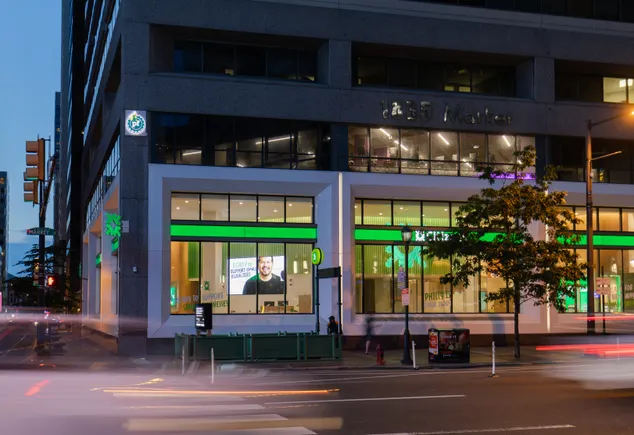
PROVIDENCE, R.I. — In a significant shift in corporate banking strategy that concludes months of escalating public and political pressure, Citizens Bank announced on Friday that it will terminate its financial relationships with two of the nation’s largest private prison operators: CoreCivic and The GEO Group. Both corporations are prominent contractors for U.S. Immigration and Customs Enforcement (ICE), managing detention facilities that have become flashpoints for human rights advocacy and national debate.
The decision marks a turning point in a high-profile campaign that saw municipalities, businesses, and individual account holders move hundreds of millions of dollars out of the institution in protest. While the bank attributed its withdrawal to "changed commercial circumstances," the move follows a sustained effort by the De-ICE Citizens Bank Coalition to hold the lender accountable for its role in financing the private detention industry.
The Strategic Shift: A Matter of Business, Not Politics
In a formal statement released Friday, the Providence-based lender framed the departure from its long-standing relationships with CoreCivic and The GEO Group as a purely technical, business-driven decision. The bank explicitly rejected the notion that its exit was a concession to the activist groups that have targeted its corporate headquarters and regional branches for months.
"This is a business decision," the bank stated, emphasizing that the move "does not reflect any change in our view regarding these companies’ business models or operations."
According to Citizens, the underlying catalyst for the termination was a shift in the capital requirements of the prison operators. As the federal government has moved to purchase or assume ownership of several facilities previously operated or owned by these firms, the prison companies’ reliance on private commercial banking has decreased. With their capital needs diminished, the bank argued, these companies no longer require the "full range of capabilities" that Citizens provides.
The bank further underscored its commitment to its broader corporate social responsibility goals, noting that it currently funds over 140 nonprofits serving immigrant communities and has provided $2 billion in financing for affordable housing and local economic development over the past year. By highlighting these investments, the bank sought to distance itself from the characterizations presented by its critics, framing the debate as a misinterpretation of its fundamental role in the financial ecosystem.
Chronology of a Corporate Crisis
The decision to sever ties was the culmination of a mounting financial and reputational crisis that began in early 2026. For months, the bank found itself under the microscope as activists, religious organizations, and local government officials demanded transparency regarding its lending portfolio.
The Rise of the De-ICE Citizens Bank Coalition
The De-ICE Citizens Bank Coalition, a grassroots collective of activists, launched a concerted campaign to pressure the bank to divest from the private prison industry. Their research alleged that Citizens had financed approximately $2.5 billion in credit for CoreCivic and The GEO Group—a claim that resonated loudly with the public. Furthermore, the coalition cited reports indicating that more than 20 individuals had died while in the care of ICE facilities operated by these firms, fueling public outrage.
The Municipal Exodus
As the campaign gained momentum, the financial impact on the bank began to materialize. The most significant blows came from municipal entities that chose to divest their city funds from the bank:
- June 2026: Jersey City, New Jersey, took a decisive stand, announcing it would withdraw $265 million in city funds from Citizens. According to reports from the Jersey City Times, the city successfully moved approximately $150 million of that total in a single day.
- July 14, 2026: The town council of Montclair, New Jersey, followed suit, voting unanimously to withdraw $91 million from the bank, as reported by NJ.com.
These withdrawals, coupled with an undisclosed volume of individual account closures, created a mounting sense of urgency for the bank’s leadership to address the reputational damage caused by its association with ICE detention contractors.
Regulatory Obligations vs. Social Responsibility
Perhaps the most contentious element of the bank’s response was its invocation of regulatory and contractual frameworks. Citizens Bank defended its previous involvement by arguing that financial institutions are often beholden to legal obligations that discourage the "de-banking" of lawful businesses based on political, social, or religious criteria.
"All banks, including ourselves, must consider these regulatory and contractual frameworks in making decisions on who to bank or not bank," the bank stated. "Given the important role that banks play in providing financing in this country, providing fair access to bank funding should be something all should agree with. Political concerns should be addressed through political channels."
The bank’s statement expressed palpable frustration, noting that it was "disappointed" to have been "dragged into what is largely a political matter." The institution argued that the public narrative surrounding the bank failed to reflect the "record we have built" and suggested that activists were failing to grasp the complexities of the banking industry’s legal mandates.
The Activist Perspective: A Partial Victory
Despite the bank’s attempt to characterize the move as a standard commercial adjustment, the De-ICE Citizens Bank Coalition views the development as a clear victory for grassroots pressure. However, in a statement released shortly after the bank’s announcement, the coalition made it clear that the battle is far from over.
The coalition expressed skepticism regarding the bank’s timeline and the potential for future engagement with the prison industry. Activists are now seeking ironclad assurances that the bank is "terminating any and all banking relationships—as well as future relationships" with both CoreCivic and The GEO Group.
"More customers are continuing to consider terminating their relationships with Citizens Bank," the coalition wrote. "Until we get all questions answered, we expect this will continue as customers align their personal values with banks they do business with."
The coalition’s insistence on "future relationships" suggests a lack of trust in the bank’s stated motives, with organizers indicating they would remain vigilant to ensure the bank does not attempt to renew these ties under the guise of different financial instruments or subsidiaries.
Implications for the Financial Sector
The situation involving Citizens Bank is a microcosm of a larger, evolving trend in the U.S. banking industry: the increasing intersection of ESG (Environmental, Social, and Governance) values and institutional lending.
The "De-Banking" Debate
The bank’s argument regarding its regulatory obligation to avoid "de-banking" lawful businesses highlights a growing divide in corporate America. Banks are increasingly caught between the demands of their shareholders, the values of their retail customer base, and the neutral requirements of their federal charters.
While Citizens Bank chose to frame its exit as a result of "changed commercial circumstances," many industry analysts suggest that the reputational cost of servicing companies involved in immigration detention has reached a breaking point. For banks, the risk of losing significant municipal accounts—which are highly stable and lucrative—may now outweigh the profits generated by providing credit to private prison operators.
The Future of Private Prison Financing
The exit of Citizens Bank further isolates the private prison industry from mainstream capital. Over the past several years, a wave of major financial institutions has adopted policies that restrict or prohibit lending to private detention centers. As the pool of available lenders shrinks, the cost of borrowing for companies like CoreCivic and The GEO Group is expected to rise, potentially forcing these firms to rethink their business models or seek non-traditional funding sources.
Conclusion: A New Standard for Corporate Accountability
The case of Citizens Bank serves as a powerful reminder of the efficacy of organized public campaigns in the modern digital age. Through a combination of research, public awareness, and the strategic withdrawal of city funds, activists have successfully forced a major financial institution to alter its course.
Whether the bank’s exit is truly a "business decision" as they claim, or a concession to public outcry, the outcome remains the same: a significant disruption in the financial support structure for private detention centers in the United States. As customers continue to demand greater alignment between their money and their moral values, financial institutions will likely find it increasingly difficult to maintain neutral, purely "commercial" relationships with industries that are viewed as controversial by the public.
For now, the De-ICE Citizens Bank Coalition remains on watch, and the broader financial sector will be closely monitoring the fallout of this decision to see if other lenders follow suit, signaling a potential sea change in how the private prison industry is financed in the years to come.