The Evolving Landscape of Capital: Retail’s Resurgence Meets Prudent Cash Accumulation
Posted June 26, 2026
The financial markets are experiencing a profound transformation, characterized by two seemingly divergent yet deeply intertwined trends: the unprecedented empowerment of the retail investor and a strategic, widespread accumulation of cash. This dynamic shift, largely ignited by the global pandemic, is reshaping market structures, challenging traditional paradigms, and signaling a new era for capital allocation.
The recent Initial Public Offering (IPO) of SpaceX serves as a powerful testament to this evolution. Bloomberg estimates indicate that retail demand for the highly anticipated offering surged to approximately $70 billion. This figure represents a remarkable 30% of the total $250 billion raised, significantly exceeding the typical 5-10% allocation traditionally reserved for individual investors. This elevated retail participation underscores a seismic shift in market influence, moving far beyond the "mom-and-pop" investor stereotype once openly dismissed by institutional professionals.
The Unstoppable Ascent of the Retail Investor
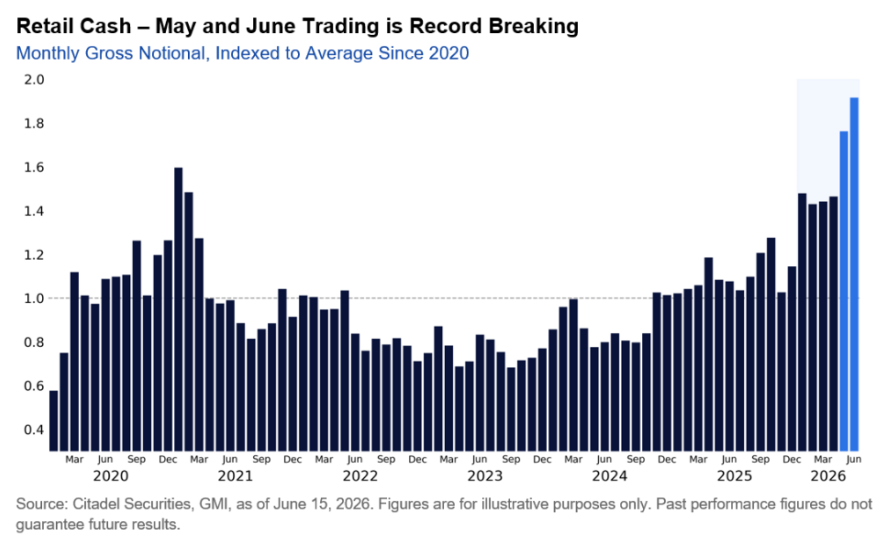
The 2020s have witnessed a historic surge in retail trading, a phenomenon that few could have predicted would be sparked by a global health crisis. What began as a response to widespread lockdowns, government stimulus, and the advent of zero-commission trading platforms, has evolved into a persistent and growing force in the financial markets. This is no fleeting fad; data from leading market participants confirms that retail engagement is not only sustained but accelerating.
Quantifying the Retail Revolution
Citadel Securities, a prominent market maker, has provided compelling data illustrating the magnitude of this shift. Their platforms recorded nine of the ten largest retail trading days ever observed in just the last month, with seven of these record-breaking days occurring in the first half of June alone. Furthermore, Friday, June 12, 2026, marked the single largest day of retail net buying in their extensive dataset, surpassing the previous record by an astonishing 50%. These figures are not mere anomalies but reflect a consistent upward trajectory.
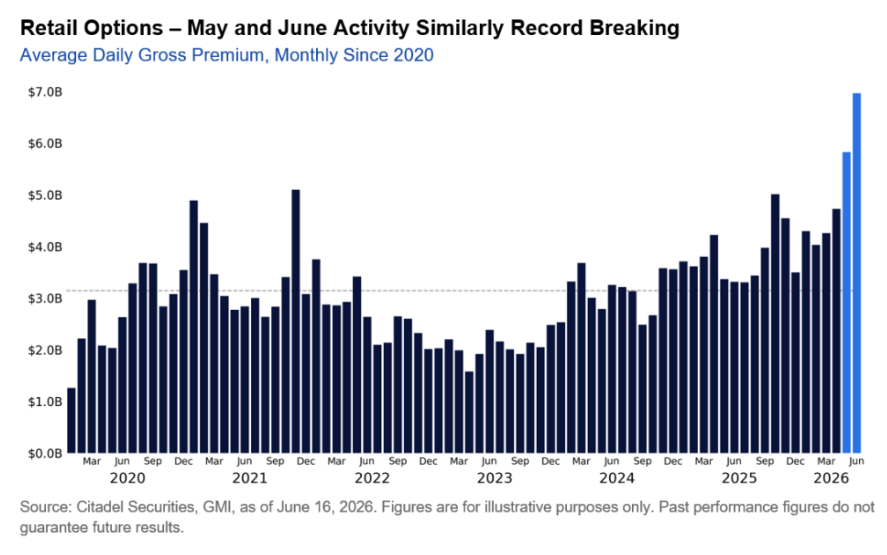
Charts tracking retail trading volume since the pandemic vividly illustrate this sustained growth. Far from subsiding as many analysts initially predicted, the activity has intensified, demonstrating a durable shift in investor behavior. This trend is equally pronounced in the derivatives market. Retail options trading volume has consistently broken records, with May 2026 seeing average daily volumes up 20% year-over-year. This was followed by new weekly volume records shattered in both the first and second weeks of June, indicating a relentless expansion of retail engagement across various financial instruments.
Evolving Sophistication: Beyond Meme Stocks
While some of this heightened activity inevitably includes speculative trading, particularly in areas like zero-day options which are not typically associated with long-term investment strategies, the broader narrative suggests a growing sophistication among retail investors. The market’s focus has diversified beyond the "meme stocks" that captured headlines in earlier phases of the boom.
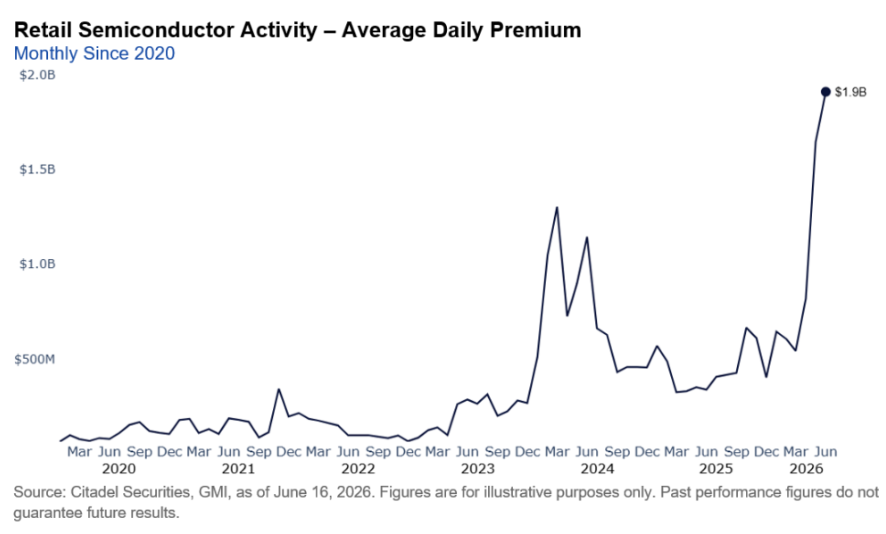
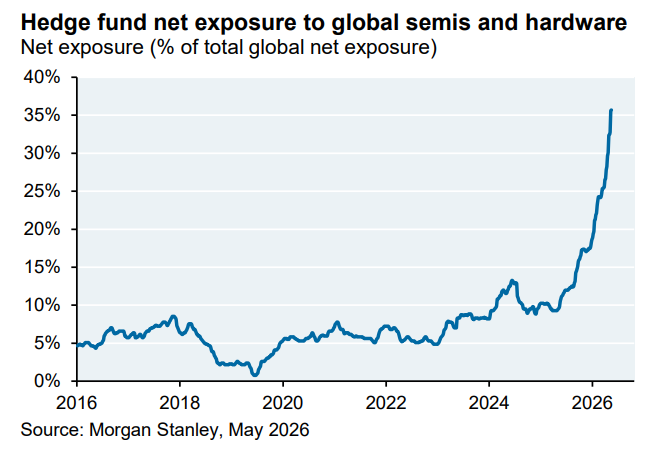
Consider the semiconductor sector, currently a dominant force in market performance due to its integral role in artificial intelligence and technological advancement. Companies like SanDisk, which has seen its value skyrocket by over 4,000% in the past 12 months, and Western Digital and Micron, both up nearly 1,000%, have delivered otherworldly returns. Retail investors have not been passive observers; they have actively poured significant capital into this high-growth space, recognizing and capitalizing on the fundamental drivers of market leadership.
Crucially, this retail interest in semiconductors is mirrored by institutional players. Data compiled by Michael Cembalest of JPMorgan Funds indicates that hedge funds have also heavily invested in these same companies. This convergence of retail and institutional investment in key sectors highlights a maturation of the retail segment, where individual investors are increasingly identifying and acting upon fundamental market trends, rather than solely chasing speculative plays. These companies are now critical drivers of index performance in both the S&P 500 and Nasdaq 100, underscoring the mainstream nature of these investments.
The Paradox of Prudence: Rising Cash Holdings Amidst a Bull Market
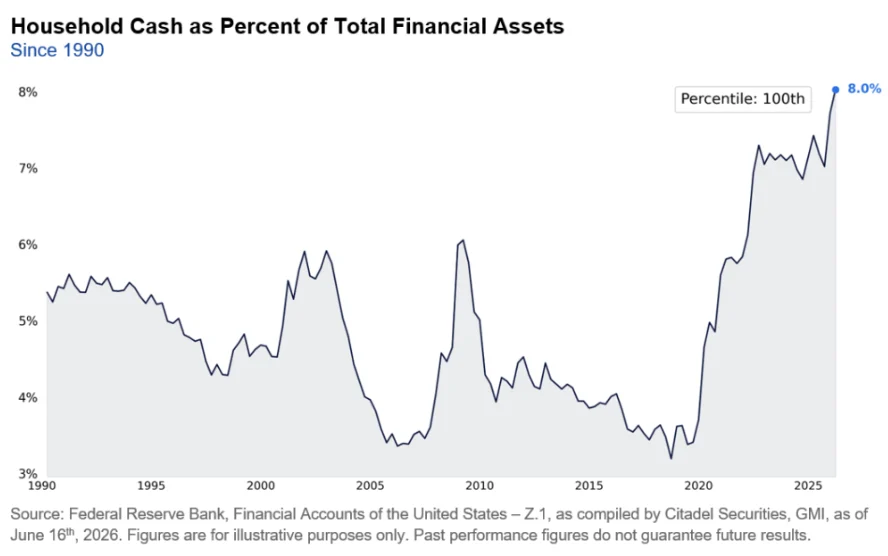
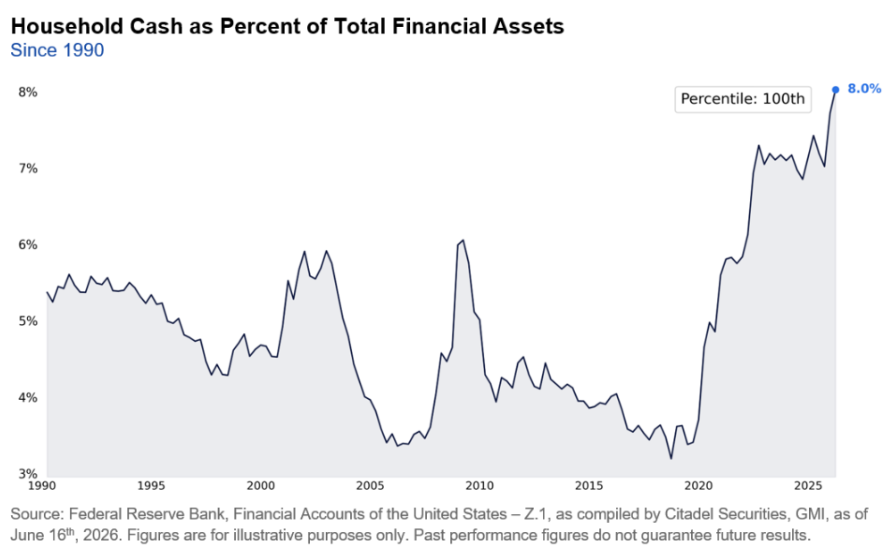
Despite the narrative of a booming market and an invigorated retail trading environment, another significant trend presents a compelling counterpoint: the substantial and growing allocation of cash as a percentage of financial assets. Citadel Securities data reveals that cash holdings are currently at their highest level since 1990, and this trend continues to accelerate. This seemingly paradoxical situation — high cash levels during a period of market enthusiasm and strong returns — warrants closer examination.
Some market pundits might interpret the concurrent rise in retail trading and market performance as evidence of a "speculative orgy" or irrational exuberance. While pockets of speculative activity undoubtedly exist, as they always do during boom times, the widespread increase in cash balances suggests a more nuanced reality. It indicates that a significant portion of the investor base is exhibiting prudence, strategic positioning, or simply adapting to new market realities. The market, in essence, is not a monolith; it comprises diverse investor types with varying objectives and risk appetites.
Driving Factors Behind the Cash Surge
Several key factors contribute to this robust accumulation of cash, painting a picture of strategic asset allocation rather than mere hesitation.
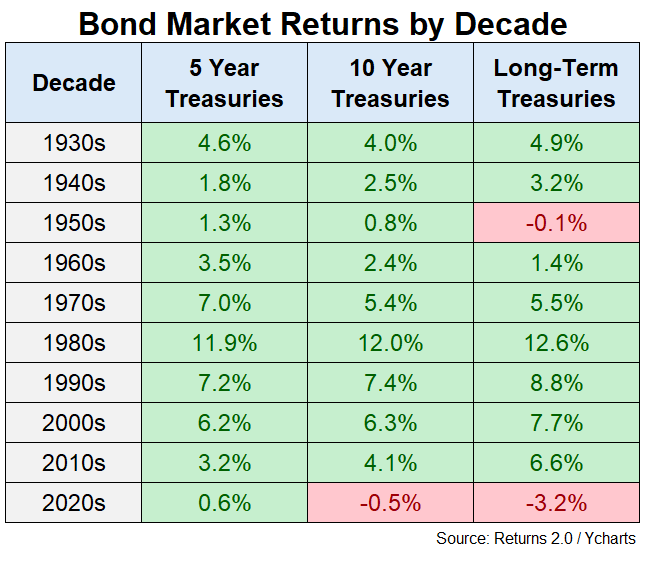
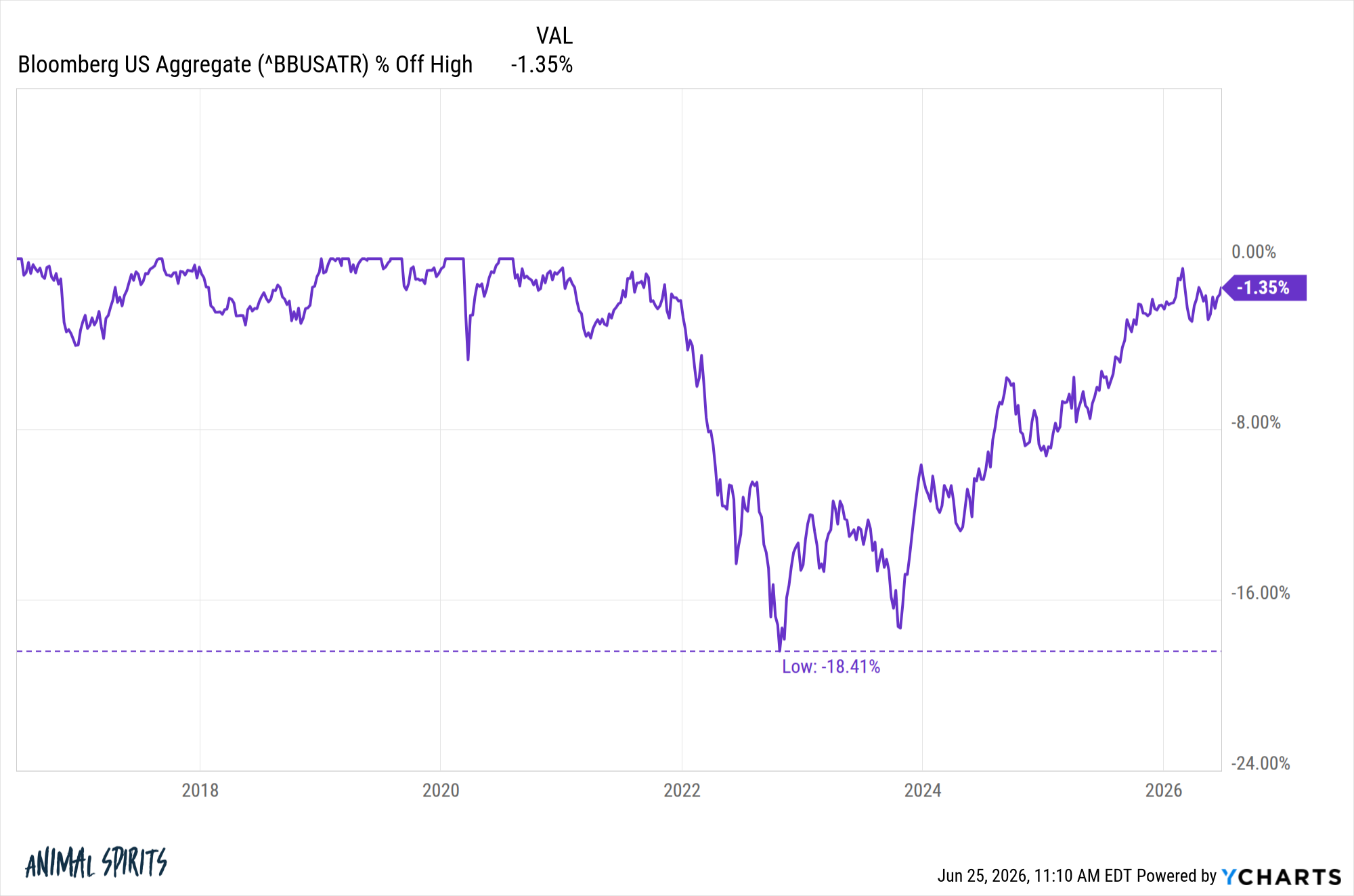
1. The Unprecedented Bond Bear Market: The 2020s have proven to be the worst decade on record for bond investors. Following a prolonged period of ultra-low interest rates, the aggressive monetary tightening initiated in 2022 to combat surging inflation triggered a historic bond bear market. The Bloomberg U.S. Aggregate Bond Index (the Agg), a widely used benchmark for investment-grade U.S. bonds, experienced its largest drawdown in history. This environment of rising rates and persistent inflation severely eroded the value of high-quality fixed income assets, prompting many investors to seek alternatives. For a significant segment of the market, holding cash became a more attractive option than enduring further losses in a volatile bond market.
2. The Return of Yield to Cash: A critical enabler of the cash surge is the fact that cash equivalents finally offer attractive yields. For over a decade following the Global Financial Crisis, interest rates were effectively at zero, making cash a depreciating asset in real terms due to inflation. However, with central banks aggressively hiking rates, short-term cash instruments now offer yields in the range of 3-4%. While this might not be enough to retire on, it represents a substantial improvement over the near-zero returns of the past. This positive yield makes cash a viable component of a portfolio, particularly for those seeking capital preservation or a low-risk income stream. It provides a much-needed "opportunity cost" buffer, allowing investors to be patient and wait for more opportune entry points into riskier assets without incurring a significant penalty.
3. Baby Boomers De-Risking for Retirement: A powerful demographic force is also at play. There are an estimated 45-50 million baby boomers who are already in retirement, with another 20-25 million rapidly approaching it. As investors transition into retirement, their financial objectives typically shift from aggressive growth to capital preservation and income generation. A common strategy for retirees is to hold a significant allocation to cash as a "margin of safety." This cash buffer can cover immediate living expenses, protect against market downturns, and reduce the need to sell assets at unfavorable times. The sheer volume of wealth held by this demographic cohort, coupled with their natural inclination towards lower-risk portfolios, exerts a substantial upward pressure on aggregate cash holdings.
Expert Perspectives and Industry Responses
The dual phenomena of surging retail participation and rising cash balances have garnered significant attention from financial institutions and analysts. Industry leaders like Citadel Securities, through their extensive data aggregation, are not just observing these trends but are at the forefront of understanding their implications. Their detailed reports provide invaluable insights into the shifting behavior of market participants, enabling a more informed discourse on market structure and liquidity.
Michael Cembalest’s analysis from JPMorgan Funds, which illustrates the parallel investment patterns of retail and hedge funds in key sectors like semiconductors, highlights a crucial point: the line between "smart money" and "dumb money" is increasingly blurred. Institutional investors are keenly aware of retail flows, often incorporating them into their own strategies or at least monitoring them for market signals.
Financial strategists and economists are offering varied perspectives on these trends. Some applaud the democratization of finance, empowering individuals with greater access and control over their investments. They argue that increased retail participation can enhance market efficiency and liquidity. Others express caution, particularly regarding the speculative elements of retail trading, emphasizing the importance of financial literacy and risk management. However, there is a broad consensus that the rise in cash holdings, particularly among older demographics and those impacted by the bond bear market, represents a rational response to current economic and market conditions. This strategic accumulation of cash is seen as a sign of prudence, offering optionality and resilience in an uncertain global environment.
Implications for the Future of Finance
The convergence of these powerful forces — a newly empowered and sophisticated retail investor base alongside a strategic shift towards higher cash allocations — carries profound implications for the future of finance.
Reshaping Market Structure and Dynamics
The increased participation of retail investors has undeniable effects on market liquidity, price discovery, and volatility. Their collective buying and selling power can significantly influence stock prices, particularly in companies with lower market capitalizations or those experiencing high social media interest. This shift demands that institutional investors and market makers adapt their strategies, acknowledging retail flow as a critical factor in market movements. The traditional informational asymmetry that once favored large institutions is eroding, replaced by a more democratized access to information and trading tools.
Regulatory Scrutiny and Investor Protection
With the surge in retail trading, particularly in complex instruments like options, comes increased scrutiny from regulators. There is an ongoing debate about the need for enhanced investor protection, clearer disclosures, and potentially stricter rules for certain types of speculative trading. The industry will likely see continued evolution in how trading platforms operate, how risks are communicated, and how market integrity is maintained in an environment with millions of active individual traders.
The Imperative of Financial Education
As more individuals engage directly with financial markets, the need for robust financial education becomes paramount. Empowering investors with the knowledge to understand risk, diversification, and long-term investment principles is crucial to harness the benefits of market access while mitigating potential pitfalls. This includes understanding the nuances of various asset classes, the impact of economic cycles, and the importance of aligning investment strategies with personal financial goals.
Evolving Investment Strategies
For both individual and institutional investors, the current landscape necessitates an evolution of investment strategies. The traditional 60/40 portfolio (60% stocks, 40% bonds) has been challenged by the bond bear market, prompting a reevaluation of fixed income alternatives, including cash. The strategic use of cash as a defensive asset, a source of yield, or a war chest for future opportunities is likely to become a more permanent feature of portfolio construction. Simultaneously, understanding the drivers of retail behavior and its impact on specific market segments will be critical for all market participants.
A "Something for Everyone" Market Narrative
In conclusion, the current financial epoch offers a compelling and multifaceted narrative. On one hand, we observe the vibrant, increasingly sophisticated engagement of retail investors, driving significant demand in key sectors and challenging long-held institutional dominance. On the other, we see a prudent, strategic accumulation of cash, driven by the painful lessons of the bond market, the return of meaningful yields, and the demographic realities of an aging population preparing for retirement. These seemingly contradictory trends are, in fact, complementary facets of a maturing market, each reflecting rational responses to distinct economic and financial stimuli. The financial landscape of 2026 is complex, dynamic, and undeniably shaped by these powerful, intertwined forces, promising continued evolution in the years to come.