The Architecture of Memory: Rituals of Remembrance and the Trans-Atlantic Trauma
In the shadow of history’s most profound atrocities, humanity often struggles to find a language for the unspeakable. For centuries, the Trans-Atlantic slave trade has functioned as both a historical fact and a haunting presence—a "deep river" that separates the past from the present while simultaneously tethering them together. As contemporary society grapples with the legacies of systemic racial violence, the necessity of "ritual remembrance" has moved from the margins of scholarly discourse to the center of our collective cultural consciousness.
This exploration—originally grounded in the work of the Braxton Institute and the experimental theater piece Crossing a Deep River: A Ritual Drama in Three Movements—seeks to unpack how we might engage with a fragmented, yet persistent, history of bondage and resilience.
The Chronology of Consciousness: From Oral Tradition to Global Reckoning
The transmission of memory regarding the Middle Passage has never been linear. It has existed in the "whispered conversations" noted by Booker T. Washington, who recalled his ancestors recounting the horrors of their displacement while living in the confines of the Southern plantation.
The Generational Link
For many African Americans, the Middle Passage is not merely an entry in a textbook; it is a family legacy. The author’s own lineage serves as a poignant example: the memory of William Harrison, enslaved on the Montpelier estate in Maryland, was passed down through generations—from father to daughter, and eventually to the author. This "crossing consciousness"—the recognition that one’s family history is defined by the intersection of trauma and survival—remains a cornerstone of the African American experience.
The Literary and Artistic Response
The formal acknowledgement of this history began long before the modern era. Frederick Douglass, in his seminal 1852 address, What to the Slave is the Fourth of July?, utilized the sacred language of the 137th Psalm to demand that the nation bear witness to the plight of the "peeled and woe-stricken people."
In the 20th and 21st centuries, this project has been carried forward by a chorus of voices. Writers, artists, and filmmakers—from Alice Walker and Toni Morrison to Haile Gerima—have engaged with what Morrison termed "discredited knowledge." This knowledge is dismissed by dominant historiography not because it is untrue, but because the people who hold it were historically discredited. By elevating these narratives, modern creators are effectively mapping the architecture of a trauma that spans continents.

Sites of Memory: The Physicality of the Unspoken
To understand the scope of the Trans-Atlantic trade, one must look to the physical "sites of memory" that dot the African coast and the Atlantic diaspora. These locations serve as visceral reminders of the human cost of empire.
The Dungeon and the Altar
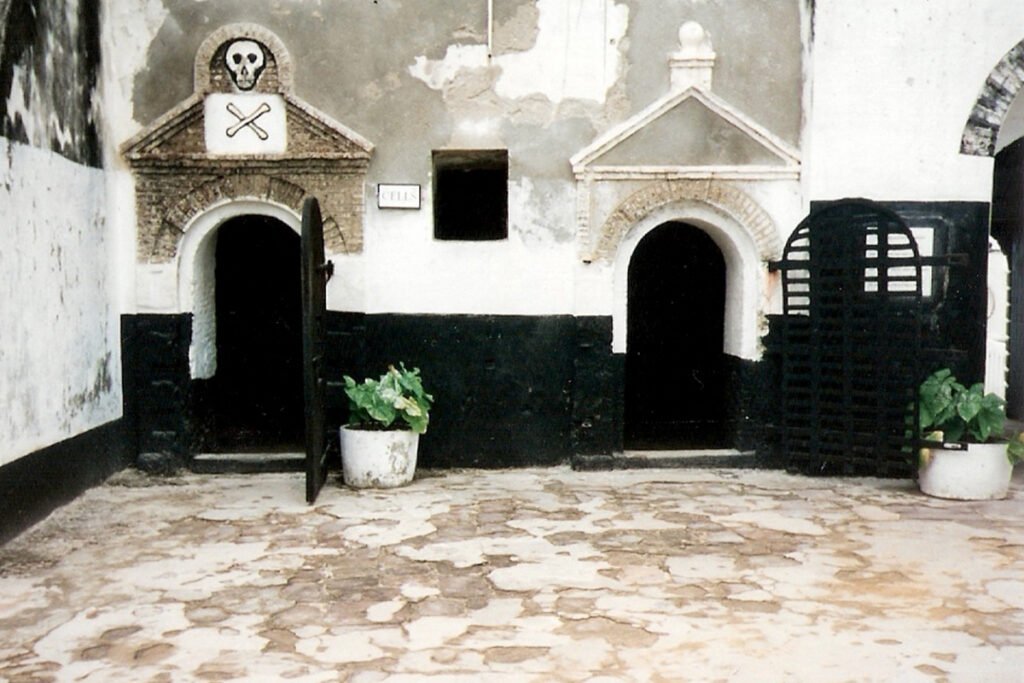
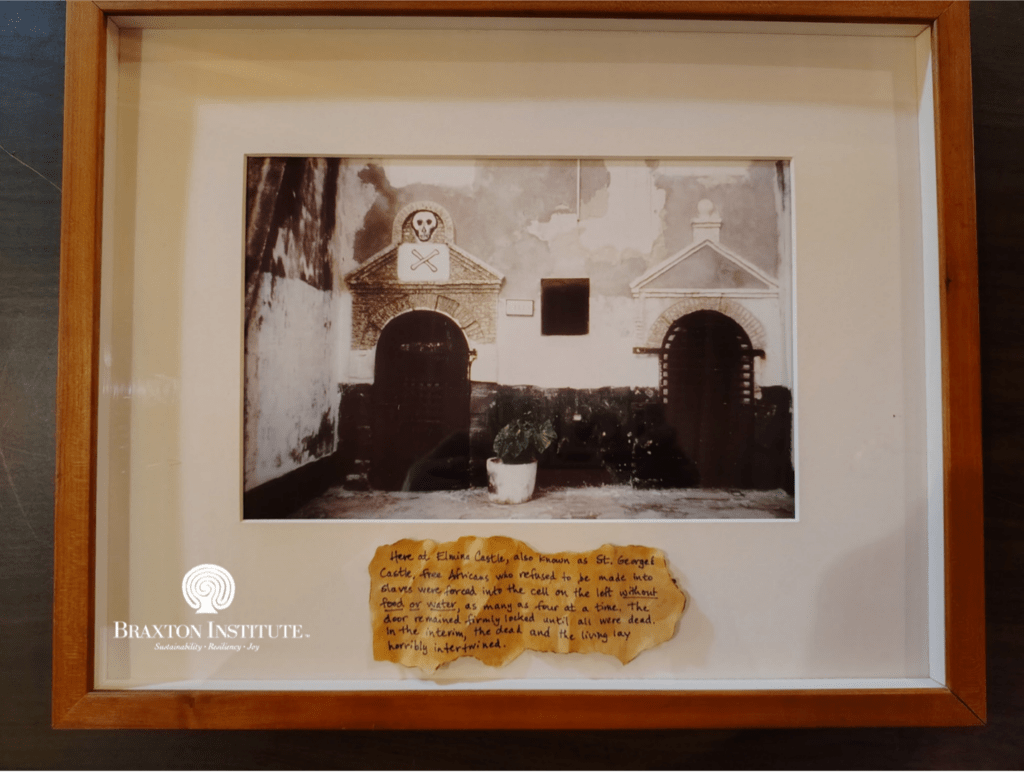
At Elmina fortress in Ghana, a barred room marked by a skull and crossbones remains a terrifying monument to the capacity for human cruelty. Here, men were held in conditions that defy description, serving as a silent testimony to the price of resistance. At Cape Coast fortress, the presence of an altar of remembrance—where priests pour libations for the spirits of the lost—highlights the spiritual dimension of this history. It is a space where, as in the film SANKOFA, the boundary between the living and the dead becomes porous.
Underwater Landscapes
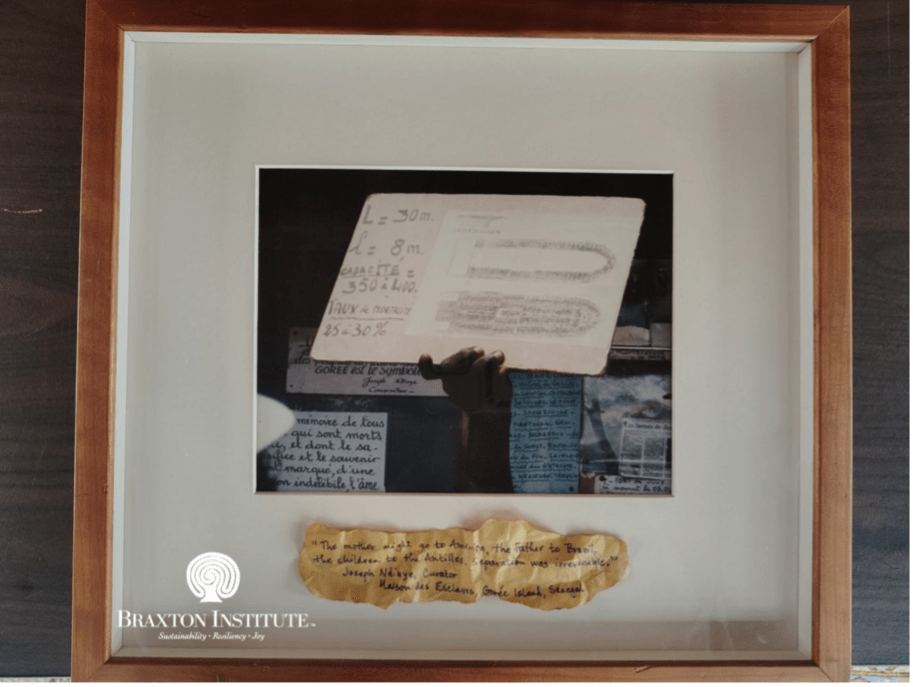
The "sites of memory" are not restricted to dry land. In the waters of Bonaire, at a site aptly named "Invisibles," the silence of the deep is punctuated by the historical reality of salt mining. Here, the "white gold" was harvested by enslaved Africans, and stone pyramids on the shore serve as monuments to those who were left to perish. For those who listen closely, these sites—from the dungeons of Bahia, Brazil, to the solitary confinement chambers of Gorée Island—offer a profound lesson in the persistence of the past.
Supporting Data: The Global Geography of Bondage
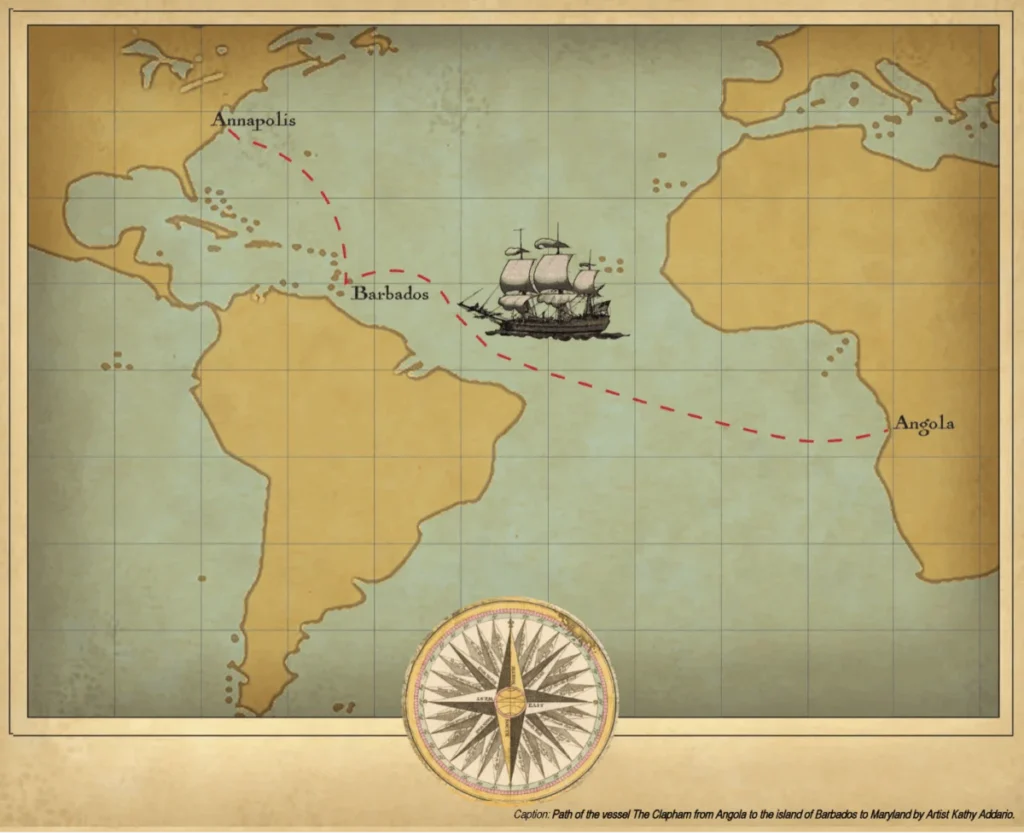
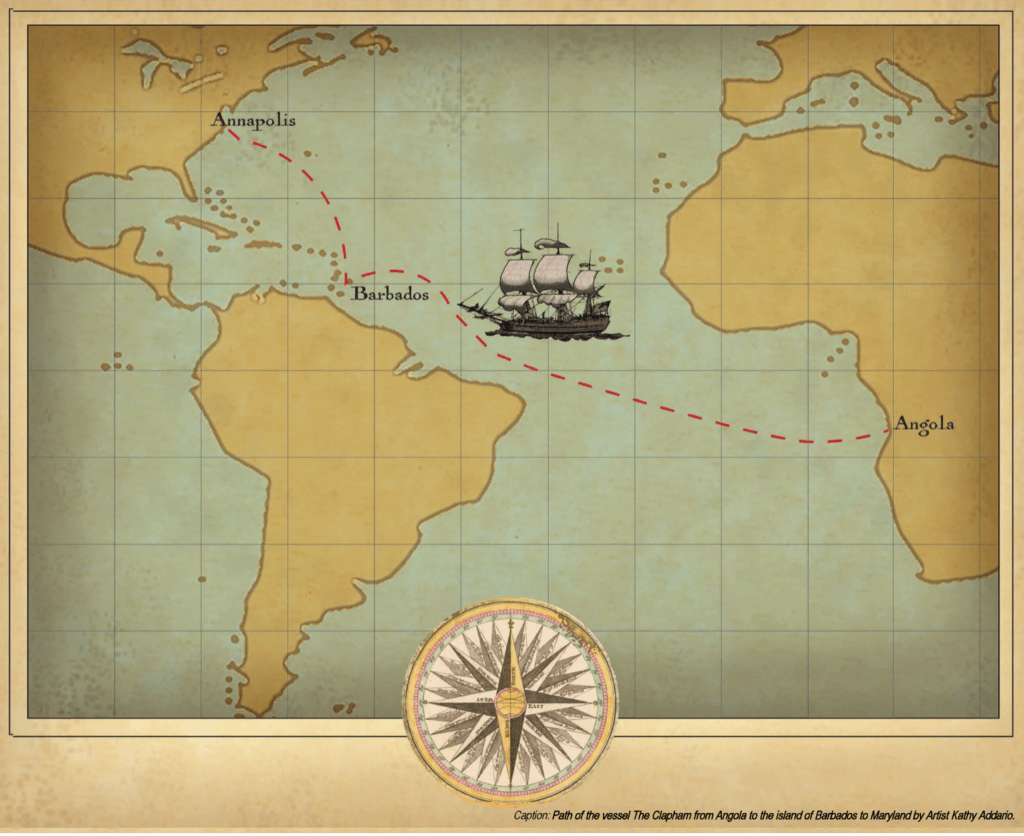
The legacy of the slave trade is not confined to the United States. It is a global phenomenon, woven into the geography of Europe, the Caribbean, and South America.
- Linguistic and Geographic Markers: In Brazil, the district of Pelhourino derives its name from the "place of punishment" where enslaved individuals were scourged. Such place names are not merely identifiers; they are historical warnings.
- The Diaspora of Memory: The trauma of the Middle Passage resonates in Liverpool, Paris, St. Louis, and the Sea Islands of South Carolina. Whether in the Dismal Swamp or the urban centers of the North, the landscape of the Atlantic world remains saturated with the markers of a forced migration.
- Comparative Studies: As the author notes, white American authors have also engaged in this process of atonement—Nathaniel Hawthorne’s return to Salem to pen The Scarlet Letter stands as a parallel to the modern imperative to confront the "whipping posts and auction blocks" that exist in the towns and cities of our own present.
Official Responses and Cultural Implications
The shift toward ritual remembrance is not merely an academic exercise; it has deep implications for social healing and public policy.
The Necessity of Ritual
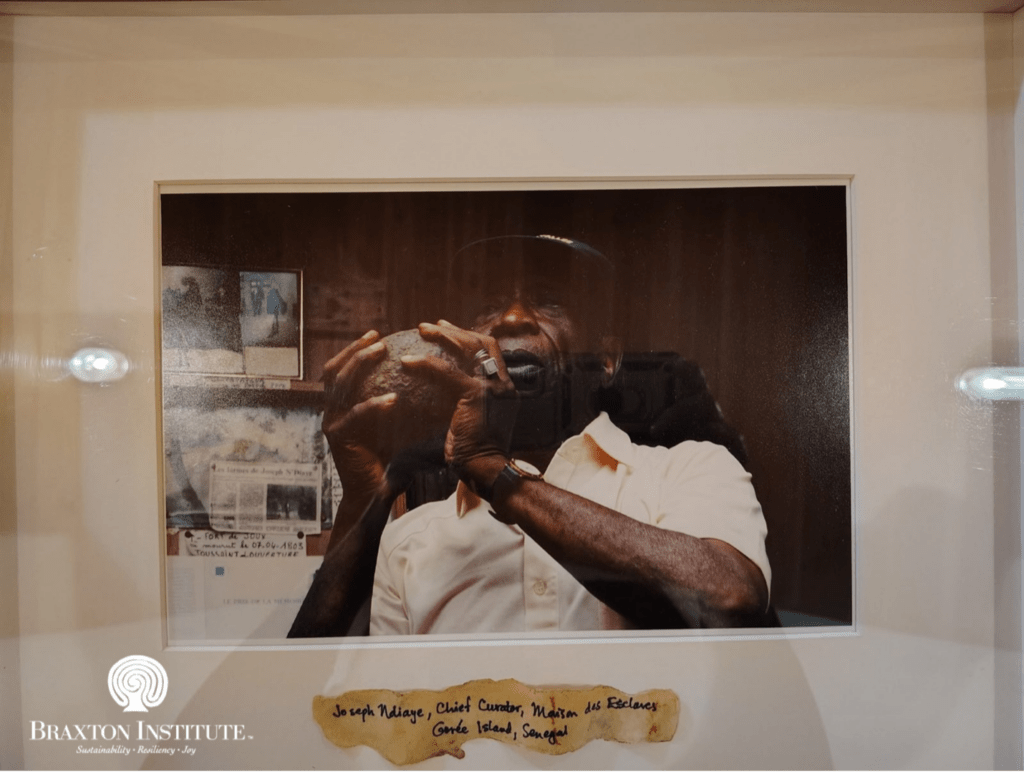
Official institutions, from the Urban League to municipal governments, have begun to recognize that history cannot be "resolved" through legislation alone. It requires public engagement with the sites of trauma. When individuals, regardless of their background, stand in a room in Gorée Island where a person could not even stand upright, they are participating in a necessary, if painful, ritual of empathy.
Addressing the "Discredited"
The primary implication of this movement is the legitimation of "discredited knowledge." When we accept the oral histories of the descendants of the enslaved as valid historical data, we change the way we understand the development of the modern world. We move from a narrative of "progress" to a narrative of "repair."
As the author argues, the future of a people can only be illuminated when it is founded on an honest account of the past. This involves:
- Opening the private chambers: Acknowledging the stories that were long suppressed or deemed "not to be passed on."
- Mapping the local: Recognizing that every community has its own "sites of memory," whether they are marked by plaques or simply by the silence of the land.
- Active Engagement: Moving beyond passive learning to active remembrance, through art, dialogue, and the deliberate retelling of family and national history.
Conclusion: Toward a Collective Future
The journey of Crossing a Deep River is a metaphor for the broader human challenge: to navigate the trauma of the past without being consumed by it. Whether through the experimental theater of the stage or the quiet, personal act of passing down a grandmother’s whisper, the work of remembrance is the work of restoration.
We are tasked with the responsibility to "dare to engage a fragmented but collective past." Only by opening the doors of these private, often painful chambers of the soul can we begin to heal. The "home over there" that the author’s grandmother spoke of was not just a geographic destination; it was a promise of wholeness—a reminder that despite the tearing of cultures and the fragmentation of families, the truth of the human heart remains, waiting to be acknowledged, remembered, and finally, honored.